Build a Reusable AutoYaST Profile for SLES 15 Installs

Turn an existing SLES 15 system into a reviewed AutoYaST profile, validate it, and use it to deploy a test server with fewer manual steps.
Split View allows users to place their contact list in a window, and each conversation will open in a separate window.
You can then drag the chat window all over the computer screen. However, this mode is only supported on Skype for Windows 10 (version 14). How to activate and use this split screen mode, please invite you to follow the article below:
To enable Split View on Skype, click the 3-dot icon next to the username. Then select Enable split view mode to activate screen split mode on Skype. At this point, you will see each conversation is opened in a separate window and can move around on the computer screen.
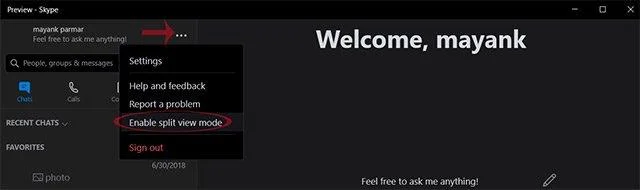
Just double-click an existing conversation in the recent chat list or start a new conversation to open that conversation in a separate screen.
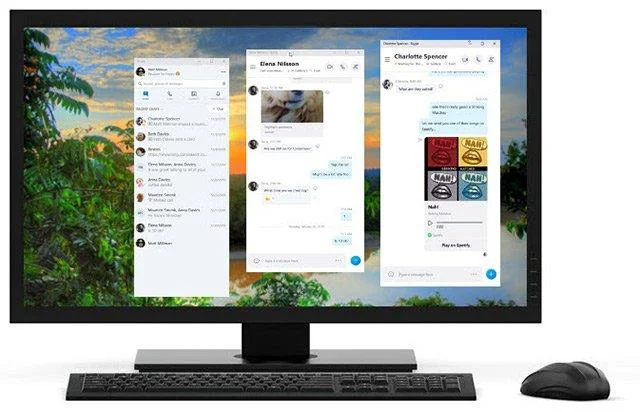
Pretty convenient, right? So why hesitate any longer, quickly download Skype for Windows 10 latest to experience this interesting feature!
I wish you successful implementation!
Turn an existing SLES 15 system into a reviewed AutoYaST profile, validate it, and use it to deploy a test server with fewer manual steps.
Install the SLES 15 KVM and libvirt tools, enable the right host service, and configure selected virtual machines to start after a reboot.
Use systemd jobs and the previous boot journal to locate a slow service, mount, or storage dependency, then correct it without masking the cause.
Use firewall-cmd to inspect the active zone, allow HTTP safely, preserve SSH access, and verify that the rule survives a reload on SLES 15.
Trace a PAM failure to its service, account policy, or identity provider, then repair the right SLES configuration while preserving a working admin session.
Trace a failed kernel module at SLES startup, correct an obsolete boot entry or repair the required driver, and verify the next boot.
Prepare SCSI SAN paths, enable multipathd, inspect SUSE’s hardware defaults, and verify stable device maps without guessing array settings.
Find the process holding Zypper’s package lock, distinguish process conflicts from package locks, and retry updates without deleting lock files blindly.
Register SLE HA, bootstrap SLES 15 nodes, then add fencing, quorum, and tested service resources before relying on failover.
Trace a Zypper refresh error to SUSE, RMT, or a third-party endpoint, then apply the right server-side or cache fix without disabling essential updates.








