Would Europe Be Drawn into a Hypothetical U.S.-Israel-Iran Nuclear War? NATO Rules Explained

A guide to NATO Articles 4 and 5, UN self-defense rules, and why consultation does not mean automatic European entry into war.
The Hubble Space Telescope has recently encountered some operational troubles, resulting in scientists being forced to change the way the telescope operates to compensate for some of its hardware components that have degraded and are now unable to function properly.
According to initial assessments, the three gyroscopes that help the telescope switch between different observational targets in the sky have been problematic, with one in particular having broken down frequently in recent months. NASA has decided to change the way Hubble “aims” to use only one gyroscope at a time instead of all three as before, in order to “preserve” the remaining two gyroscopes as long as possible.
This change means that Hubble will now be slower to switch between targets, and some targets (such as near-Earth objects) will no longer be available. But the good news is that Hubble is still operating normally and producing stunning images of space – including the one below. This is one of the first images taken since Hubble switched to the new operating mode.
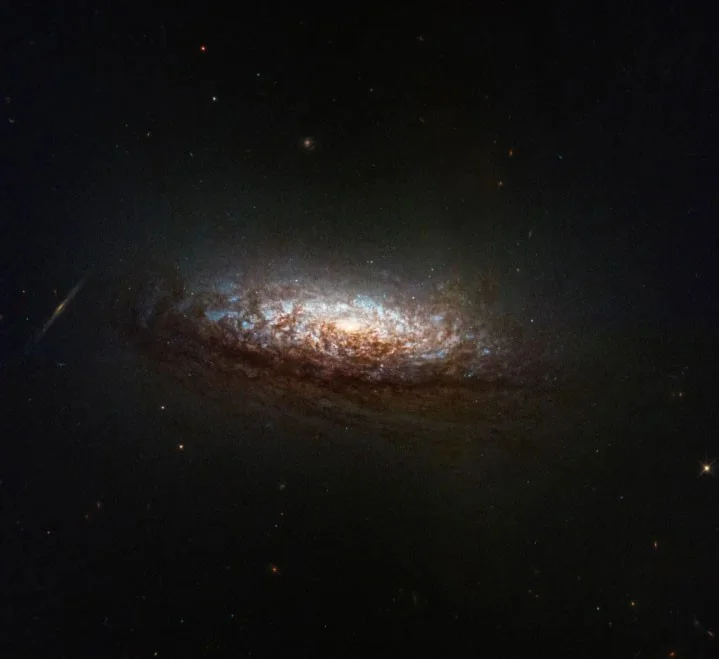
In addition to proving that Hubble is still operational and can continue to serve as a scientific research facility, this image also shows the beauty of the galaxy NGC 1546 and the impressive dust and gas lanes swirling around the center of the galaxy. The dust is reddish-brown due to light passing through from the bright, yellow-glowing center of the galaxy. The blue regions in this image are where hot, young stars are forming.
The Hubble Space Telescope was launched in 1990 and has now been in space for 30 years. As a result, hardware systems are subject to wear and tear. Astronauts have been directly involved in Hubble maintenance five times in space, with the most recent mission taking place in 2009. Since then, all maintenance work on Hubble has been done remotely from the ground.
A guide to NATO Articles 4 and 5, UN self-defense rules, and why consultation does not mean automatic European entry into war.
Assess claims about Iran in six steps, distinguishing uranium enrichment, weapons development and verified possession.
Understand nuclear decision authority in six steps, including US civilian control and the limits of public information about Israel.
A guide to official 2026 evidence on Hormuz shipping disruption, Iran-related claims, confirmed incidents, and what remains uncertain.
A source-based guide to nuclear escalation risks, UN Charter rules and NATO Article 5 in a strictly hypothetical Iran scenario.
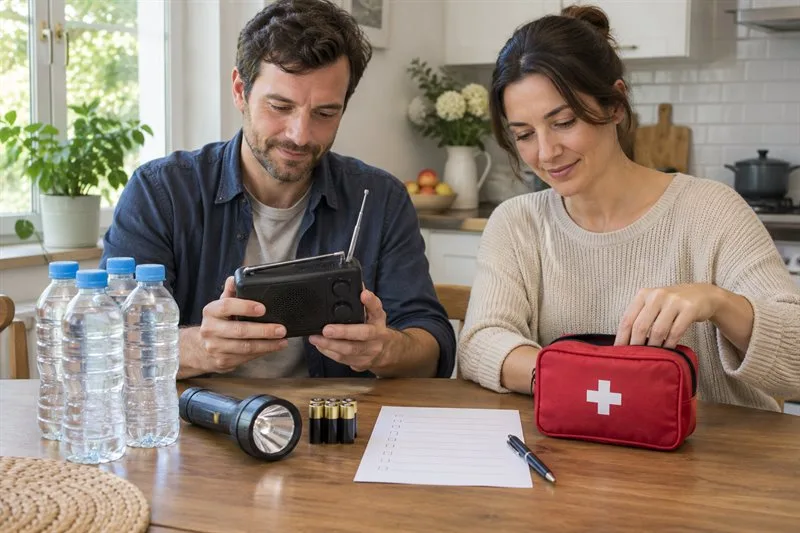
Use five steps to prepare for an outage; nuclear and EMP scenarios are hypothetical, and official shelter instructions come first.
Use 5 defensive steps to verify a cyber disruption, protect household accounts, and avoid mistaking an outage for war.
Use these 5 steps to assess climate effects from a hypothetical Iran strike, compare model assumptions, and avoid unsupported predictions.
Explore six steps for reading research on climate, food and ecosystem recovery after a hypothetical nuclear conflict.
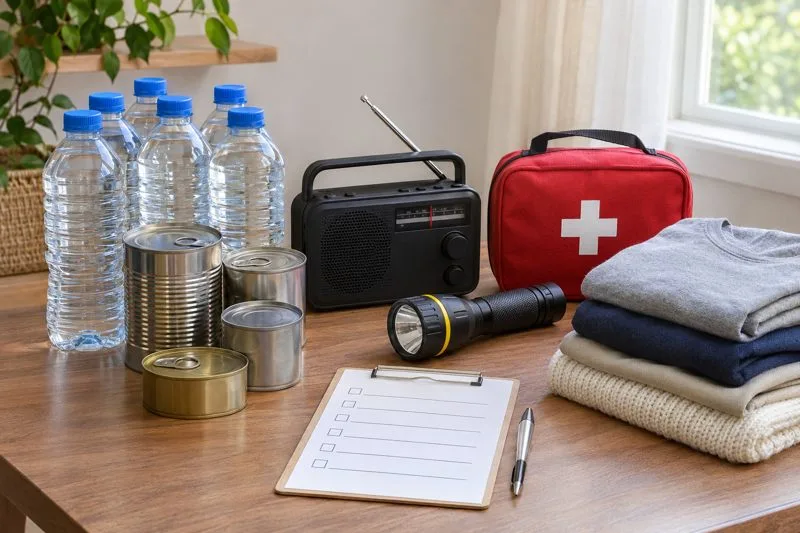
Build a practical fallout preparedness kit in six steps, with sealed food and water, a radio, medical supplies and shelter guidance.