Clear a Zypper Lock Safely on SUSE Linux Enterprise

Find the process holding Zypper’s package lock, distinguish process conflicts from package locks, and retry updates without deleting lock files blindly.
Tik Tok is a video social network that is loved by many young people today. When using this application, we can freely shoot funny and unique videos, then post them on the homepage for everyone to see.
However, when we post a video, because of a problem we want to remove it, but we do not know how to accomplish this. Therefore, here we will introduce the steps to delete videos posted on Tik Tok , invite you to follow.
Download Tik Tok on Android Download Tik Tok on iOS
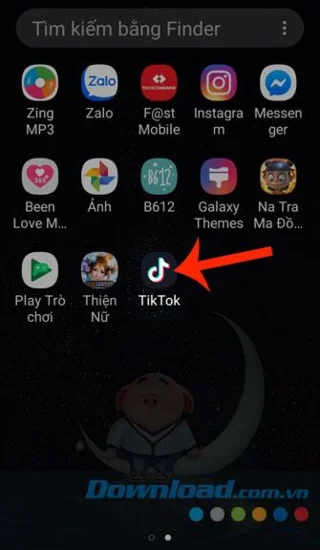
Step 1: First, open the Tik Tok app on your phone.
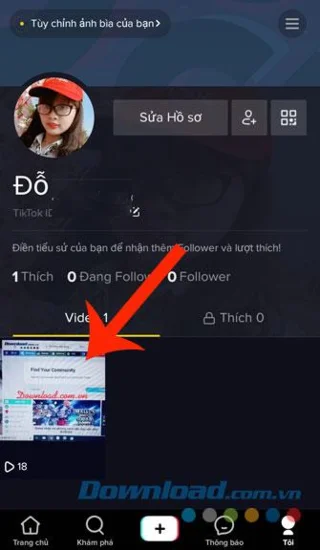
Step 2: At the application home page, click on the account icon in the bottom right corner of the screen.
Step 3: Click the video you want to delete.

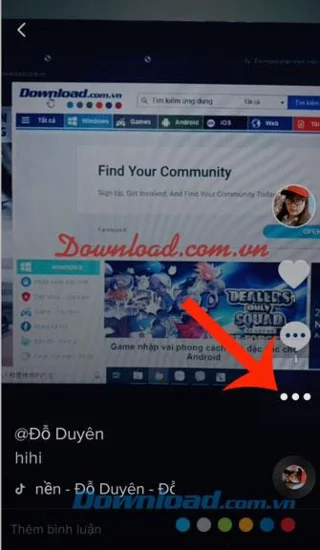
Step 4: Click the three dots on the right side of the screen.
Step 5: Click the item Delete .

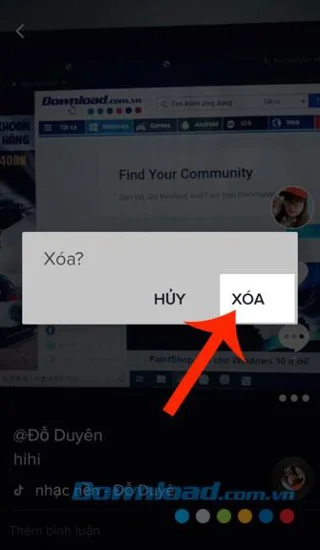
Step 6: At this time, there will be a message asking if you want to make sure you want to delete this video, shown on the screen. Click on Delete .
Step 7: Now the video has been removed from your timeline.

Hopefully, after following and completing the steps in the article on how to delete videos posted on Tik Tok, you can easily delete the videos that you do not want to appear on this application anymore.
In addition, you can also refer to some other articles such as:
I wish you successful implementation!
Find the process holding Zypper’s package lock, distinguish process conflicts from package locks, and retry updates without deleting lock files blindly.
Register SLE HA, bootstrap SLES 15 nodes, then add fencing, quorum, and tested service resources before relying on failover.
Trace a Zypper refresh error to SUSE, RMT, or a third-party endpoint, then apply the right server-side or cache fix without disabling essential updates.
Resolve SUSE LVM thin-pool space errors by checking data and metadata usage, expanding the pool safely, and preventing repeat outages.
Identify whether Btrfs is intentionally read-only, short on space, or protecting data after errors, then choose a recovery path that fits the cause.
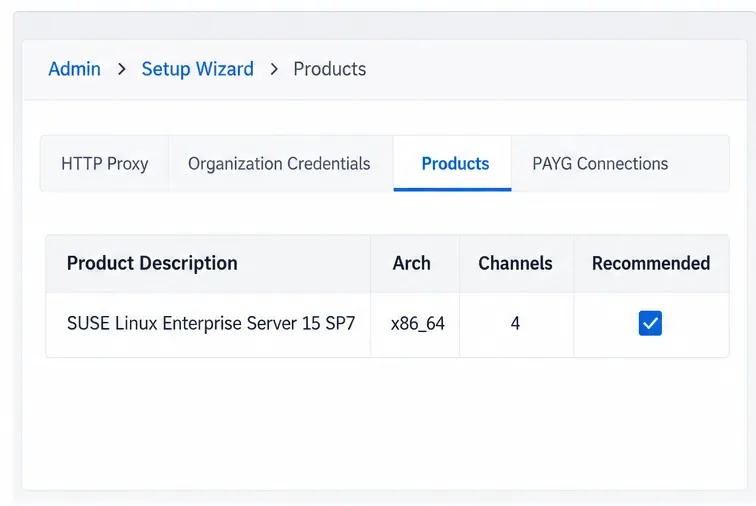
Prepare mirrored channels, create an activation key, and bootstrap an SLES 15 client without direct internet access while preserving the connection needed for Manager check-ins.
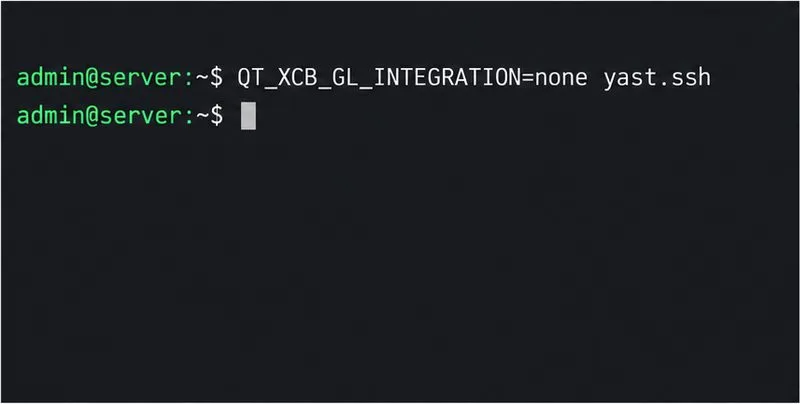
Fix YaST’s XIO launch error over SSH, verify X11 forwarding and xauth, and switch to the ncurses interface when a remote window is unnecessary.
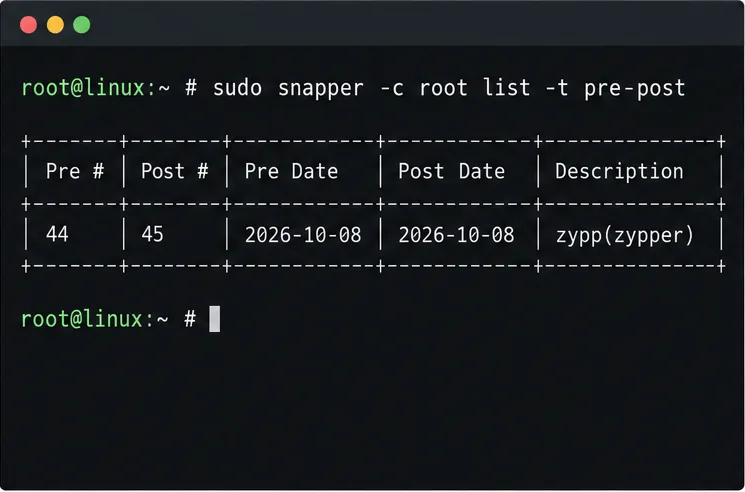
Find the pre-update Btrfs snapshot, test it read-only, and make recovery permanent with Snapper while understanding which data stays outside the root rollback.
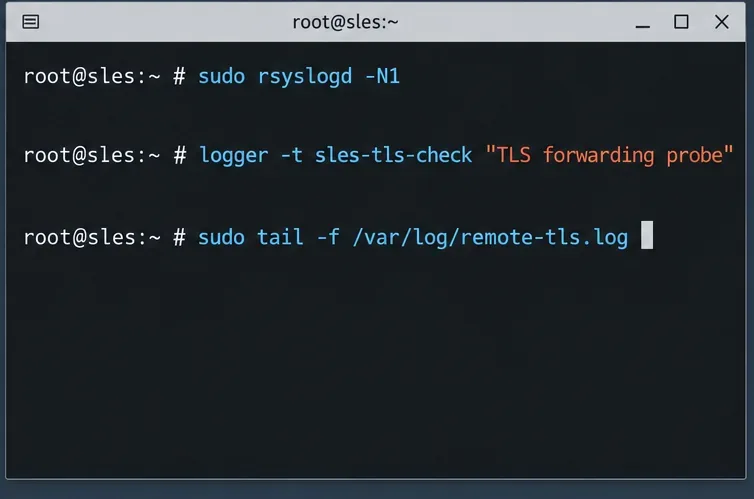
Send SLES system logs to a remote rsyslog collector over authenticated TLS, with certificate checks, outage buffering, and delivery tests.
Use RAM, swap, kernel, and Zypper logs to identify real memory pressure, protect package state, and choose a safer SLES upgrade retry.