Set Default Storage Quotas by User Role in ownCloud oCIS
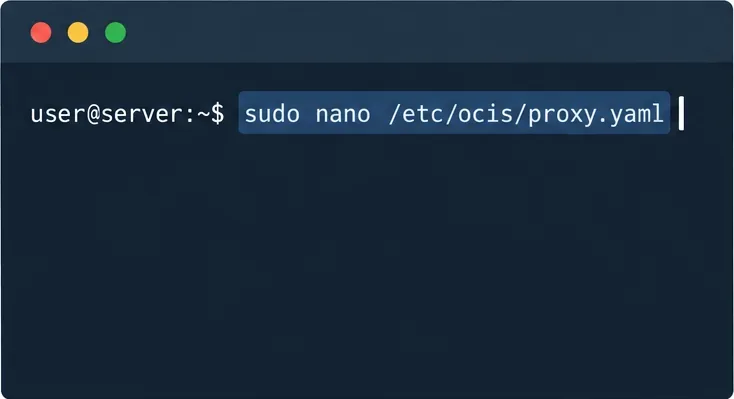
Assign byte-based storage limits to new ownCloud Infinite Scale users by role, with a proxy.yaml example and a safe verification checklist.
You can sync 1Password with Dropbox so you can access all data on Macs, Windows computers, iOS and Android devices quickly and conveniently. The following article will guide you how to synchronize 1Password with Dropbox.
Before synchronizing 1Password with Dropbox, you will need a Dropbox account . You also need to install the Dropbox app on any Mac and Windows computer you want to sync.
Note:
Follow these steps to sync with Dropbox on each of your devices. Sync with Dropbox on Mac and Windows before setting up on iOS and Android devices
For 1Password 6 version on Windows, you can move existing 1Password data to a 1Password account.
Please make sure you are logged in to the same Dropbox account. Then open 1Password, select File> Open 1Password Vault and choose .opvault or .aglekeychain in your Dropbox account. Later:
If you launch 1Password for the first time, select Find your data and select Dropbox from the list (if Dropbox is not displayed, select Pick a different location ), then follow the instructions on the screen. If you already have 1Password set up:
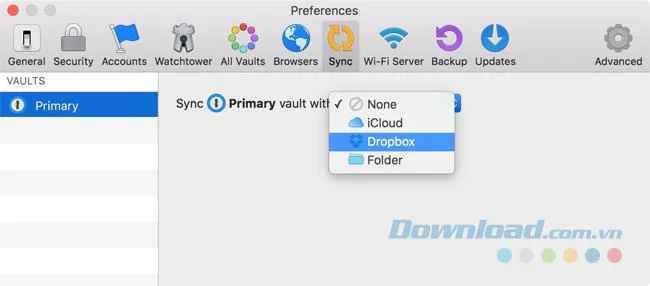
To sync with Dropbox on another Mac, you need to make sure you're logged in with the same Dropbox account and follow the same steps above.
If you open 1Password for the first time, select the option to sync with Dropbox and follow the onscreen instructions. If you already have 1Password set up:
To sync with other additional archives in Dropbox, do the following:
To sync Dropbox on other iOS devices, you need to make sure you sign in to the same Dropbox account and follow the same steps as above.
If you open 1Password for the first time, select the option to sync with Dropbox and follow the onscreen instructions. If you already have 1Password set up:
To sync Dropbox on other Android devices, you need to make sure you sign in to the same Dropbox account and follow the same steps as above.
Manage synchronization settings
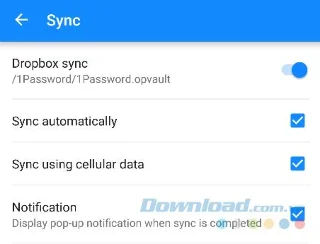
To change your synchronization settings in 1Password for Android, go to Settings> Sync . You will find many settings and options here:
When you first set up Dropbox in 1Password on iOS or Android, you will be asked to grant 1Password access to all files and folders in your Dropbox account. This is necessary because the repository can be located anywhere in your Dropbox account while 1Password only looks or touches your 1Password data.
Assign byte-based storage limits to new ownCloud Infinite Scale users by role, with a proxy.yaml example and a safe verification checklist.
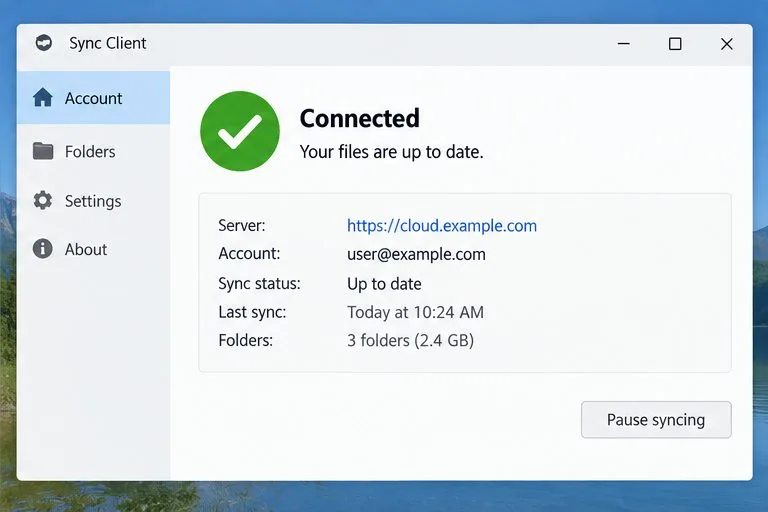
Restore ownCloud desktop syncing by checking the server hostname, certificate chain, private CA trust, and captive portal issues without disabling TLS verification.
Use the invalid-file report to identify mismatched core files or app signatures, restore the correct release files, and verify the integrity check safely.
Deploy ownCloud Infinite Scale from its official Compose example, configure domains and persistent storage, then verify TLS, containers, and first login.
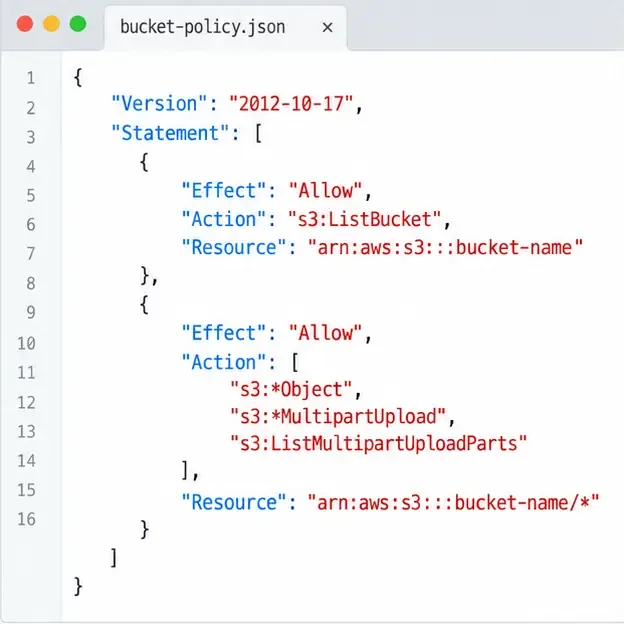
Set up the S3NG driver, bucket permissions, persistent metadata storage, and upload sizing so ownCloud Infinite Scale can store file contents reliably.
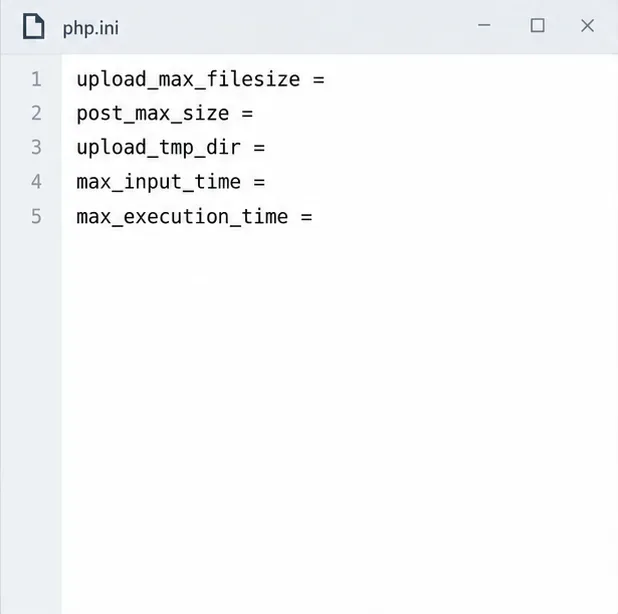
Find why an ownCloud Server upload stops near completion by checking file status, quota, temporary disk space, PHP limits, and proxy timeouts.
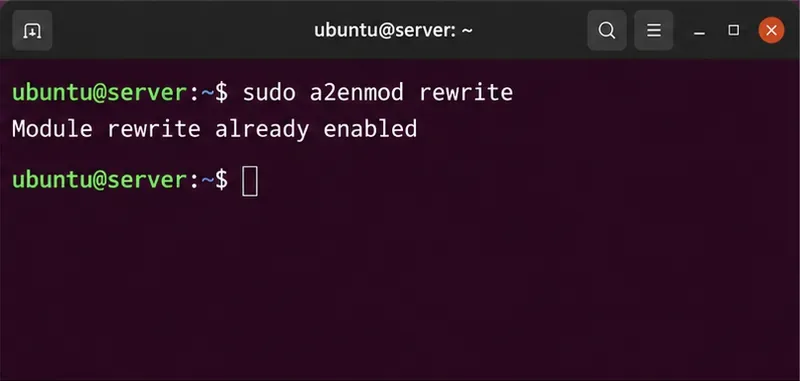
Set AllowOverride All only for ownCloud’s web root, validate the active Apache vhost, and reload safely to restore .htaccess rules.
Enable ownCloud’s Enterprise Auditing app, route admin_audit events to a protected log file, and confirm that real user actions are being recorded.
Align Keycloak’s realm issuer, web client, and user claims to let ownCloud Infinite Scale sign users in reliably across the web and mobile clients.
Transfer owned files and outgoing shares with ownCloud’s occ command, understand what stays behind, and verify access before deleting the old account.