Home
» PC Tips
»
Take 30 minutes to make Windows less annoying!
Take 30 minutes to make Windows less annoying!
Windows computers launching random applications on startup, switching network connections, locking the screen after a short period of inactivity, etc. are frustrating for many people. Make these changes to work more efficiently!
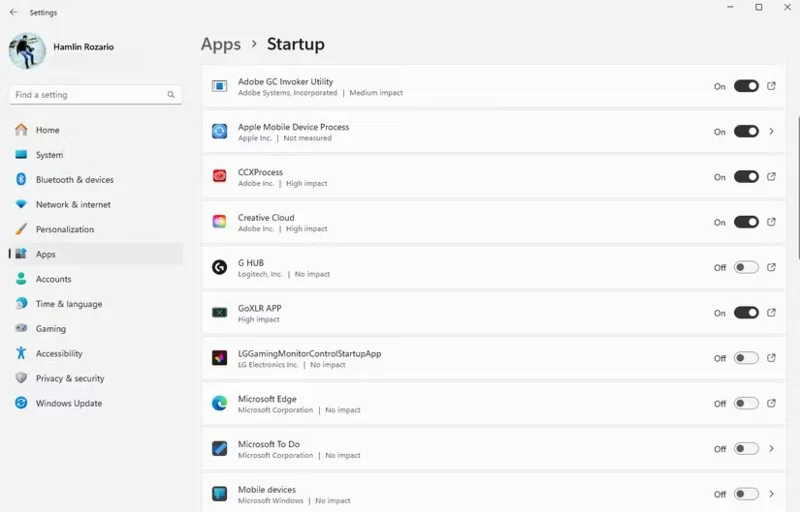
Your computer takes a long time to boot up because Windows launches a bunch of unnecessary applications every time you turn it on. While some of these applications are essential, most of them are applications that you rarely use. They slow down the boot process and bombard you with annoying pop-ups that you have to close every time you start up.
To fix this, remove all unnecessary applications from the startup list, keeping only a few important ones! Now, only the applications you need will launch when you start your computer and you will no longer have to deal with those annoying pop-ups. Your boot time will be greatly improved and you will no longer have to wait for minutes for your computer to be ready to use.
2. Choose your preferred default application
Set Notepad as the default text editor on Windows
Your computer will drive you crazy if it keeps opening files and tasks in random apps instead of the ones you like. It often opens images in Paint and PDFs in Microsoft Edge, and it decides which app to use for web links, music, videos, etc. It's partly your fault for relying on default settings.
Fix this by choosing your preferred default app for each file type. Set your preferred browser for web links, your preferred media player for audio and video, and your preferred PDF viewer for documents. Now files open in the right app and your workflow will be smoother. Finally, your PC will work the way you like it instead of letting Windows make the choices for you.
3. Change lock screen timeout
Change lock screen timeout settings
In the past, a few minutes of inactivity was enough to cause your laptop to lock itself, which was one of the most annoying things you could encounter. If you worked on an important file without moving your mouse, the screen would often lock, forcing you to log back in multiple times a day. Even stepping away for a moment wouldn’t save you.
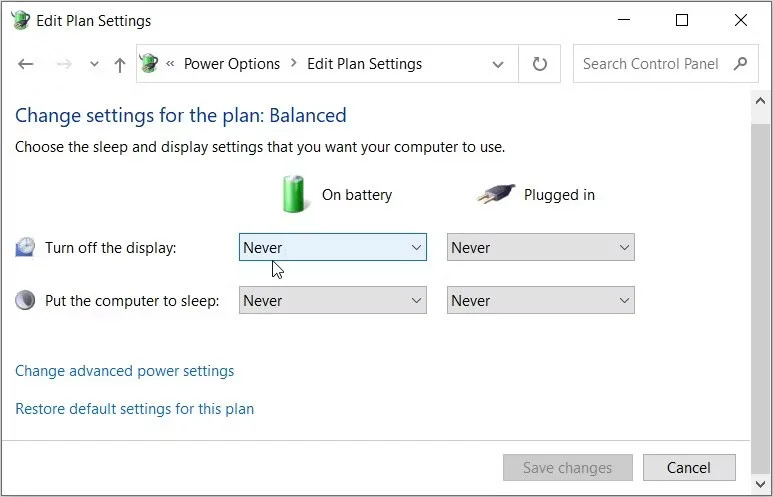
To fix this, adjust your lock screen timeout settings to give yourself more time before your PC locks. Now you can step away for short breaks without having to log back in constantly, which can greatly improve your productivity. However, avoid setting the timeout too long, as leaving your laptop unattended and unlocked can allow unauthorized access to shared settings.
4. Turn off automatic app suggestions and recommendations in the Start menu
Have you ever opened the Start menu and seen apps you never installed pinned there, so they start downloading when clicked? Likewise, have you seen recently created/downloaded files or installed apps in the Recommended section? These features used to clutter up the Start menu, making it difficult to find the apps you needed.
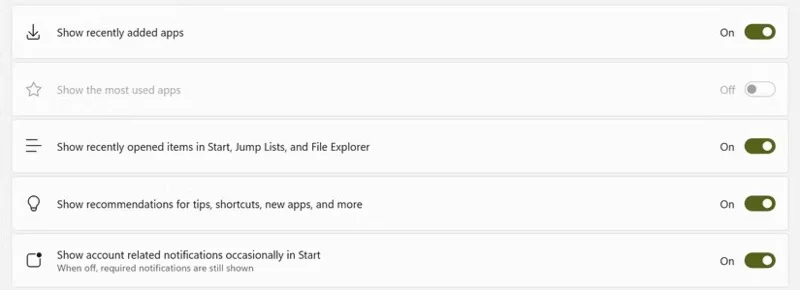
To prevent content from appearing in recommendations, go to Settings > Personalization > Start and turn off all the toggles.
Turn off the toggle for startup app suggestions and other options in the Settings app on Windows.
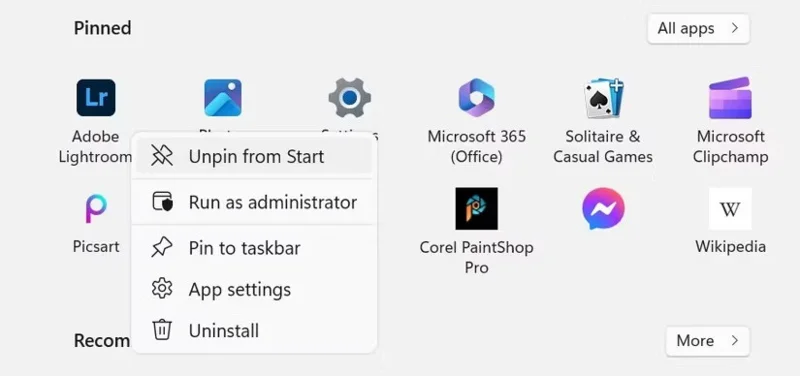
Then, unpin the suggested apps. Right-click the app and select Unpin from Start . You can do the same to keep the Start menu free of unnecessary apps.
Unpin an item from the Start menu on Windows.
5. Prevent Windows from automatically switching networks
By default, Windows is constantly searching for other network connections, even when connected to a specific network. If a higher priority network becomes available, it will automatically switch, disconnecting you from the current network. This often causes frequent interruptions during gaming sessions, calls, and file transfers.
To fix this, select your preferred Wi-Fi connection and turn off the option to let Windows search for other networks in the connection properties. Now, Windows will stay connected to the network you selected unless you decide otherwise. You can enjoy a stable connection without worrying about unexpected disconnections or interruptions.
6. Make UAC prompts less annoying
User Account Control (UAC) is designed to protect your operating system from unauthorized changes and malware. However, it is annoying because it constantly prompts you for permission whenever you want to install or modify software. While this feature is important for security, it is too often an interruption.
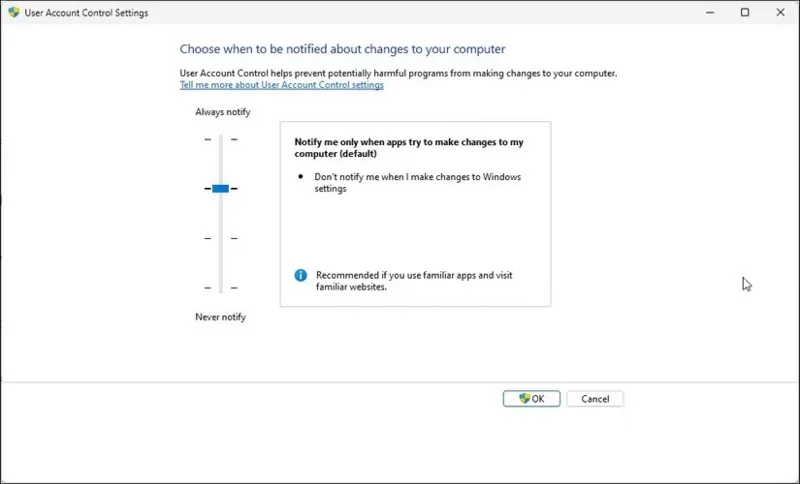
To make this feature less annoying, adjust the UAC setting from Always notify to Notify me only when apps try to make changes to my computer . This way, it won't appear when you modify Windows settings, cutting down on interruptions. Don't disable UAC completely, as doing so can leave your PC vulnerable to malware and low-integrity applications.
Adjust how often UAC appears in Windows.
7. Simplify right-click context menu
Many people’s right-click context menus are a chaotic mess of options that are mostly unused. These extra entries make the menu longer, bury useful options, and make them difficult to find without scrolling. It’s frustrating because you never intended those options to be there in the first place.
To fix this annoyance, simplify the context menu by removing unused items and disabling unnecessary options. Then it will be much more concise and easier to navigate.
Using the Context Menu Manager application allows you to customize separate right-click context menu options for desktop, files, folders, etc. You can also use any other tool with similar functionality.
8. Remove suggested search results
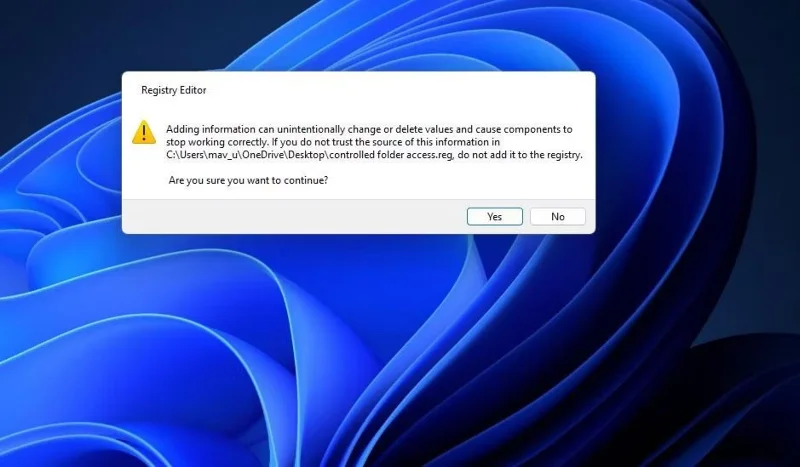
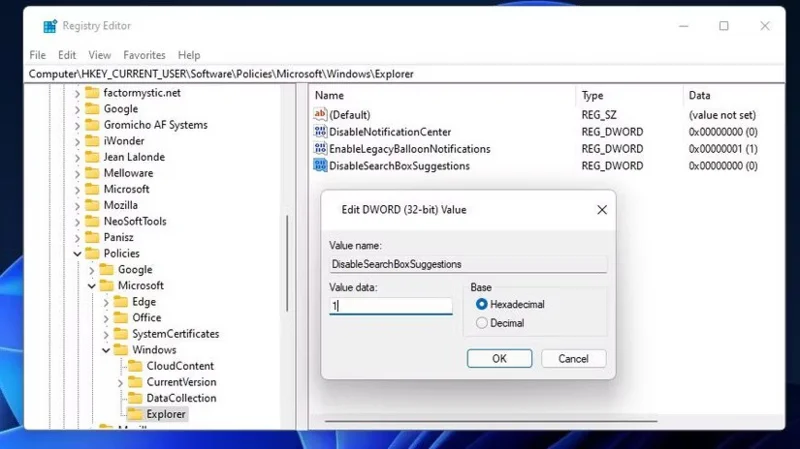
Disable search suggestions from Windows Registry Editor.
You may have noticed that Windows displays Bing search results in the Start menu, even when searching for a local file or app. These online suggestions clutter the results and slow down the search process. Worse, it used to give the impression that you had a local file or app, but clicking on it opened a web page.
To eliminate this annoyance, disable web search suggestions in the Start menu. Now, when you search for something, Windows will only show you local files and apps. This makes it easier to find what you need. It also makes the Start menu cleaner and speeds up Windows Search significantly.
With the many customization options Windows offers and the tweaks you can make through the Registry Editor, you can get rid of almost any feature that annoys you. That's how you can make your PC less annoying. If you find some of the default settings in Windows annoying, make the appropriate changes as above and see how much your productivity improves.