When to Start Decorating for Halloween in 2026

Use a simple 2026 Halloween decorating timeline for indoor décor, outdoor displays, and fresh pumpkins, with practical adjustments for weather and events.
Clickjacking tricks unsuspecting people into clicking on links that they think are harmless — but then download malware, harvest login credentials, and take over online accounts. Unfortunately, clickjacking malware can evade security protections, but there are ways to protect yourself.
What is Clickjacking?
Also known as UI redress attack, clickjacking is a form of interface-based attack that manipulates users into clicking on buttons or links that are disguised as something else.
Unlike phishing, where the victim is taken to a fake website designed to mimic a legitimate company's website, clickjacking takes the user to the real website. However, the attacker creates an invisible overlay on top of the legitimate website using HTML tools such as cascading style sheets (CSS) and iframes.
The invisible layer is created using an iframe, an HTML element used to embed a web page or HTML document into another web page. It is transparent, so it still looks like you are interacting with a legitimate website. However, if you click on a button on the website, play a game, or perform a task that you think is harmless, those clicks are applied to the invisible web page at the top. These clicks give hackers access to your account, allowing them to download malware, take control of your device, and perform other nefarious activities.
Sometimes, attackers disguise themselves as marketers and trick users into liking a social media page or post. This attack is called likejacking. The attacker sends the user an interesting video or “special offer,” and when the user clicks “Play” or interacts with the content, they accidentally click the hidden like button.
Another version of clickjacking, called cursor-jacking, tricks users with a custom cursor into clicking on links or parts of a website that the user did not intend to interact with.
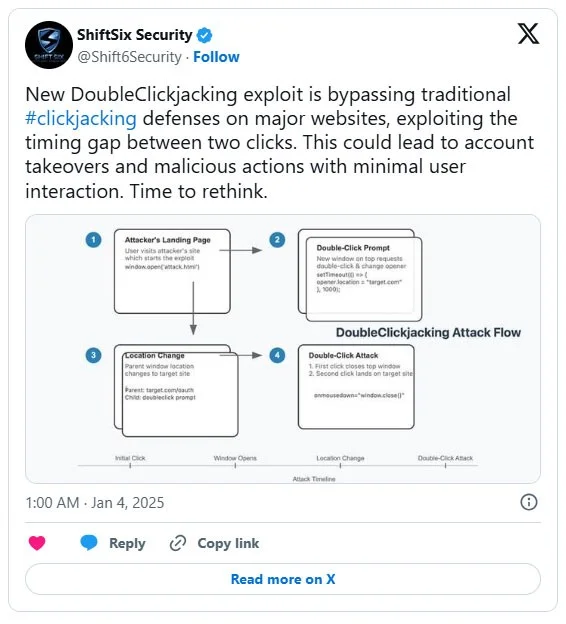
A more advanced variation of clickjacking called double clickjacking exploits the timing and sequence of users' double clicks.
Bypass antivirus and browser protection
What makes people worried about clickjacking is that it often bypasses antivirus and antimalware software. Because these attacks occur on reputable websites and don’t always involve downloading anything, traditional antivirus software may not detect them.
Most browsers have built-in protections, but as we all know, hackers are always looking for new ways to exploit users online. Most basic clickjacking attacks are effectively blocked – but not double clickjacking attacks.
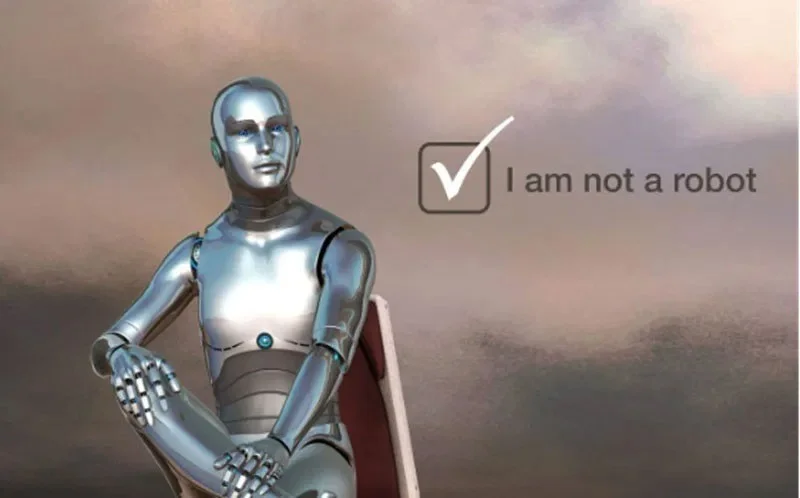
Instead of something malicious happening on your first click, the attacker’s code will insert a hijacked overlay before prompting you to click a second time. This could appear as a simple double-click to confirm the action or a nasty CAPTCHA. On the second click, you could accidentally install a plugin and give the attacker access to your account.
Currently, browsers may not detect this more sophisticated version because it doesn't use the usual iframe setup, leaving you at a higher risk of being a victim of clickjacking. This isn't limited to desktop browsers; mobile users are also targeted with double-tap prompts.
How Doublejacking Bypasses Clickjacking Protections
Many modern web browsers have built-in security protections to mitigate clickjacking. However, a sophisticated version called “double clickjacking” can bypass traditional protections by exploiting the sequence between two clicks to take over accounts or perform unauthorized actions.
In a double clickjacking attack, malicious elements are inserted between the user's first and second clicks. First, you are taken to an attacker-controlled website and presented with a prompt, such as solving a CAPTCHA or double-clicking a button to authorize an action. The first click closes or changes the top window (overlay CAPTCHA), causing the second click to go to the previously hidden authorization button or link. The second click authorizes malicious plugins, causing the OAuth application to connect to your account or approve a multi-factor authentication prompt.
What you can do to protect yourself
Clickjacking techniques are sophisticated and designed to trick and steal your clicks, but there are a few things you can do to protect yourself.
Attackers often take advantage of your trust in legitimate websites and basic actions we often do without thinking, like double-clicking. Always slow down and think before you click to protect yourself.
Use a simple 2026 Halloween decorating timeline for indoor décor, outdoor displays, and fresh pumpkins, with practical adjustments for weather and events.
Mix five vivid, approachable Halloween cocktails with measured recipes, simple prep tips, and an alcohol-free option for your party guests.
Find 15 office-friendly Halloween costume ideas for 2026, with practical checks for dress codes, respectful themes, comfort, and workplace safety.
Plan a fun elementary school Halloween party with easy crafts, games, inclusive treats, costume tips, and a sample 75-minute classroom schedule.
Compare realistic side hustles for 2026 by startup cost, fees, flexibility, and income control, with current tax and scam guidance from official sources.
Upgrade your home office ergonomics with current OSHA and NIOSH guidance on chair fit, monitor height, laptop setup, lighting, and movement.
Learn why emotional intelligence matters in leadership, where it helps most, how to strengthen it, and how to tell whether your approach is working.
A practical roadmap for moving into tech without a degree: choose an accessible role, build job-ready skills, prove them with projects, and use hiring feedback to improve.
Build a credible LinkedIn personal brand in 2026 with current profile, content, newsletter, analytics, verification, and visibility guidance from LinkedIn.
Quiet quitting and quiet firing are catchy labels, not diagnoses. Learn what is verified, what depends on context, and what employees and managers can do next.








