Leftover Halloween Candy and Pumpkins: What to Do Next

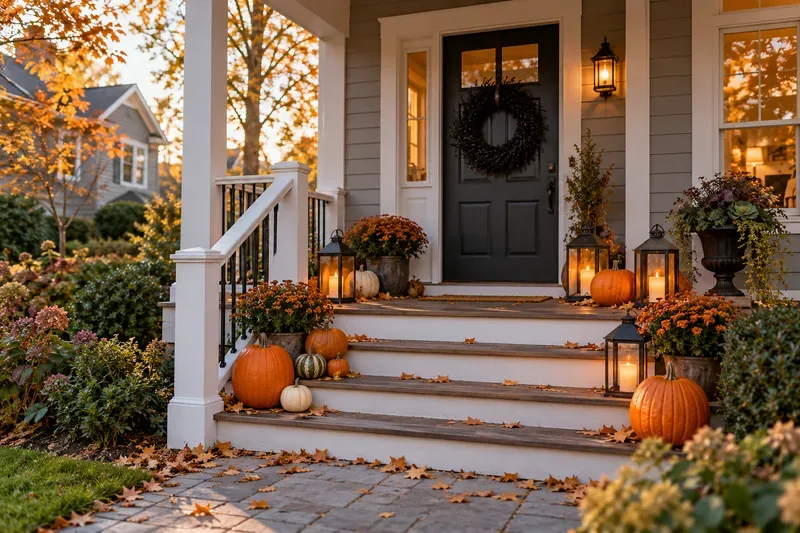
Sort leftover Halloween candy safely, share or repurpose sealed treats, and choose food use or compost for pumpkins based on their condition.
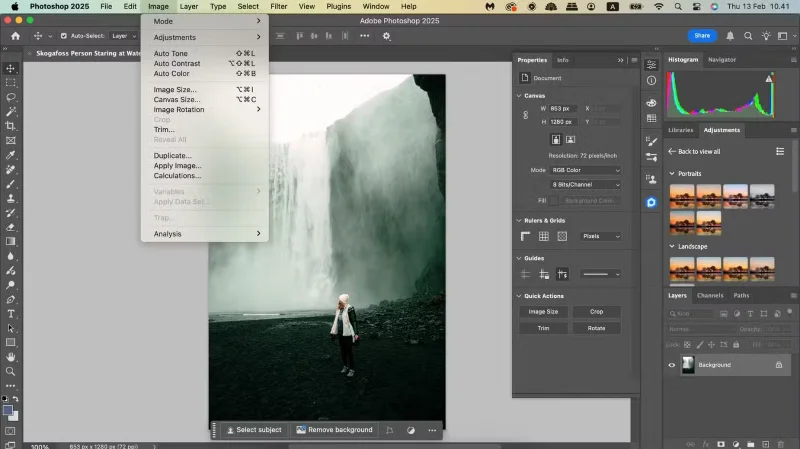
Lightroom and Adobe Photoshop are two of the best photo editing tools, but while many professionals use both together, you only need Lightroom if you're an amateur photographer. Using both is often overkill.
Table of Contents
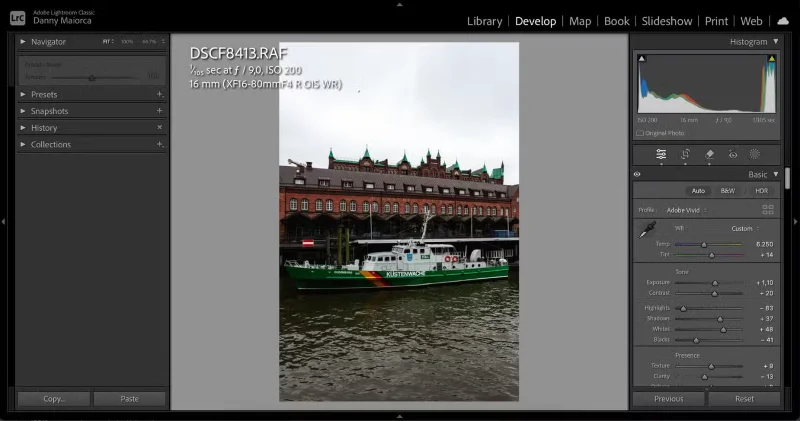
Many Photoshop editing features are available in Lightroom. For example, you can adjust shadows, contrast, highlights, and saturation.
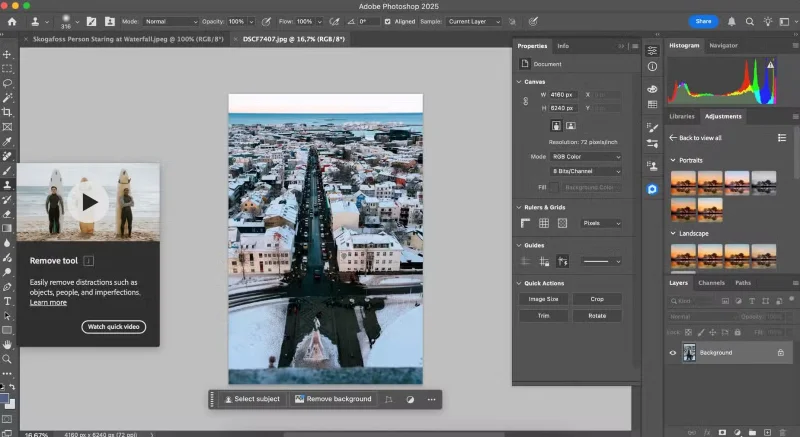
Since many of Photoshop’s features are similar to Lightroom’s, using both apps can lead to over-edited photos. If you have to use both apps, you should use Photoshop for editing. However, you’re better off doing most of your editing in Lightroom.
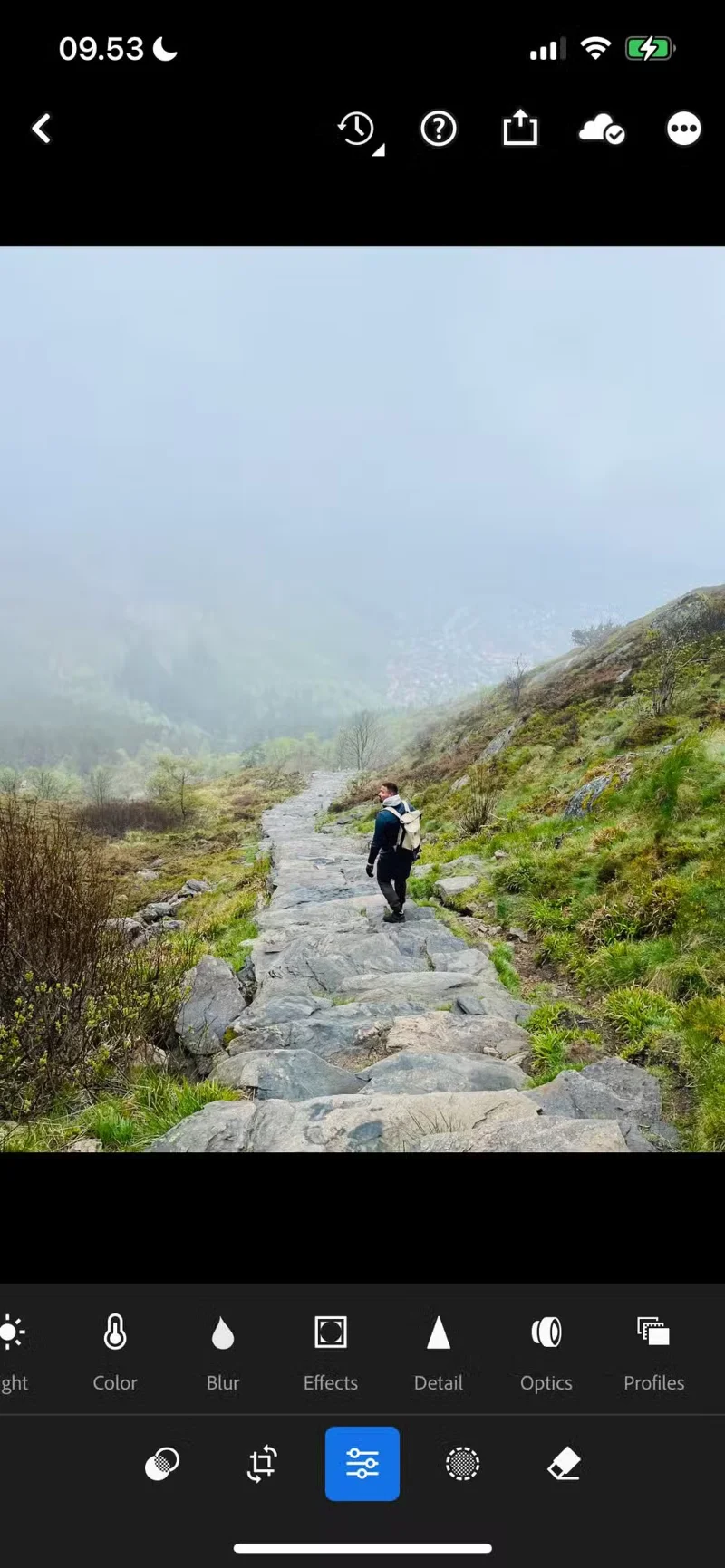
Even when editing, you can still find blemish remover and other tools to remove unwanted blemishes in Lightroom.
Photoshop has automatic tools to improve tone, contrast, and color, but Lightroom's auto-enhancement tools are all you really need.
You can automatically adjust your entire image in Lightroom; while it’s not 100% accurate, it usually provides a solid base. You can also adjust white balance, which, when combined with manual work, can help you achieve perfect white balance in your photos.
It’s common for beginners to feel the need to use every feature in a photo editing app, but this will only lead to worse edits. You’ll also be less productive and feel more overwhelmed. The way many people use Camera Raw is a prime example of this.
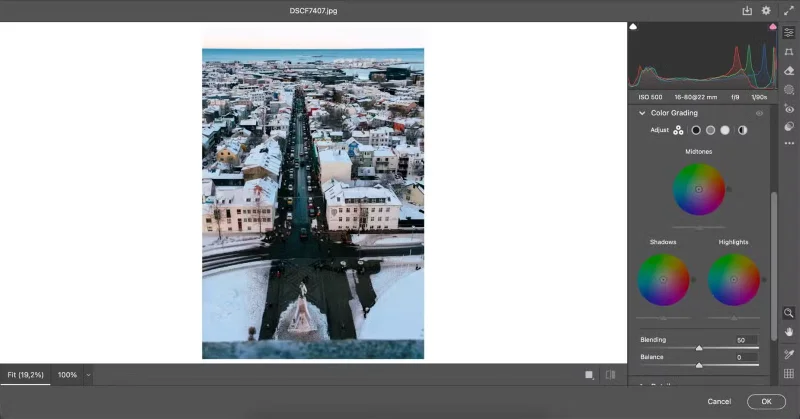
Camera Raw is almost identical to Lightroom Classic. You get calibration, color grading, and basic editing tools. Some photographers will use both tools, though (but it doesn’t make a huge difference).
Instead, you should choose one or the other. If you like the look of Photoshop, use Camera Raw. Otherwise, do the majority of your editing in Lightroom.
Photoshop has become less bloated. However, it is still overwhelming for many photographers. It can have too many features for the average photographer. While Lightroom is also comprehensive, it doesn’t take as long to learn as Photoshop.
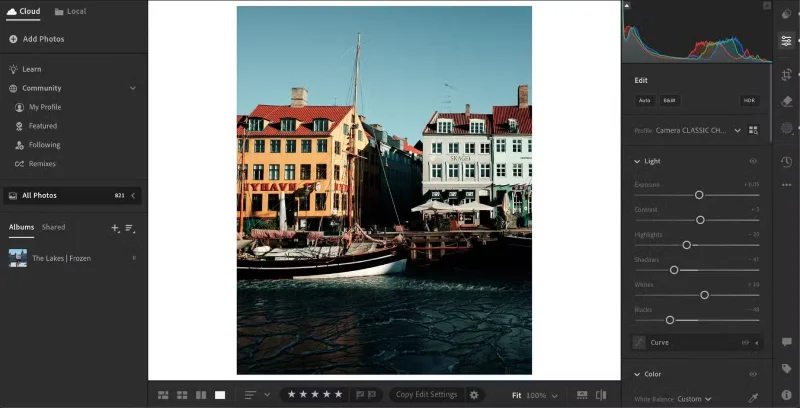
Lightroom CC is especially beginner-friendly. You can also edit seamlessly across mobile and desktop.
While you can open Lightroom CC files in Photoshop, transferring files from Lightroom Classic takes a bit more time. First, you need to save the image. Then, you need to open Photoshop and import the file into it.
Over time, this process becomes tedious. It’s especially pointless if you’re using Photoshop features that are available in Lightroom. While you may feel more professional using both apps, streamlining the process is better for editing tasks.
Photoshop Express is good for smartphone photo editing, but the web version is pretty poor. The auto-enhance features aren't as good, and other than removing blemishes, there's really no reason to use Photoshop for smartphone editing.
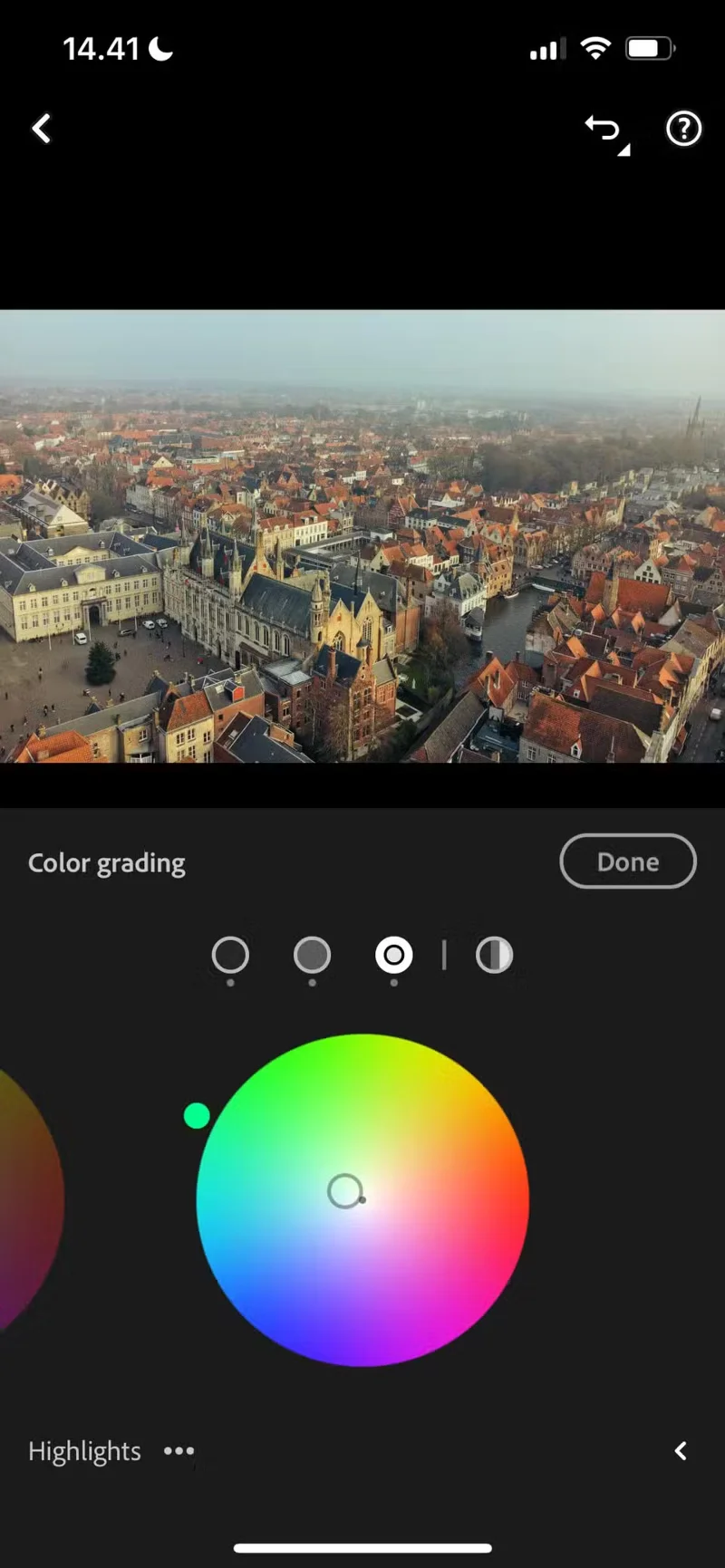
Lightroom, on the other hand, is pretty good. Many of its presets actually work better on smartphone photos, and color grading adds a nice finishing touch. It’s great for removing chromatic aberration and making lens corrections.
If you are an amateur photographer, choose Lightroom or Photoshop for editing rather than both. Lightroom is a better all-rounder and its interface is easier to navigate, so you should start with that app and move on to Photoshop later if needed.
Sort leftover Halloween candy safely, share or repurpose sealed treats, and choose food use or compost for pumpkins based on their condition.
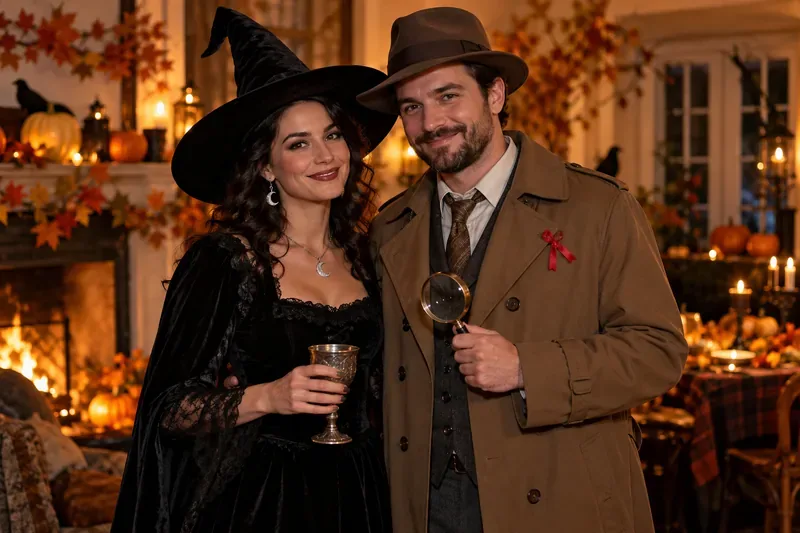
Compare workplace Halloween costume choices by respect, dress code, mobility, and safety—and learn when a subtle accessory or a policy check is the better option.
Find a couples costume that fits your style, budget, and comfort level, from Addams Family classics to original inside-joke duos.
Need a last-minute high school Halloween costume? Compare 10 easy closet-based ideas by prep time, comfort, school-day practicality, and simple safety checks.
Use a simple 2026 Halloween decorating timeline for indoor décor, outdoor displays, and fresh pumpkins, with practical adjustments for weather and events.
Mix five vivid, approachable Halloween cocktails with measured recipes, simple prep tips, and an alcohol-free option for your party guests.
Find 15 office-friendly Halloween costume ideas for 2026, with practical checks for dress codes, respectful themes, comfort, and workplace safety.
Plan a fun elementary school Halloween party with easy crafts, games, inclusive treats, costume tips, and a sample 75-minute classroom schedule.
Compare realistic side hustles for 2026 by startup cost, fees, flexibility, and income control, with current tax and scam guidance from official sources.
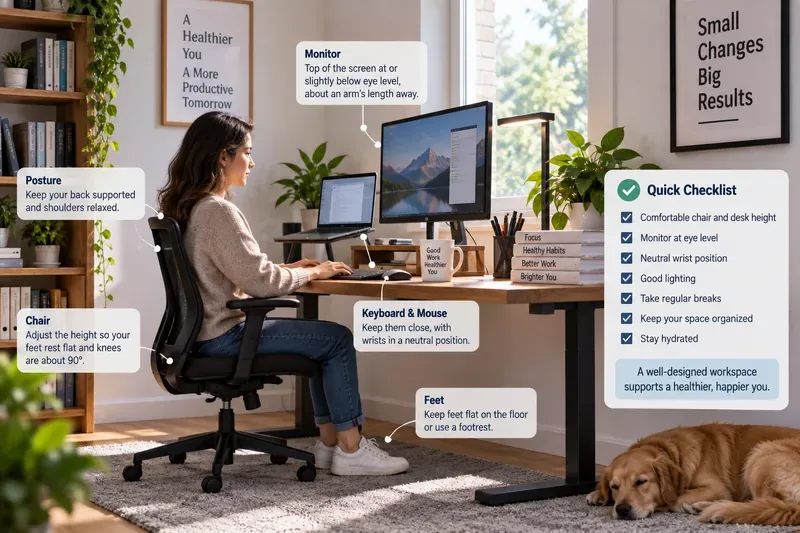
Upgrade your home office ergonomics with current OSHA and NIOSH guidance on chair fit, monitor height, laptop setup, lighting, and movement.