Save LibreOffice Documents Directly to Nextcloud with WebDAV
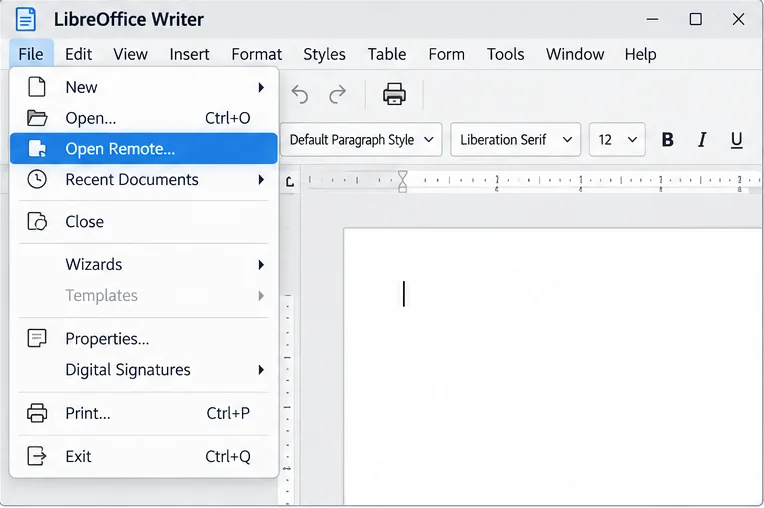
Connect LibreOffice to Nextcloud over WebDAV, save the server copy with Ctrl+S, and understand how AutoRecovery differs from cloud syncing.
Windows 11 can handle many different power states. Here's how to check the supported power status on a usable Windows 11 computer.
Most PC users know the common power states such as On, Off, Sleep and Hibernate. However, computers can handle power in many ways. Understanding these power states can help you understand how your PC works and provide you with some more useful ways to use your computer.
However, not all power states are available on the computer. You need to check the available power status based on the hardware.
How to check available power status in Windows 11
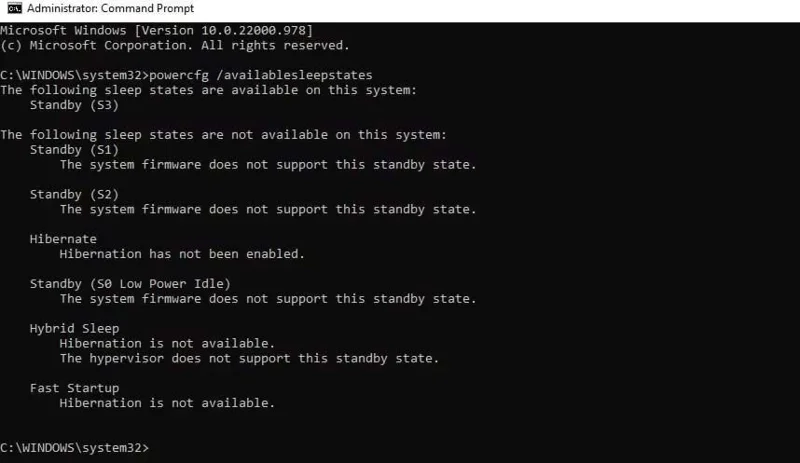
You can find the available power statuses on your computer using Command Prompt.
powercfg /availablesleepstatesYou will see two lists of power statuses. One is the list of supported power states, the other is the unsupported power states.
All Windows 11 power states
S0: Working State
S0 represents working status. This is the state of the computer when you can use it.
S0 Low-Power Idle: Sleep (Modern Standby)
Modern Standby is an upgrade to the S3 source model. It allows you to turn on devices faster than S3, providing a seamless experience when using a modern device. This mode is typically supported on System on Chip (SoC). However, there are still exceptions. If your computer supports S0 low power idle mode, it will not support S1, S2, or S3 mode.
S1, S2, S3: Sleep Power States
The “Sleep” state is where one or more components on the computer are turned off or go into low power mode.
Sleep power state S1 stops the CPU, the rest of these components are turned off or continue to run in low power mode, and RAM maintains power.
The sleep power state S2 stops providing power to the CPU, other components are turned off or continue to run in low power mode, and RAM maintains power.
S3 is a standby state where the CPU has no power, but RAM maintains power and refreshes it at a low rate. Other hardware components such as hard drives and fans will temporarily stop operating.
Your device may also support “Hybrid sleep” mode. Here, you can save this session. If the computer loses power while in sleep mode, you can continue what you just left off.
S4: Hibernate
This mode is different from Sleep because hibernation saves the contents of RAM and operating system state to the hard drive and turns off the power of all connected devices. When you turn your computer back on, you can directly start work from where you left off before going into hibernation.
S5: Soft Off Power State
S5 is the “soft off” state. Only components like the power button have a trickle of current. No other components draw power in this state, and the computer is not performing any computational tasks.
G3: Mechanical Off
Shutdown state is also the state where the computer is completely turned off like in S5. However, the power supply is completely removed via a mechanical switch. No power to any hardware components, including the power button. This state is usually only necessary when you want to disassemble the computer. Note that the real-time clock can still continue to run using a small battery.
Above are the things you need to know about the power status on your computer . Hope the article is useful to you.
Connect LibreOffice to Nextcloud over WebDAV, save the server copy with Ctrl+S, and understand how AutoRecovery differs from cloud syncing.
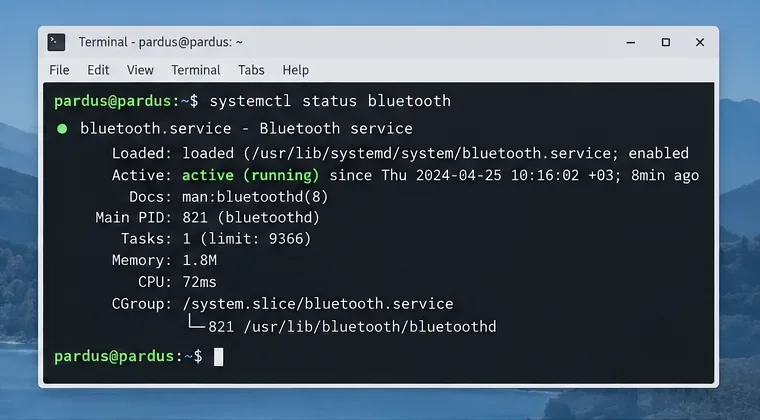
Find out whether Pardus 23 is blocking Bluetooth, missing BlueZ, or failing to detect adapter firmware, then confirm the controller works.
Learn how Gooroom separates trusted and untrusted browsing, what users can change, and how an administrator can safely update site policies.
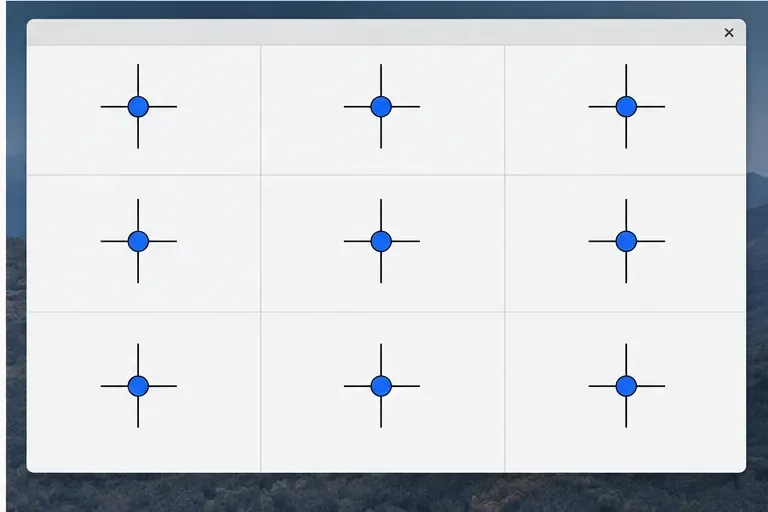
Diagnose rotated, offset, or inconsistent touch input on a Harmonica OS tablet and choose a Linux calibration method that fits its session and driver.
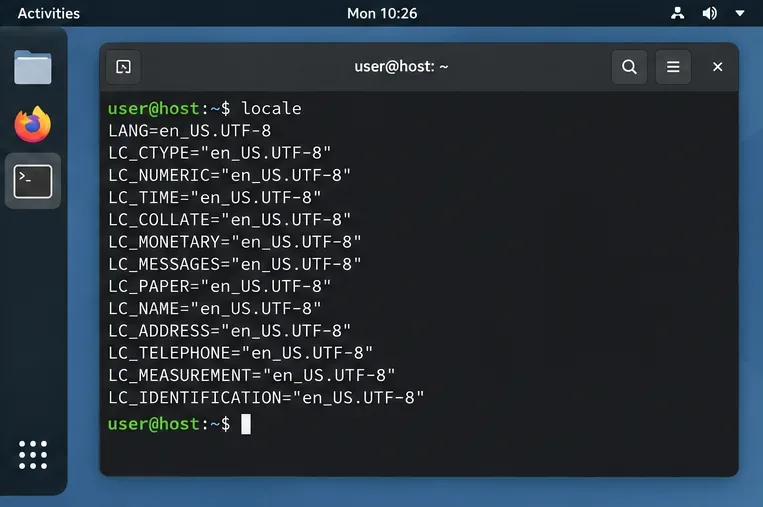
Switch Gooroom’s desktop session to English, verify the locale, and identify when untranslated Korean labels need an app update instead.
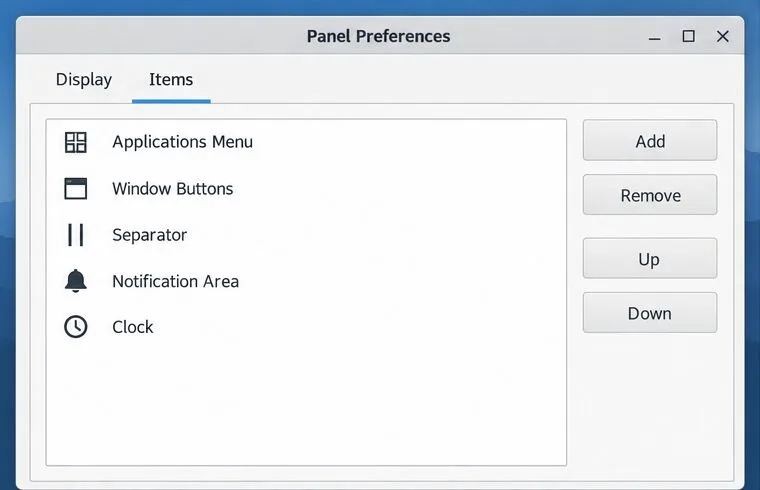
Arrange Pardus XFCE as a familiar bottom taskbar with an app menu, pinned launchers, open-window buttons, and a system tray.
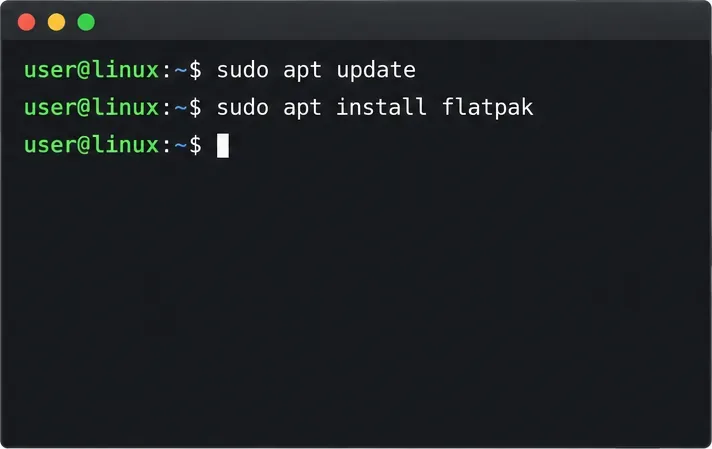
Check your Gooroom release and administrator rules, then follow the official Debian-based setup path for Flatpak or Snap without bypassing system controls.
Learn what Pardus Image Writer can do, how to prepare installation USB safely, and which tools fit custom live images or repeatable fleet deployments.
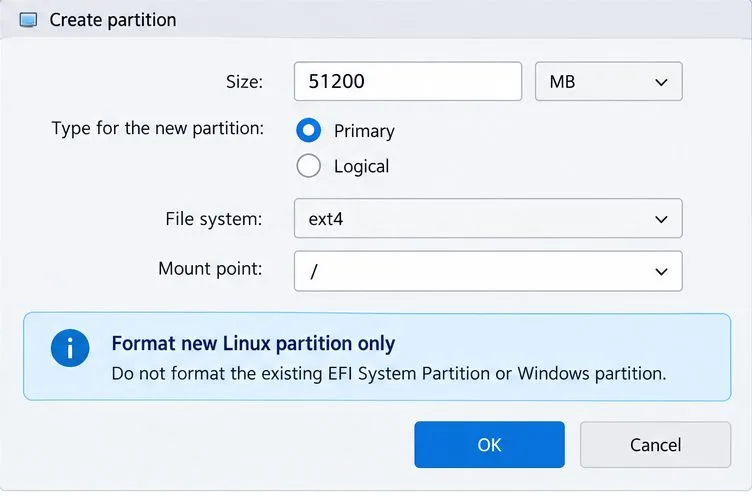
Install Pardus alongside Windows 11 by shrinking the Windows volume, using unallocated space, and preserving the existing EFI System Partition.
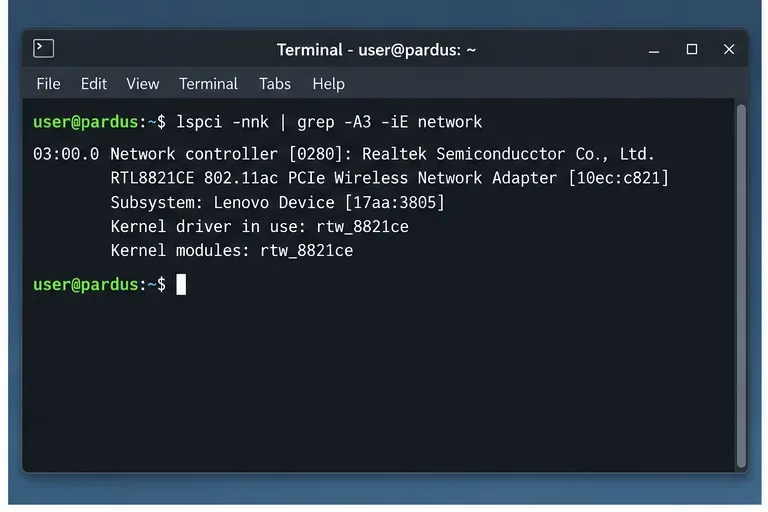
Identify the RTL8821CE, install Pardus-supported Realtek firmware, and verify the driver, Wi-Fi scan, and next troubleshooting step.