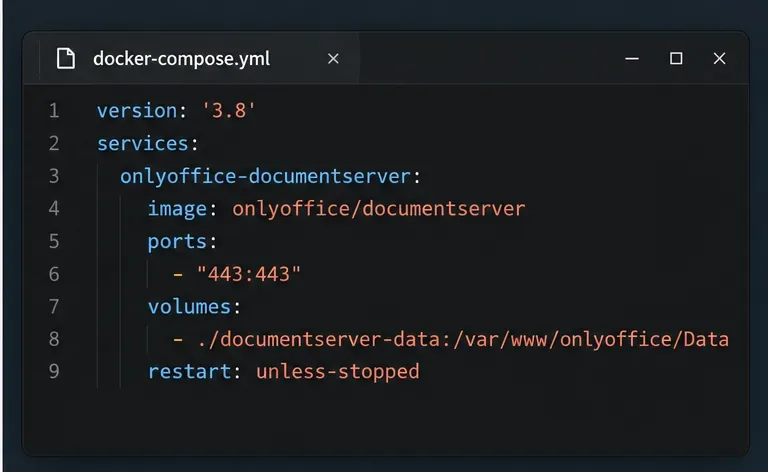
Stop Unwanted Printing and Downloads in ONLYOFFICE
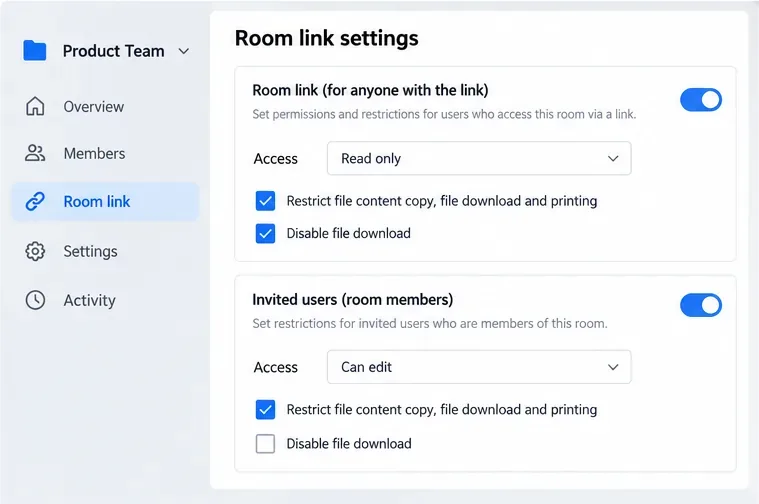
Set print and download limits for ONLYOFFICE links, room members, or Docs API sessions, then verify the restrictions from a recipient account.
Command Prompt is a Windows utility that lets you give system instructions. It can automate many tasks, handle problems, and perform all kinds of functions. The following article will share you with 12 useful Command Prompt mastering on Windows 10 , including changing colors, executing multiple commands, getting help with any command and more.
To open the Command Prompt, simply type cmd in the system search bar and open the relevant results. Alternatively, you can press Windows key + R , type cmd in the Run dialog box, and press Enter to launch the Command Prompt. Now let's start exploring the following 12 useful Command Prompt tips:
You can launch the Command Prompt in standard mode or administrator mode. Some commands will only work in the 2nd mode. So maybe you should use that mode often.
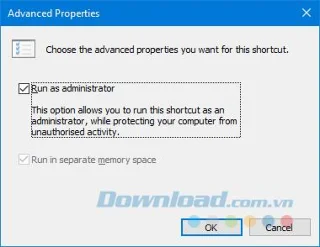
To have a Command Prompt command that is always open as an administrator, you will need to use a keyboard shortcut. Enter cmd in the system search bar, right-click the result and select Send to> Desktop (create shortcut).
Then, right-click on the new shortcut and select Advanced , then place a checkmark in the Run as administrator . Finally, click OK twice and you're done.
If you press Windows key + X , you will launch a powerful user menu. It gives you quick access to things like Device Manager , Disk Managerment and Task Manager . It also lists the Command Prompt , but you can have Windows PowerShell instead.
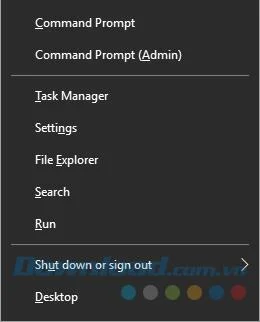
The process of converting this is very easy. To get started, press Windows key + I to open Settings. Navigate to Personalization> Taskbar . Set Replace Command Prompt with Windows PowerShell in the menu when I right-click the start button or press Windows logo key + X to Off . You should now see the Command Prompt in the list.
Before Windows 10 build 14986, pressing Shift + right-clicking inside a folder will provide the option to Open command window here . This will then open the Command Prompt with the path already set for the directory you specify.
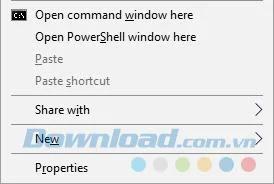
However, this has been replaced with Open PowerShell window here because Microsoft tries to move people away from the Command Prompt. Because Windows 10 has automatic and mandatory updates, you have no choice in this matter.
If you want to copy any text, just press Ctrl + M to enter highlight mode. Right-click and drag to highlight the text you want and press Ctrl + C or Enter to copy it to your clipboard. You can press Esc at any time if you want to leave marker mode. To paste, press Ctrl + V .
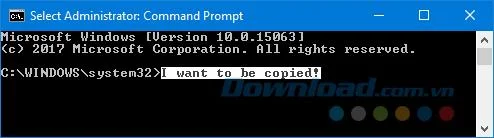
Think the process is too cumbersome? Right-click on the Command Prompt title bar > Properties . Switch to the Options tab and check QuickEdit Mode and click OK . Now you don't need to press any key before you can highlight text.
If you have entered a previous command that you want to reuse, use the up and down arrow keys on your keyboard to move between them. This is handy if you keep executing the same commands or want to correct a mistake in what you have just sent.
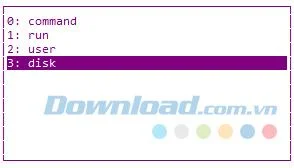
You can also use the right arrow key to enter the previous command character by character. This can be helpful if you need to enter many open commands at the same time. Alternatively, press the F7 key to see a list of your previous entries, use the up and down arrow keys to navigate, and press Enter to select or type doskey / history to export it in the Command Prompt.
It can be quite tedious to write down a directory or file path name in the Command Prompt. However, you do not need to waste time, because there is a much faster way.
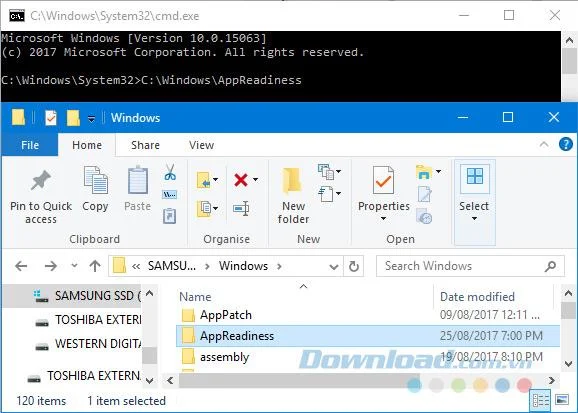
You navigate to the folder or file you want in File Explorer . Then left-click and drag it to the Command Prompt window. The link will appear shortly after.
Is there a command you can't remember how to use or what it is for? No problem, you just added /? Click on the command and you will have information about that command, such as the options you can use and some examples.
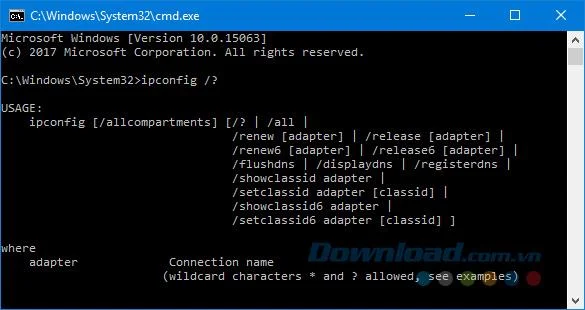
For example, if you want information about the ipconfig command , add ipconfig /? .
You can press the Tab key to automatically complete the command. This is useful when you do not know the full name of the command or to save time. For example, instead of entering a full path, simply press Tab and it will be automatically completed.

If what it serves is not what you need, then you just need to hold Tab to move through the options. Alternatively, press Shift + Tab to reverse through the options.
If you want to save the output of the Command Prompt, you can copy and paste it into an office editor and save it. But you can make this process faster and all in Command Prompt.
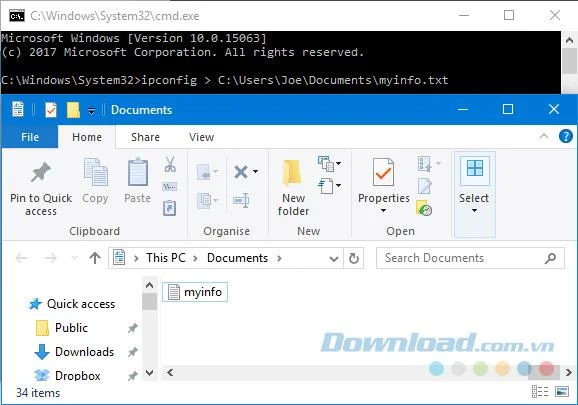
To do so, enter the command followed by the > sign and the file you want to export. For example, to export ipconfig to a text file in My Documents , enter ipconfig> C: \ Users \ Joe \ Documents \ myinfo.txt.
You can also export the clipboard to be ready to paste it anywhere by typing your command followed by | clip . For example, ipconfig | clip .
If you sent a command that you want to stop it, just press Ctrl + C . This operation will terminate the command until the time it wants. This means the operation will not reverse what the command did, but will prevent it from continuing any further.
You will find a number of commands that will complete before you have time to press that key, but this is useful for commands that are not completely out of the Command Prompt.
If there are multiple commands that you want to use then you do not need to enter each turn and wait for them to complete. Instead, you can separate commands with && .
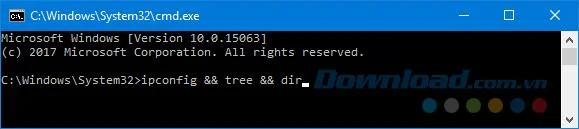
For example, if you want to export both ipconfig and tree then enter ipconfig && tree . You can do this for the number of commands you need as it is not limited.
The default black and white appearance of the Command Prompt is iconic, but it doesn't matter if you mix a bit. To start customizing the interface, right-click the title bar of the Command Prompt and select Properties.
Start with the Font tab . Here you can change the Size and Font used. You should use the TrueType font (indicated by the colorful TT icon ) to make it clearer.
Move to the Layout tab . Here you can change the size and position of the Command Prompt window. In fact, it's easier to do this on the window itself than by using the ability to drag the sides of the window and move with the default Windows Taskbar .
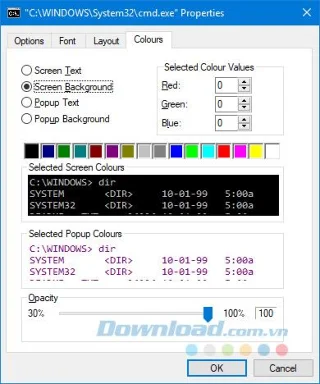
Finally, go to the Colors tab . You use the radio buttons to select what you want to change the color, then click a color to set, or enter the red, green and blue values. The Opacity slider will adjust the entire Command Prompt window - set it to 100% if you don't want the opacity.
The above are 12 useful tips for you to master the Command Prompt. Hopefully with this article, you have learned new information to make the most of this utility on Windows 10.
Set print and download limits for ONLYOFFICE links, room members, or Docs API sessions, then verify the restrictions from a recipient account.
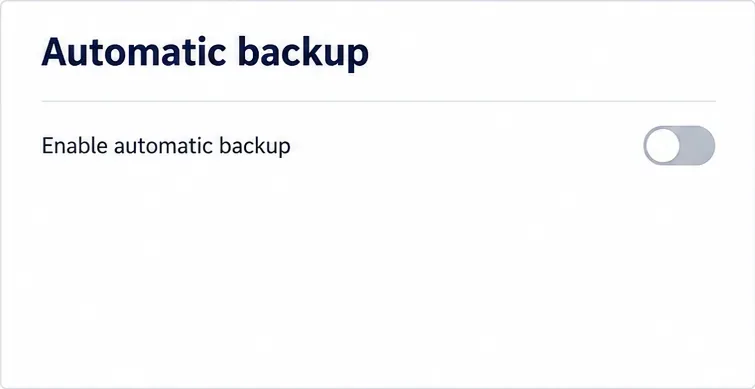
Set a backup destination, schedule, Mail coverage, and retention limit in ONLYOFFICE Workspace, then verify the archive is ready to restore.
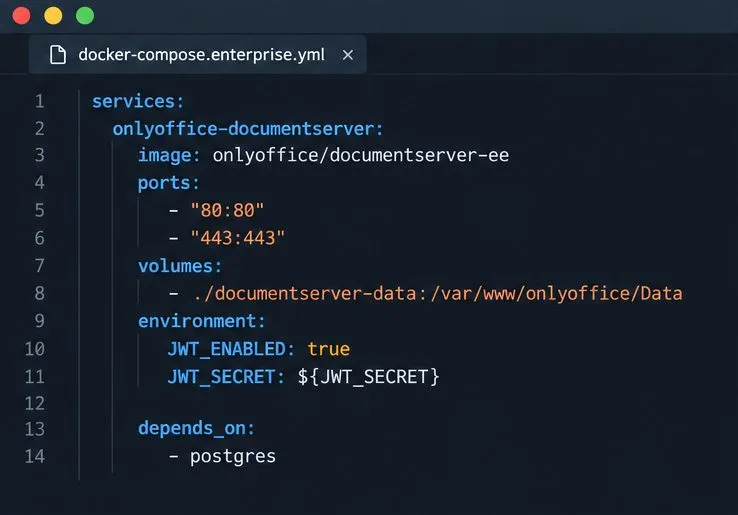
Start the Enterprise Docker Compose stack, persist its license and data, configure JWT safely, and confirm the editors are ready to integrate.
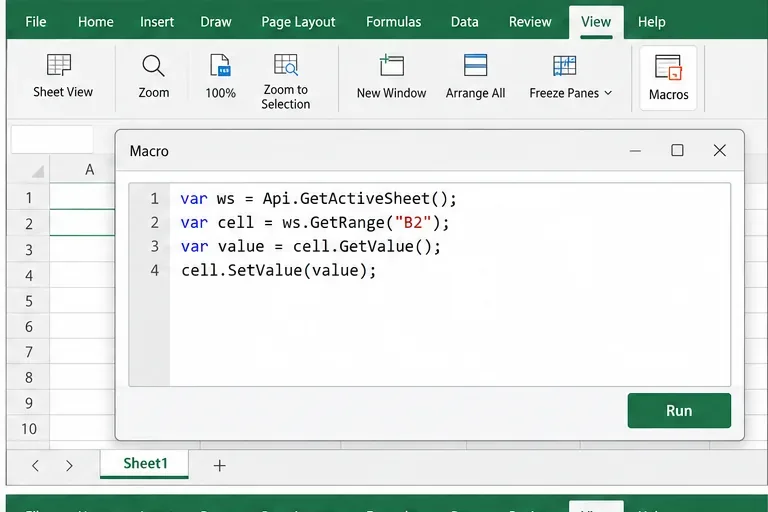
Use an ONLYOFFICE JavaScript macro to remove nonprinting characters and trim extra spaces from a defined spreadsheet range, with a safe review workflow.
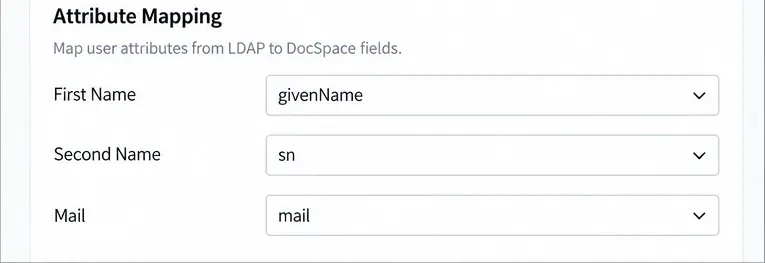
Connect ONLYOFFICE DocSpace to Active Directory or OpenLDAP, import users and groups safely, map account fields, and schedule reliable synchronization.
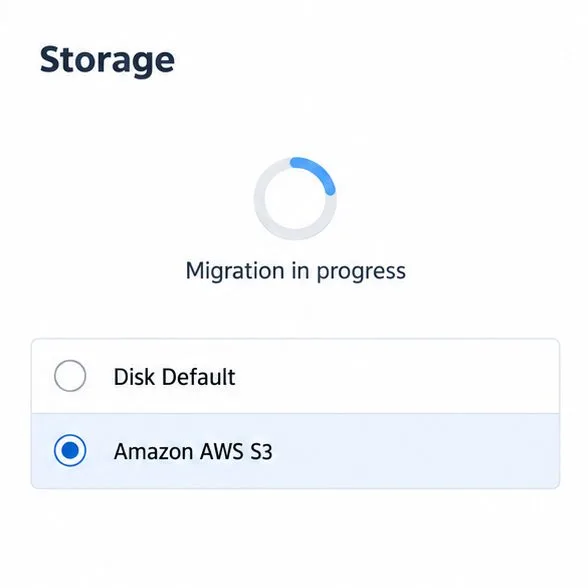
Move portal data from Disk Default to a supported cloud storage provider, or relocate Docker data safely by changing its host volume mapping.
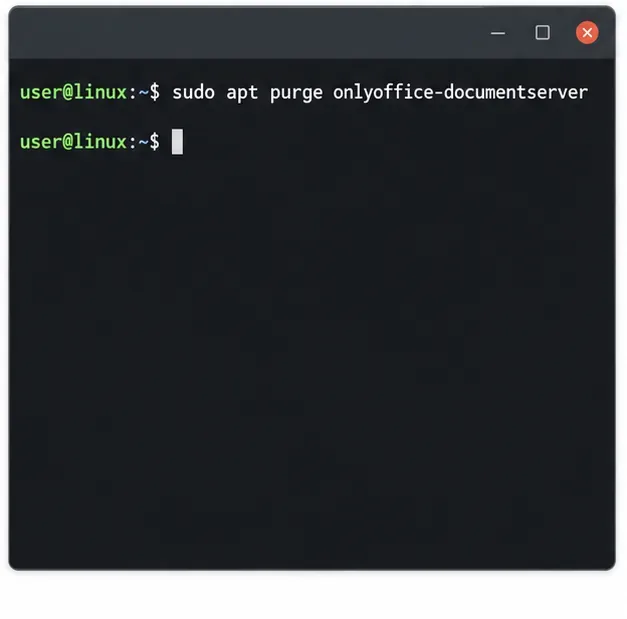
Identify whether Document Server uses a Linux package or Docker, remove only its components, and check remaining data without deleting shared services by mistake.
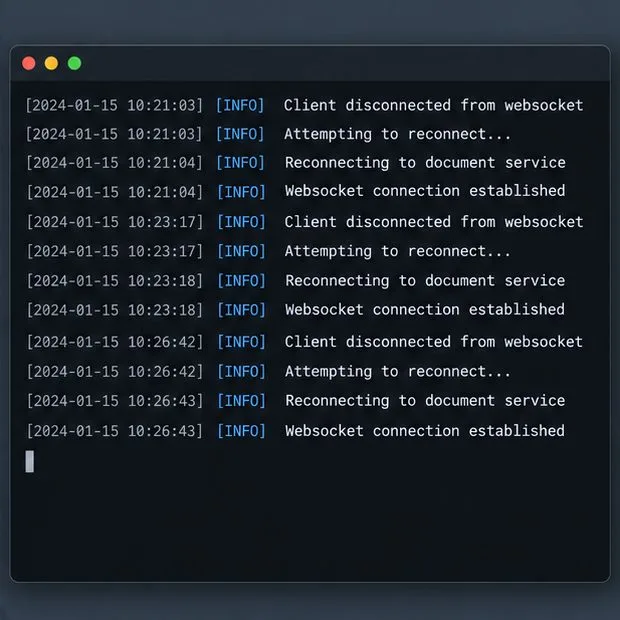
Trace slow collaborative editing to Docker resource pressure, proxy connections, or document load, then choose the fix that matches your measurements.
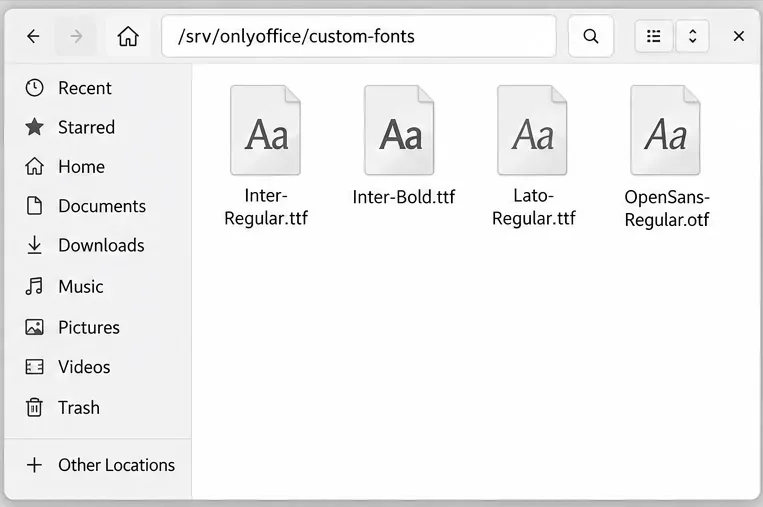
Install custom fonts in ONLYOFFICE Document Server, compare persistent Docker mounts with direct copies, rebuild the font list, and verify the result.
Choose where TLS should terminate, mount a trusted certificate and private key safely, and verify HTTPS access to a Dockerized ONLYOFFICE Docs server.