When to Start Decorating for Halloween in 2026

Use a simple 2026 Halloween decorating timeline for indoor décor, outdoor displays, and fresh pumpkins, with practical adjustments for weather and events.
Imagine being able to instantly find any file on your computer with just a few keystrokes! File Explorer offers powerful search tricks that make locating files a breeze.
Table of Contents
File Explorer includes useful filters that can help you refine your search and locate files more efficiently. If you have a general idea of the file type, last modified date, or even approximate size, these filters can significantly narrow down your search results.
For example, if you're looking for a specific file format, you can use the kind: filter followed by the file type, such as kind:document for a text file or kind:image for an image. If you remember when you last modified a file, the datemodified: filter lets you search by date, such as datemodified:last week or datemodified:03/15/2024.
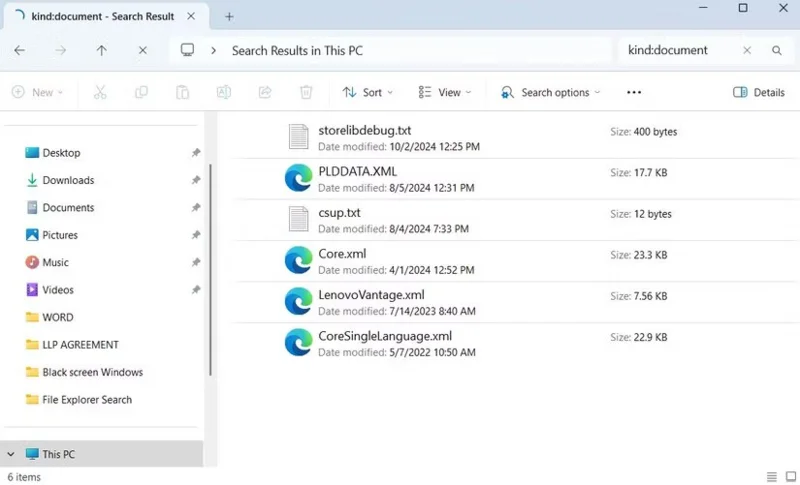
If you're trying to find large files on your PC to free up storage space , you can use the size: filter with parameters like size:>50MB to find files larger than 50MB or size:tiny to find very small files under 10KB. You can even use these filters together, like kind:image ext:.png date:last week to find all PNG images saved or edited in the last week.
These are just a few examples; there are many search filters that can help you find files quickly in Windows. If you don’t want to remember them, you can also click the Search options menu after entering your search query.
In addition to filters, you can also use search operators to refine your search. For example, if you want File Explorer to only show results that match an exact phrase, you can enclose that phrase in quotation marks, like " project report ".
Similarly, you can exclude certain terms using the minus sign. For example, report -2024 will display files containing report in the name while ignoring any files containing 2024.
Wildcards can also be useful when you're not sure about part of a file name. Using the asterisk (*) allows for flexible searches. For example, audit* will return files that start with "audit" , such as audit1.docx and audit_final.docx . Similarly, if you type *.docx , File Explorer will list all files that end with ".docx" , such as report.docx and report2024.docx .
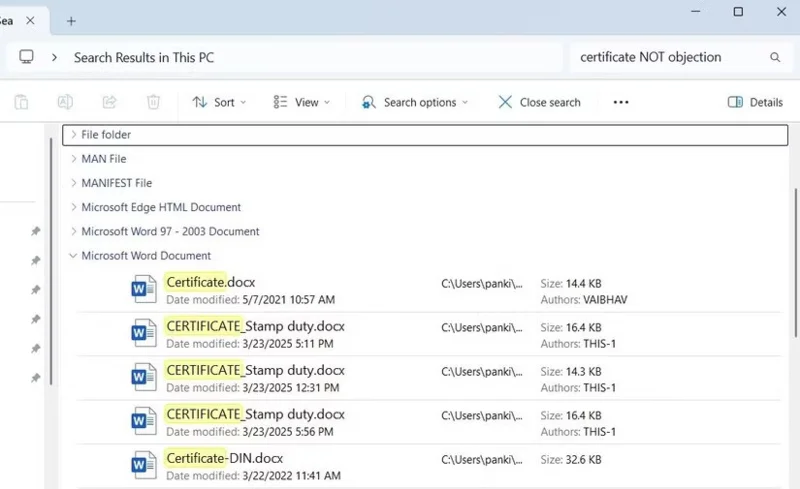
Finally, you can use boolean operators like AND, OR , and NOT to refine your search. AND finds files that contain both words, OR locates files that contain either word, and NOT excludes specific terms. For example, to find files that have certificate in the name but exclude files that contain objection , you could enter certificate NOT objection .
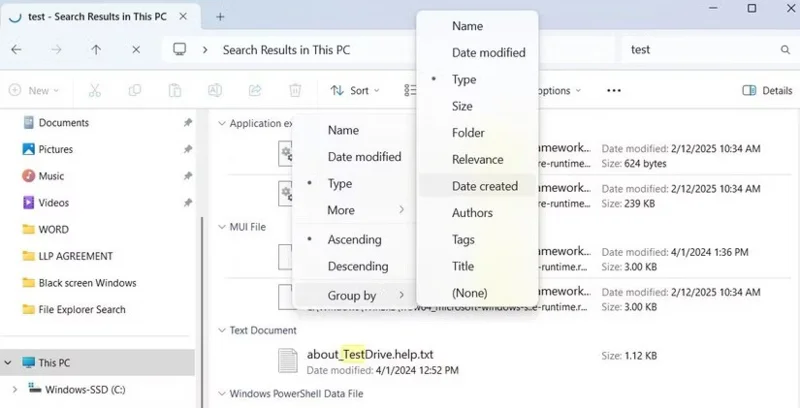
If File Explorer returns a long list of results even after refining your search, you can sort them using the Group by option in Sort . Grouping search results helps you quickly scan and locate files without sifting through a messy list.
This method is useful if you don't want to apply a filter or syntax every time you search. For example, if you're looking for recently edited documents, grouping by Date Modified will put the most recent files at the top. Similarly, grouping by Type will separate images, PDFs , and Word documents, making it easier to find what you're looking for.
If you search for the same file or folder often, you don't need to manually enter a filter each time. Instead, you can save File Explorer searches to save time and effort.
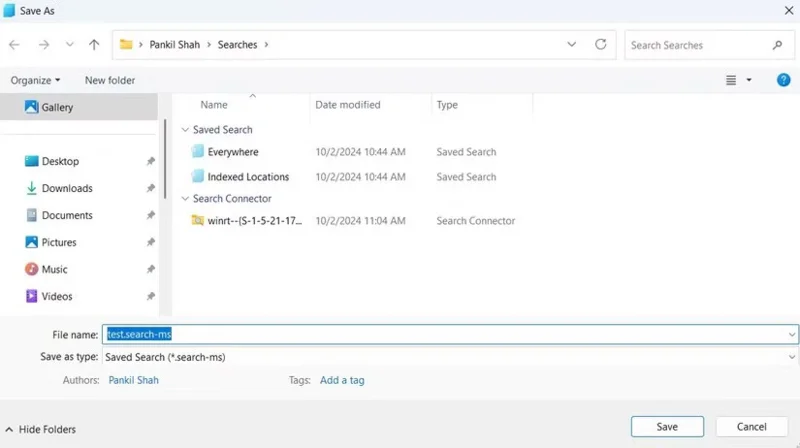
After performing a search, right-click anywhere in the empty area in the results pane or preview pane and select Save search . Give it a meaningful name, specify the location you want, and click Save .
Your saved search will appear as a shortcut, so next time you need it, just double-click it. File Explorer will automatically fetch the latest results based on your criteria. This way, you don't have to type in syntax and filters when performing the same search query multiple times.
While Windows File Explorer offers useful search features, you can also use third-party tools for more advanced search capabilities.
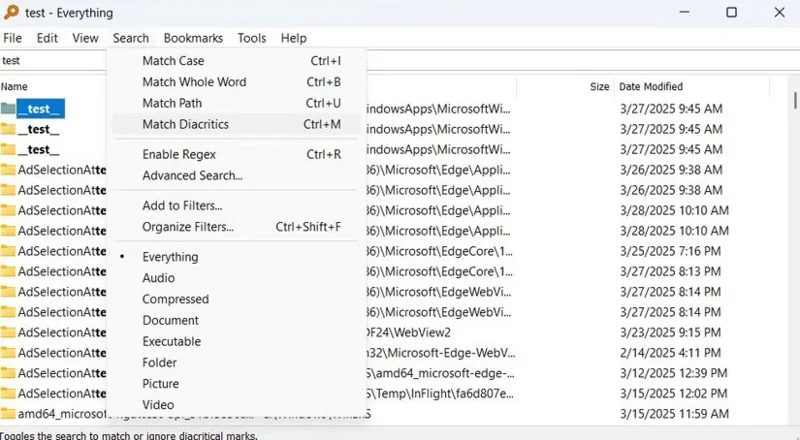
One popular option is Everything. Unlike File Explorer, which scans folders in real time, Everything indexes every file on your PC so it can provide search results almost instantly. It also offers useful search filters, sorting options, and an intuitive interface to enhance your search experience.
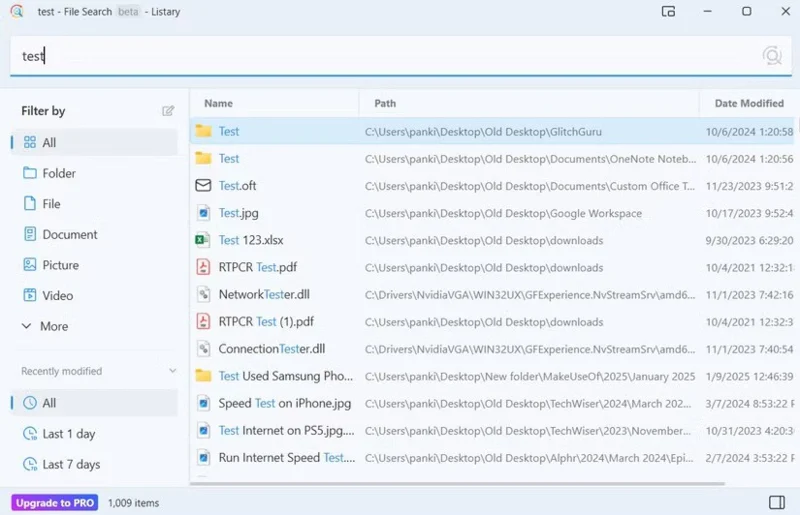
For those willing to invest in a premium tool, Listary is a great option. It offers blazing fast search speeds and a modern interface that integrates seamlessly with Windows 11 .
One of its best features is its Mac-like Spotlight Search. Just double-click Ctrl to bring up the search bar and type your query right away. Listary also offers a free version, allowing you to try it out before committing.
When you have thousands of files on your PC, simply typing in the file name may not always yield the desired results. However, once you get used to the above tips, you'll be able to find almost any file quickly and efficiently.
Try them out! If you prefer a simpler approach, you can always use dedicated search engines for faster results.
Use a simple 2026 Halloween decorating timeline for indoor décor, outdoor displays, and fresh pumpkins, with practical adjustments for weather and events.
Mix five vivid, approachable Halloween cocktails with measured recipes, simple prep tips, and an alcohol-free option for your party guests.
Find 15 office-friendly Halloween costume ideas for 2026, with practical checks for dress codes, respectful themes, comfort, and workplace safety.
Plan a fun elementary school Halloween party with easy crafts, games, inclusive treats, costume tips, and a sample 75-minute classroom schedule.
Compare realistic side hustles for 2026 by startup cost, fees, flexibility, and income control, with current tax and scam guidance from official sources.
Upgrade your home office ergonomics with current OSHA and NIOSH guidance on chair fit, monitor height, laptop setup, lighting, and movement.
Learn why emotional intelligence matters in leadership, where it helps most, how to strengthen it, and how to tell whether your approach is working.
A practical roadmap for moving into tech without a degree: choose an accessible role, build job-ready skills, prove them with projects, and use hiring feedback to improve.
Build a credible LinkedIn personal brand in 2026 with current profile, content, newsletter, analytics, verification, and visibility guidance from LinkedIn.
Quiet quitting and quiet firing are catchy labels, not diagnoses. Learn what is verified, what depends on context, and what employees and managers can do next.