
Back Up and Restore HamoniKR Settings Without Missing Hidden Files
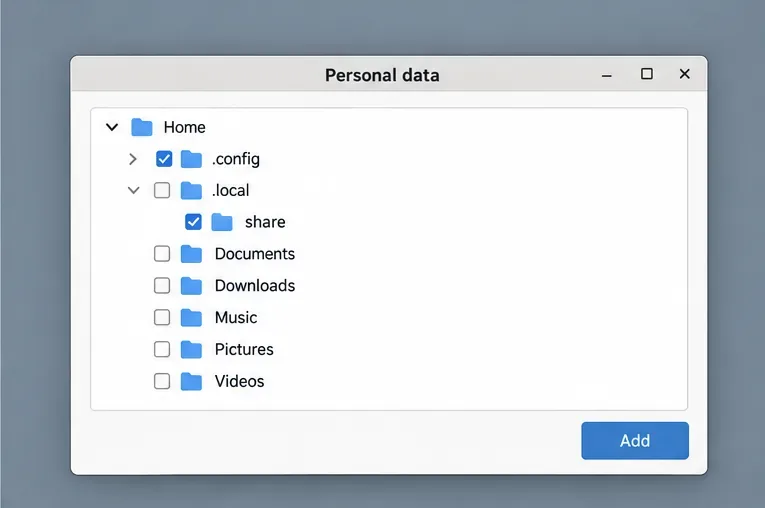
Save HamoniKR preferences to external storage, include hidden home folders, and choose a safe restore mode when moving to a fresh installation.
You may want to close an application or program on Windows after you're done using it or if the application or program isn't responding properly. In any case, closing an application or program on Windows is easy.
Both Windows 10 and Windows 11 provide several ways to close applications and programs. Let's find out the details through the following article!
1. Close the application or program using the X button
Using the X button is the most common way to close apps and programs in Windows. If you've been using Windows for a while, this is probably the first method that comes to mind.
Simply hover over the top right corner of the app you want to close and click the X button .
2. Close the application or program using the title bar menu
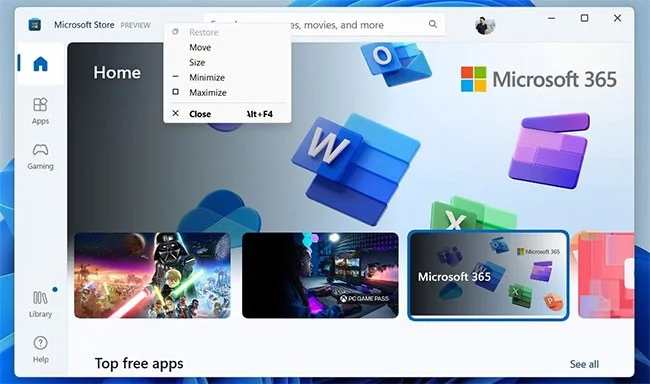
A lesser known method of closing applications and programs on Windows is through the title bar menu.
Right-click the title bar of the application window and select Close from the context menu that appears. You can also press Alt + Spacebar to access the menu on the title bar and then press the C key on your keyboard to close the application window.
3. Close the application or program from the Taskbar
You may be using the Taskbar to keep track of your running apps and programs on Windows. But did you know that you can also close apps and programs from there? This article will show you how.
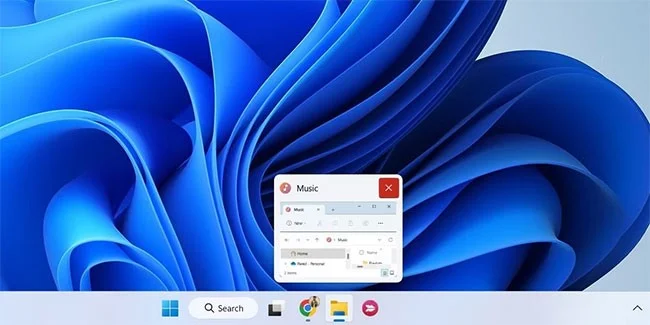
1. Hover the mouse pointer over the application icon on the taskbar.
2. When you see a preview of the active window, click the red X button in the upper right corner of the preview to close the application.
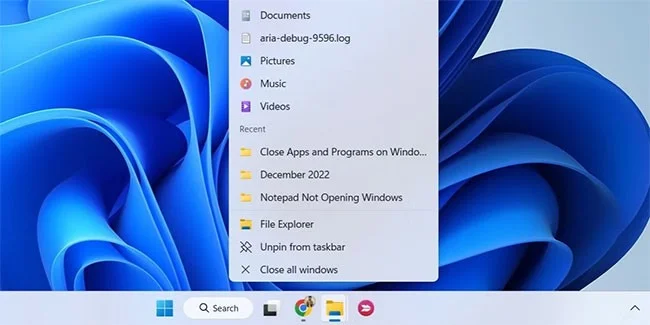
Alternatively, you can right-click the application icon on the taskbar and select the Close window option from the resulting menu. If there are multiple instances of an application, select Close all windows .
4. Close the application or program from the Task Switcher
Task Switcher is a useful feature on Windows that allows you to switch between open windows. Here's how you can use it to close applications and programs on Windows.
1. Press Ctrl + Alt + Tab together on your keyboard to access Task Switcher on Windows.
2. Locate the app you want to close and click the X icon in the top right corner of the preview to close that app.
5. Close an application or program using the Alt + F4 shortcut
You can also use the Alt + F4 keyboard shortcut to close an app or program on Windows. To do so, switch to the app or program you want to close and press Alt + F4 on your keyboard at the same time to close that app or program.
Does this sound like using keyboard shortcuts on Windows? Check out how you can assign keyboard shortcuts to programs on Windows to quickly open applications .
6. Close the application or program via Task Manager
If you're having trouble closing an app because it's not responding, you can use Task Manager to force it to close. Here's what to do.
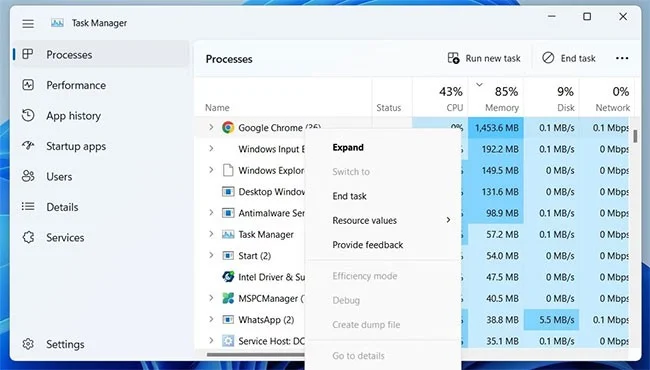
1. Right-click the Start icon or press Win + X to open the Power User menu and select Task Manager from the list. Alternatively, you can press Ctrl + Shift + Esc on your keyboard at the same time to quickly open Task Manager .
2. In the Processes tab , find the application or program you want to close. Right-click it and select End task from the context menu that appears.
Using Task Manager isn't the only way to force close applications on Windows. You can also use the taskkill command or a dedicated third-party application for that. To learn more about this topic, check out our guide on how to force close a program on Windows without Task Manager .
7. Close the application or program via Command Prompt or PowerShell
Not a fan of the GUI? No problem. You can also use Command Prompt or Windows PowerShell to close an app or program on Windows. Don’t worry, the process isn’t as complicated as it sounds and only requires you to run a few commands. Here’s how you can do it.
1. Press Win + S to open the search menu.
2. Type Command Prompt or PowerShell in the search menu and press Enter.
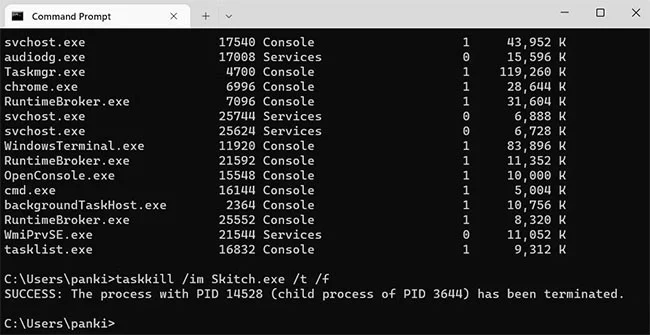
3. Type tasklist in the console and press Enter to see a list of running applications and processes.
To close an application or program, type the following command and press Enter. Make sure you replace ProgramName with the actual name of the application you want to close.
taskkill /im ProgramName.exe /t /fAfter running the above command, you will see a message saying that your application has been terminated. If you already know the name of your application or program, you can close it by running a single command mentioned in the last step.
8. Close the application from Windows Settings
The final method for closing an app is to use the Windows Settings app. It may not be as quick as the other methods on this list, but it can definitely come in handy when an app is unresponsive on Windows.
To close an app using Settings, follow these steps.
1. Open the Start menu and click the gear icon to launch the Settings app . Alternatively, you can press Win + I to launch the Settings app faster.
2. Use the left pane to navigate to Apps.
3. Select Installed apps from the right pane.
4. Scroll down or use the search tool to find the app you want to close.
5. Click the three-dot menu icon next to the app and select Advanced options.
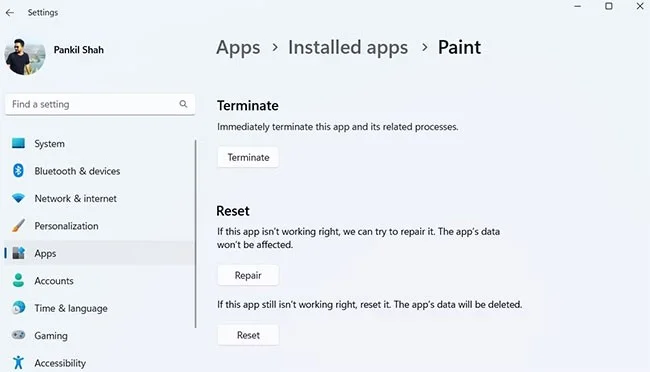
6. Scroll down to click the Terminate button.
Once you complete the steps above, Windows will immediately terminate all processes associated with the app. Note that this method will only work for Universal Windows Platform (UWP) apps.
As we have seen, there are many methods to close an application or program on Windows. Whether you use a keyboard shortcut or the command line method, closing an application on Windows is always quick and simple.
Don't worry if you accidentally close a few apps. You can easily reopen recently closed apps using a third-party program like ReOpen or UndoClose.
Save HamoniKR preferences to external storage, include hidden home folders, and choose a safe restore mode when moving to a fresh installation.
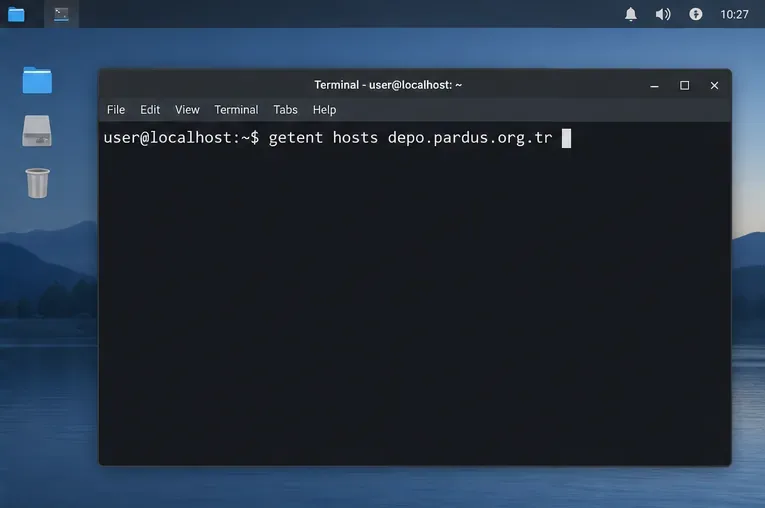
Install and configure xrdp on Pardus, choose the right Xfce session, restrict network access, and verify that remote login works.
Diagnose Pardus 23 APT connection failures, confirm the official yirmiuc sources, and restore apt update without bypassing package signature checks.
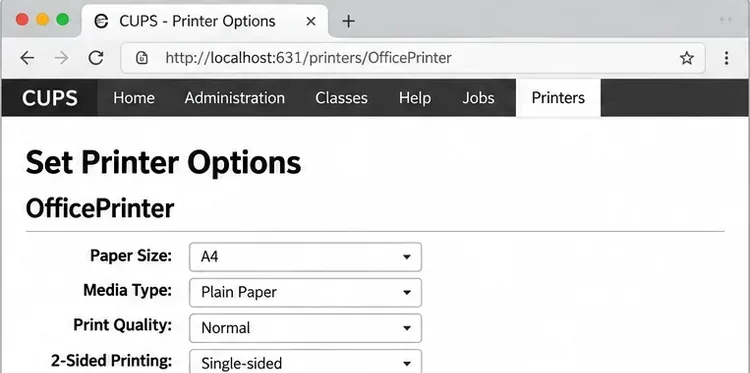
Configure printers on Harmonica OS using CUPS, compare driverless IPP with legacy drivers, and verify USB or network printing with a test page.
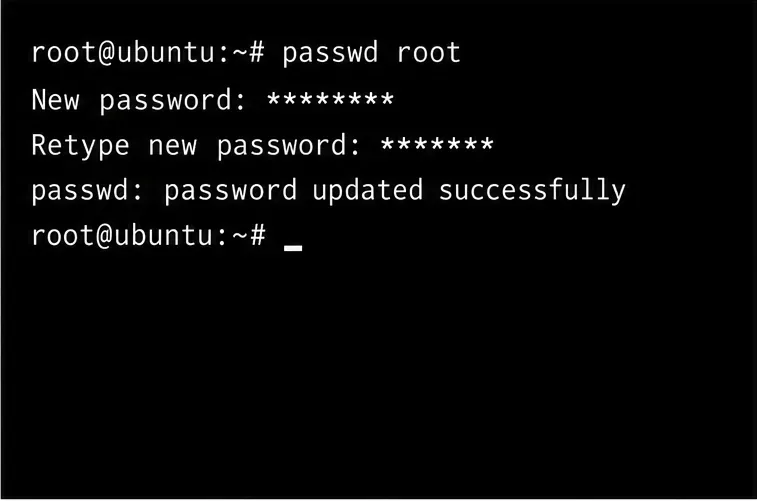
Use a recovery shell to set a new Harmonica OS root password, with checks for encrypted disks, read-only filesystems, and accounts that use sudo.
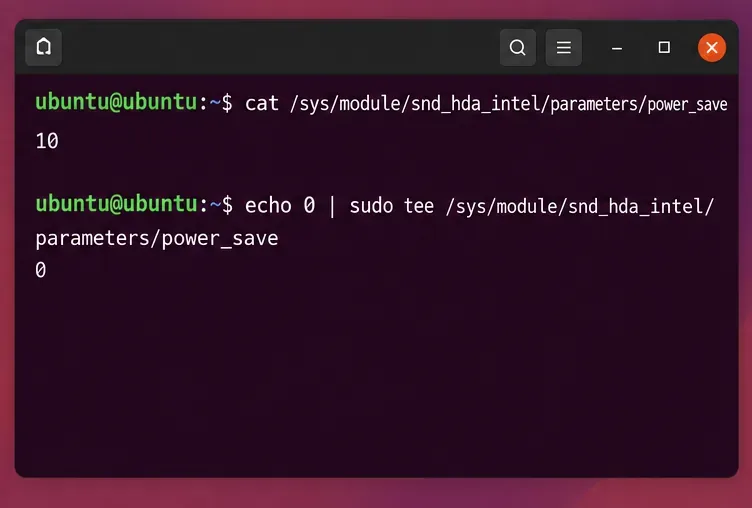
Trace whether clipping, ALSA format conversion, or HDA power saving is causing Ubuntu 24.04 audio distortion, then apply the matching reversible fix.
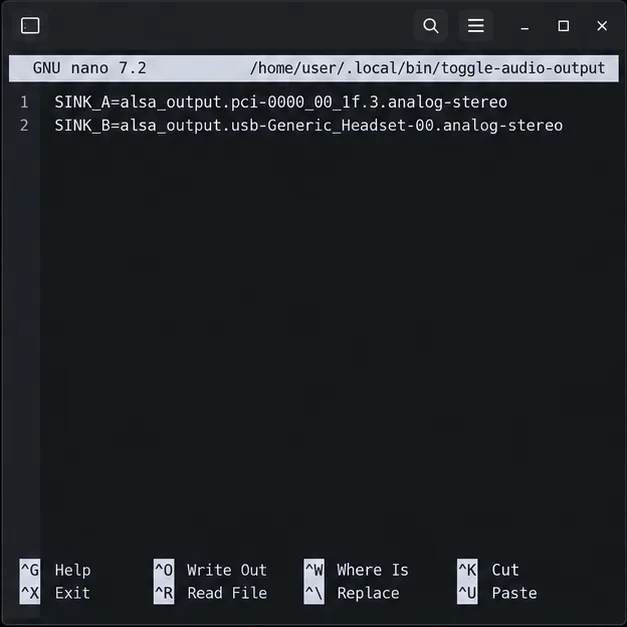
Switch Debian audio between named PipeWire outputs with a pactl script that updates the default sink and reroutes streams already playing.
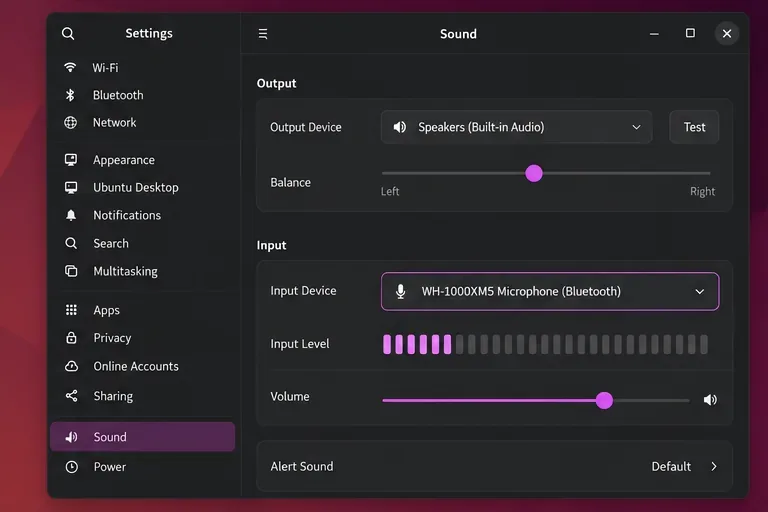
Get your Bluetooth headset mic working by selecting the right input, using a hands-free audio profile, and checking Ubuntu’s PipeWire route.
Learn why Flatpak apps may ignore Ubuntu 24.04 GTK themes and follow safe steps to check theme extensions, refresh Flatpak apps, and diagnose portal issues.
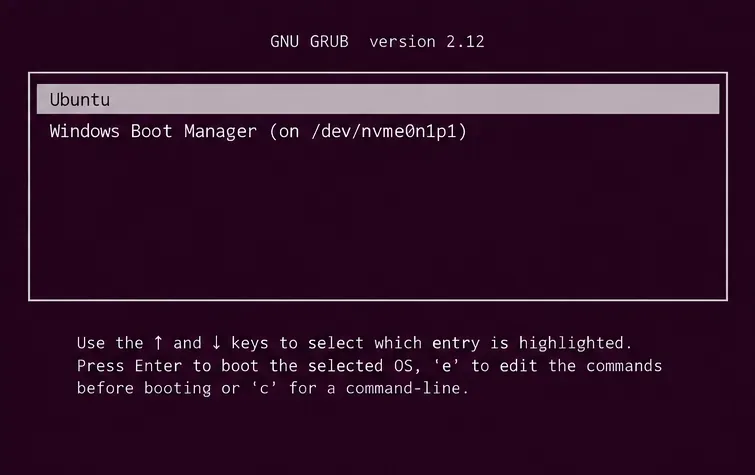
Install Ubuntu 24.04 alongside Windows 11 with BitLocker safely. Compare separate-drive and shared-drive paths, recovery keys, partitioning, and boot checks.