Viber is the most popular free chat, texting and calling application currently enjoyed by a large number of users. To meet the needs of Viber users, they have constantly upgraded, improved and added new features.
Viber for iOS Viber for Android
Especially in this version Viber 6.0 adds end-to-end encryption to help secure messages and calls. At the same time, it also supports hidden chat, remote Viber logout, Viber login with QR Code and many other useful features .... Currently, Android and iOS users are free to experience the feature. this.
Instructions to log out of a Viber account remotely
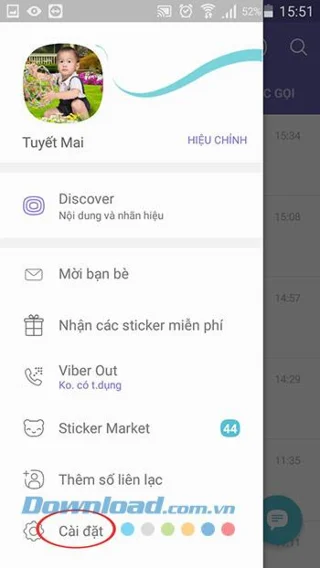
Step 1: On the main interface of the Viber application, click the 3 dashes icon in the top left corner of the screen, select Settings.


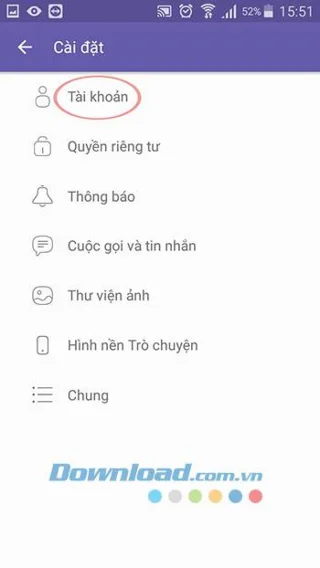
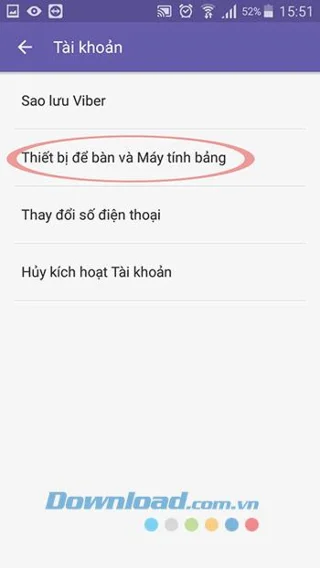
Step 2: In Settings , tap Accounts , then select Desktop and Tablet devices.


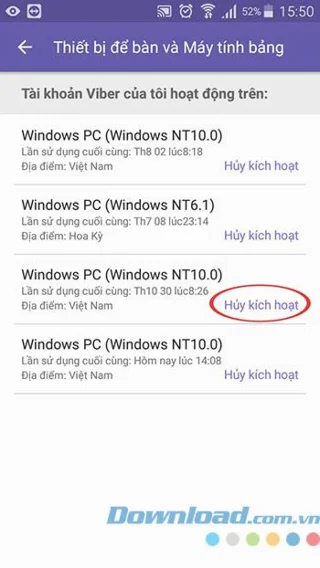
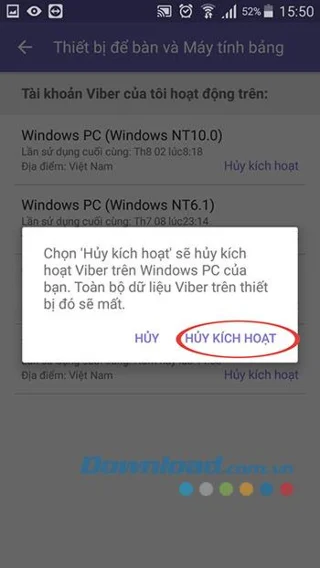
Step 3: A list of devices that are currently logged into your Viber account will appear on the Desktop and Tablet window . Search in that list, find any unusual login session, then click the button Deactivate . Shortly thereafter, a dialog box appears asking if you really want to log out of your Viber account? If you agree, click on Deactivate button to log out of Viber account remotely.
Note: All Viber data on that device will be lost.


Video on remote logout of Viber accounts
How to encrypt and secure messages on Viber 6.0
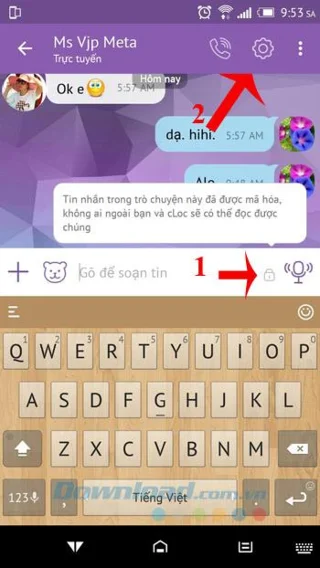
Viber 6.0 has updated end-to-end encryption to ensure privacy for user chats. This is the most expected feature ever. To use this feature, both users must update to the latest version. Then, click on the padlock icon on the chat window:
- Gray padlock: Not encrypted yet.
- Blue lock: Encrypted.
Note: You can only encrypt on phone, on PC it will sync to itself. Follow the steps below to ensure the privacy of your chats:
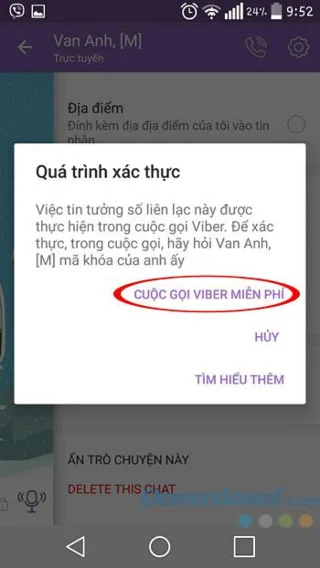
Step 1: In the chat interface, click the gear icon in the top right corner of the screen, scroll down and select Trust this contact . Then, click on Free Viber Call to authenticate the encryption.


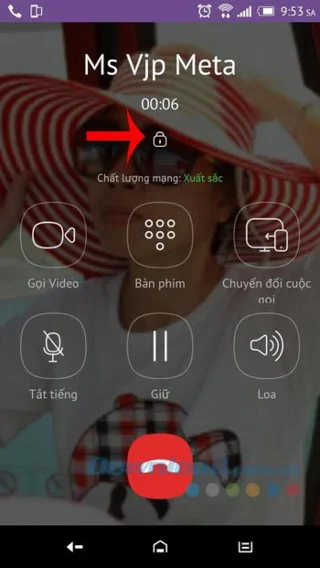
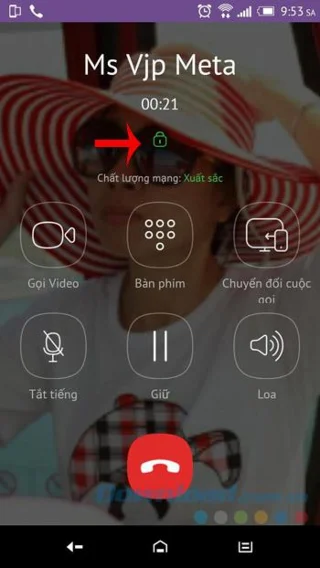
Step 2: The calling interface appears, click the lock icon, then click on Trust this contact to complete the authentication process. When successfully authenticated, the padlock icon will turn green.


So now all conversations between the two people will be encrypted, except for the two of you that no one can see.
Instructions to hide messages, chat offline on Viber
Now you can hide chat content easily, to ensure privacy, to avoid the case of others borrowing your phone to "peek " into your chat content. The procedure is quite simple, just follow the steps below:
1. On Android phones:
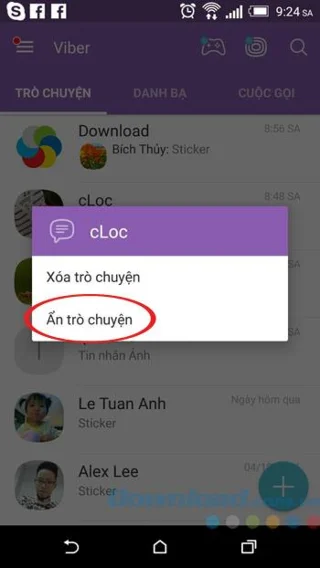
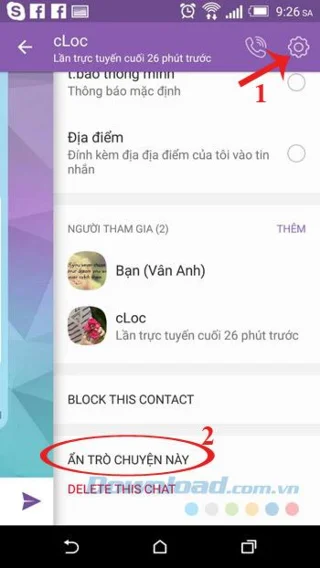
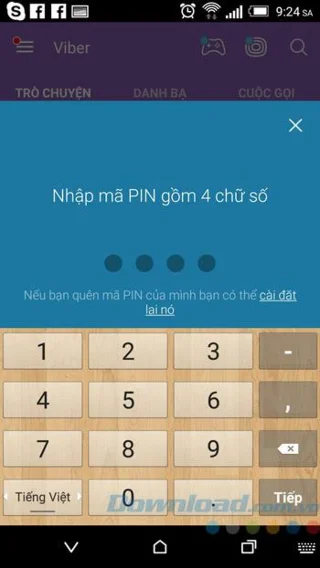
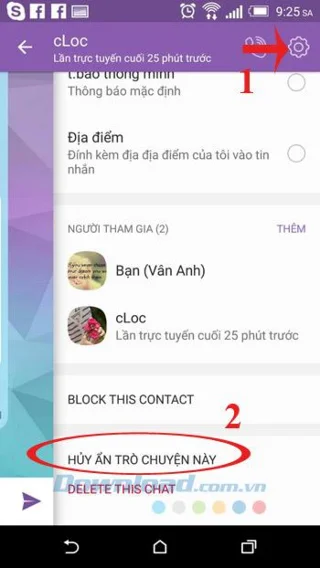
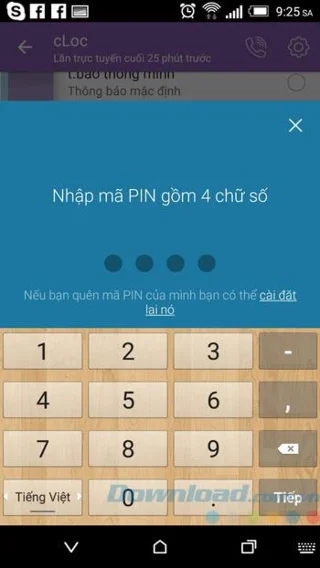
Step 1: Press and hold on the conversation, select Hide chat or open the conversation, click the gear icon at the top right of the conversation, scroll down to the bottom, select Hide conversation. This (Hide this chat). Then enter the 4-digit pin code.


Step 2: To view the newly hidden message, enter the password in the search box , all hidden messages will appear below, just click on the message to continue the conversation.


Step 3: Still want to unhide the message just go to the hidden conversation, click the gear icon in the top right corner of the conversation, scroll down to the bottom and select Unhide this chat . Then enter the password just set above is okay.


2. On iPhone devices:
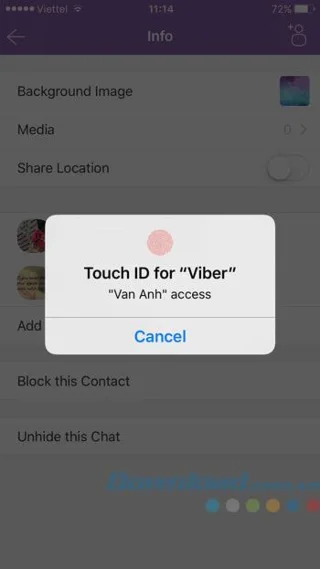
And for those who are using iOS operating system, it also does the same. However, one more attractive point is that for devices that support fingerprints, you can scan the fingerprint code to hide, view, cancel hidden conversations by:
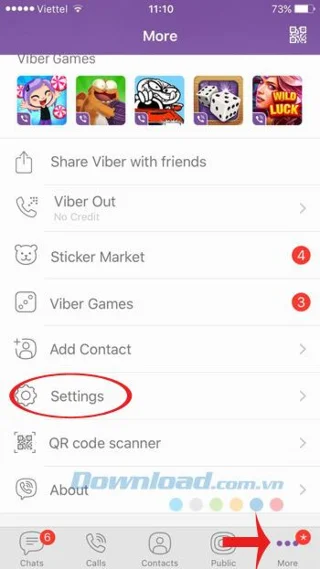
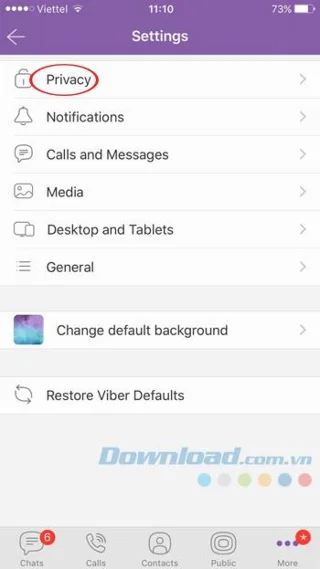
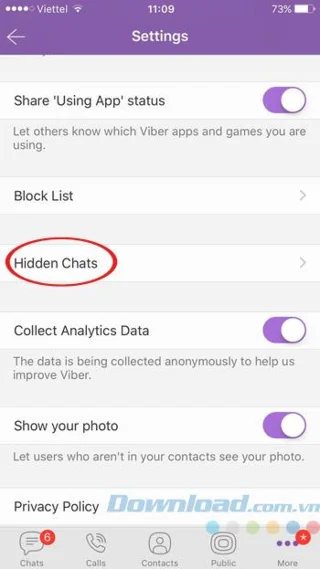
Step 1: Click on the icon of 3 horizontal dots in the bottom right corner of the screen, select Settings . Then, click Privacy , then Hidden Chats.


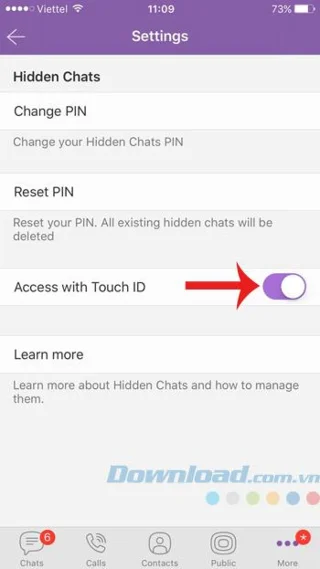
Step 2: Drag the slider under Access with Touch ID to the right to enable this function. Then, instead of entering the password each time you hide, unhide the message you just scan the fingerprint code.


Version Viber 6.0 has many attractive features, right? So why hesitate any longer, please quickly update the latest version to own these features. In addition, if using social networks Facebook , Gmail , Dropbox , you can easily logout accounts remotely .
I wish you successful implementation!