Coffee Culture: How to Brew the Perfect Cup at Home

Fix bitter, sour, or weak coffee at home with a practical guide to beans, grind size, water, ratio, temperature, pour-over technique, and tasting.
The most useful way to declutter for a clearer mind is not to empty your entire home. It is to reduce the visible, recurring friction in the places you use most: the kitchen counter where mail piles up, the chair that collects clothes, the entryway that makes leaving the house harder, or the desk that forces you to move five things before you can work.
That distinction matters because “less stuff” is not automatically the same as “better mental health.” A home can be full and still feel comfortable, personal, and functional. It can also be sparse yet stressful if the remaining items are hard to find, unfinished tasks are constantly visible, or other problems are driving your stress. The practical goal is a home that asks less of your attention and supports the routines you actually live.
There is some research linking the way people experience their home environment with stress-related outcomes, but the evidence needs to be interpreted carefully. In a 2010 study of 60 dual-income spouses, researchers analyzed how participants described their homes during self-guided tours. Women whose descriptions contained more language about clutter and unfinished projects showed a flatter daily cortisol pattern and more depressed mood over the day than women whose homes were described in more restorative terms. The study was observational and correlational, so it cannot prove that removing clutter would cause those outcomes to improve. You can review the original abstract in the U.S. National Library of Medicine’s PubMed record for the study.
There is also a broader attention literature showing that multiple visual objects can compete for neural representation. One controlled neuroscience study found that attention was less effective when participants tried to attend to several competing stimuli at once. That is not a household-decluttering experiment, and it should not be stretched into a claim that a crowded bookshelf directly harms your brain. It does, however, offer a plausible reason why some people find busy visual environments tiring or distracting. The original study is available through PubMed.
The safest conclusion is modest: reducing unnecessary visual and practical demands may make a space feel easier to use, and some people may experience that as calmer. It is not a medical treatment and it will not address every source of stress.
If your goal is mental clarity, begin with the area that repeatedly interrupts your day rather than the room that looks worst in a photo. A crowded garage may be dramatic, but a chaotic kitchen counter can affect you several times before lunch.
For example, imagine two homes. In the first, the guest room is packed with old boxes, but the resident opens that door once a month. In the second, the entryway floor is covered with shoes, unopened packages, and reusable bags, so every departure begins with searching and stepping around things. The second space is usually the better first target because the payoff is frequent and easy to notice.
A useful test is to ask: “Where do I repeatedly stop, search, move something out of the way, or feel behind?” The answer often points to a higher-value decluttering project than simply choosing the room with the most possessions.
There is no single method that works for every household. The right approach depends on your time, decision fatigue, living situation, and how emotionally attached you are to the items involved.
| Situation | Better approach | Main tradeoff |
|---|---|---|
| You feel overwhelmed quickly | Clear one small surface or one drawer at a time | Progress looks slower, but decisions stay manageable |
| You have a free weekend and clear goals | Work on one category or one contained room | Faster visible change, but more fatigue and temporary mess |
| You share the home with other people | Start with your own items and shared friction points everyone agrees on | Less control over the final result, but fewer conflicts |
| You struggle to let go of sentimental items | Delay sentimental categories and begin with obvious duplicates or expired items | You postpone harder decisions, but build confidence first |
| Your main problem is not excess possessions but poor storage | Improve item “homes” only after removing things you do not use | May require organizers later, but avoids buying storage for clutter |
A clear home is not necessarily a minimalist home. Keep items that support your current life, carry meaningful value, or are genuinely useful enough to justify the space they occupy. The key is to judge an item against the cost of keeping it: storage space, maintenance, visual noise, searching time, and the chance that it crowds out something more useful.
Consider a kitchen drawer with six spatulas. If you regularly cook with four of them because each has a different purpose, keeping four or even six may be reasonable. If five are nearly identical and you always reach for the same one, the extras are creating storage pressure without much benefit. Decluttering works best when it reduces repeated inconvenience, not when it follows an arbitrary number.
The same principle applies to clothing. A large wardrobe is not automatically cluttered if the pieces fit, are worn, are easy to access, and fit within the available storage. A smaller wardrobe can still feel chaotic if half the garments do not fit, need repair, or are piled where they block the pieces you actually wear.
Many clutter problems are really decision problems. Mail accumulates because each envelope requires a choice. Clothes collect on a chair because “not clean enough for the closet, not dirty enough for the hamper” has no assigned destination. Reusable bags multiply because they come into the home more quickly than they leave.
The lasting fix is often a simpler rule rather than a bigger organizing product. Give incoming paper one temporary location. Create a hook or basket for in-between clothes. Keep only the number of reusable bags that fit comfortably in one designated container. Put items near the point of use when possible.
This is also why buying bins before decluttering often disappoints. A container can make excess possessions look tidier without reducing the number of decisions, searches, and maintenance tasks they create. Storage is most helpful after you know what deserves to remain.
Once you decide an item should go, the exit route matters. Usable goods may be appropriate for donation, resale, gifting, or reuse. Materials that cannot reasonably be reused may belong in a local recycling stream, depending on what your municipality accepts. The U.S. Environmental Protection Agency’s current waste hierarchy prioritizes reducing and reusing before recycling; its Recycling Basics and Benefits guidance, updated June 22, 2026, also emphasizes checking how specific materials should be handled.
A practical caution: do not let “I might sell this someday” become a second form of storage. If resale is your plan, give it a deadline that fits your schedule. If the listing has not happened by then, choose a lower-effort exit route. The goal is to complete the decision, not create another long-running project.
Decluttering is most likely to help when your stress comes partly from visible unfinished tasks, difficulty finding everyday items, cramped surfaces, or a home layout that fights your routines. It can also be useful after a move, a change in family needs, or a period when possessions accumulated faster than you could process them.
It is less likely to solve the underlying problem when stress is driven mainly by work, finances, grief, relationship conflict, sleep problems, anxiety, depression, or another health issue. In those cases, a calmer room may still be pleasant, but it should not be treated as a substitute for appropriate support.
The National Institute of Mental Health notes that stress can affect both mind and body, and recommends seeking professional help when stress or anxiety is persistent or interferes with everyday life. Its stress and anxiety fact sheet outlines common symptoms, coping options, and signs that more help may be needed. NIMH’s Caring for Your Mental Health page, reviewed in April 2026, also points readers to evidence-based mental health resources.
A decluttering project is working when daily tasks become easier. You can find keys without searching. The dining table can be used for dinner without a preliminary cleanup. Laundry has somewhere to go. You can open a cabinet without items falling forward. The desk is ready when you need to focus.
Those outcomes are more meaningful than whether every shelf looks sparse. A comfortable home can still contain books, collections, family photos, hobby supplies, children’s toys, and seasonal decor. The question is whether those belongings support your life or repeatedly compete with it.
Stop decluttering a space when it is easy to use, easy to reset, and no longer asks for constant micro-decisions. If you can maintain it with a few minutes of ordinary tidying rather than periodic rescue sessions, you have probably done enough.
That endpoint protects against turning decluttering itself into another source of pressure. The aim is not a perfect home or a permanent feeling of calm. It is a living space that creates fewer obstacles, leaves room for the things you value, and makes ordinary days a little easier to move through.
Fix bitter, sour, or weak coffee at home with a practical guide to beans, grind size, water, ratio, temperature, pour-over technique, and tasting.
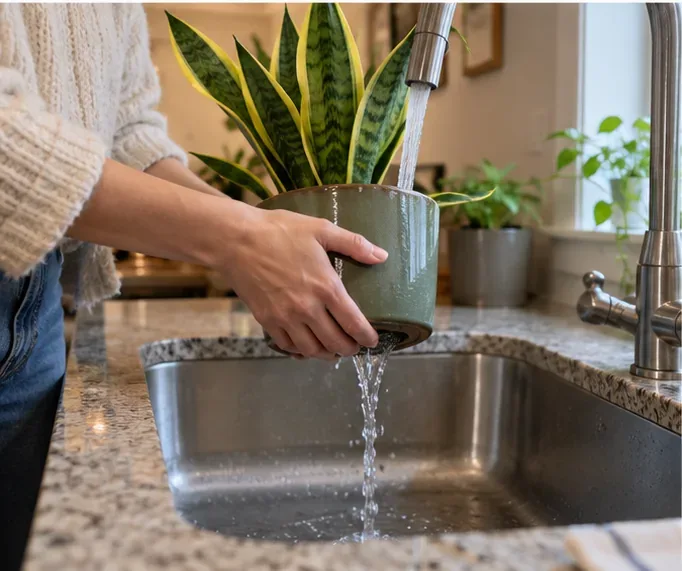
Learn beginner-friendly winter houseplant care for light, watering, humidity, temperature, fertilizer, pests, and the mistakes that commonly damage plants.
Declutter your home without chasing perfection. Learn which spaces to tackle first, how clutter may affect stress and attention, and how to keep results manageable.
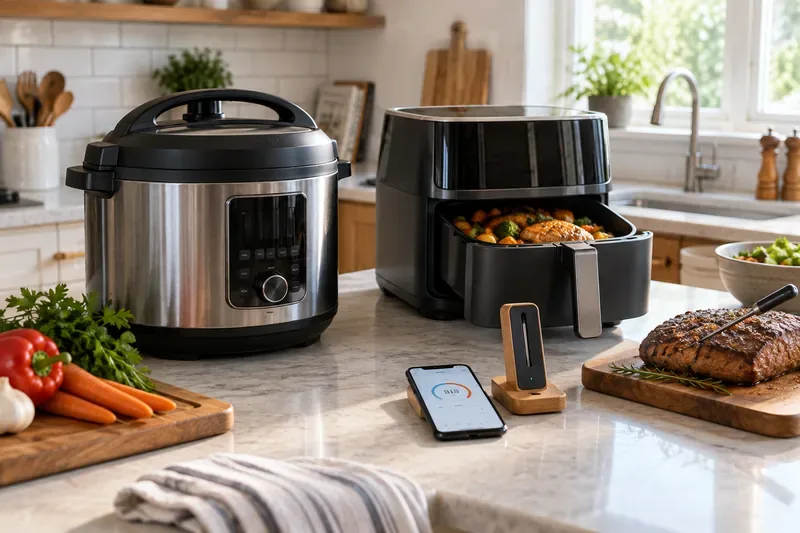
Discover which smart kitchen gadgets are genuinely useful, what to check before buying, how to set them up, and common beginner mistakes to avoid.
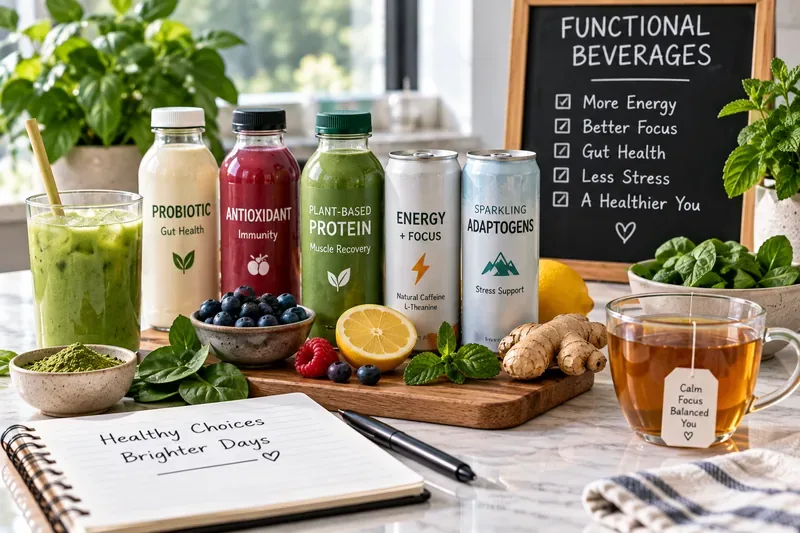
Functional beverages promise energy, hydration, gut support, protein, and more. Learn which benefits have evidence, what labels can hide, and how to choose wisely.
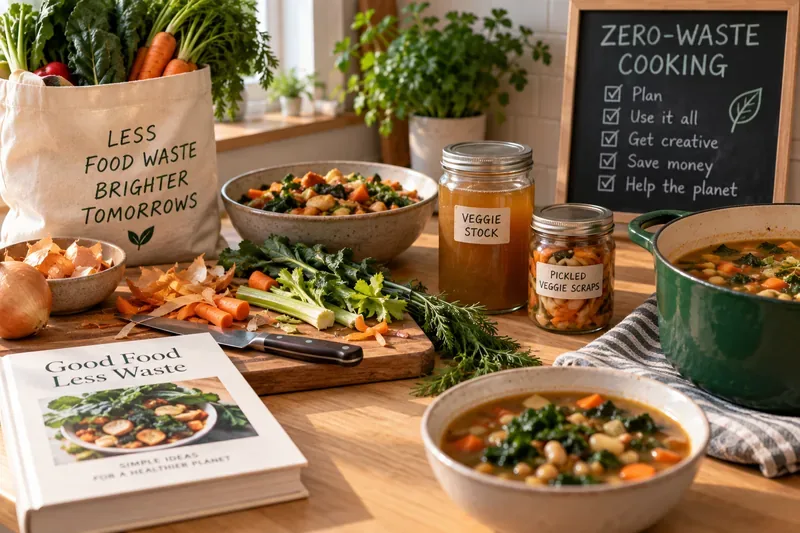
Learn practical zero-waste cooking habits that reduce food waste, stretch groceries, use leftovers safely, and turn edible scraps into useful meals.
Plan a cozy dinner party with the right guest count, make-ahead menu, warm atmosphere, food-safety basics, and a realistic hosting timeline.
Refresh your home for fall 2026 with budget-friendly decor trends, practical tradeoffs, and smart ways to add warmth, texture, and personality.
Compare practical meal-prep methods by time, flexibility, texture, cost, and food safety so you can build a weekday system that actually fits your life.
Make five reliable fall comfort-food recipes with clear doneness cues, troubleshooting tips, storage guidance, and realistic ways to adjust texture and flavor.