Coffee Culture: How to Brew the Perfect Cup at Home
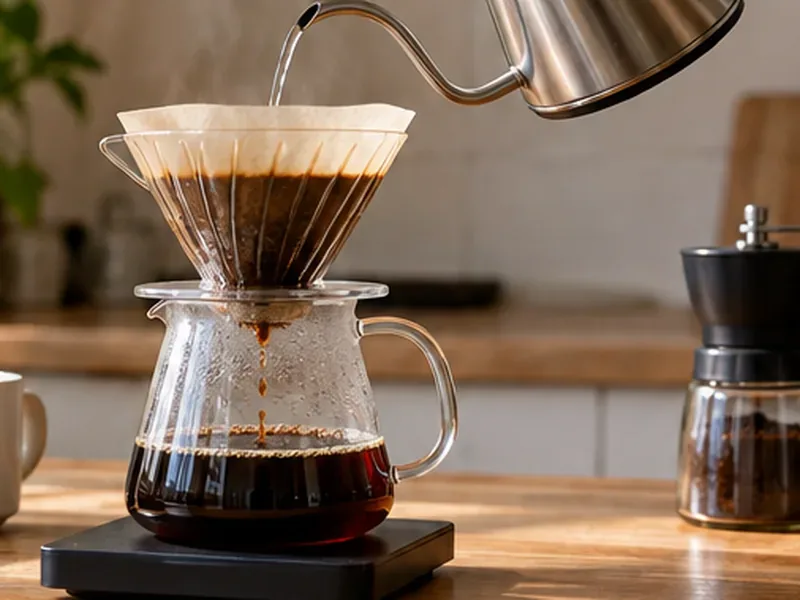
Fix bitter, sour, or weak coffee at home with a practical guide to beans, grind size, water, ratio, temperature, pour-over technique, and tasting.
The most important thing to know about functional beverages is that the category itself does not guarantee a health benefit. A drink can contain caffeine, electrolytes, probiotics, protein, vitamins, botanicals, or other added ingredients and still be a poor fit for you because of dose, added sugar, medication interactions, cost, or simply because you do not need the claimed function.
That does not make functional drinks a fad with no value. Some are genuinely useful in the right setting: an electrolyte drink after prolonged exercise in heat, a protein drink when a meal is impractical, or a caffeinated drink when you want alertness and can tolerate caffeine. The smarter way to shop is to start with the function you actually need, then evaluate the ingredient and dose—not the wellness language on the front of the package.
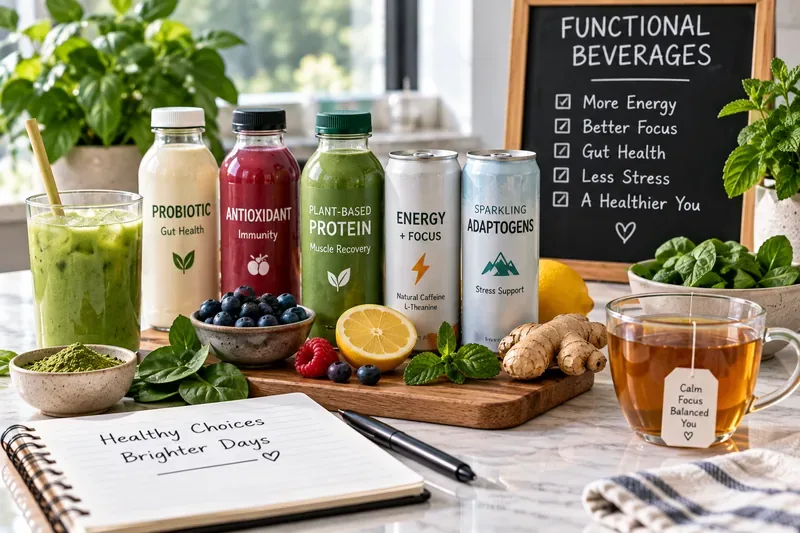
“Functional beverage” is a broad marketplace term rather than a single FDA regulatory category. In the United States, a liquid product may be regulated as a conventional food or, in some cases, as a dietary supplement depending on how it is formulated, labeled, packaged, and marketed. FDA has separate guidance on distinguishing liquid dietary supplements from beverages.
The expansion is not entirely new. FDA noted years ago that it was seeing more liquid products marketed with a wide array of ingredients and intended uses. In June 2026, the agency also placed caffeine-content labeling for foods and beverages on its Human Foods Program guidance agenda, showing that increasingly complex beverage formulations remain a live regulatory topic. See the FDA’s 2026 Human Foods Program guidance agenda.
The appeal is easy to understand. Beverages are portable, familiar, and require little preparation. They also let companies combine ordinary hydration with a second promise: energy, recovery, focus, gut health, stress support, protein, or micronutrients. The tradeoff is that consumers now have to judge both a beverage and a supplement-like claim at the same time.
| If the drink promises… | What to check first | Who may benefit most | Main tradeoff |
|---|---|---|---|
| Hydration or electrolytes | Sodium, carbohydrate, serving size, exercise duration | People with substantial sweat loss or prolonged exercise | Often unnecessary for ordinary daily hydration |
| Energy or focus | Total caffeine from all sources | Caffeine-tolerant adults who want temporary alertness | Sleep disruption, jitters, dose stacking |
| Gut health | Specific probiotic strain and viable amount | People using a product with evidence for a relevant outcome | Benefits are strain- and condition-specific |
| Protein or recovery | Protein amount, calories, added sugars, total diet | People who need a convenient protein source | May cost more than food and can add unwanted calories |
| Stress or adaptogen support | Exact botanical, extract, dose, medications | Possibly some adults using studied preparations | Evidence and long-term safety can be limited |
Electrolyte beverages make the most sense when fluid loss is accompanied by meaningful electrolyte loss—for example, during prolonged exercise, heavy sweating, hot environments, or certain endurance events. NIH’s Office of Dietary Supplements notes that athletes doing endurance activity for more than about an hour or exercising in extreme environments may need additional fluids, electrolytes, and carbohydrate. See the NIH fact sheet on exercise and athletic performance.
A systematic review of exercise-associated dehydration also found that carbohydrate-electrolyte solutions can be useful for rehydration in relevant exercise settings, although study results varied. The original review is available through PubMed.
When it fits: long workouts, heavy sweating, hot-weather training, or recovery when food is not readily available.
When it may not: a sedentary workday, a short easy workout, or routine hydration when plain water and normal meals already meet your needs.
What to do: match the drink to the situation. Do not assume “electrolytes” automatically make a beverage healthier for everyday sipping.
Caffeine is one of the clearest examples of a functional ingredient with a real physiological effect. It can increase alertness, but tolerance and side effects vary widely. FDA says that for most adults, 400 milligrams of caffeine per day is an amount not generally associated with negative effects, while emphasizing that sensitivity varies with body weight, medications, medical conditions, pregnancy, and individual metabolism. The agency’s current consumer guidance is available at FDA: How Much Caffeine Is Too Much?.
The important shopping habit is to count caffeine across the entire day. Coffee at breakfast, a “focus” drink at noon, pre-workout in the afternoon, and tea at night can add up even when each product seems moderate by itself.
FDA also advises against energy drinks for children and teens based on medical-expert guidance, and notes that too much caffeine can contribute to increased heart rate, palpitations, anxiety, sleep disruption, digestive problems, and other symptoms.
When it fits: an adult who tolerates caffeine and deliberately wants short-term alertness.
When to be cautious: pregnancy, medication use, anxiety or sleep problems, caffeine sensitivity, or a product that does not clearly state how much caffeine it contains.
What to do: compare milligrams of caffeine per container, not vague terms such as “clean energy” or “natural focus.”
Probiotic beverages are one of the most misunderstood functional categories. NIH defines probiotics as live microorganisms that, when administered in adequate amounts, confer a health benefit. But the NIH also stresses that not every food or supplement labeled “probiotic” has demonstrated health benefits.
Effects can depend on the microorganism strain, dose, condition being studied, and whether viable organisms remain through the product’s shelf life. A higher colony-forming-unit count is not automatically better. The NIH probiotics fact sheet explains why specific strains and studied uses matter.
When it fits: when the product identifies the strain and amount and there is evidence relevant to the outcome you care about.
When to be cautious: when the label uses only broad phrases such as “microbiome support” without enough information to connect the product to research. People who are severely ill or immunocompromised should also discuss probiotic use with a clinician because rare serious infections have been reported in vulnerable populations.
What to do: look past the word “probiotic” and check the strain, viable count, storage requirements, and evidence for that specific use.
A protein beverage does not need a futuristic ingredient to be functional. For many people, its main value is logistics: it can provide protein when cooking, refrigeration, or a full meal is inconvenient.
That can make sense after training, during travel, or on a day when a normal meal is hard to arrange. But if your regular meals already provide enough protein, the drink may simply add cost and calories. Some products also contain substantial added sugars or are large enough to function more like a snack or meal than a simple beverage.
The 2025–2030 Dietary Guidelines for Americans, released in January 2026, emphasize whole, nutrient-dense foods and reducing highly processed foods and added sugars. See the current Dietary Guidelines.
When it fits: when convenience helps you meet a real nutrition goal.
What to do: compare the protein, calories, added sugars, and price with the food you would otherwise eat.
Botanical ingredients such as ashwagandha are increasingly used in drinks positioned for stress or sleep. This is a category where the exact preparation matters. NIH reports that several small studies suggest certain ashwagandha extracts may reduce perceived stress and anxiety or modestly improve sleep, but the studies used different preparations and doses, and long-term safety is not well established.
Ashwagandha can also interact with some medications and may affect thyroid function; NIH notes potential concerns for pregnancy, breastfeeding, certain health conditions, and possible liver effects. See the NIH ashwagandha fact sheet.
When it fits: potentially, for an adult who understands the specific ingredient and uses a studied preparation under appropriate circumstances.
When to be cautious: when the beverage hides the amount in a proprietary blend, combines multiple botanicals, or you take medications that may interact.
What to do: treat botanical drinks like products with active ingredients, not flavored water.
A drink can contain probiotics, vitamins, electrolytes, or botanicals and still be high in added sugar. That matters because sugar-sweetened beverages remain a major source of added sugars in the U.S. diet. CDC notes that frequent consumption of sugar-sweetened beverages is associated with several adverse health outcomes. See the CDC overview of sugar-sweetened beverages.
What to do: read the Nutrition Facts panel before being impressed by the highlighted functional ingredient. If two drinks deliver the same function, the one with less added sugar may fit your goals better—unless carbohydrate itself is part of the intended function, as it can be in prolonged exercise.
Labels can legally use different types of claims, but a polished claim is not the same as an FDA endorsement of the product. FDA explains that health claims, nutrient-content claims, and structure/function claims follow different rules. Structure/function claims describe effects on normal body structure or function; for conventional foods, manufacturers are not required to notify FDA before using those claims. The agency’s overview is available at FDA label claims for conventional foods and dietary supplements.
This is why phrases such as “supports focus,” “supports immunity,” or “supports gut health” should prompt another question: Which ingredient is supposed to do that, at what dose, and what evidence supports that use?
Sometimes. The strongest reason to buy one is not that it belongs to a fashionable category; it is that a specific ingredient, in a useful amount, solves a specific problem for you.
If you are doing a long, sweaty workout, an electrolyte-carbohydrate drink may serve a purpose that plain water does not. If you need portable protein, a protein drink may be worth the premium. If you want caffeine, a clearly labeled beverage can be easier to dose than one that hides behind an “energy blend.” If you are buying a probiotic or botanical drink, the bar should be higher because benefits can depend heavily on strain, extract, dose, and individual circumstances.
The rise of functional beverages is ultimately a rise in choice. That is useful only when the extra ingredients are evaluated with the same skepticism you would apply to any other nutrition or supplement claim. Start with your goal, verify the ingredient, check the dose and tradeoffs, and remember that for ordinary hydration, plain water is still difficult to improve upon.
Fix bitter, sour, or weak coffee at home with a practical guide to beans, grind size, water, ratio, temperature, pour-over technique, and tasting.
Learn beginner-friendly winter houseplant care for light, watering, humidity, temperature, fertilizer, pests, and the mistakes that commonly damage plants.
Declutter your home without chasing perfection. Learn which spaces to tackle first, how clutter may affect stress and attention, and how to keep results manageable.
Discover which smart kitchen gadgets are genuinely useful, what to check before buying, how to set them up, and common beginner mistakes to avoid.
Functional beverages promise energy, hydration, gut support, protein, and more. Learn which benefits have evidence, what labels can hide, and how to choose wisely.
Learn practical zero-waste cooking habits that reduce food waste, stretch groceries, use leftovers safely, and turn edible scraps into useful meals.
Plan a cozy dinner party with the right guest count, make-ahead menu, warm atmosphere, food-safety basics, and a realistic hosting timeline.
Refresh your home for fall 2026 with budget-friendly decor trends, practical tradeoffs, and smart ways to add warmth, texture, and personality.
Compare practical meal-prep methods by time, flexibility, texture, cost, and food safety so you can build a weekday system that actually fits your life.
Make five reliable fall comfort-food recipes with clear doneness cues, troubleshooting tips, storage guidance, and realistic ways to adjust texture and flavor.