Enable FIPS Mode on SLES 15 and Verify the Boot State
Follow SUSE’s SP7 procedure to enable FIPS mode, reboot safely, verify the active policy, and check whether your compliance requirement calls for validated modules.
Gemini utility will help users exploit and experience Gemini more. Gemini utility will provide some other Google applications in Gemini for you to choose to use for many other purposes. The article below will guide you to activate and use Gemini utility.
How to use utilities on Gemini
Step 1:
Log in to your Google account and go to the Gemini website. Note, Google Workspace accounts do not currently have this feature.
Next, on the left side of the screen, click on Settings and select Extensions to activate use.
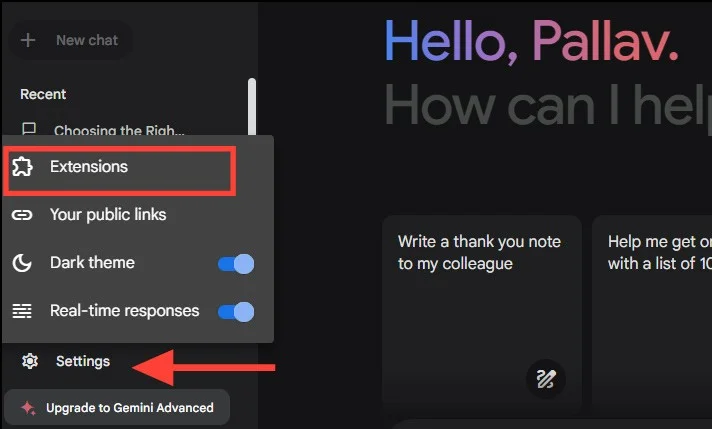
Step 2:
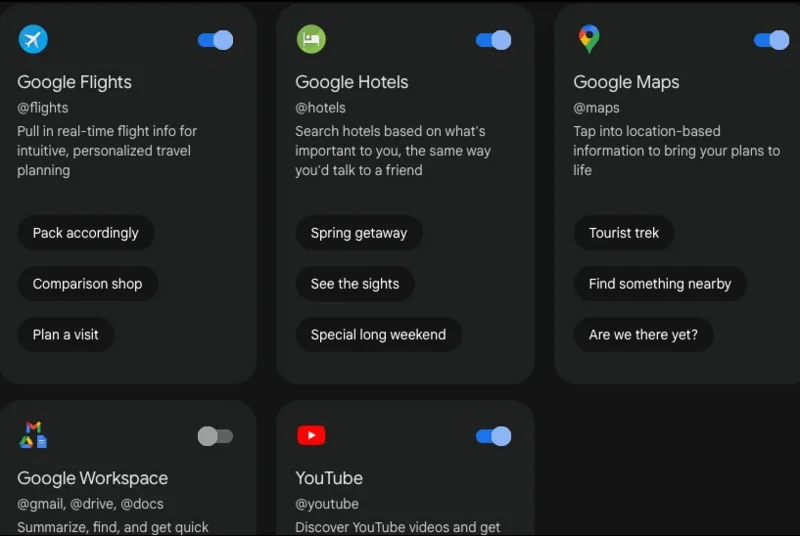
Now users will see Gemini widgets displayed for you to choose from, including Flights, Hotels, Google Maps, YouTube, and Google Workspace.
Step 3:
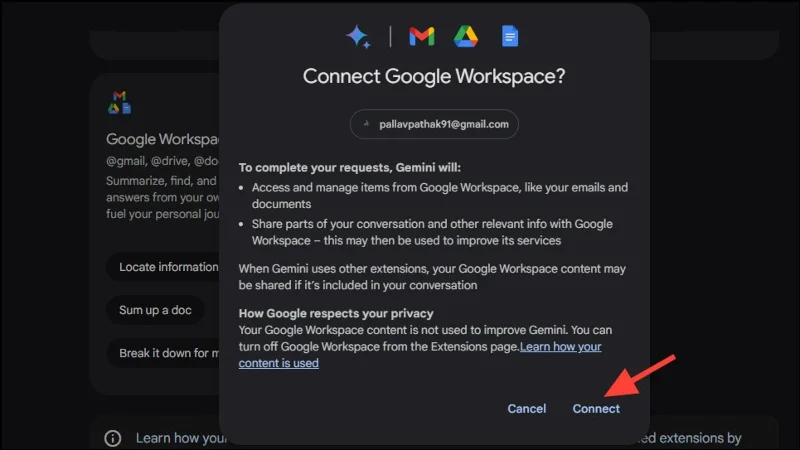
To use the extension on Gemini, you just need to activate the extension to use it , for example, when you activate the Google Workspace extension, you need to agree to let Google Workspace link with Gemini.
Step 4:
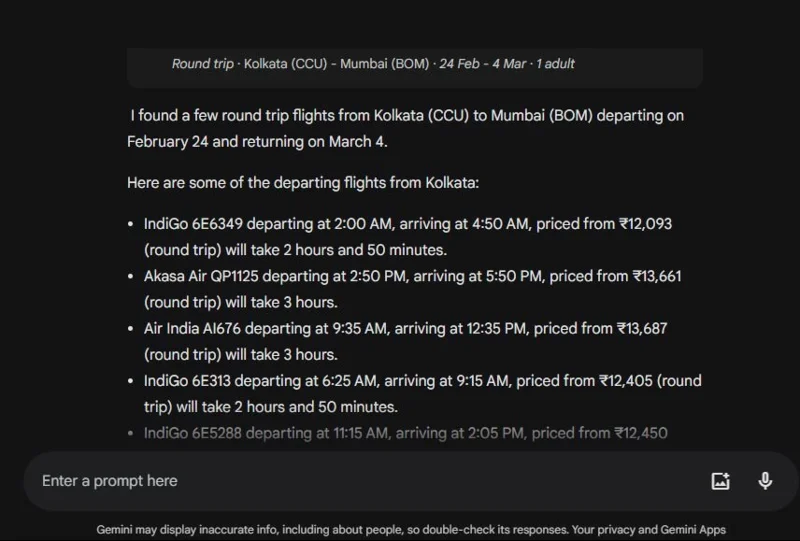
Each widget on Gemini has its own features. For example, with the Google Flights widget , you can find information about flights you want to take.
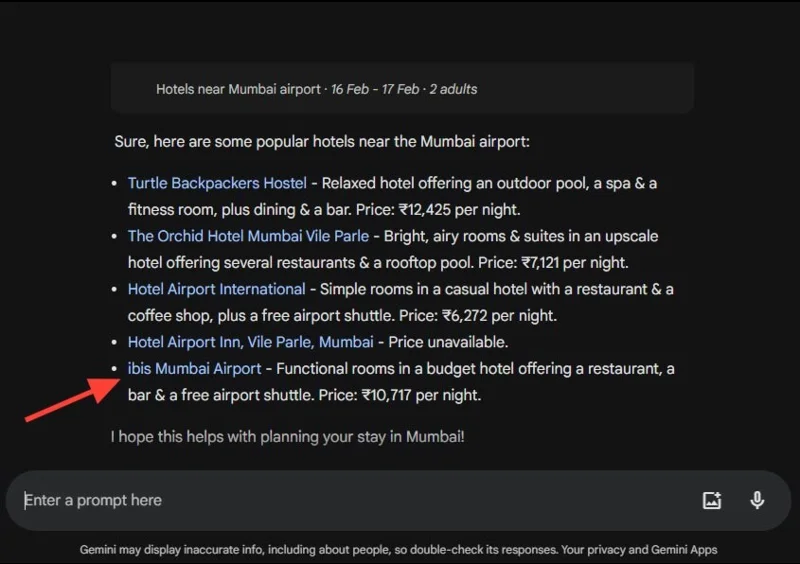
With the Hotel utility, you will use the utility to search for hotels near the airport, or which famous hotel you want,...
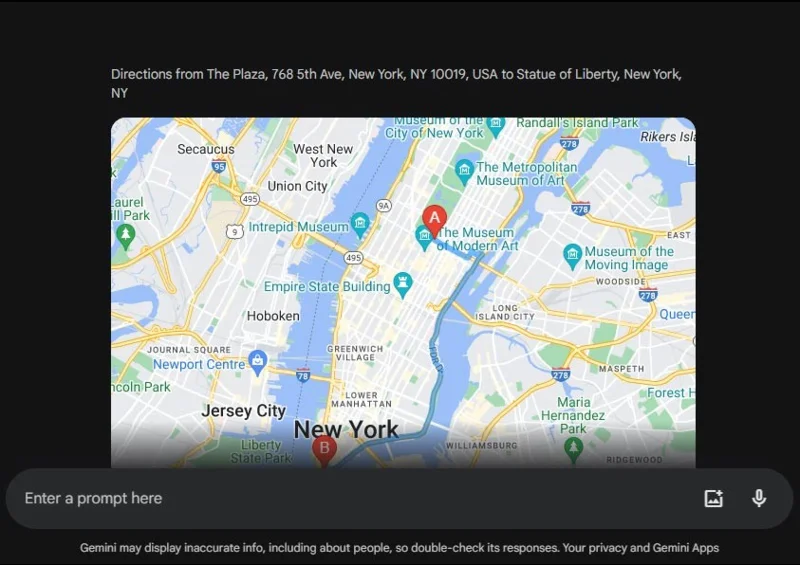
The Google Maps utility works as usual, finding directions to the location you want.
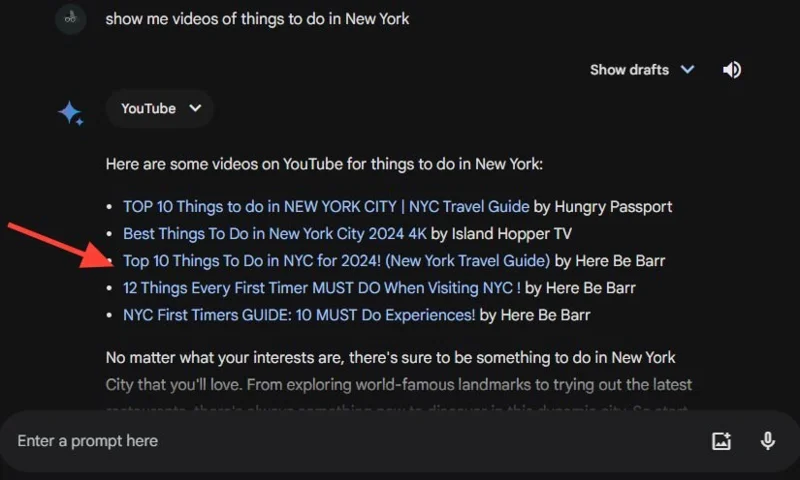
YouTube widget to search for any video you want, just enter the YouTube video content you want to find. The results will be displayed as shown below. You just need to click on the link to watch the YouTube video as usual.
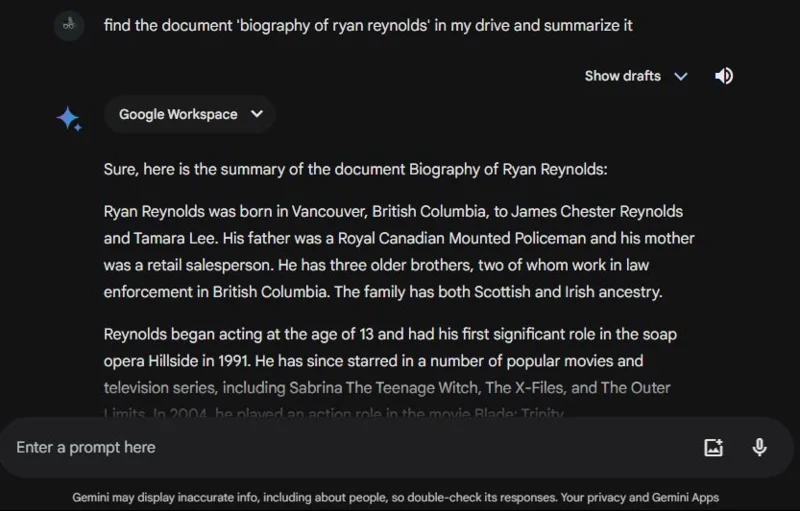
Finally, with the Google Workspace extension, you can search for documents in your Google account, or summarize a document.
Follow SUSE’s SP7 procedure to enable FIPS mode, reboot safely, verify the active policy, and check whether your compliance requirement calls for validated modules.
Compare YaST and cryptsetup for a new encrypted SLES data volume, choose LUKS1 or LUKS2, and verify unlock and mount behavior safely.
Create, refine, and verify a least-privilege AppArmor profile on SLES 15 SP7, with a clear note on SLES 16’s SELinux default.
Set up RMT on SLES 15, mirror entitled repositories, and verify HTTPS registration and package access from a test client.
Connect SLES 15 to AD with YaST’s SSSD-based logon management, then verify directory lookup, domain login, and Kerberos tickets.
Set up the right Live Patching path for SLES 16.0 or 15 SP7, apply eligible kernel fixes, and confirm what is active without confusing it with a reboot-required kernel update.
Load a custom SLES 15 kernel module without disabling Secure Boot. Match the running kernel, sign the .ko file, enroll a MOK key, and verify loading.
SLES 15 SP5 can migrate online to SP6, but each node must reboot. Use a tested rolling upgrade or blue-green cutover to keep workloads reachable.
Use SUSE’s supported STIG profile to scan SLES 15, test remediation, review remaining findings, and retain assessment evidence.
Trace a failed Cockpit connection through DNS, port 9090, the systemd socket, firewalld, TLS, and login settings using current SUSE guidance.