Coffee Culture: How to Brew the Perfect Cup at Home

Fix bitter, sour, or weak coffee at home with a practical guide to beans, grind size, water, ratio, temperature, pour-over technique, and tasting.
Air conditioning for babies is the decisive factor to help your baby sleep well as well as prevent sudden death of newborns. However, what should this temperature be to ensure the health of the child?
During the first years of life, babies develop at a rapid rate both physically and brain. The baby's metabolism is therefore also much stronger than that of adults. In addition, children have a fast working circulatory system, which generates a lot of excess heat but has an ineffective heat waste system. This is also the reason why the child's body temperature is always higher than that of adults. Children often sweat and easily feel hot and uncomfortable even in an environment where the temperature is 28-29 degrees Celsius.
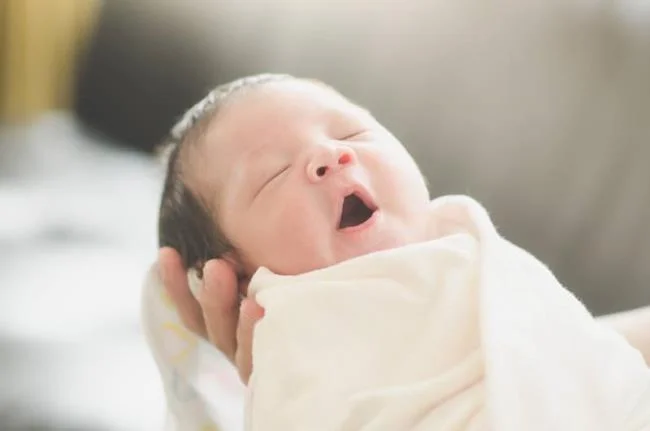
The right bedroom temperature will help children feel comfortable and sleep deeply. But most importantly, it can help prevent sudden infant death syndrome (SIDS), one of the great fears for many parents when a baby is clearly healthy but may die suddenly. sudden while sleeping.
According to research data, room temperature (overheating) has been shown to be a possible cause of SIDS. Therefore, experts advise parents to ensure your baby's room is at a temperature between 18 ° C-21 ° C (room temperature is not the temperature of the air conditioner); However, this temperature also depends on the living environment as well as the climate in each place.
Putting your baby in an air conditioned room in the summer is an effective way to ensure your baby gets a deep sleep. However, if you do not know how to use it properly, too low or too high air conditioning can cause negative effects on the health of the child, especially the respiratory system. Therefore, parents should note the following important rules.
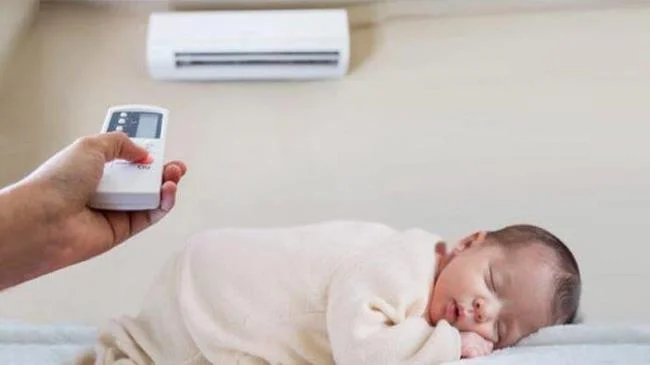
When experts recommend that the baby's sleeping area temperature should be between 18-21 degrees Celsius, this means that this is the room temperature, not the temperature figure on the air conditioner alone. Sometimes the temperature of the air conditioner and the room temperature will have a significant difference. So there will be no standard number of suitable air-conditioning temperatures for your baby. Parents can put an extra thermometer in the room and set the timer of the air conditioner so that the baby does not get too cold or too hot.
Using the air conditioner continuously will affect the humidity in the room, thereby making the baby more susceptible to dry skin and dry nose, which is not good for the child's health.
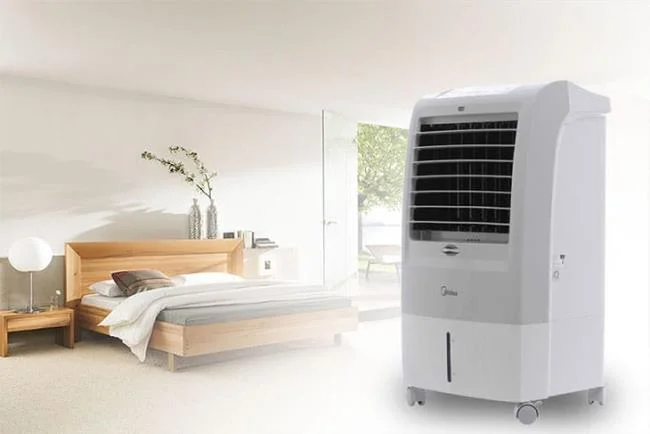
For newborn babies to feel comfortable, comfortable and without skin problems when using air-conditioned rooms, parents should apply the following humidification methods:
Place a pot of water or a large mouth water bottle in the room
Use air conditioning in combination with a nebulizer
Choose an air conditioner that protects your skin - controls moisture
This is also very important so parents need to pay attention when placing the child's bed. Choose a cool location and away from the right air-conditioning.
Children should wear clothes that absorb sweat well. When lying in air, parents avoid wearing too many layers of clothes for the baby. You should wear thin, wrapped clothing (like a blanket that won't slip off). In the book Raising a Child Is Not A War, the authors also recommend that parents wrap or use a sleeping bag for their baby.
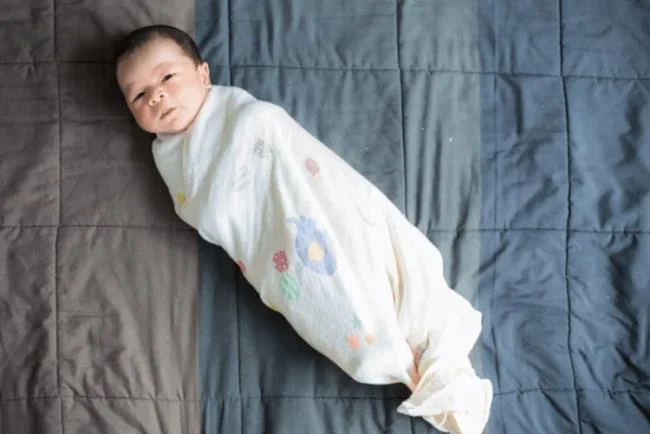
Wrapping the baby helps the baby feel as tight as when he was in the womb, the baby feels comfortable and safe, so many babies are wrapped up to stop crying or they can sleep easily. Only wrap when your baby shows signs of drowsiness and bedtime (according to the EASY schedule) and up to 4 months can not wrap anymore. The material of the wrap needs good elasticity for the baby to feel comfortable.
In a nutshell, infant air conditioning needs to be suitable to keep the temperature in the nursery from 18-21 degrees C the best. Parents should pay attention to ensure the safety of the child's health!
See more:
Air-conditioned infants and potential dangers
Fix bitter, sour, or weak coffee at home with a practical guide to beans, grind size, water, ratio, temperature, pour-over technique, and tasting.
Learn beginner-friendly winter houseplant care for light, watering, humidity, temperature, fertilizer, pests, and the mistakes that commonly damage plants.
Declutter your home without chasing perfection. Learn which spaces to tackle first, how clutter may affect stress and attention, and how to keep results manageable.
Discover which smart kitchen gadgets are genuinely useful, what to check before buying, how to set them up, and common beginner mistakes to avoid.
Functional beverages promise energy, hydration, gut support, protein, and more. Learn which benefits have evidence, what labels can hide, and how to choose wisely.
Learn practical zero-waste cooking habits that reduce food waste, stretch groceries, use leftovers safely, and turn edible scraps into useful meals.
Plan a cozy dinner party with the right guest count, make-ahead menu, warm atmosphere, food-safety basics, and a realistic hosting timeline.
Refresh your home for fall 2026 with budget-friendly decor trends, practical tradeoffs, and smart ways to add warmth, texture, and personality.
Compare practical meal-prep methods by time, flexibility, texture, cost, and food safety so you can build a weekday system that actually fits your life.
Make five reliable fall comfort-food recipes with clear doneness cues, troubleshooting tips, storage guidance, and realistic ways to adjust texture and flavor.