Home
» How to
»
How to Change AirDrop Name on iPhone, iPad, and Mac
How to Change AirDrop Name on iPhone, iPad, and Mac
If you’ve ever used AirDrop in a crowded place, you know how annoying it can be to have all your devices appear at once. Read on to learn how to give your devices unique names so you can easily find them in the AirDrop menu.
How to Change AirDrop Name on iPhone or iPad
Using AirDrop is one of the easiest ways to share content with friends and family on your phone. To find the right device in the AirDrop menu among a sea of Apple devices, you can change the name of your iPhone or iPad by following these steps.
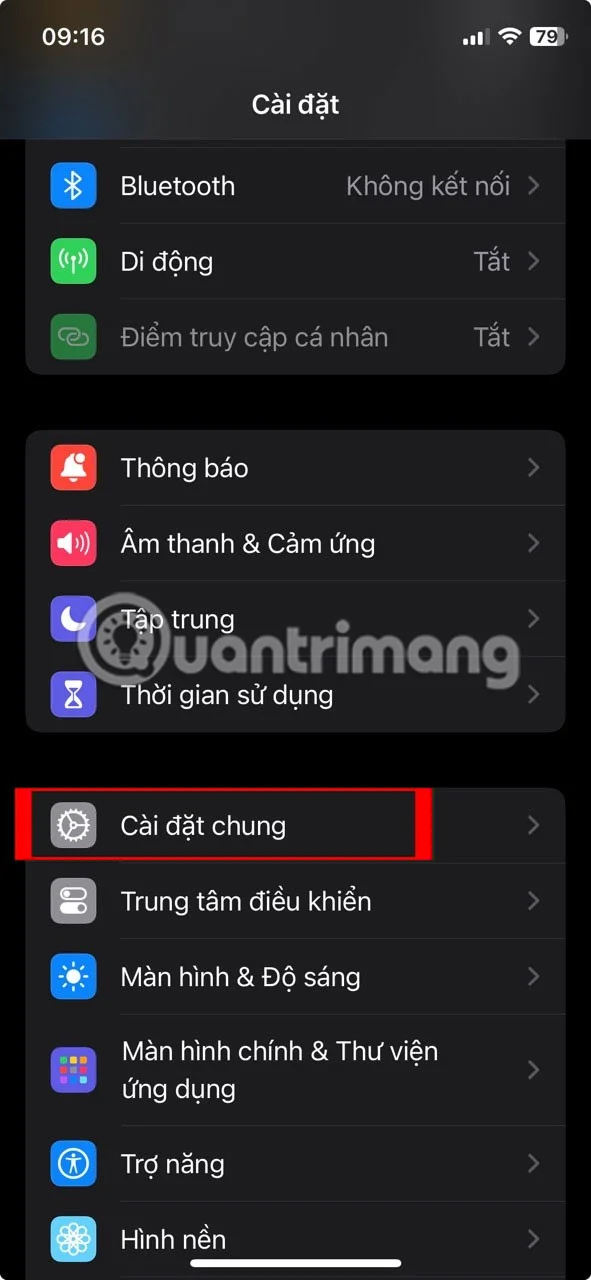
Go to Settings > General > About > Name . Then, tap the X icon next to your device's current name. Next, enter the new name you want to assign to your iPhone or iPad and tap Done to save your changes.
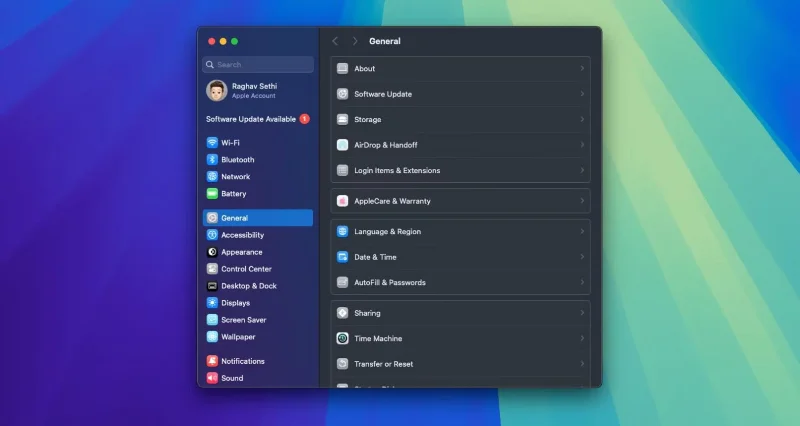
1. Click the Apple icon in the menu bar and select System Settings from the drop-down list. You can also open System Settings via Spotlight search.
macOS Sequoia menu bar
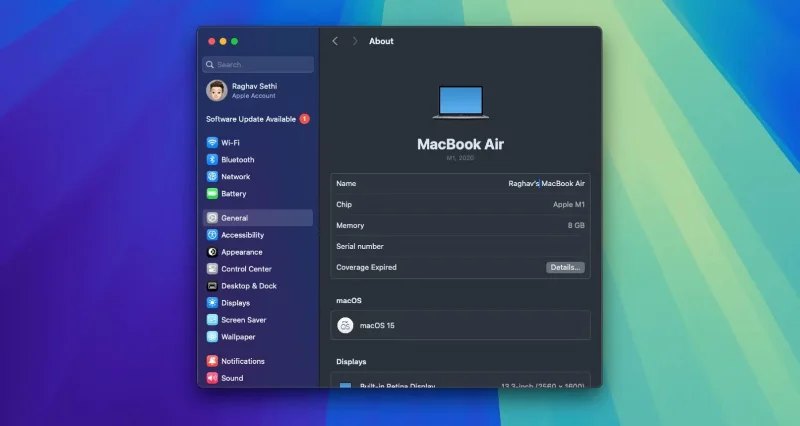
2. Click General from the left sidebar, then select the About option on the right.
Install macOS Sequoia system
3. Just click on the name of your Mac and enter the new name you want to display in the AirDrop menu.
macOS Sequoia general settings menu
When you change the name of your Mac, its local network address also changes, so if you have an app or device that uses this address, you may need to reconfigure some settings.
When it comes to sending files from one Apple device to another, AirDrop is arguably one of the easiest ways to do it. By giving your iPhone, iPad, or Mac a unique name, you can make the process of sending photos, videos, or documents faster and more secure for everyone.