Imagine your Windows 11 PC humming along perfectly, saving energy without sacrificing speed. That's the magic of tweaking your power sleep settings. Whether you're battling short battery life on a laptop or want your desktop to stay alert during long sessions, mastering these adjustments can transform your experience. In this guide, we'll walk you through how to change power sleep settings in Windows 11 with simple, actionable steps. You'll feel empowered and in control, ready to optimize your device like a pro. Let's dive in and make your PC work smarter, not harder! 🚀
Why Bother with Power Sleep Settings in Windows 11?
Windows 11 is designed for efficiency, but default power sleep settings might not fit your lifestyle. Sleep mode puts your PC into a low-power state, conserving battery and reducing electricity use. However, if it's too aggressive, you might lose work or face boot-up delays. On the flip side, extending sleep times keeps things running smoothly for tasks like downloads or remote access.
By customizing these settings, you can:
- Extend laptop battery life during travel.
- Prevent unexpected shutdowns on desktops.
- Balance performance and energy savings for eco-friendly computing.
According to Microsoft's latest documentation, fine-tuning Windows 11 sleep settings can reduce power consumption by up to 20% without impacting usability. It's a win-win that leaves you smiling at your smarter, greener setup. 😊
Getting Started: Access Power Options in Windows 11
Before we tweak specifics, let's access the heart of power options in Windows 11. This central hub lets you control sleep, display timeouts, and more. Follow these quick steps to open it:
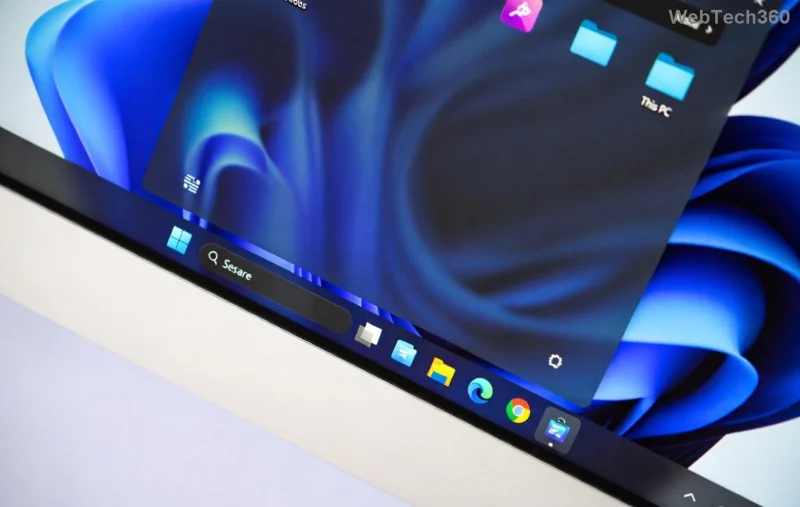
- Click the Start button (Windows icon) on your taskbar.
- Type "Power & sleep settings" in the search bar and hit Enter. Or, head to Settings (gear icon) > System > Power & battery.
- You're now in the intuitive interface where all the magic happens!
Pro tip: If you're on a laptop, plug it in first to see both "On battery power" and "Plugged in" options. This ensures your changes apply across scenarios. Ready to customize? Let's break it down.
Step-by-Step: How to Change Sleep Settings for Screen and Sleep
Windows 11 separates screen timeout (when the display dims) from full sleep mode. Adjusting these gives you precise control over how to change power sleep settings in Windows 11. Here's how:
- In the Power & sleep settings window, scroll to the "Screen and sleep" section.
- Under "On battery power," use the dropdowns to set:
- Turn off my screen after: Choose from 1 minute to Never. For laptops, 5-10 minutes saves juice without frustration.
- Put my device to sleep after: Options range from 1 minute to Never. Set to 15-30 minutes for balanced energy use.
- Repeat for "When plugged in" – you can afford longer times here since power isn't an issue.
- Click Additional power settings at the bottom for advanced tweaks (more on that below).
These changes take effect immediately, so test them by stepping away from your PC. You'll notice the difference – no more abrupt sleeps interrupting your flow! If you're dealing with a shared family PC, consider shorter times to save energy collectively.
Advanced Tweaks: Dive Deeper into Power Plans
For more granular control, explore Windows 11's power plans. These presets – Balanced, Power Saver, and High Performance – dictate how aggressively your PC manages sleep and performance.
To switch or customize:
- From Power & sleep settings, click Additional power settings.
- Select a plan: Balanced is ideal for most users, optimizing sleep settings in Windows 11 automatically.
- Want to edit? Click Change plan settings next to your chosen plan, then Change advanced power settings.
This opens a detailed dialog. Key areas to adjust for sleep:
| Setting | What It Does | Recommended Value |
|---|---|---|
| Sleep > Unattended sleep timeout | Time before sleep if the lid is closed or away mode is on | 2 minutes (battery) / 5 minutes (plugged in) |
| Sleep > Allow hybrid sleep | Saves work to disk before sleeping for safer wake-ups | On for desktops; Off for SSD laptops |
| Sleep > Hibernate after | Shifts to full hibernation after sleep timeout | Never (unless battery life is critical) |
| PCI Express > Link State Power Management | Reduces power to hardware when idle | Moderate power savings |
Adjust sliders or dropdowns, then hit Apply and OK. For gamers or creators, High Performance mode minimizes sleep interruptions, keeping your PC responsive. Experiment to find your sweet spot – it's like tuning a high-performance engine!

Troubleshooting Common Sleep Issues in Windows 11
Even with perfect settings, glitches happen. If your PC won't sleep or wakes unexpectedly, try these fixes:
- Update Drivers: Outdated graphics or chipset drivers can interfere. Go to Settings > Windows Update > Check for updates.
- Disable Wake Timers: In advanced settings, set "Allow wake timers" to Disable to prevent apps from rousing your PC.
- Check Hardware: Ensure your mouse or keyboard isn't triggering wake-ups. Unplug peripherals and test.
- Run Power Troubleshooter: Search for "Troubleshoot settings" in Start, then select Other troubleshooters > Power and run it.
If issues persist, a quick reset of power plans via Command Prompt (type powercfg -restoredefaultschemes as admin) can refresh everything. These steps keep things smooth, ensuring your Windows 11 power settings work flawlessly.
Pro Tips for Battery Optimization and Beyond
To supercharge your efforts, pair sleep tweaks with these habits:
- Monitor Usage: Use the built-in Battery usage report in Settings to see what's draining power.
- Enable Modern Standby: For supported devices, this lets your PC sleep deeply while staying connected for notifications.
- Customize per User: Different profiles can have unique sleep settings in Windows 11 – great for shared devices.
For the latest on Windows 11 power management, check Microsoft's official guide: Power Plans in Windows 11. It's packed with insights to keep you ahead.
Wrap-Up: Empower Your Windows 11 Experience Today
Congratulations – you've now got the tools to master how to change power sleep settings in Windows 11! These adjustments not only save energy but also tailor your PC to your needs, making every session more enjoyable. Start with the basics, experiment with advanced options, and watch your device perform at its best. Got a favorite tweak or question? Drop it in the comments below – let's keep the conversation going. Your optimized Windows 11 awaits! 👏