Keep Writer Revisions Visible When Exporting to DOCX
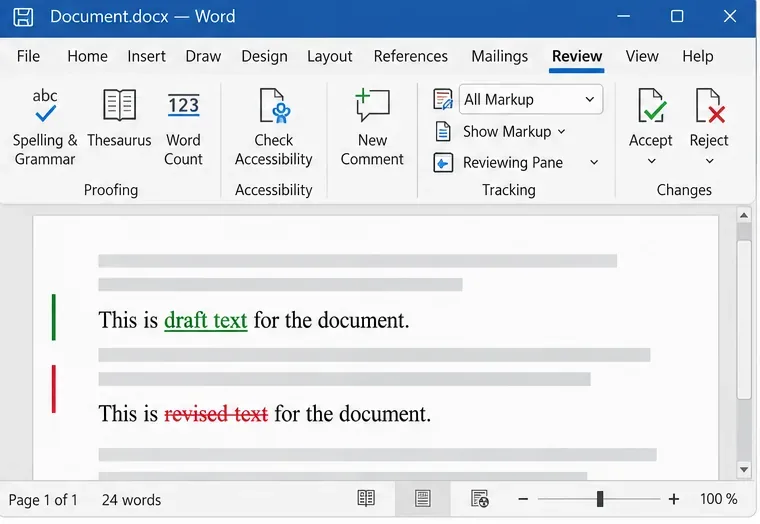
Track edits in Writer, preserve an editable ODT source, and check the exported DOCX in Word before sharing it.
The default language on Windows 10 is English, but you do not know much about this language so it is difficult to use and not take full advantage of the available features that Windows 10 provides. You want to switch to Vietnamese language but don't know what to do?
So please refer to the following article of Download.com.vn to quickly change the default language on Windows 10 to Vietnamese or any language you like.
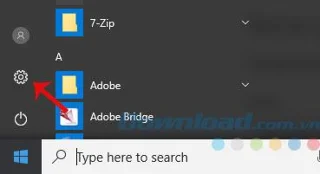
Step 1: To change the default language for Windows 10, click the window icon in the bottom left corner of the screen, select Settings (gear icon).
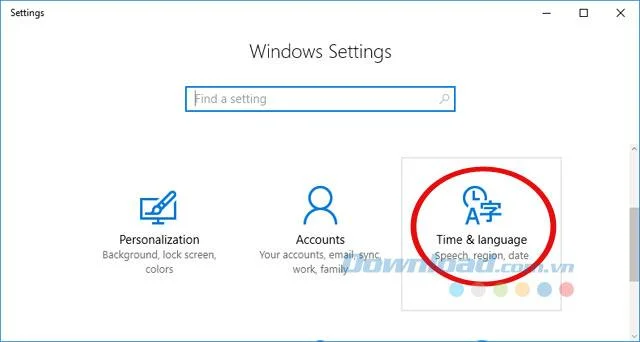
Step 2: In the Windows Settings window , select Time & Language.
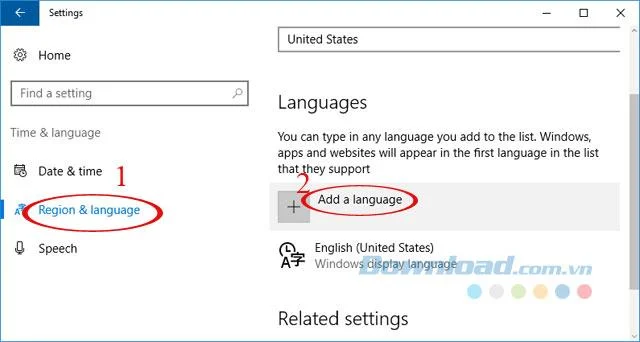
Step 3: Switch to the Region & language tab , you will see the default language English (United States) . To add Vietnamese language, click Add a language.
Step 4: Immediately there will appear a list of languages for you to choose, scroll down to find Vietnamese language .
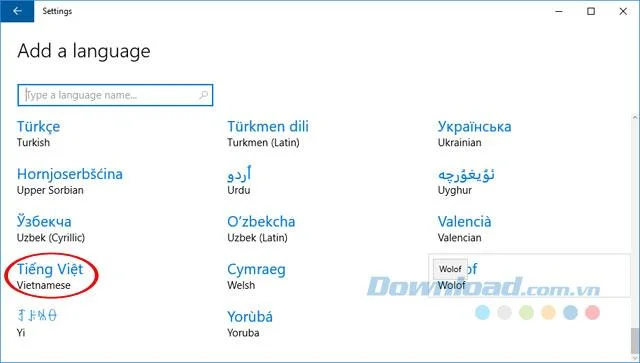
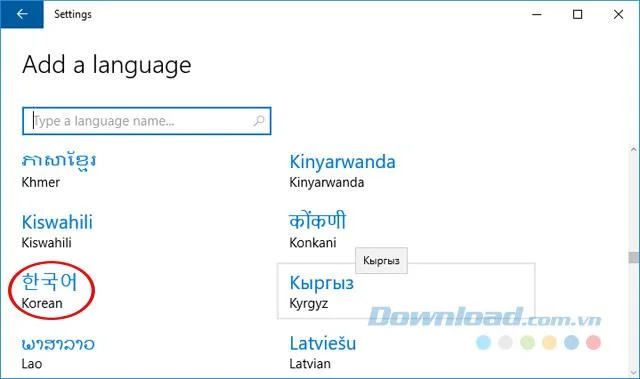
Also want to add another language you also choose here. For example, if you want to add Korean language, select Korean.
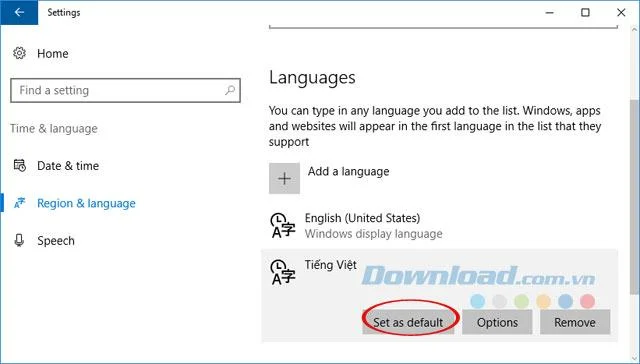
Step 5: Then, the language you choose will appear open the Languages section , click it and select Set as default to set as the default language of Windows 10.
Step 6: Next, click on Options.
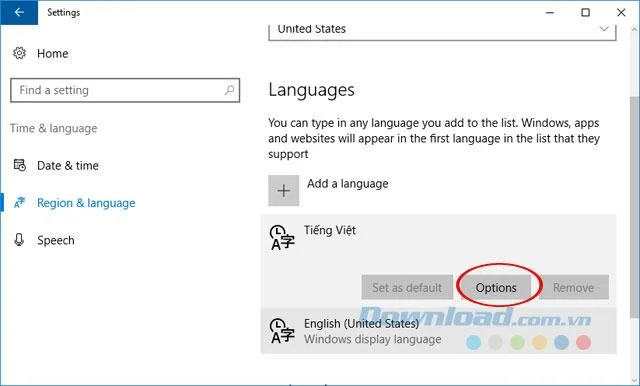
Step 7: Download the language pack to the device.
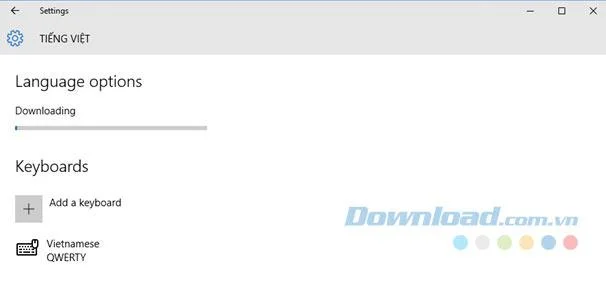
Step 8: When the download is completed, the words Will be display language after next sign-in will appear in Vietnamese language.
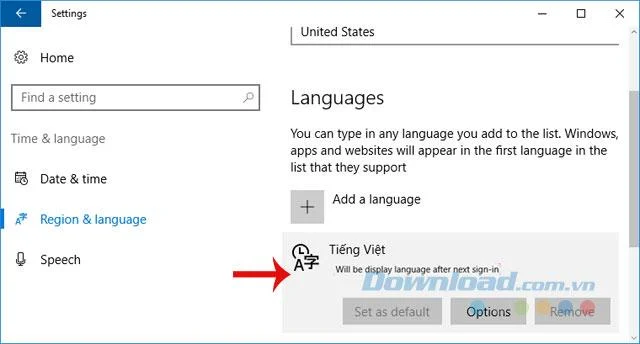
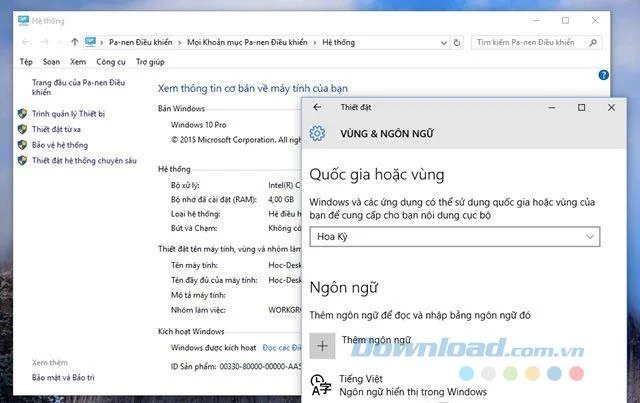
Step 9: Finally, reboot the system and you will see the language is converted to Vietnamese.
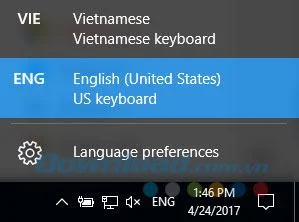
After installing a new language pack, the corresponding keyboard will install automatically. You can easily switch between keyboards by clicking the ENG icon in the system tray (or pressing the Windows key + Space ), then selecting the keyboard language you want to enter.
When you want to add a new keyboard but do not change the system language, do the following: First, click Start Menu> Settings> Time & Language> Region and Language . Then, click the language pack corresponding to the keyboard you want to add, select Options . In Section Keyboards , select the Add a Keyboard and keyboard language selection list.
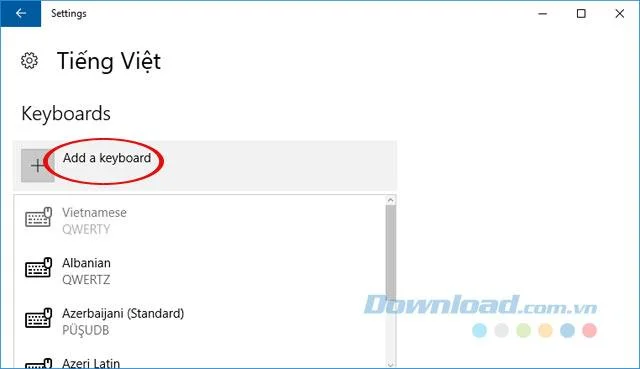
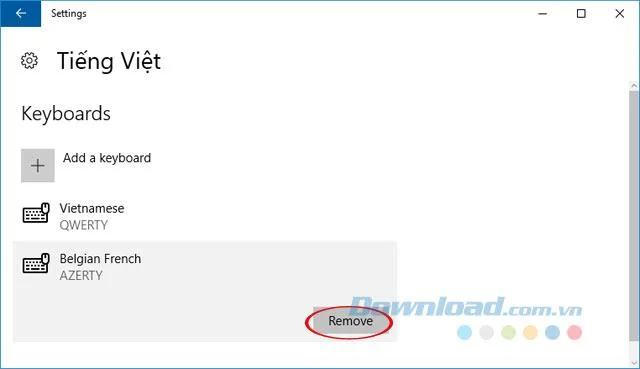
When you want to delete the keyboard, just select the keyboard you want to delete and click Remove.
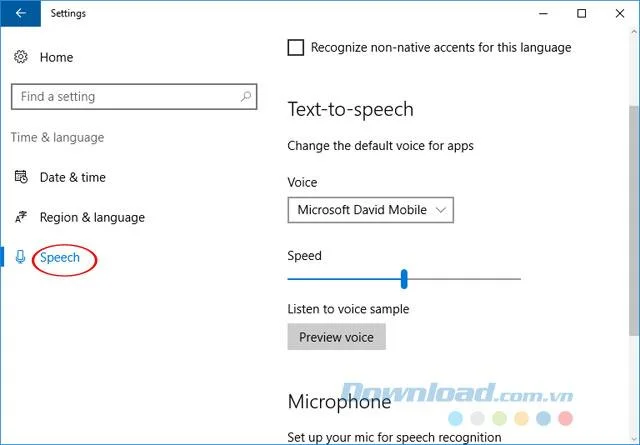
You can also customize the language that Cortana will use very simply by: Click Start Menu> Settings> Time & Language . Then, click the Speech tab from the left pane. In the right pane you can customize:
So now, you are free to experience Windows 10 in your native language. Pretty simple, isn't it?
I wish you successful implementation!
Track edits in Writer, preserve an editable ODT source, and check the exported DOCX in Word before sharing it.
Follow SUSE’s SP7 procedure to enable FIPS mode, reboot safely, verify the active policy, and check whether your compliance requirement calls for validated modules.
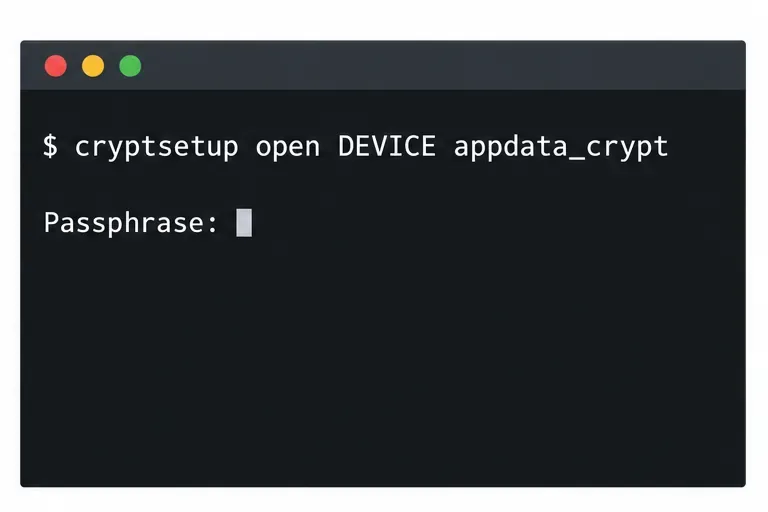
Compare YaST and cryptsetup for a new encrypted SLES data volume, choose LUKS1 or LUKS2, and verify unlock and mount behavior safely.
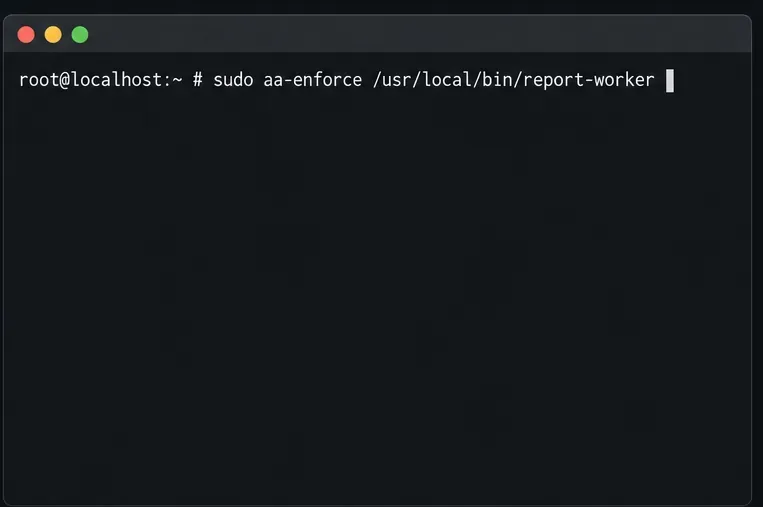
Create, refine, and verify a least-privilege AppArmor profile on SLES 15 SP7, with a clear note on SLES 16’s SELinux default.
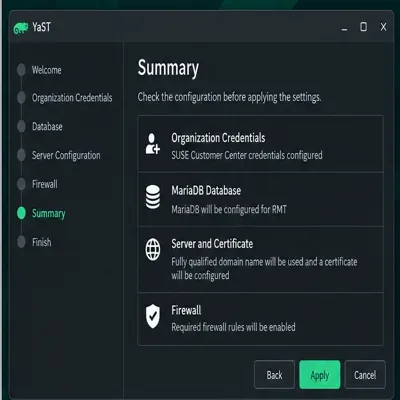
Set up RMT on SLES 15, mirror entitled repositories, and verify HTTPS registration and package access from a test client.
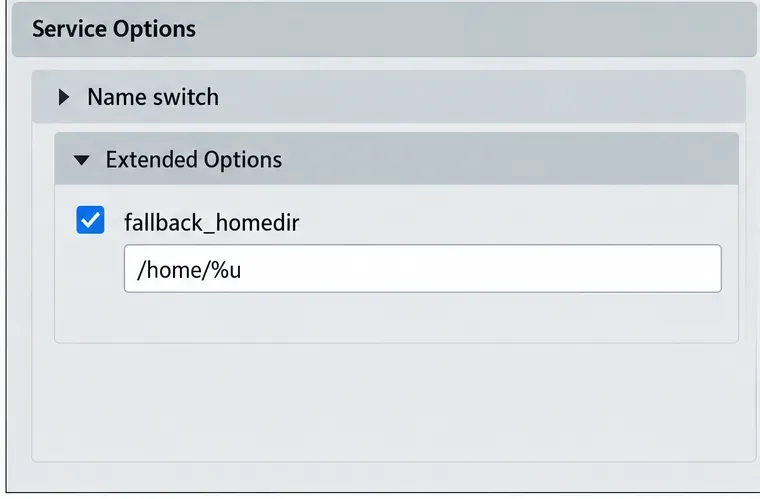
Connect SLES 15 to AD with YaST’s SSSD-based logon management, then verify directory lookup, domain login, and Kerberos tickets.
Set up the right Live Patching path for SLES 16.0 or 15 SP7, apply eligible kernel fixes, and confirm what is active without confusing it with a reboot-required kernel update.
Load a custom SLES 15 kernel module without disabling Secure Boot. Match the running kernel, sign the .ko file, enroll a MOK key, and verify loading.
SLES 15 SP5 can migrate online to SP6, but each node must reboot. Use a tested rolling upgrade or blue-green cutover to keep workloads reachable.
Use SUSE’s supported STIG profile to scan SLES 15, test remediation, review remaining findings, and retain assessment evidence.