Bluetooth Adapter Missing on Pardus 23? Start with These Checks
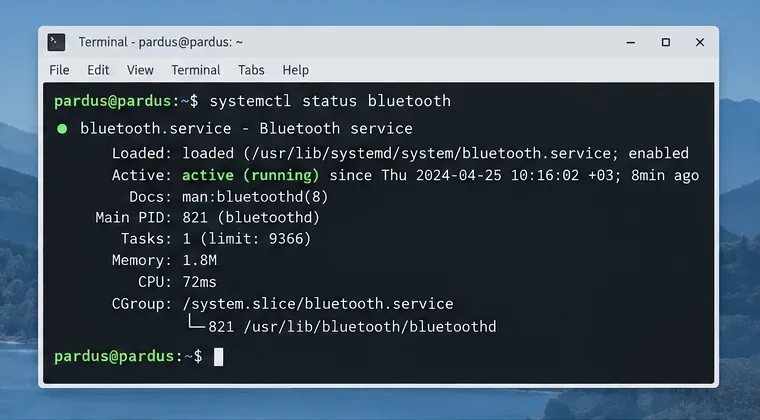
Find out whether Pardus 23 is blocking Bluetooth, missing BlueZ, or failing to detect adapter firmware, then confirm the controller works.
Imagine powering down your PC in seconds, saving precious battery life on your laptop, and waking it up exactly where you left off. That's the magic of Windows 11 hibernate mode. But what if the default settings don't quite fit your needs? Whether you're tweaking for efficiency, troubleshooting issues, or just optimizing your setup, configuring Windows 11 hibernate settings via registry gives you god-like control over your system's power behavior.
In this guide, we'll walk you through everything you need to know about how to configure Windows 11 hibernate settings via registry. No fluff—just precise, actionable steps to empower your workflow. By the end, you'll feel confident diving into the Registry Editor, making changes that stick, and even troubleshooting common pitfalls. Let's get started and transform how your device handles sleep and power. 🚀
Hibernate isn't just another power option; it's a hybrid of shutdown and sleep that writes your session to the hard drive before powering off completely. This means zero battery drain, quick resume times, and it's perfect for laptops or energy-conscious users. In the latest Windows 11 updates, Microsoft has refined power management, but the registry lets you fine-tune beyond the surface-level Settings app.
Common reasons to tweak hibernate settings include:
Ready to unlock these? We'll focus on safe registry edits that won't brick your system. Always back up first—more on that soon.

Before touching the registry, ensure you're set up for success. The Registry Editor (regedit) is powerful but unforgiving— one wrong move can cause issues. Here's how to prepare:
regedit, and hit Enter. Confirm UAC prompt.With these steps, you're protected. Now, let's dive into the core edits for configuring Windows 11 hibernate settings via registry.
By default, Windows 11 hibernate might be disabled on systems with fast SSDs to save space. Enabling it via registry is straightforward and restores the option in your power menu.
Navigate to: HKEY_LOCAL_MACHINE\SYSTEM\CurrentControlSet\Control\Session Manager\Power
powercfg /hibernate on and press Enter. This creates the hiberfil.sys file.Restart your PC. Hibernate should now appear in the power options. If you're on a tablet or touch device, this tweak ensures seamless integration with Windows 11's modern UI.
To free up disk space (hiberfil.sys can be 75% of your RAM size), reverse it:
powercfg /hibernate off.Pro tip: Disabling hibernate doesn't affect sleep or shutdown—it's targeted precision. Feeling empowered yet?
For deeper control, adjust the hibernate file size. Windows 11 defaults to 75% of your RAM, but you can slim it down without losing functionality—ideal for low-storage devices.
This requires a registry edit combined with a command:
HKEY_LOCAL_MACHINE\SYSTEM\CurrentControlSet\Control\Session Manager\Memory Management.powercfg /hibernate /size 50 (this sets it to 50% of RAM; adjust percentage as needed).Why does this matter? A smaller hiberfil.sys reclaims GBs of space, boosting performance on SSDs. In recent Windows 11 builds, this tweak integrates smoothly with automatic maintenance tasks.
Want your power button to trigger hibernate instead of shutdown? Registry makes it happen:
HKEY_LOCAL_MACHINE\SOFTWARE\Microsoft\Windows\CurrentVersion\Policies\Explorer. If the Explorer key doesn't exist under Policies, create it (right-click Policies > New > Key).This customizes your hardware buttons directly—super handy for desktops or custom builds.
Even with careful edits, glitches happen. Here's a quick table of fixes to keep you moving:
| Issue | Symptom | Registry Fix |
|---|---|---|
| Hibernate won't enable | Option missing in power menu | Set HiberbootEnabled to 1 in HKLM\SYSTEM\CurrentControlSet\Control\Session Manager\Power; run powercfg /hibernate on |
| Slow resume from hibernate | Long wake-up times | Check ClearPageFileAtShutdown in HKLM\SYSTEM\CurrentControlSet\Control\Session Manager\Memory Management; set to 0 |
| Hiberfil.sys too large | Low disk space | Edit HibernateFileSizeInMB or use powercfg /hibernate /size X (X=percentage) |
| Registry changes not applying | No effect after reboot | Ensure admin rights; delete and recreate the DWORD; run SFC /scannow in cmd |
If you're dealing with enterprise editions or Group Policy overrides, check gpedit.msc under Computer Configuration > Administrative Templates > System > Power Management. For more depth, explore Microsoft's official docs: HiberbootEnabled Reference.
To wrap up strong, remember these golden rules for Windows hibernate settings:
Configuring how to configure Windows 11 hibernate settings via registry isn't just technical—it's about reclaiming control in a world of one-size-fits-all software. You've now got the tools to optimize your setup, save energy, and boost productivity. Experiment safely, and if you hit a snag, the community forums are goldmines (but stick to verified advice).
What will you tweak first? Drop a comment below or share your power-saving wins. Keep powering on! 👏
Find out whether Pardus 23 is blocking Bluetooth, missing BlueZ, or failing to detect adapter firmware, then confirm the controller works.
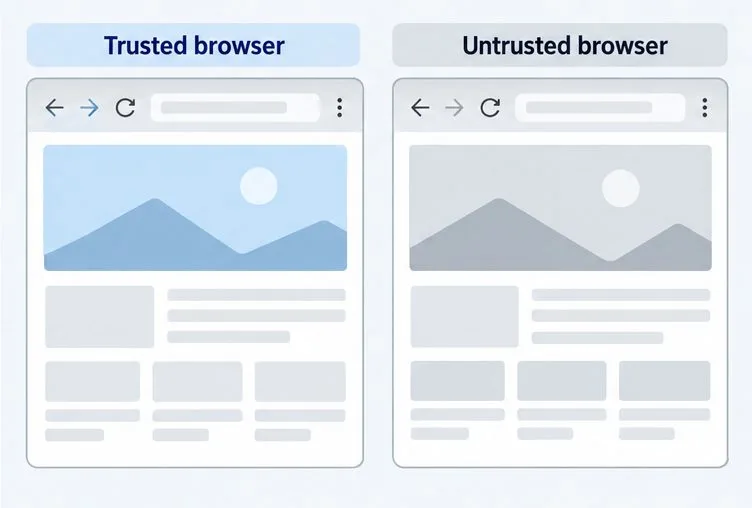
Learn how Gooroom separates trusted and untrusted browsing, what users can change, and how an administrator can safely update site policies.
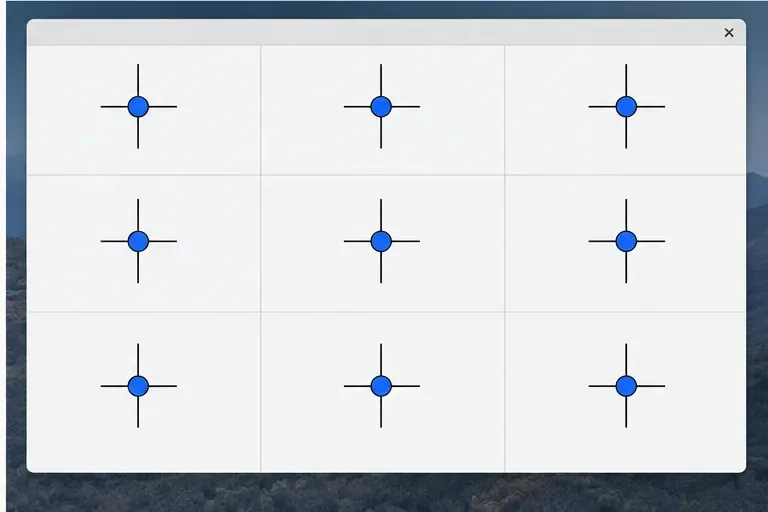
Diagnose rotated, offset, or inconsistent touch input on a Harmonica OS tablet and choose a Linux calibration method that fits its session and driver.
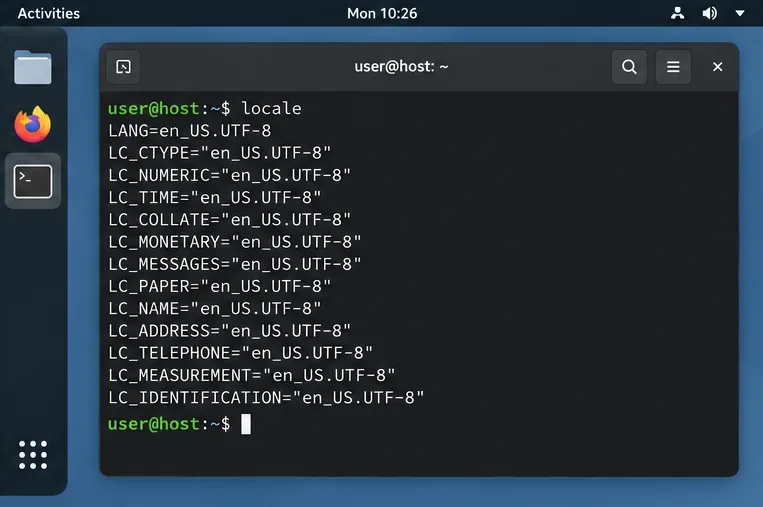
Switch Gooroom’s desktop session to English, verify the locale, and identify when untranslated Korean labels need an app update instead.
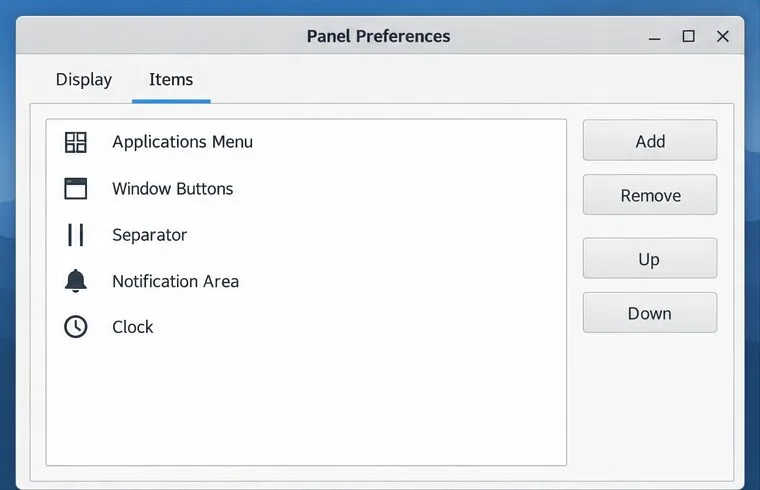
Arrange Pardus XFCE as a familiar bottom taskbar with an app menu, pinned launchers, open-window buttons, and a system tray.
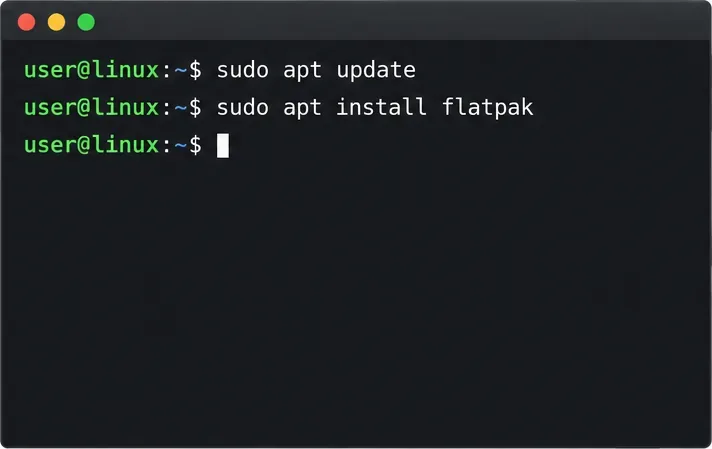
Check your Gooroom release and administrator rules, then follow the official Debian-based setup path for Flatpak or Snap without bypassing system controls.
Learn what Pardus Image Writer can do, how to prepare installation USB safely, and which tools fit custom live images or repeatable fleet deployments.
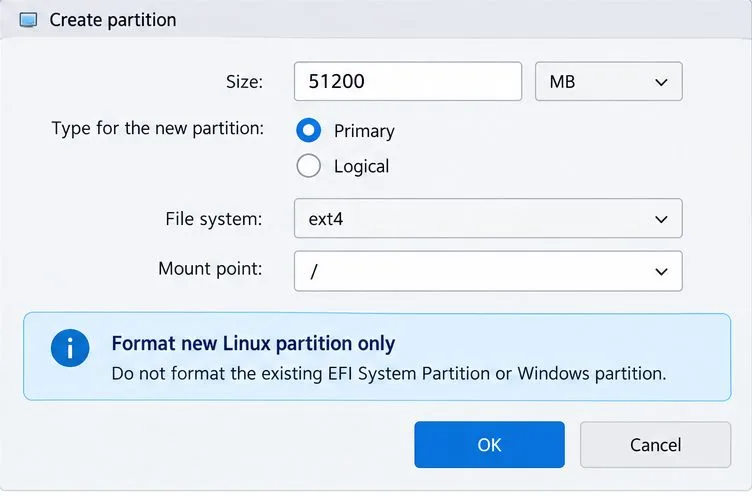
Install Pardus alongside Windows 11 by shrinking the Windows volume, using unallocated space, and preserving the existing EFI System Partition.
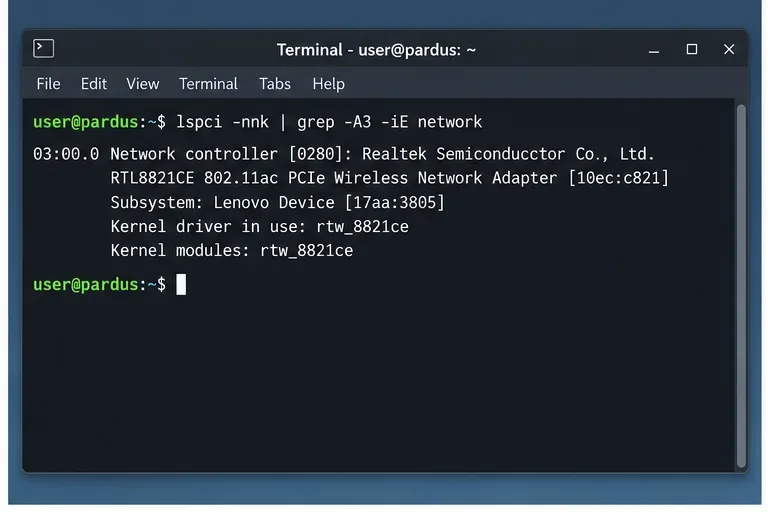
Identify the RTL8821CE, install Pardus-supported Realtek firmware, and verify the driver, Wi-Fi scan, and next troubleshooting step.
Use Pardus’s hardware-aware installer to enable the right NVIDIA driver, reboot safely, and verify the active kernel module.