Home
» How to
»
How to Customize Photos App on iOS 18
How to Customize Photos App on iOS 18
With iOS 18, the Photos app has been redesigned with a completely new interface, rearranging the photo and video management tabs. However, for some people, this new interface is unfamiliar and difficult to customize the photo albums in the app. The article below will guide you to customize the Photos app specifically and in detail.
How to Customize the Photos App on iOS 18
Step 1:
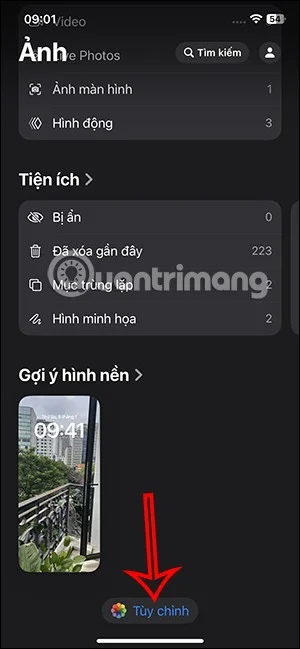
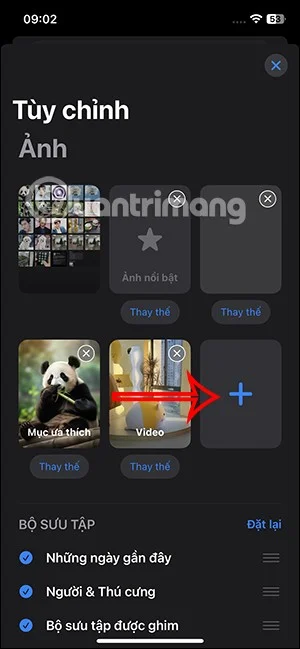
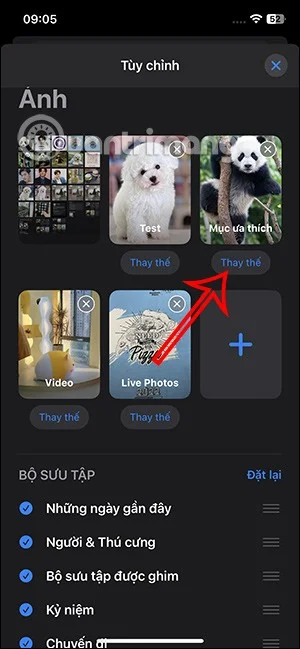
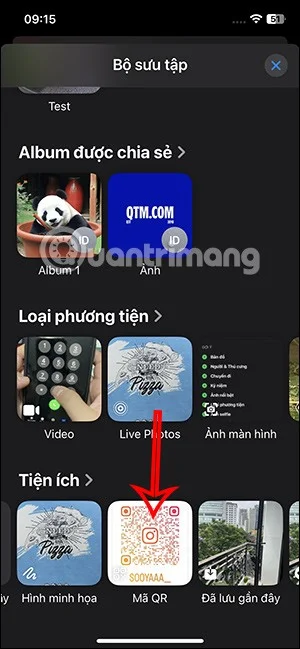
Open the Photos app on iOS 18, then scroll down to the bottom of the interface and tap on Customize . Now we will see thumbnails for each item. If you want to add a new item, tap the plus icon .
Step 2:
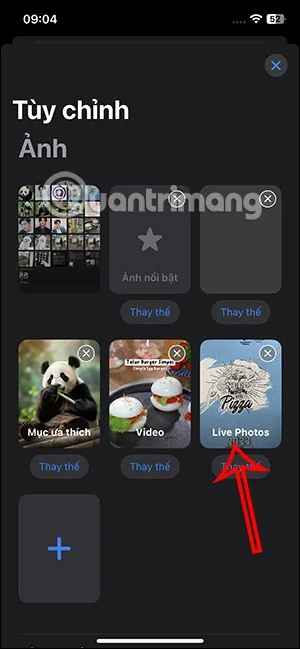
Shows collections for you to add to the interface, such as the Live Photos collection , and will show the interface outside as shown below.
Step 3:
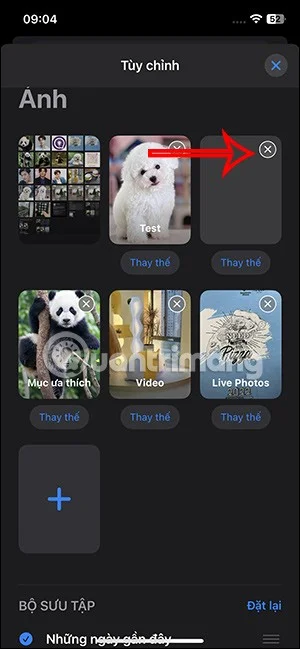
You also have the option to Replace the existing collection or tap the x icon to delete that collection .
Step 4:
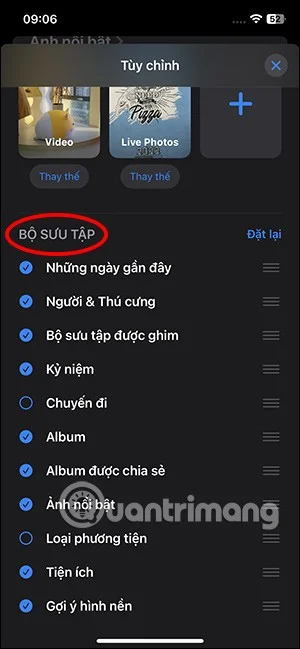
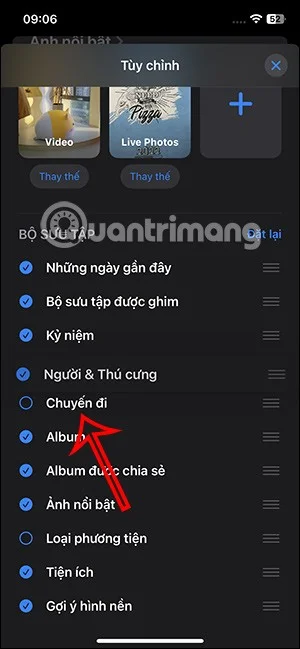
Continue to scroll down below is the Collection list to adjust the collection, remove display or rearrange the order . To return to the original order and display, press Reset.
Once you have finished customizing the albums, press X to exit the interface.
Step 5:
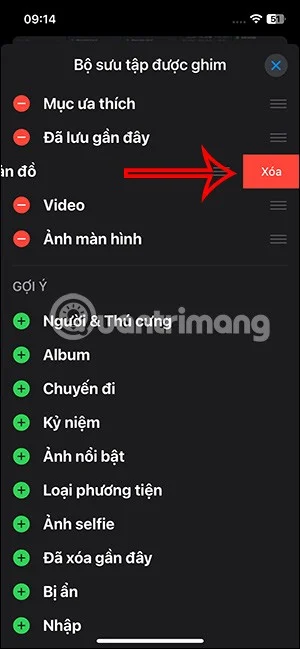
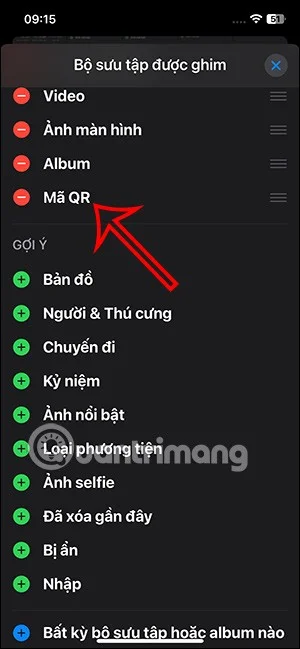
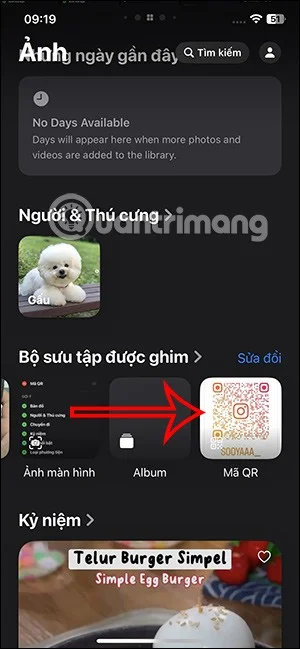
In Pinned Collections you click Edit to change the collections displayed. Here we see which pinned collections are displayed above and the Suggestions list below to add.
Tap the red circle and select Delete to delete the pinned collection.
Step 6:
Scroll down and you'll see the Any collection or album option to add to the Pinned Collections section. This will show you all the albums currently in the Photos app to add to the pinned section.
Just click on the new album you want to pin and it will appear in the pinned section as shown below.
We continue to adjust other items to get the Photos application management interface to our liking.