Home
» How to
»
How to delete YouTube history on Smart TV Samsung, LG, Sony
How to delete YouTube history on Smart TV Samsung, LG, Sony
Video How to delete YouTube history on Smart TV Samsung, LG, Sony
In the article below, along WebTech360 learn how to delete your YouTube viewing history on Smart TV Samsung , LG , Sony .
Why should delete Youtube watch history?
Clearing your YouTube video watch history will ensure your privacy, especially for devices that many users use like televisions.
How to delete YouTube watch history on Smart TV Samsung, LG, Sony
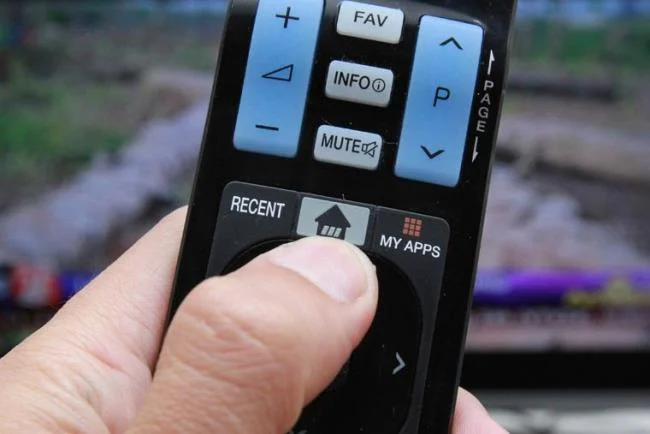
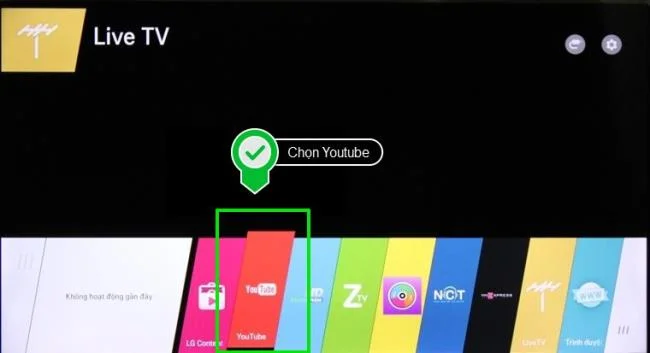
Step 1: Open the YouTube app. For example, in this article WebTech360 works on LG Smart TV WebOS operating system, so will press the Home button (the button with the house image) on the remote. Then, on the TV interface select the YouTube app in the list of apps.
Press the Home button on the remoteSelect the YouTube interfaceThe TV opens the YouTube app
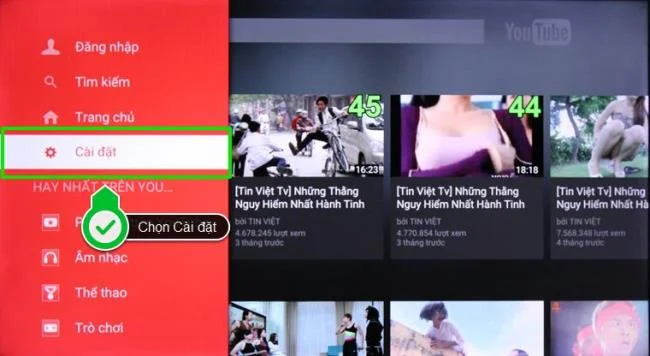
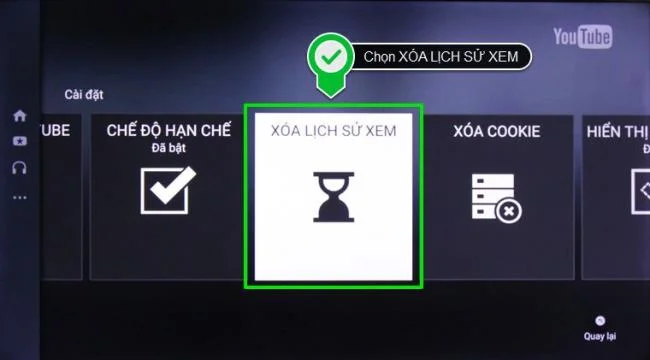
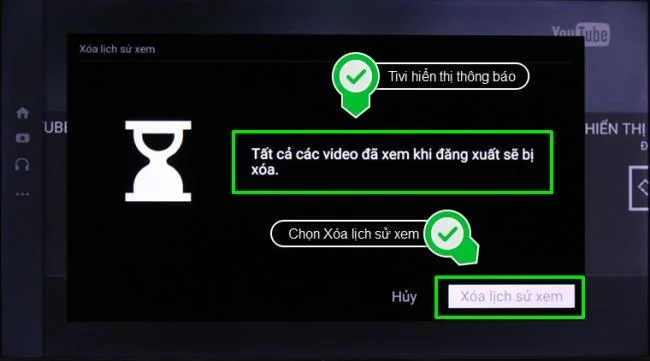
Step 2: In the YouTube interface, choose Settings, then select DELETE VIEW HISTORY. At this point, the TV will display a message about deleting watch history and you just have to select Clear watch history to confirm. Your entire YouTube watch history will be deleted.
Select SettingsSelect DELETE VIEW HISTORYSelect Clear view history to confirm
Note: Not all YouTube apps on Smart TV will delete history according to the steps above. The instructions in this article are only for the YouTube interface on Smart TVs Samsung, LG, Sony.