Deploy Shared Pardus Wallpapers and Policies with Lider Ahenk
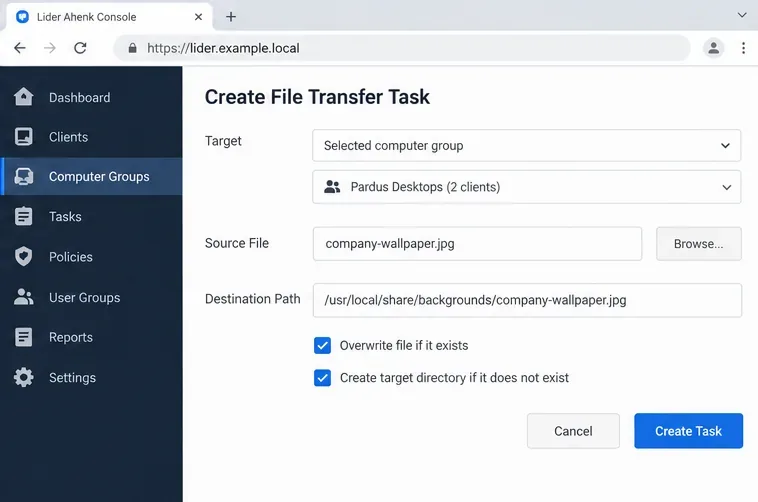
Distribute a custom wallpaper to Pardus clients, configure Xfce or GNOME desktops, and apply Lider Ahenk user policies with safe pilot checks.
Imagine powering down your PC while keeping all your open apps, documents, and tabs exactly as they were—ready to pick up right where you left off. That's the magic of hibernate in Windows 11 Home Edition. If you're frustrated because this feature seems missing from your power menu, don't worry. It's often disabled by default, but enabling it is straightforward and can transform how you manage your device's energy and productivity.
In this guide, we'll walk you through the process to enable Hibernate in Windows 11 Home Edition with clear, actionable steps. Whether you're a busy professional or a casual user, these tips will help you save time and battery life. Let's dive in and get your system hibernating like a pro! 🚀
Hibernate is a power-saving mode that writes your current session to your hard drive (or SSD) and then shuts down the computer completely. Unlike sleep mode, which keeps your RAM powered, hibernate uses zero energy while preserving your work. When you restart, Windows reloads everything from the hibernation file, making it faster than a full boot-up.
For Windows 11 Home Edition users, enabling hibernate is especially useful on laptops where battery life matters. It prevents data loss from unexpected shutdowns and is ideal for long sessions without draining power. Plus, in the latest updates, Microsoft has optimized it for faster resume times on modern hardware. Ready to see how it works? Let's move to the steps.
Enabling hibernate in Windows 11 Home requires a few tweaks via Command Prompt and Power Options. No advanced skills needed—just follow along. We'll use built-in tools for a safe, reversible process.
1. Right-click the Start button (or press Windows key + X). 2. Select Terminal (Admin) or Command Prompt (Admin). If prompted by User Account Control, click Yes.
This ensures you have the permissions to modify power settings. Pro tip: If you're on a shared PC, double-check with your admin if needed.
In the Command Prompt window, type the following command and press Enter:
powercfg /hibernate onThis activates the hibernation file (hiberfil.sys) on your system drive. You'll see a confirmation if successful. The file size is typically 75% of your RAM, so it might take a moment on larger systems.

Now, hibernate is technically enabled, but it won't show in your power menu yet. Let's fix that next.
1. Search for Power & sleep settings in the Windows search bar and open it. 2. Scroll down and click Additional power settings on the right. 3. In the Power Options window, click Choose what the power buttons do on the left sidebar. 4. Then, click Change settings that are currently unavailable (this requires admin rights again).
Under the Shutdown settings section, you'll see a checkbox for Hibernate. Check it to make hibernate appear in the Start menu's power options.
Click Save changes. Voilà! Your power menu now includes hibernate. Test it by clicking Start > Power > Hibernate.
To make Windows 11 hibernate even better, adjust these:
These tweaks ensure smooth operation without hiccups. Feeling empowered? Keep reading for troubleshooting if things don't go as planned.
Even with the latest Windows 11 builds, glitches happen. Here's how to fix them quickly:
| Issue | Solution |
|---|---|
| Hibernate option missing after enabling | Run powercfg /hibernate on again, then restart your PC. Check for Windows updates via Settings > Windows Update. |
| Not enough disk space error | Delete the hibernation file with powercfg /hibernate off, free up space, then re-enable it. Aim for at least 10GB free on C:. |
| Slow resume from hibernate | Update your SSD drivers or switch to an SSD if using HDD. Disable unnecessary startup apps to speed up loading. |
| Hibernate doesn't save open apps | Ensure Fast Startup is on in Power Options. If on a domain-joined PC, group policies might interfere—contact your IT admin. |
These fixes cover 90% of problems. If you're still stuck, the official Microsoft support can help. For more details, check Microsoft's Power Plans guide.
Once enabled, take your setup further:
rundll32.exe powrprof.dll,SetSuspendState Hibernate. Assign a hotkey for instant access! ⭐powercfg /hibernate off and uncheck in Power Options. This reclaims disk space.Experiment with these to tailor hibernate to your workflow. It's all about making your Windows 11 Home experience seamless and efficient.
Enabling hibernate in Windows 11 Home Edition is a game-changer for anyone tired of slow startups or lost work. With these steps, you've unlocked a reliable way to pause and resume effortlessly. Your PC will thank you with longer battery life and quicker sessions—imagine the productivity boost!
Have you tried hibernate yet? Drop a comment below with your experience, or share if this guide saved your day. For more Windows tips, stick around—we've got guides on everything from optimizing performance to hidden features. Happy hibernating! 😊
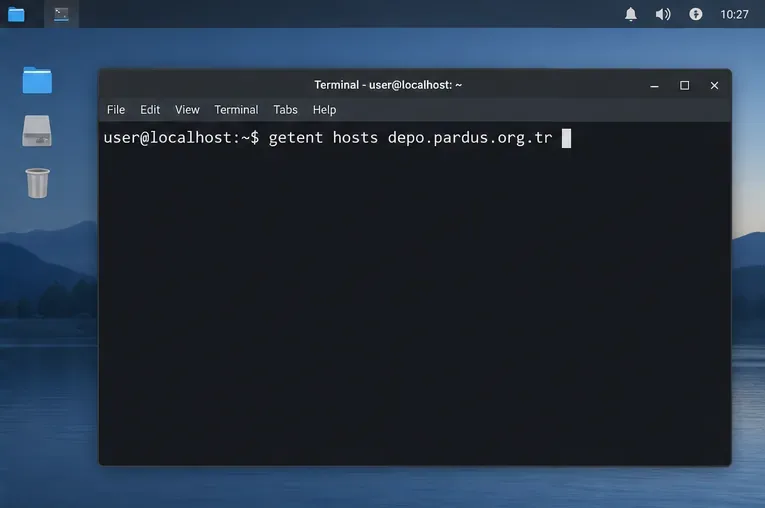
Distribute a custom wallpaper to Pardus clients, configure Xfce or GNOME desktops, and apply Lider Ahenk user policies with safe pilot checks.
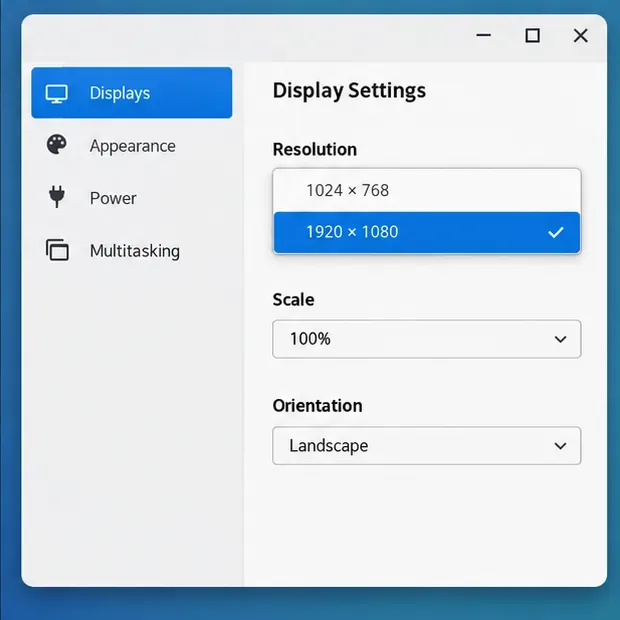
Fix a 1024 × 768 ceiling by checking SPICE, virtual video, the guest channel, and spice-vdagent—with safe checks when Pardus lacks a package candidate.
Set up the Lider server, configure its installer safely, register Ahenk endpoints, and verify a pilot before expanding central management.
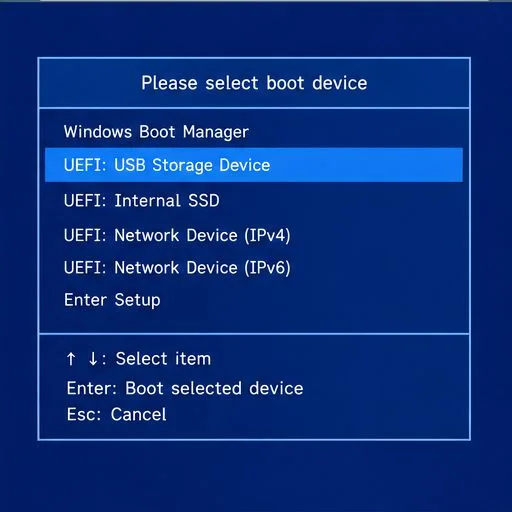
Download the official Pardus 23 desktop ISO, write it safely with Rufus, and boot a Windows PC into a temporary Live session.
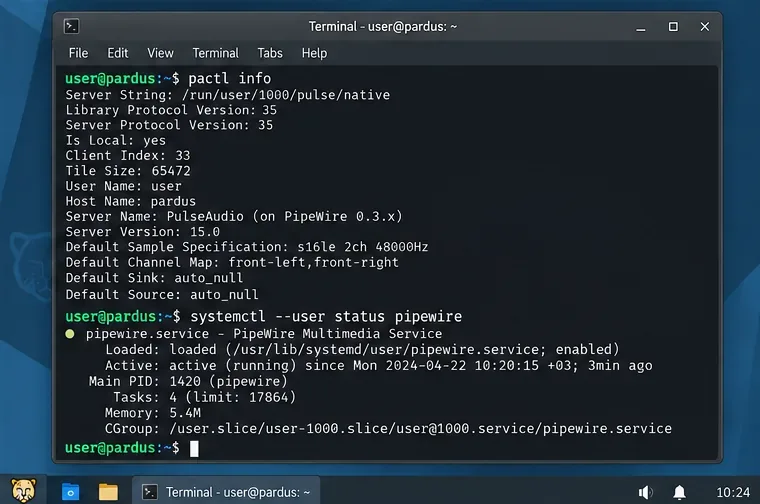
Find out why Pardus 23 cannot detect your sound card, then use targeted ALSA, firmware, and PipeWire or PulseAudio checks to restore playback.
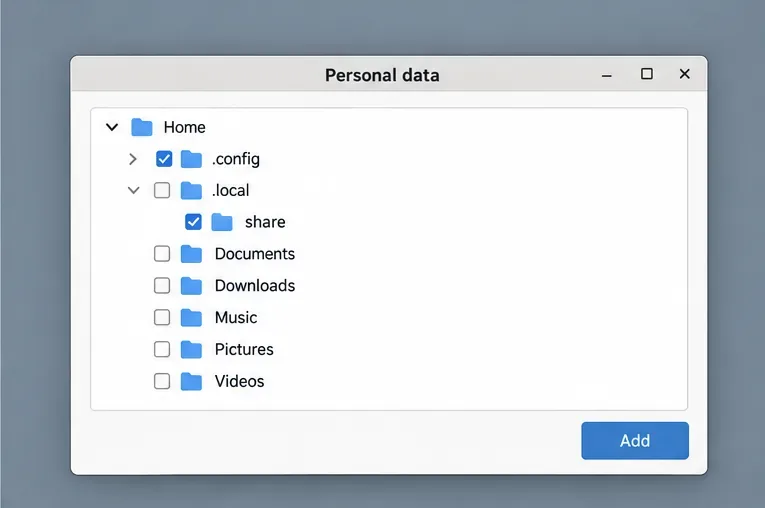
Save HamoniKR preferences to external storage, include hidden home folders, and choose a safe restore mode when moving to a fresh installation.
Install and configure xrdp on Pardus, choose the right Xfce session, restrict network access, and verify that remote login works.
Diagnose Pardus 23 APT connection failures, confirm the official yirmiuc sources, and restore apt update without bypassing package signature checks.
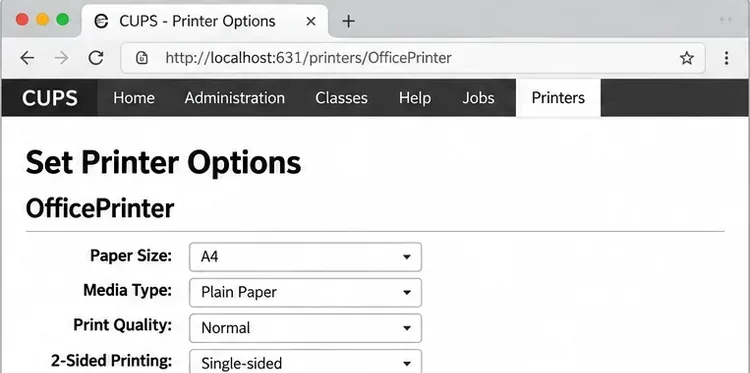
Configure printers on Harmonica OS using CUPS, compare driverless IPP with legacy drivers, and verify USB or network printing with a test page.
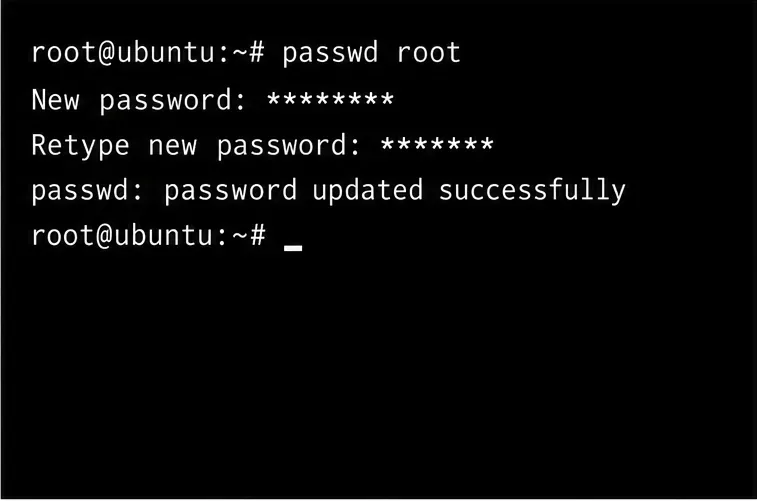
Use a recovery shell to set a new Harmonica OS root password, with checks for encrypted disks, read-only filesystems, and accounts that use sudo.