Set Up Secure RDP Access to a Pardus Xfce Desktop

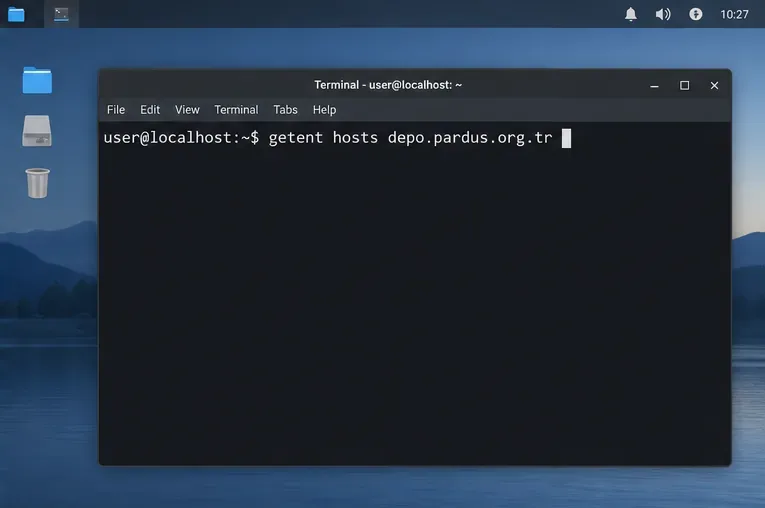
Install and configure xrdp on Pardus, choose the right Xfce session, restrict network access, and verify that remote login works.
As we know, Windows Taskbar is one of the main components of Windows operating system, used for many different purposes. With Taskbar, users can manage all tasks, currently running programs and quickly access different settings on the system.
The latest version of Windows 10 comes with an option called Auto-hide Taskbar so that you can set your Windows computer to automatically hide the bar when the system is idle. Sometimes you need to hide the Windows 10 Taskbar to gain more space on your computer screen or maybe it appears only when needed.
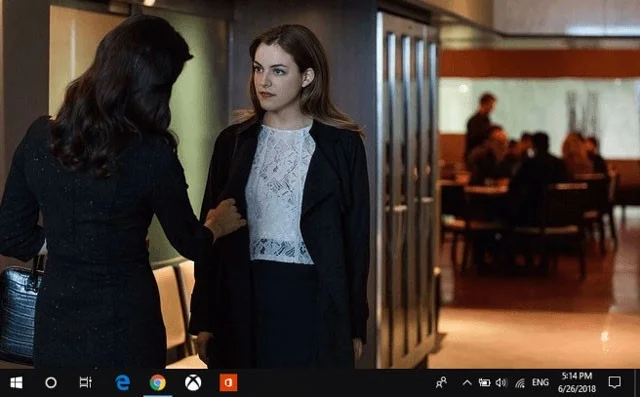
In short, you can easily set the taskbar to hide automatically as you wish. However, with the recent Windows update, many users have complained about the issue of Windows 10 Taskbar not hiding when in full screen mode and showing while watching full screen videos on YouTube or VLC .
If you have Taskbar auto-hide enabled , the Windows 10 taskbar will automatically hide after a period of system idle time. But if it doesn't hide itself, it means there is a problem with the taskbar or something related that needs to be fixed.
How to Fix Windows 10 Taskbar Not Hiding in Full Screen
Although, there can be many reasons why the taskbar won’t hide in full screen mode, it happens when an app or system notification pops up until you view or dismiss it. If the notification isn’t the cause of the problem, then check out the following two solutions.
Windows Explorer may look like a standard software in the system, but the taskbar error does not hide the error that occurs due to the abnormal operation of Windows Explorer. Windows Explorer manages all the tasks and notifications in the system. Therefore, it controls the taskbar to provide users with updates and notifications.
Sometimes Windows Explorer freezes and this leads to an error that prevents the taskbar from hiding. Restarting Windows Explorer is one of the quick fixes that can easily fix the error.
This is the easiest and quickest fix that allows users to fix the taskbar not hiding error. If it doesn’t work, move on to the next method.
Windows allows users to customize the taskbar and make corresponding changes in the settings. If the system shows an error that the taskbar is not hidden, the user must first verify that the taskbar is not locked in the taskbar settings. In addition, the taskbar also has an auto-hide taskbar feature enabled in the settings.
To check the settings mentioned in the taskbar settings option, follow the steps below.
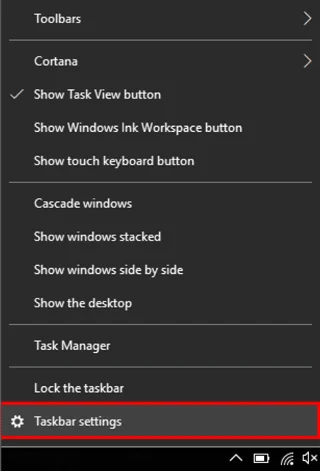
Right-click on the taskbar and a dialog box will appear. From the drop-down list, select the Taskbar Settings option as shown in the image below.
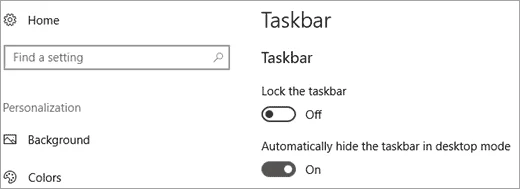
Make sure the Lock the taskbar setting is turned off. Now, turn on the Automatically hide the taskbar in desktop mode setting , as shown in the image below.
By following the steps mentioned above, users can easily enable the auto-hide taskbar feature in Windows and it will not show the error anymore.
Another big reason why the taskbar doesn't hide is notifications. Different apps show different notifications, for example if you're downloading a file from Chrome then its icon will show progress on the taskbar - this keeps the taskbar active and prevents it from hiding.
The full screen taskbar in games is the biggest distraction for gamers. To fix this, you need to disable notifications and this will allow you to hide the taskbar.
Follow the steps mentioned below to fix taskbar not hiding in full screen game.
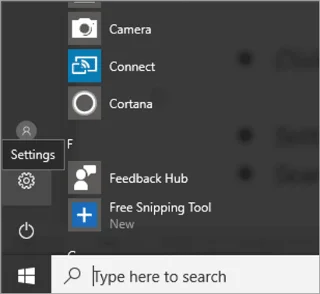
Click the Start button and click the Settings icon , as shown below.
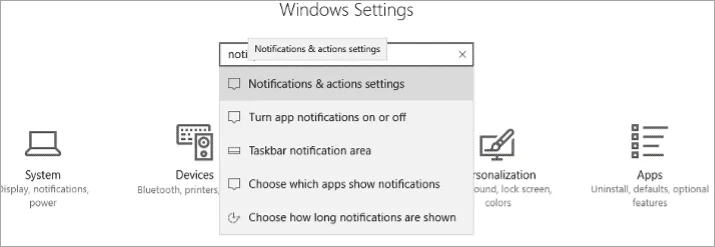
A settings window will open. Search for Notification & Action Settings in the search bar as shown in the image below.
Notification & Action Settings will open as shown below.
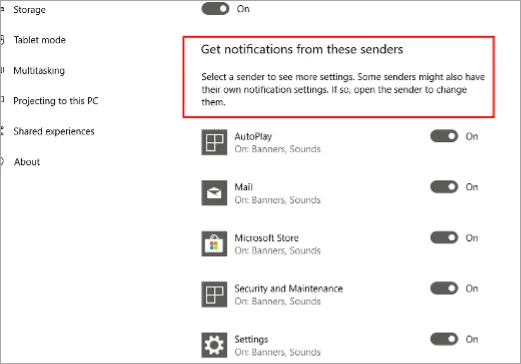
Scroll down and look for Get notification from these senders , as shown in the image below.
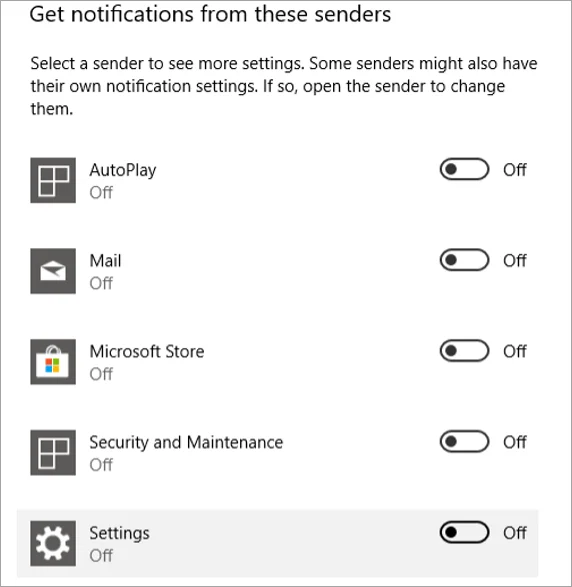
Now, turn off all the options under this heading, as shown in the image below.
By following the steps mentioned above and turning off all app notifications, the taskbar not hiding error will be fixed.
To facilitate and manage Windows operations easily, there is a feature called group policy. This is a feature that provides users with centralized access to make changes in different settings. There are different group policies that are associated with different settings in the system.
By following the steps mentioned below, the user will learn about different group settings and make corresponding changes in the system.
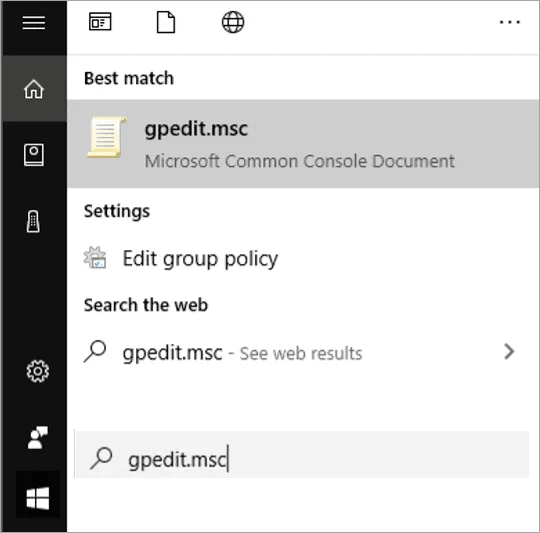
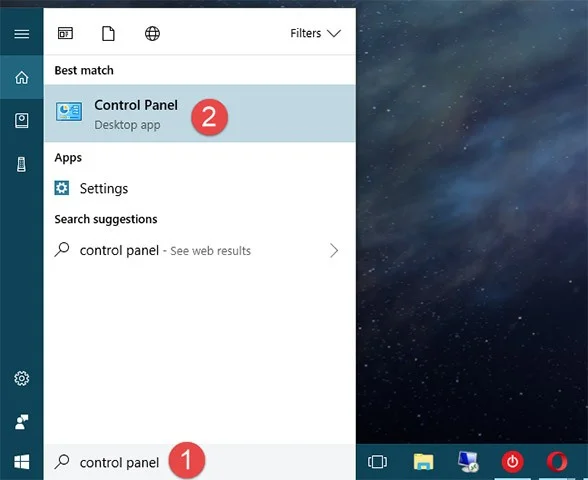
Click the Start button and search for gpedit.msc in the search bar and press Enter , as shown in the image below.
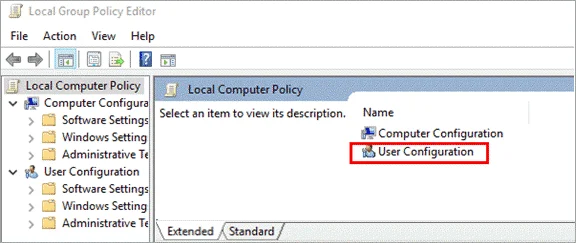
The group policy window will open and now click on the User Configuration option as shown in the image below.
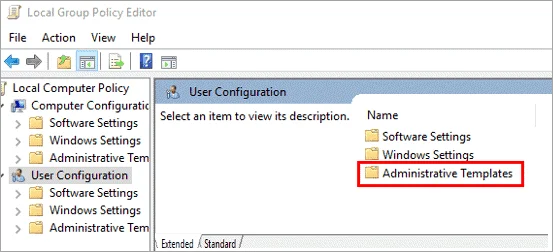
A window will appear as shown in the image below. Click on Administrative Templates .
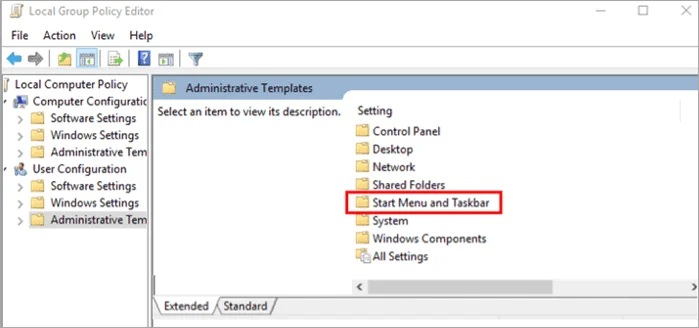
A window will open, as shown in the image below. Click on the Start Menu and Taskbar option .
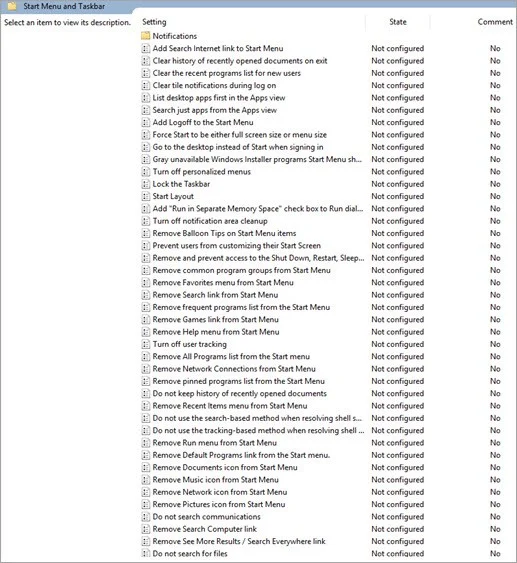
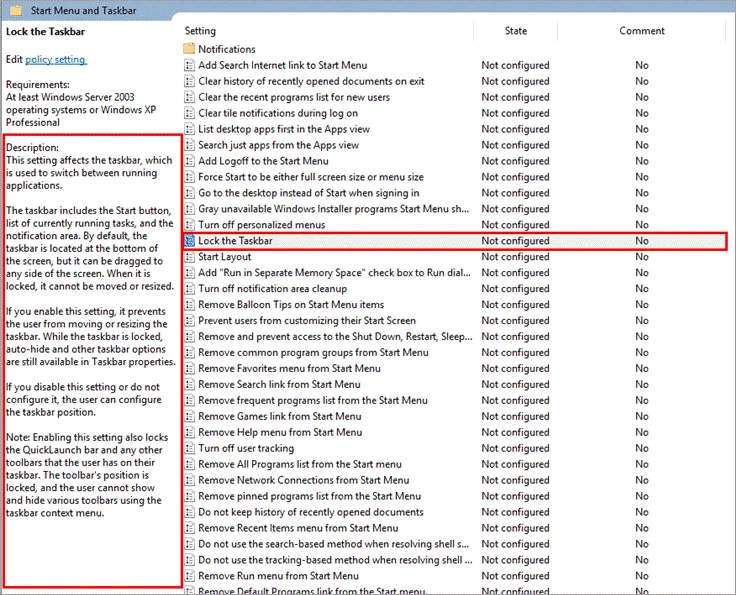
A list of group policies will appear, as shown in the image below. Now double-click on the group policy and make the corresponding changes to enable or disable the policy.
When you click on any policy, a description of that policy and its features will be displayed in the left column.
Users can search for the changes they want to make and can make changes in the respective settings.
Another possible way to fix the taskbar not hiding issue is to update your system. Updating your system to the latest version may contain fixes for the taskbar not hiding issue.
Sometimes when a user uses Chrome player and switches to full screen mode, the taskbar does not hide and does not allow the user to use the screen. Therefore, by following the steps mentioned below, the user can fix this issue.
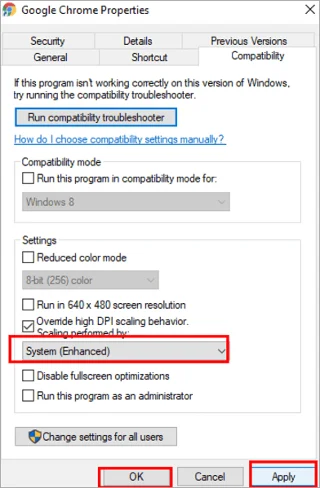
Right-click on the Chrome icon on the desktop and click on the Properties option from the list of options. A window will open as shown in the image below. Now, click on the Compatibility option .
Select the Override high DPI scaling behavior Scaling Performed by option if this option is not selected and click on Apply > OK button as shown in the image below.
Changes in settings or some extensions can be the cause of the taskbar not hiding error in Chrome so restoring Chrome to default settings is the way to fix this error.
Follow the steps mentioned below to restore Chrome to default settings.
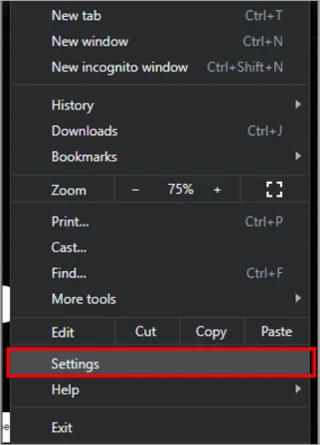
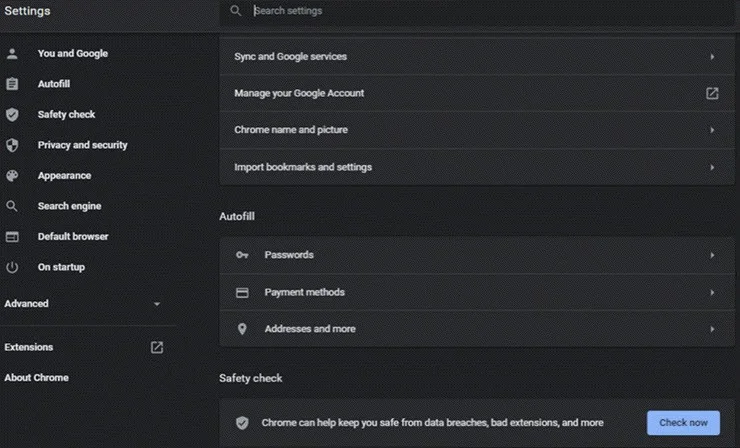
Open your Chrome browser, click on the Menu option and a drop-down list will appear, as shown in the image below. Now, click on the Settings option .
The settings dialog box will open, as shown in the image below.
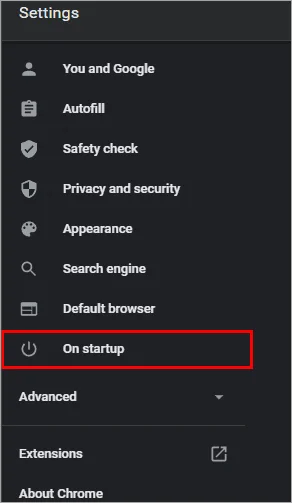
From the list of settings, click On Startup , as shown in the image below.
A screen will appear, as shown below. Click the Advanced button .
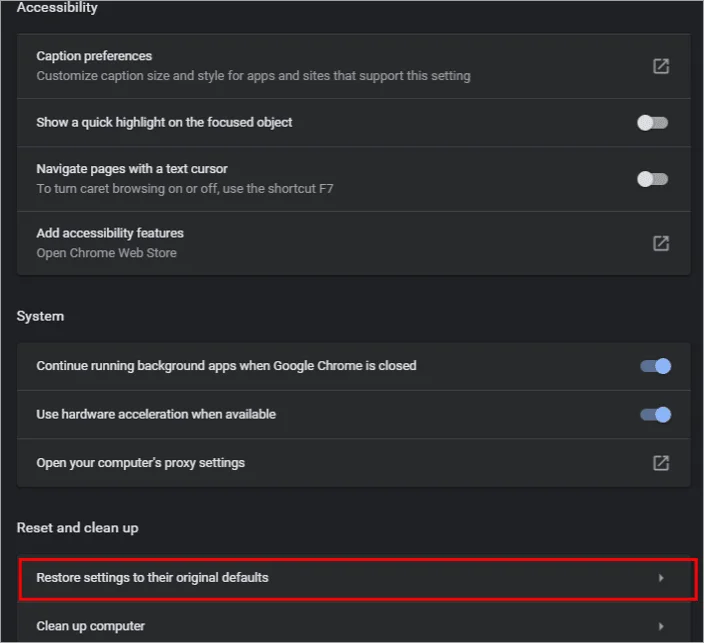
Scroll down to the bottom of the screen and click restore settings to their original default settings, as shown in the image below.
A dialog box will open. Then click Reset settings , as shown in the image below.
Good luck!
See also:
Install and configure xrdp on Pardus, choose the right Xfce session, restrict network access, and verify that remote login works.
Diagnose Pardus 23 APT connection failures, confirm the official yirmiuc sources, and restore apt update without bypassing package signature checks.
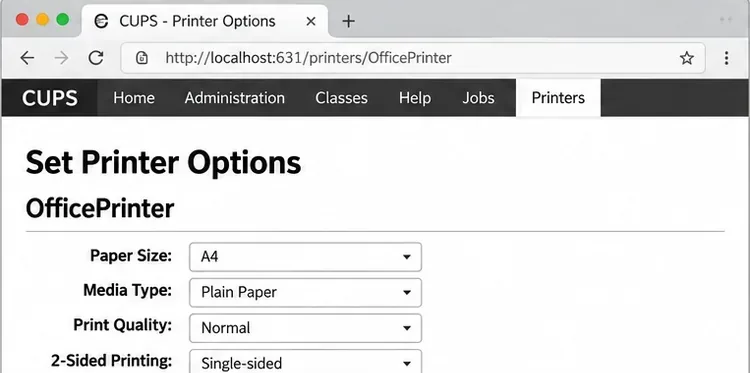
Configure printers on Harmonica OS using CUPS, compare driverless IPP with legacy drivers, and verify USB or network printing with a test page.
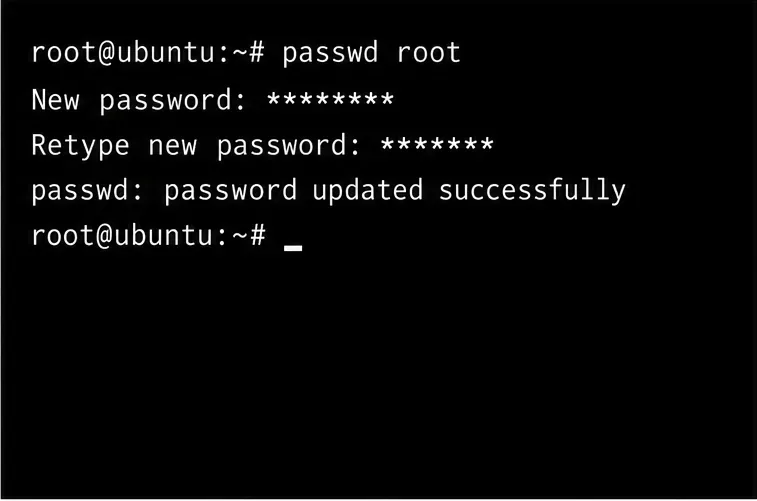
Use a recovery shell to set a new Harmonica OS root password, with checks for encrypted disks, read-only filesystems, and accounts that use sudo.
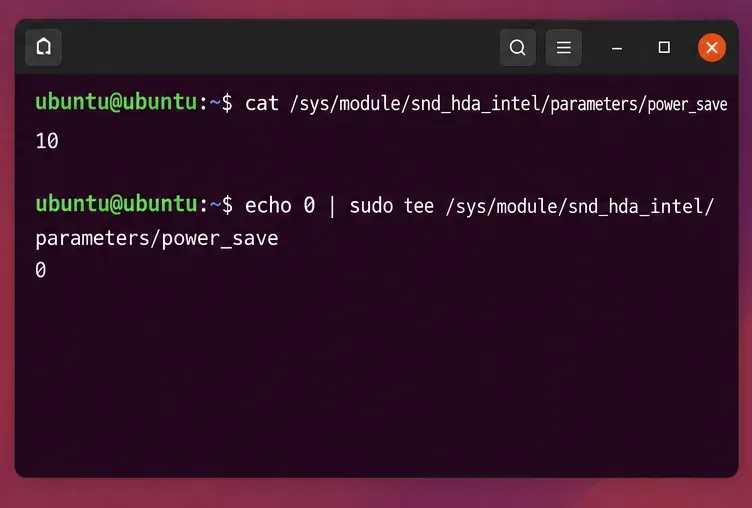
Trace whether clipping, ALSA format conversion, or HDA power saving is causing Ubuntu 24.04 audio distortion, then apply the matching reversible fix.
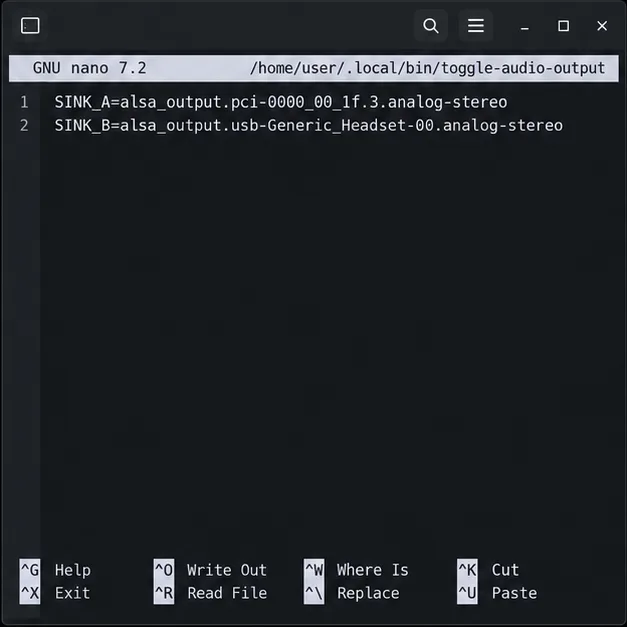
Switch Debian audio between named PipeWire outputs with a pactl script that updates the default sink and reroutes streams already playing.
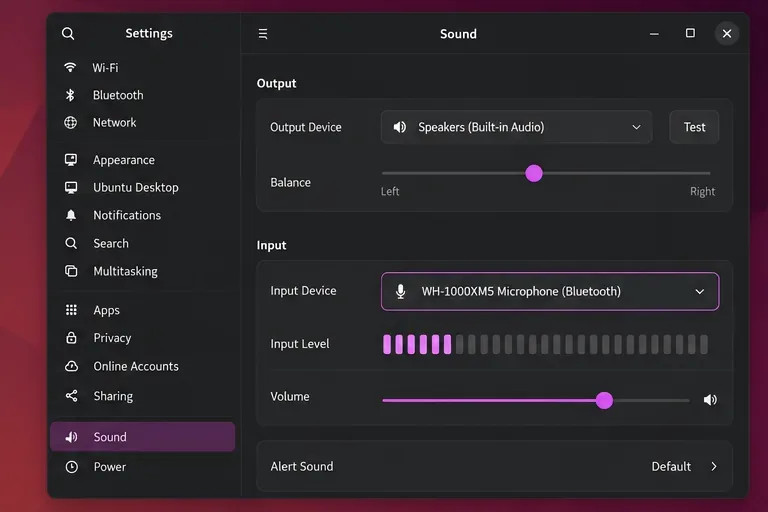
Get your Bluetooth headset mic working by selecting the right input, using a hands-free audio profile, and checking Ubuntu’s PipeWire route.
Learn why Flatpak apps may ignore Ubuntu 24.04 GTK themes and follow safe steps to check theme extensions, refresh Flatpak apps, and diagnose portal issues.
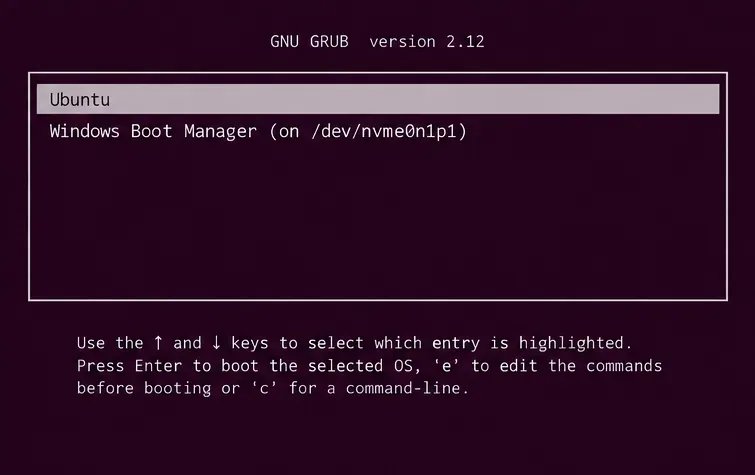
Install Ubuntu 24.04 alongside Windows 11 with BitLocker safely. Compare separate-drive and shared-drive paths, recovery keys, partitioning, and boot checks.
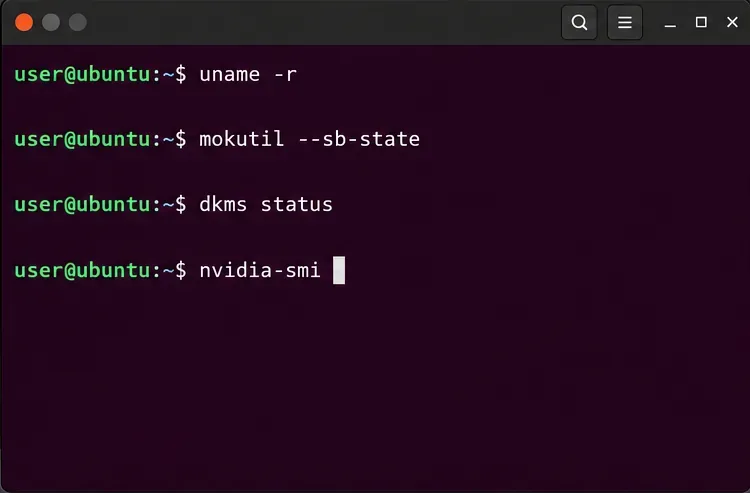
Diagnose NVIDIA driver failures after an Ubuntu kernel update. Check DKMS and Secure Boot, rebuild the matching module, enroll a MOK, and verify the fix.