Enable NVIDIA on Pardus 23 with Its Driver Installer
Use Pardus’s hardware-aware installer to enable the right NVIDIA driver, reboot safely, and verify the active kernel module.
Imagine firing up your Windows 11 PC, only to hit a frustrating DirectAccess connectivity error that blocks your secure remote access to corporate networks. It's a common headache for professionals relying on DirectAccess for seamless VPN-like connections without manual logins. But don't worry—this guide is your lifeline. We'll walk you through clear, actionable steps to diagnose and fix Windows 11 DirectAccess error issues, drawing from the latest troubleshooting insights. By the end, you'll have your connection humming smoothly, saving you time and stress. Let's dive in and get you connected! 🌟
DirectAccess is a built-in Microsoft feature in Windows that provides always-on, secure access to your organization's internal network from anywhere, using IPv6 and IPsec. It's especially vital for remote workers, but on Windows 11, updates, network changes, or configuration glitches can trigger the DirectAccess connectivity error. Common culprits include firewall blocks, outdated drivers, or conflicts with the latest Windows patches.
According to Microsoft's official documentation, these errors often stem from IP connectivity issues or misconfigured Group Policy Objects (GPOs). The good news? Most fixes are straightforward and don't require advanced IT skills. Stick with us as we break it down step by step, ensuring you understand each move to avoid future hiccups.
Before we start, a quick tip: Always create a system restore point (search for "Create a restore point" in the Start menu) to safeguard your setup. Now, let's tackle the fixes in order of simplicity. We'll cover basic checks first, then escalate to advanced solutions if needed.
Often, the DirectAccess error resolves with a simple refresh. Start here to rule out temporary glitches.
If these don't work, your DirectAccess connectivity might need deeper tweaks. Keep reading for more targeted solutions.
Outdated or corrupted drivers are a top cause of DirectAccess errors in Windows 11. Here's how to update them efficiently.
Pro Tip: Use Windows Update (Settings > Update & Security > Windows Update) to ensure your system has the newest patches, which often include driver fixes for DirectAccess compatibility.
Windows Firewall or third-party antivirus can block DirectAccess tunnels. Let's ensure they're not the villains.
| Step | Action | Why It Helps |
|---|---|---|
| 1. Open Windows Defender Firewall | Search for it in Start, then click Allow an app or feature. | Ensures DirectAccess ports (like 443 for HTTPS) are open. |
| 2. Check DirectAccess Rules | Look for "DirectAccess" in the allowed apps list; enable if disabled. | Prevents firewall from dropping IPsec packets. |
| 3. Temporarily Disable Antivirus | Test connection with it off (re-enable after). | Rules out interference from tools like Norton or McAfee. |
For corporate setups, contact your IT admin to confirm GPO settings align with Windows 11 requirements. This step alone fixes many DirectAccess connectivity error cases.
If basics fail, time for precision tools. ⚠️ Caution: Back up your registry first (via regedit > File > Export).
Get-NetAdapter | Enable-NetAdapterBinding -ComponentID ms_pacer. This rebinds necessary components.ipconfig /flushdns followed by netsh int ip reset. Reboot to apply.These commands address core Windows 11 DirectAccess error triggers like IPv6 transition failures. Test connectivity after each—use the built-in nslookup command to ping your internal domain.
If errors persist, it could be server-side (e.g., your organization's DirectAccess server misconfiguration). Reach out to IT support or consult Microsoft's troubleshooting guide: DirectAccess Client Troubleshooting. For hardware faults, consider a clean Windows 11 reinstall via Settings > Recovery > Reset this PC (keep files option).
To keep your setup error-free, maintain regular updates, avoid untrusted networks, and monitor Event Viewer (search for it, filter under Windows Logs > System for DirectAccess events). Tools like the DirectAccess Connectivity Assistant (free from Microsoft) can provide real-time diagnostics.
You're now equipped to conquer that pesky DirectAccess connectivity error! If this guide helped, share your success story in the comments—we love hearing how you got back online. Ready for more Windows tips? Explore our related guides on Windows 11 network optimization next. Stay connected! 👏
Use Pardus’s hardware-aware installer to enable the right NVIDIA driver, reboot safely, and verify the active kernel module.
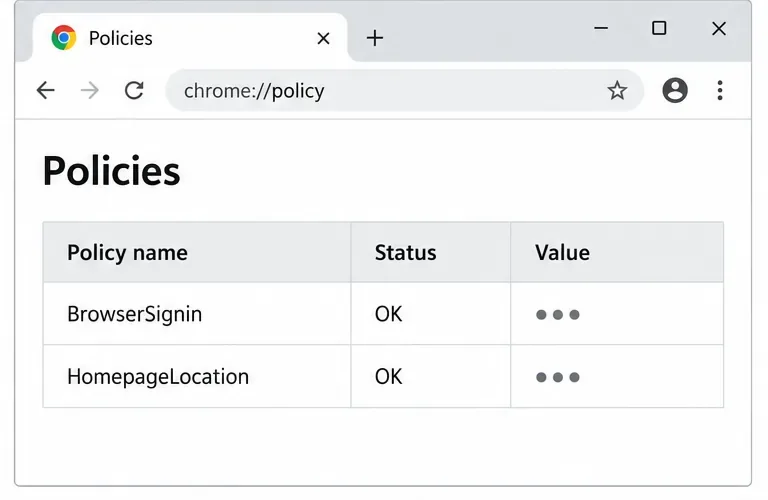
Install the official Chrome package safely on Gooroom OS, check compatibility, preserve device controls, and verify browser policies before use.
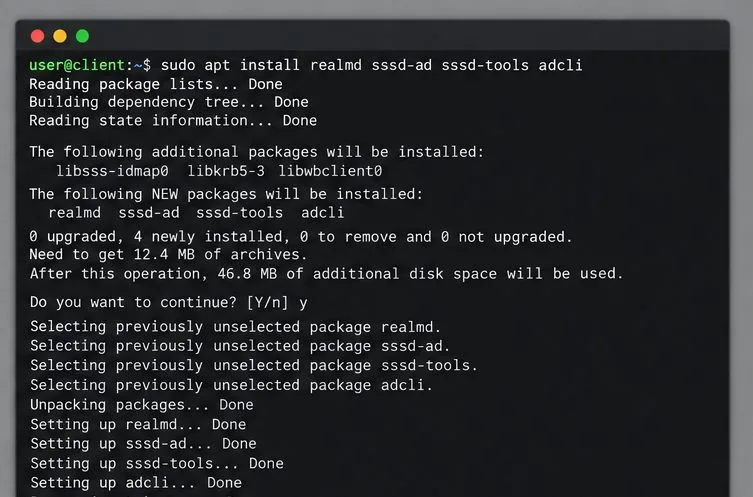
Prepare DNS and time, enroll Pardus with realmd and SSSD, and verify domain membership and user lookup before relying on AD sign-in.
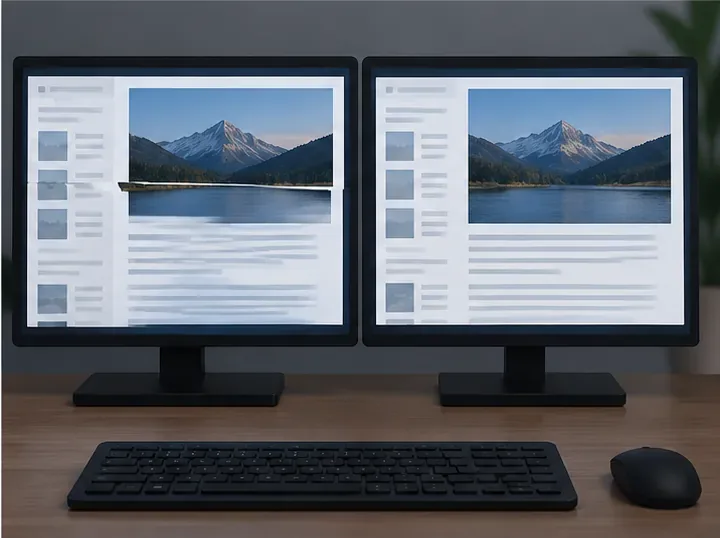
Reduce horizontal tearing in Pardus XFCE by checking your display session, enabling compositor synchronization, and applying Intel’s Xorg TearFree option only when the active driver supports it.
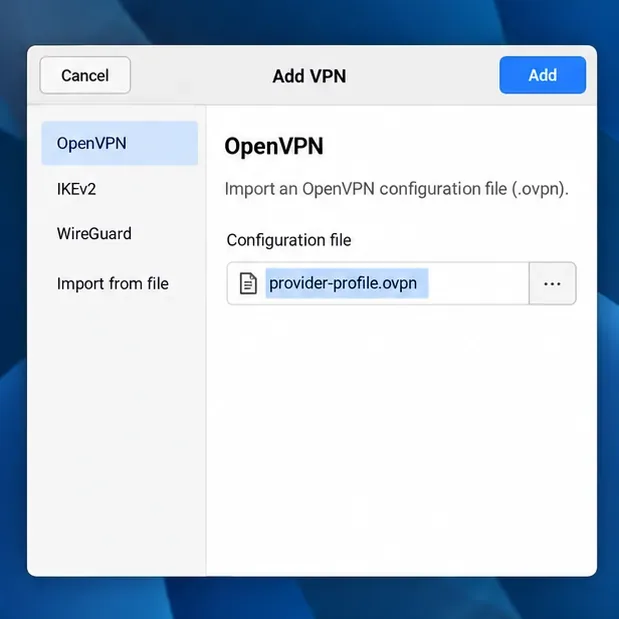
Add an OpenVPN profile to NetworkManager on Pardus, install the right plugin, protect credentials, and verify the VPN is active.
Prepare a bootable USB, check 64-bit hardware compatibility, and install Pardus 23 XFCE while protecting existing files and avoiding common legacy BIOS pitfalls.
Distribute a custom wallpaper to Pardus clients, configure Xfce or GNOME desktops, and apply Lider Ahenk user policies with safe pilot checks.
Fix a 1024 × 768 ceiling by checking SPICE, virtual video, the guest channel, and spice-vdagent—with safe checks when Pardus lacks a package candidate.
Set up the Lider server, configure its installer safely, register Ahenk endpoints, and verify a pilot before expanding central management.
Download the official Pardus 23 desktop ISO, write it safely with Rufus, and boot a Windows PC into a temporary Live session.