
Back Up and Restore HamoniKR Settings Without Missing Hidden Files
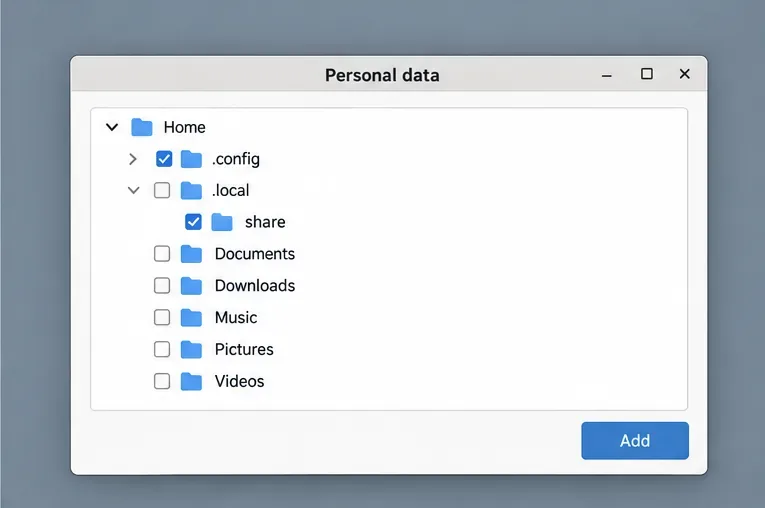
Save HamoniKR preferences to external storage, include hidden home folders, and choose a safe restore mode when moving to a fresh installation.
Imagine powering on your PC only to face frustrating boot loops, sudden freezes, or your system refusing to wake from sleep. If you're dealing with Windows 11 Fast Startup errors or Hibernate issues, you're not alone. These features, designed to speed up your experience, can sometimes backfire, causing more headaches than help. But don't worry—this guide will walk you through simple, effective solutions to get your system running smoothly again. By the end, you'll have a hassle-free Windows 11 setup that boots faster and hibernates reliably. Let's dive in and reclaim your productivity! 😊
Before we fix anything, let's quickly understand the culprits. Fast Startup in Windows 11 is a hybrid shutdown mode that saves your session to the hard drive (like hibernation) while closing apps, allowing quicker boot times. It's enabled by default but can lead to errors like incomplete shutdowns, driver conflicts, or corrupted files, resulting in slow startups or black screens.
Hibernate, on the other hand, saves your entire system state to disk and powers off completely, ideal for laptops to save battery. Errors here often manifest as failure to resume, data loss, or "hiberfil.sys" file issues, especially after updates or hardware changes.
These features shine when working right, but glitches can disrupt your day. The good news? Most Windows 11 Fast Startup and Hibernate errors are fixable with built-in tools—no tech wizardry required. Ready to troubleshoot? Follow these steps in order for the best results.
Start with the fundamentals—many errors stem from overlooked basics. A quick scan can save hours of frustration. 👍
sfc /scannow. Hit Enter and let it repair files automatically.chkdsk C: /f /r (replace C: with your system drive). Restart if prompted.If these don't resolve your Hibernate errors, move on. Pro tip: Restart your PC after each step to test—it's like giving your system a fresh breath of air!
Fast Startup is a common offender for boot woes in Windows 11. Disabling it temporarily can pinpoint if it's the source, and re-enabling after fixes often stabilizes things.
This tweak alone fixes many Windows 11 Fast Startup errors, like failure to boot or app crashes on startup. Feeling empowered yet? Keep going for Hibernate-specific solutions.
Hibernate problems often tie to insufficient disk space, driver conflicts, or the hiberfil.sys file. Here's how to tackle them head-on.
| Issue | Symptom | Quick Fix |
|---|---|---|
| Can't Hibernate | System ignores Hibernate option or freezes | Ensure at least 10% free disk space. Run powercfg /hibernate on in admin Command Prompt. |
| Won't Resume from Hibernate | Black screen or error on wake-up | Disable Hibernate: powercfg /hibernate off, restart, then re-enable with powercfg /hibernate on. |
| Hiberfil.sys Too Large/Slow | Slow shutdowns or low space warnings | Adjust size: powercfg /hibernate /size 50 (sets to 50% of RAM; adjust as needed). |
For stubborn Hibernate issues in Windows 11, update your graphics and chipset drivers via Device Manager (right-click Start > Device Manager). Outdated drivers are a sneaky cause of sleep/resume failures. If you're on a laptop, check BIOS settings for power options—enter BIOS (usually F2 or Del on boot) and ensure hibernation is enabled.
Bonus: If errors started after a recent hardware upgrade (like more RAM), resize the hiberfil.sys file to match. This keeps things balanced and error-free. 🎉
If basic steps fall short, let's go deeper without overwhelming you. These target root causes like registry glitches or third-party software interference.
powercfg -restoredefaultschemes. This resets to defaults without losing data.For hardware-related woes, like failing HDDs causing Hibernate errors, consider a disk upgrade to SSD—it's a game-changer for speed and reliability. If all else fails, a clean boot (via msconfig) isolates the issue.
Fixing is great, but prevention is better! To keep your Windows 11 humming:
By following these habits, you'll minimize disruptions and enjoy the full benefits of Fast Startup and Hibernate. Your PC will thank you with lightning-fast boots and seamless sleep modes.
There you have it—a complete roadmap to conquer Windows 11 Fast Startup and Hibernate errors. From simple toggles to advanced commands, these steps empower you to diagnose and fix issues confidently. If problems persist, consider professional help or Microsoft's support forums. You've got this—your optimized Windows 11 awaits! If this guide helped, share your success story in the comments below. What's your next tech tweak? 👇
Information based on the latest Windows 11 builds as of 2026. Always back up data before making changes.
Save HamoniKR preferences to external storage, include hidden home folders, and choose a safe restore mode when moving to a fresh installation.
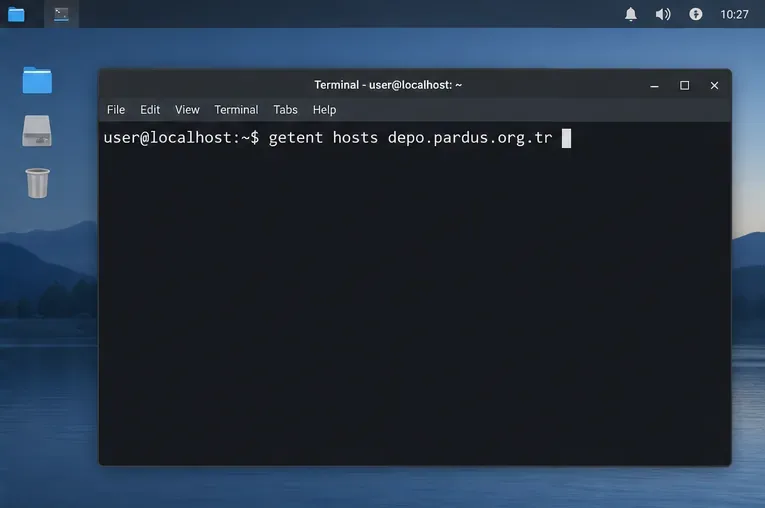
Install and configure xrdp on Pardus, choose the right Xfce session, restrict network access, and verify that remote login works.
Diagnose Pardus 23 APT connection failures, confirm the official yirmiuc sources, and restore apt update without bypassing package signature checks.
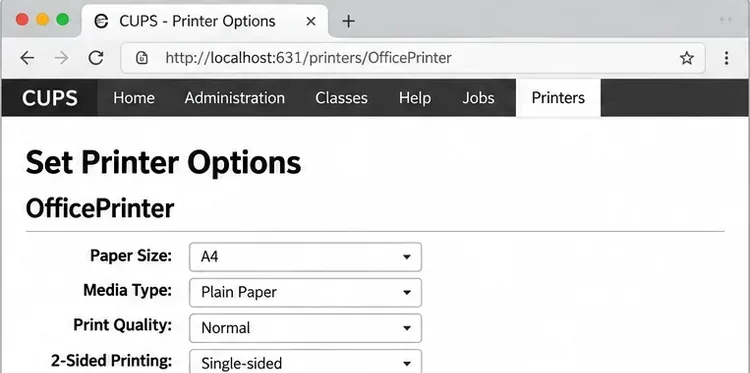
Configure printers on Harmonica OS using CUPS, compare driverless IPP with legacy drivers, and verify USB or network printing with a test page.
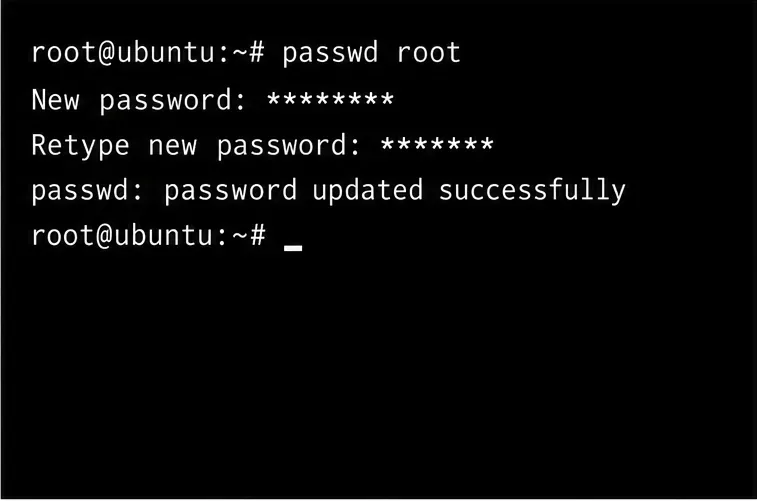
Use a recovery shell to set a new Harmonica OS root password, with checks for encrypted disks, read-only filesystems, and accounts that use sudo.
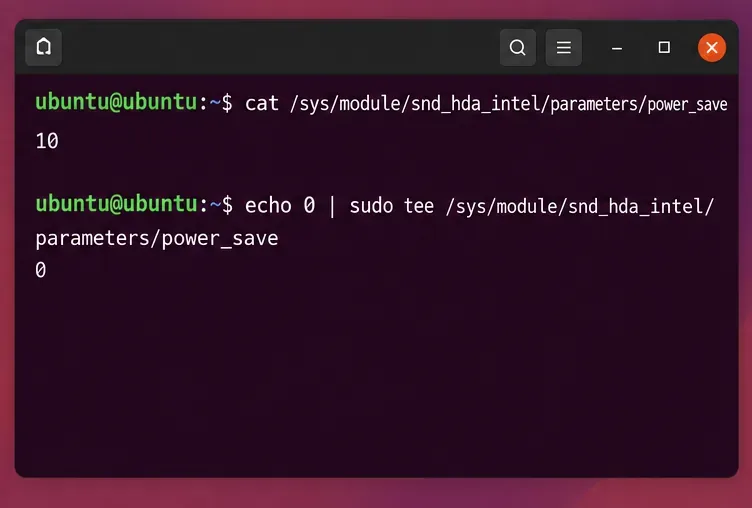
Trace whether clipping, ALSA format conversion, or HDA power saving is causing Ubuntu 24.04 audio distortion, then apply the matching reversible fix.
Switch Debian audio between named PipeWire outputs with a pactl script that updates the default sink and reroutes streams already playing.
Get your Bluetooth headset mic working by selecting the right input, using a hands-free audio profile, and checking Ubuntu’s PipeWire route.
Learn why Flatpak apps may ignore Ubuntu 24.04 GTK themes and follow safe steps to check theme extensions, refresh Flatpak apps, and diagnose portal issues.
Install Ubuntu 24.04 alongside Windows 11 with BitLocker safely. Compare separate-drive and shared-drive paths, recovery keys, partitioning, and boot checks.