A Telegram group is a great space to share and discuss information, organize events, create announcements, or have a chat. There are no ads or subscription fees, and all members can participate with equal permissions in a global message board that never goes offline. However, as with most social media platforms, there’s no reliable way to vet members as they join a group on Telegram. This can lead to unwanted disruptions from users with malicious intent.
In this article, we will guide you through the process of removing a user from a Telegram group across different devices.
Table of Contents
- How to Remove a User From a Telegram Group on the Android App
- How to Remove a User From a Telegram Group on the iPhone App
- How to Remove a User From a Telegram Group on a Mac
- How to Remove a User From a Telegram Group on a Windows PC
- Additional FAQs
1. How to Remove a User From a Telegram Group on a Windows PC
A well-maintained social media group thrives on engagement and interaction. Here’s how to remove a user if you are using Telegram on Windows:
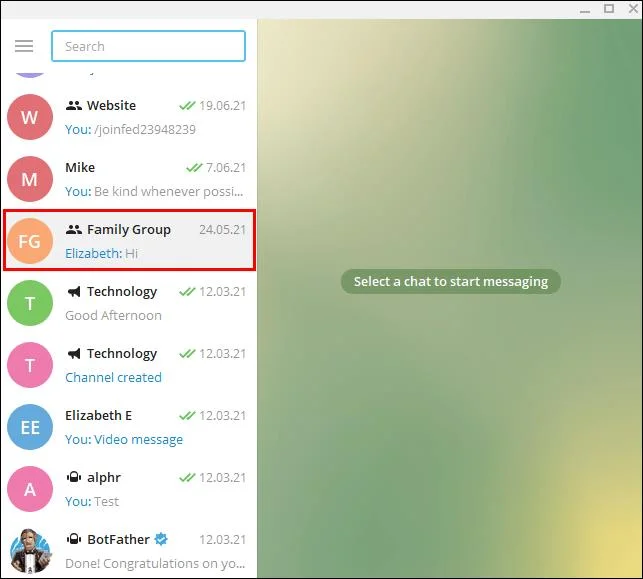
- Launch the Telegram desktop app. All groups you’ve formed or joined will display on the left panel.
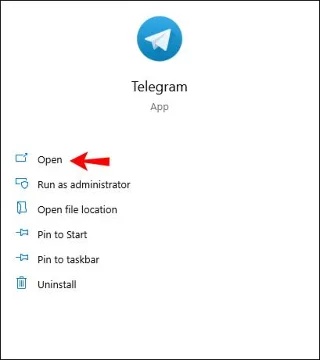
- Click on the relevant group.

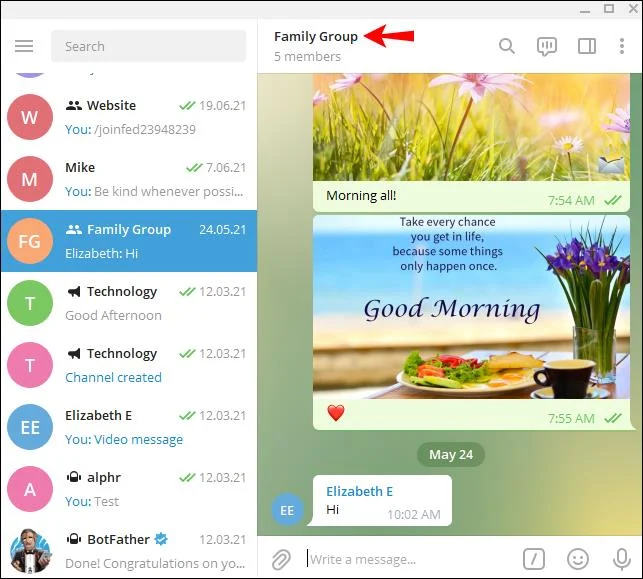
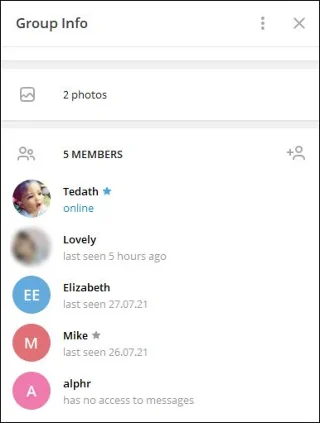
- Click on the group name at the top of the chat to display members.

- Scroll to find the user you’d like to remove.

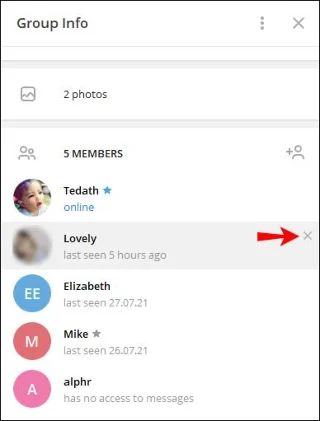
- Hover over their name and click the “X” icon on the right.
or

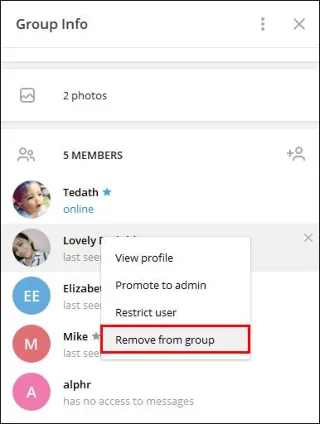
- Right-click the name and select “Remove from group.”

2. How to Remove a User From a Telegram Group on a Mac
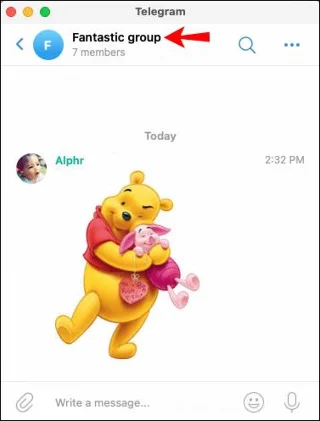
Removing a user from a group on Mac is similar to Windows. Follow these steps:
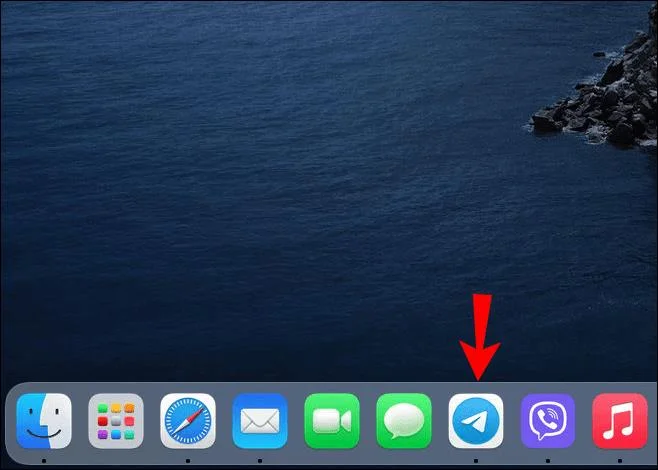
- Open the Telegram app.

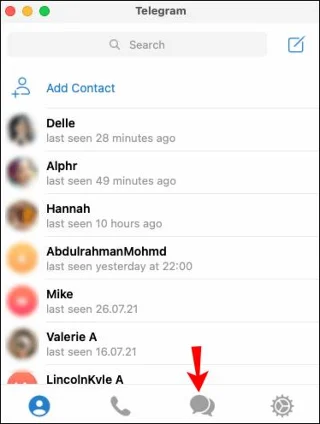
- Click on the Chats icon.

- Select the group containing the user to be removed.

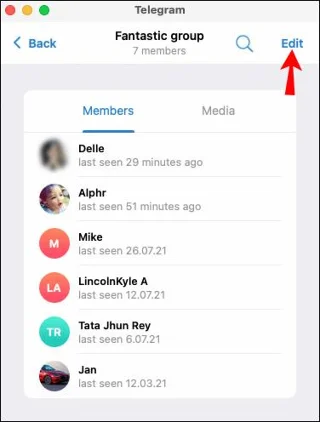
- Click “Edit” in the top right corner to see members.

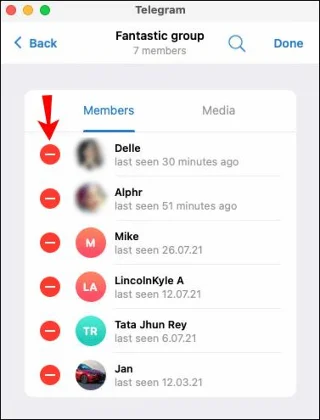
- Scroll to find the user and click the red minus button beside their name.

3. How to Remove a User From a Telegram Group on the iPhone App
Here’s how to remove a user on the iPhone:
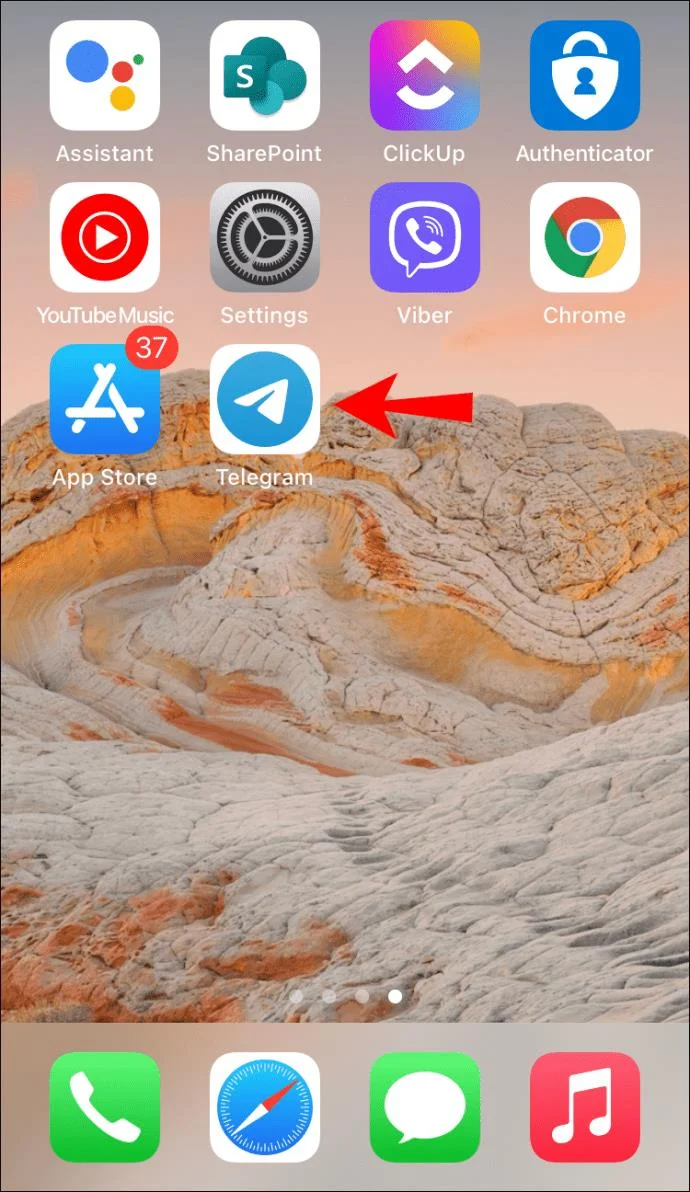
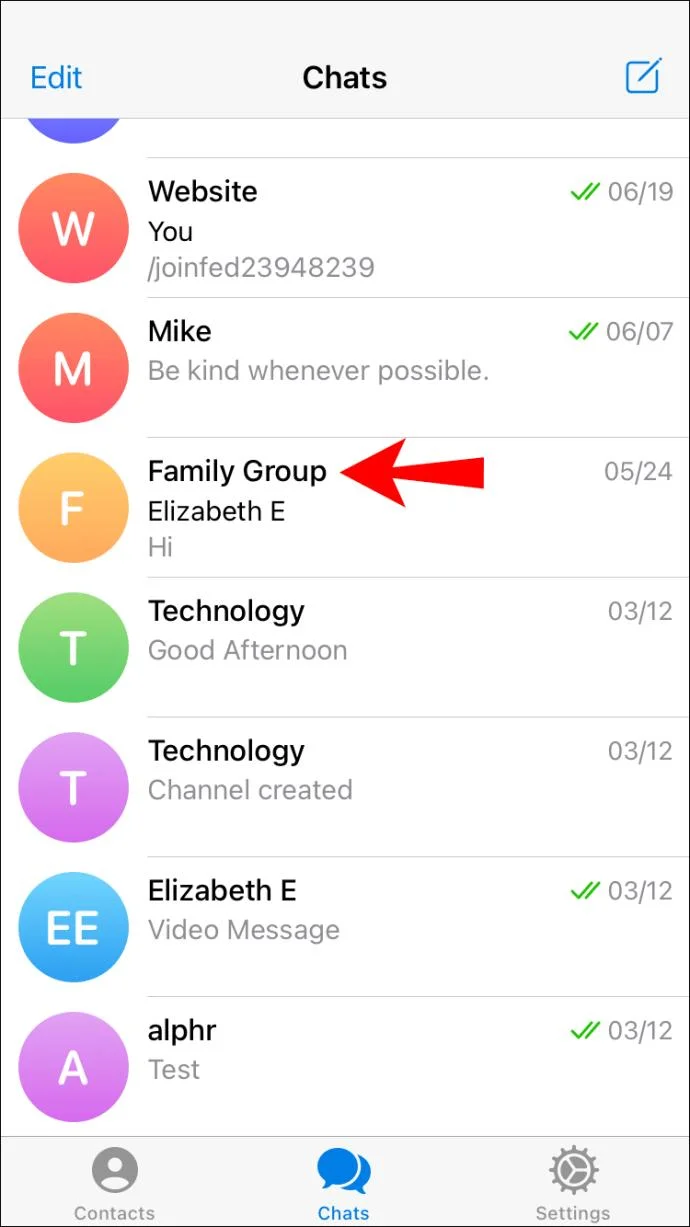
- Launch the Telegram app.

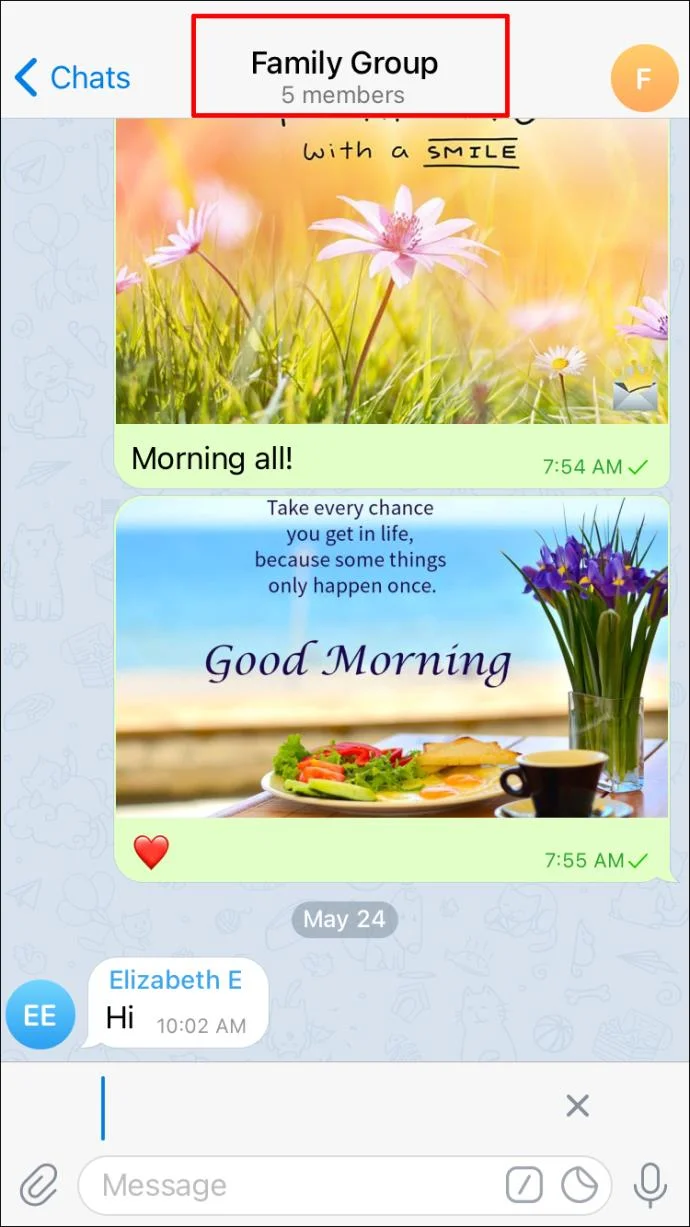
- Access the group chat screen.

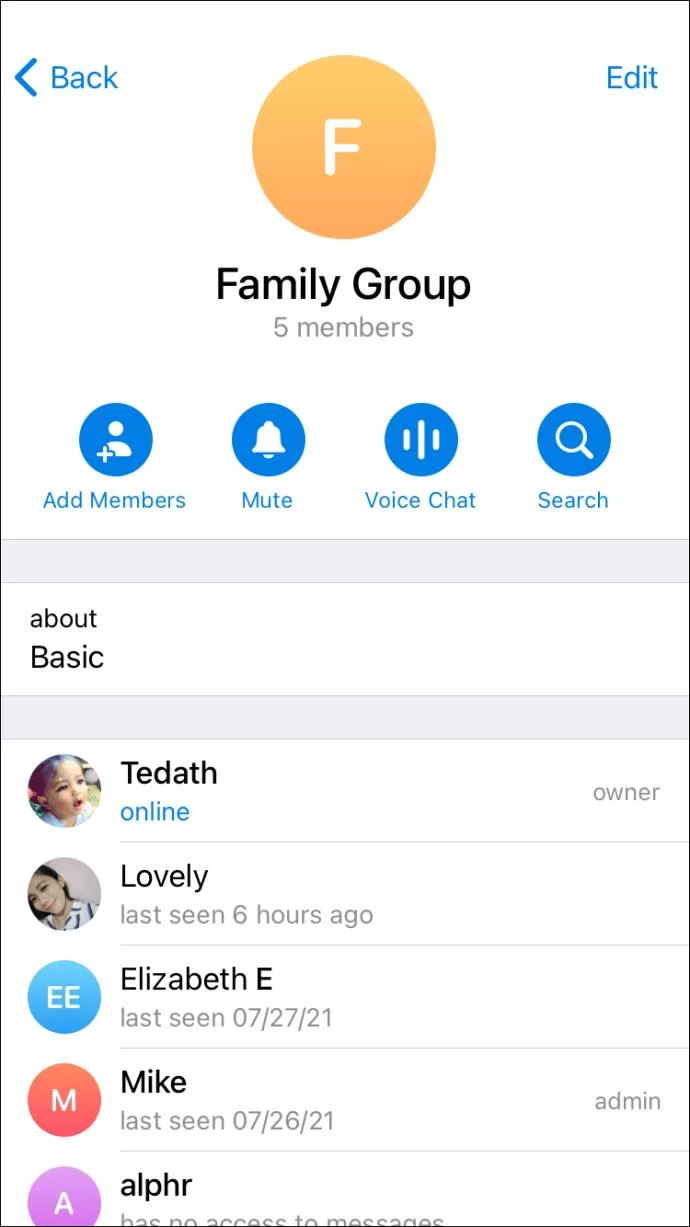
- Tap on the group’s profile avatar.

- Scroll to find the user.

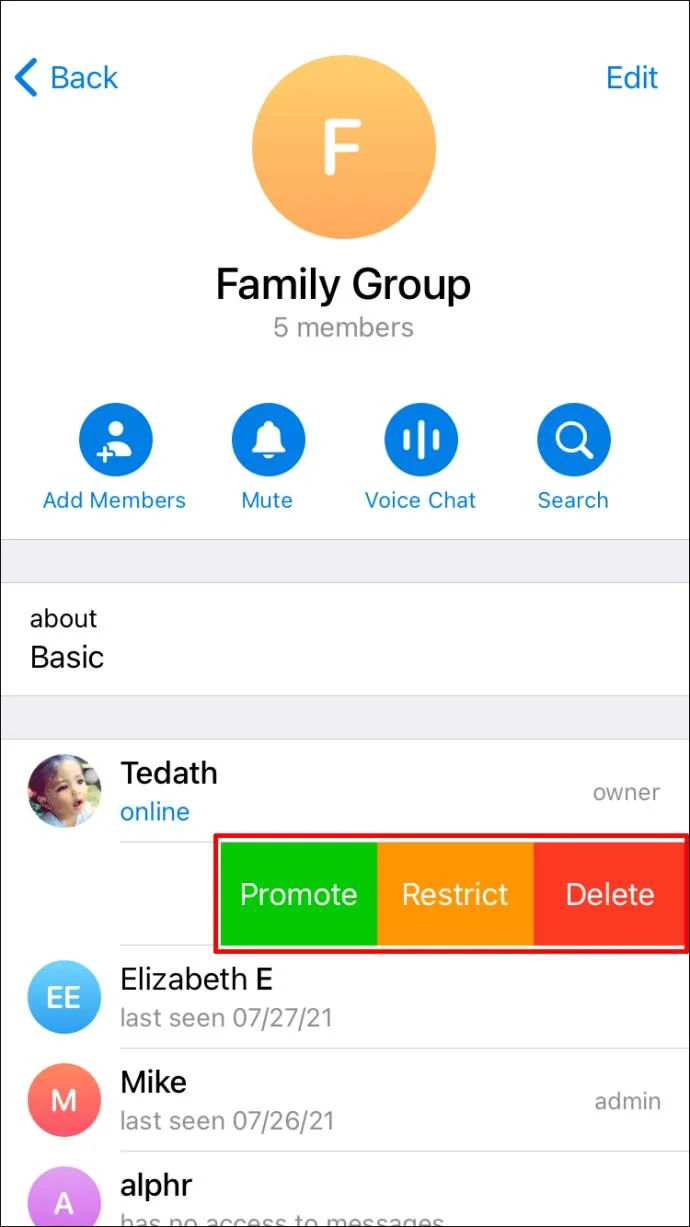
- Long tap their name, select “Delete”.

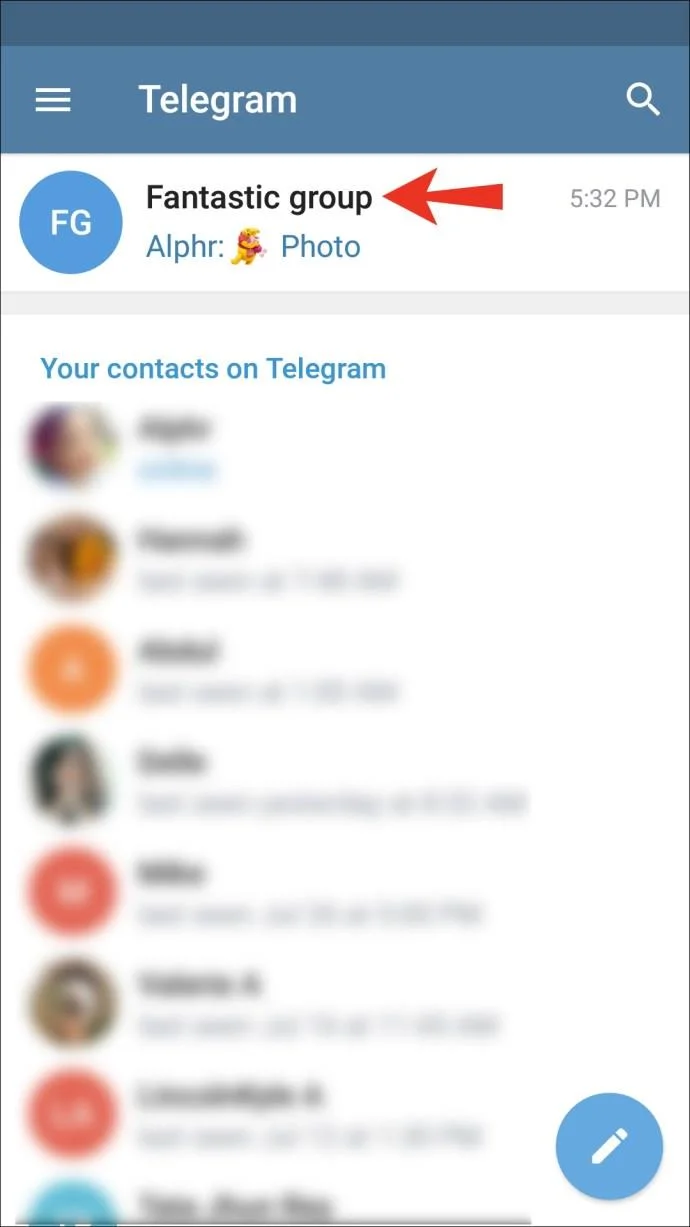
4. How to Remove a User From a Telegram Group on the Android App
If you’re on Android, follow these steps:
- Open the Telegram app and navigate to the group chat screen.

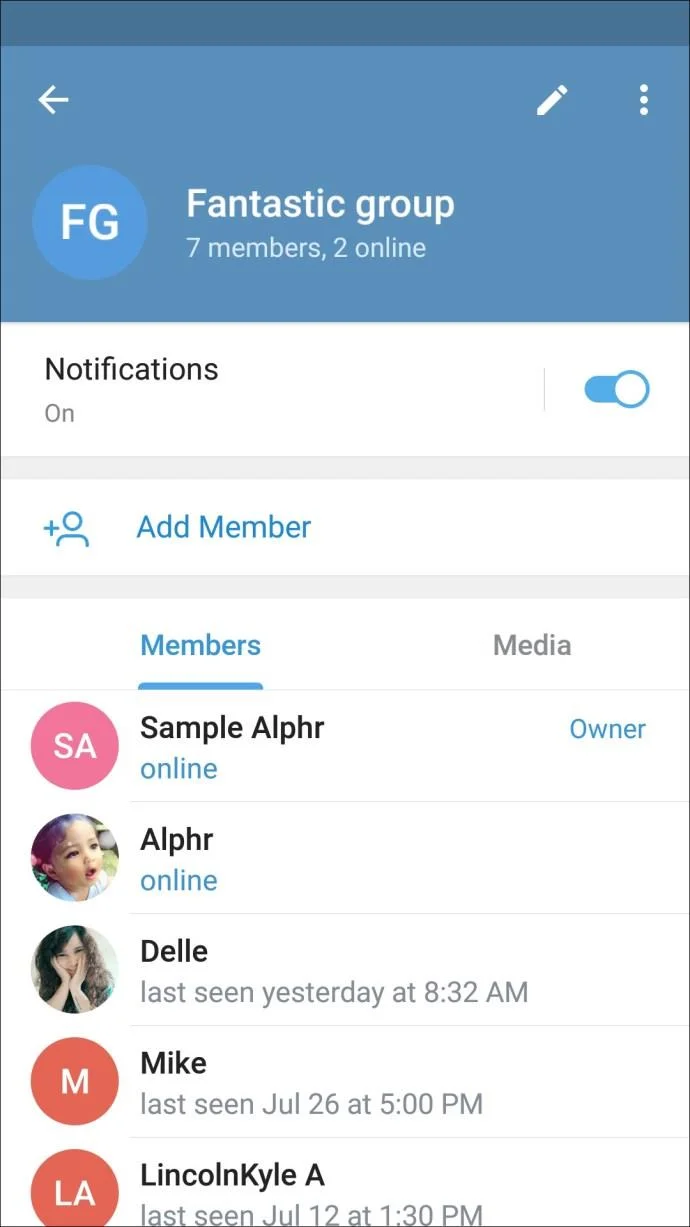
- Tap on the group’s profile picture.

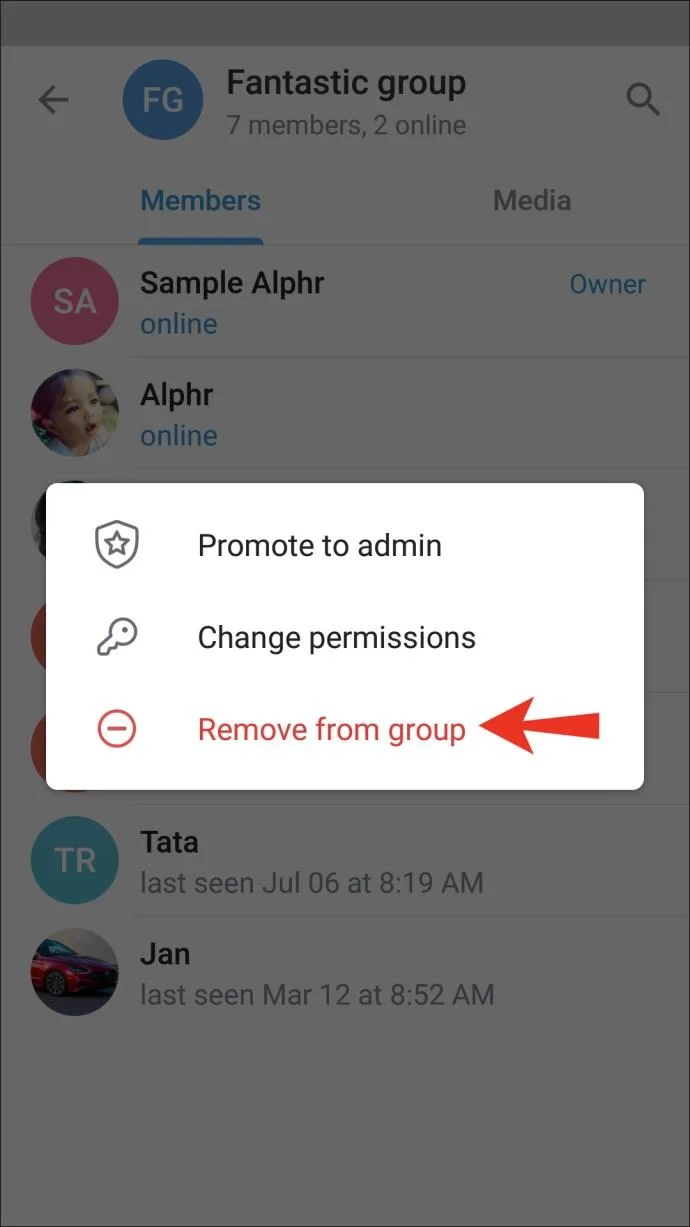
- Scroll to find the user you wish to remove.

- Long tap on their name, select “Remove.”

5. Additional FAQs
| Question |
Answer |
| What happens when you remove someone from a Telegram group? |
They stop receiving group content immediately and can’t participate in chats, though they can still view previous messages. |
| Are deleted accounts removed from Telegram groups? |
Yes, deleted accounts are added to a restricted list, preventing them from rejoining without admin intervention. |
| Can everyone remove users from a Telegram group? |
Only group owners or administrators can remove users, with the ability to revoke admins' permissions as needed. |
Maintain Decorum in All Group Chats
As a group owner, your responsibility is to ensure all members adhere to the group’s terms of use and maintain respectful interaction. It’s crucial to remove anyone who fails to do so, ensuring healthy and informative conversations.
Do you run a Telegram channel? We would love to know how you maintain order in your groups. Have you had to remove anyone yet? Share your experiences in the comments below.











Eric B. -
Can anyone share their experience with removing multiple users at once? That would be a game-changer!
TommyB -
LOL, I once tried removing someone and ended up deleting the whole group instead! Thanks for preventing my next disaster
Ben G. -
Do you have any suggestions on how to handle repeat offenders in Telegram groups? Thanks!
Amy123 -
Just tried it and it worked perfectly! My group is finally back to normal. Cheers for this
Hannah RV -
Just to clarify, can group owners remove admins? That would be super useful info to add
Nick 1985 -
Thanks for sharing this valuable post! It made the removal process so much easier
Linda J -
I've been looking for a way to manage my group better. This article is exactly what I needed! Thanks!
Max R. -
Thanks for this article! Finally, a guide that makes sense! Would love to see more topics like this
Nicki H. -
Just did my first user removal thanks to you! This Twitter post is my new bookmark! 🙌
Chris D. -
This is so helpful! I’ve had trouble with some users and finally can take action. Thank you
Chloe B. -
I’ve had issues with spam accounts in my group. This will help me clean things up. Thanks a ton
Patty Z. -
It’s always a bit awkward removing someone you know! Any advice on handling that situation
Lucy W. -
Removing users can sometimes feel a bit harsh. Any suggestions on how to handle it diplomatically
Julia C. -
This was exactly the info I was missing! You broke it down really well, thanks!
Sarah Lee -
I had no idea it was this simple! 😲 I always thought it was so complicated. You saved me a lot of time
Chris P. -
This was exactly what I was looking for! I really appreciate the clarity in your explanation
Sophie K. -
Great info! But can I remove someone if they join via a link? Would it be the same process?
David P. -
I appreciate how you included screenshots. It really helped clarify the process!
Maya Moon -
Anyone else wonder why certain users are so persistent in groups? Sometimes the removal feels like a never-ending task
Emily Clark -
Great article! It's nice to finally get clear instructions on this. Removal of users in Telegram has always been confusing.
Panda Lover -
Wow, I just removed a really annoying user! Thanks for the clear directions. I wish I found this earlier
SammyFun -
This is a lifesaver! The user in my group was quite disruptive, and now I can finally kick them
Mia Tan -
Such a detailed guide! Your writing style makes it easy to follow along. Keep it up
JohnnyRex -
Removing a user is step one, but how do we prevent them from joining again? Any tips on that? 🤔
Olivia F. -
What a relief to find a straightforward guide! I feel more confident in managing my Telegram groups now
Sandy N. -
Why doesn't Telegram have a "remove from group" button? It’s a bit hidden away. Appreciate the breakdown!
Gina T. -
I recently had to remove a friend from a group, not easy! Glad to know it’s straightforward now
Debra S. -
I was actually looking for information on group management! This article just solved a major headache for me!
Robert T. -
So happy to have found this! I was totally lost before. You just made my life a whole lot simpler
Jessie W. -
Does anyone have experience with removing users using the mobile app? Is it just as simple? 🤔
John Doe -
Thanks for this guide! I've been struggling to remove users from my Telegram group. Your step-by-step instructions were really helpful
Steve RT -
Thanks for the helpful tips! I've removed the annoying user, and the group feels much more pleasant now
Rita J. -
Can you write more about managing large groups? It gets tricky with so many users to handle
Katy W. -
I love how straightforward this post is! It gives clear steps without unnecessary fluff. Great job
Geo Viking -
I found your advice super handy! Just did my first removal and it went smooth
Mike H. -
What if the user is a group admin? Can we still remove them? I’m seeing conflicting info online
Kevin Smith -
Can you also add info on how to mute or restrict users? Sometimes, removal is not necessary
Leo B. -
Wow, I didn't expect this process to be so easy! Thanks for clearing things up for me!
Jane Q. -
This info is great! Just in time as I need to clean up my group. Appreciate the help