Home
» How to
»
How to Restart computers over the Internet
How to Restart computers over the Internet
You go outside and leave your computer active. For some reason, you need to restart the computer remotely, perhaps to exit a running program, for example. There are several options available for users to restart a remote Windows PC , using built-in tools and 3rd party software.
Here are 3 ways to restart the computer via the Internet.
1. Restart the remote computer by IP address
Restart remote computers by IP address
This first way is for cases on the same network. For example, leave your laptop in the dining room sitting on the desktop upstairs. They are all connected to the same home network.
To turn off the remote computer, use the Windows shutdown.exe tool.
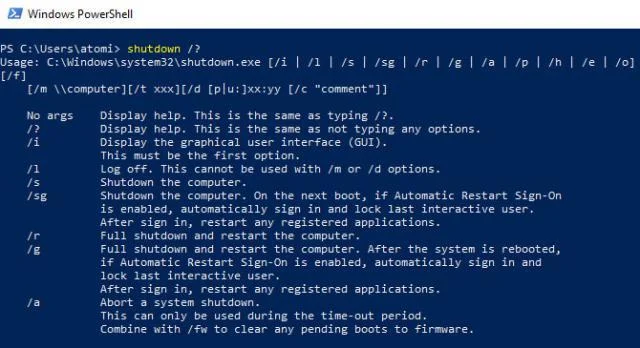
Start by opening the PowerShell tool. Right-click on Start and select Windows PowerShell .
Basically, from a command prompt or application, you can issue a shutdown with the syntax: shutdown / r / f / m \\ [computer IP address to be turned off remotely] -t 00
/ m \ [computer IP address to turn off] : Target a specific device; replace [computer IP address to turn off] with the network name or IP address of the computer.
/ r force a full reboot.
/ hybrid shutdown and then boot fast, used with / s .
/ f forces all running applications to close.
/ t 00 requires instant reboot, no delay (0 seconds).
/ c add a message: For example, IT department is restarting your computer remotely .
/? Display the full list of commands.
One drawback of this method is that you need to be connected to the remote computer as an administrator privilege. If you want tight security on your PC or server, this is not always easy to do.
2. Restart the remote computer with another computer
Restart the remote computer with another computer
You do not want to use the command, use a different computer.
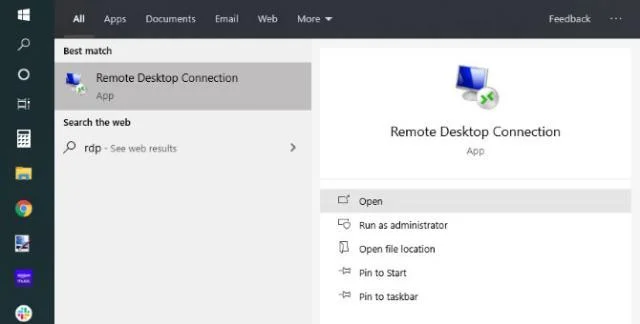
RDP (Remote Desktop Protocol) is Microsoft's proprietary protocol for remote computer access. RDP is integrated into the Windows desktop so just launch it from the Start menu (use the search command " rdp ").
With RDP running on your PC, enter the IP address or PC server name you need to restart remotely. Enter your Username and Password if the device has a password set. Once the connection is established, use the mouse to restart the computer in the usual way.
3. Restart the remote computer via the web browser using the Shutter software
Restart the remote computer via the web browser using the Shutter software
Another way to reboot a remote computer is to use a free application called Shutter . This is a remote scheduling tool that allows you to access actions and events. For example, check CPU usage, or enable remote shutdown. With Shutter installed on a PC, you can perform various remote functions on your computer via a browser.
To set up this feature, click Options> Web Interface . Here, select Enable , select Listen IP from the list and go to any port you like. Port 80 is the most common because it is set by default.
Finally, set your Username and Password (required). Click Save and the application is ready.
Configure Shutter to Restart the remote computer
To turn off remote computers outside the local network, you need to open a hole to access Shutter through the home router.
To do this, open the router page (usually 192.168.0.1 or 192.168.1.1 ) and configure port forwarding.
Just make sure the IP and port you defined in Shutter are located here and it's turned on. Save and setup is complete. Now you can access any web browser and send not only the restart command to the computer, but also a list of other commands.
To access Remote Shutter, open the browser and enter the IP address and port specified earlier. For example: 192.168.1.103:8080
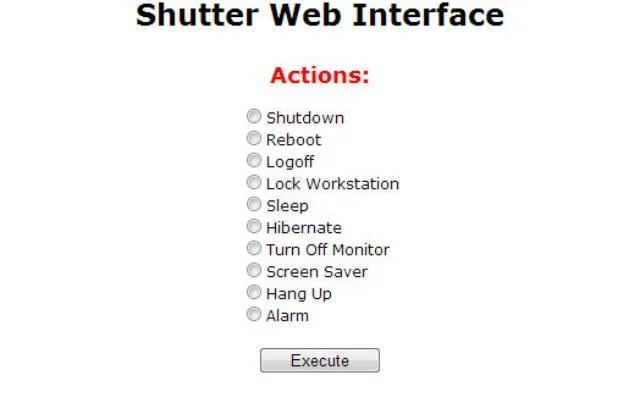
From somewhere far away, enter the external IP address (external IP) assigned by the ISP followed by the port. It could be: 65.xxx.xxx.122: 8080 . The web interface will appear after you log in with the ID and password specified.
If you're not sure what an external IP address is, simply visit whatismyip.com in your browser.
Note that you will need a static IP to access Shutter from outside the local network. Here, you can perform various remote tasks, from turning off the PC to turning off the volume or running a specific program.
To restart Windows remotely using the Shutter web interface, click Reboot , then Execute . Work completed!
If you need to reboot the remote computer immediately to ensure information security and prevent unauthorized access, refer to these ways to automatically lock your Windows PC!