Configure USB and Network Printers with CUPS on Harmonica OS
Configure printers on Harmonica OS using CUPS, compare driverless IPP with legacy drivers, and verify USB or network printing with a test page.
Clean Boot is a troubleshooting technique used to start Windows with a basic, essential set of drivers and startup programs. It helps identify software conflicts that may be causing system instability, slowdowns, or errors. If your computer is crashing, freezing, or behaving erratically, performing a Clean Boot can help identify the problem. Here's how to start Windows 11 in Clean Boot mode.
Instructions for starting Windows 11 Clean Boot mode
Step 1:
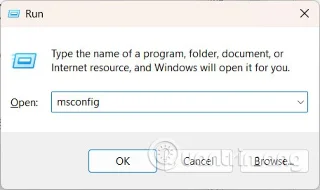
You open the Run dialog box, then type the keyword msconfig and press Enter.
Step 2:
To display the new interface, click on the Services tab . Then, select Hide all Microsoft services and click Disable all .
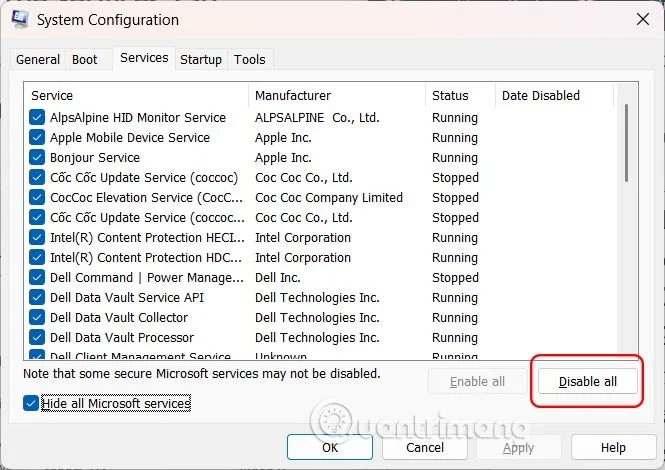
Step 2:
Click on the Startup tab and then click Open Task Manager to open Task Manager's Startup .
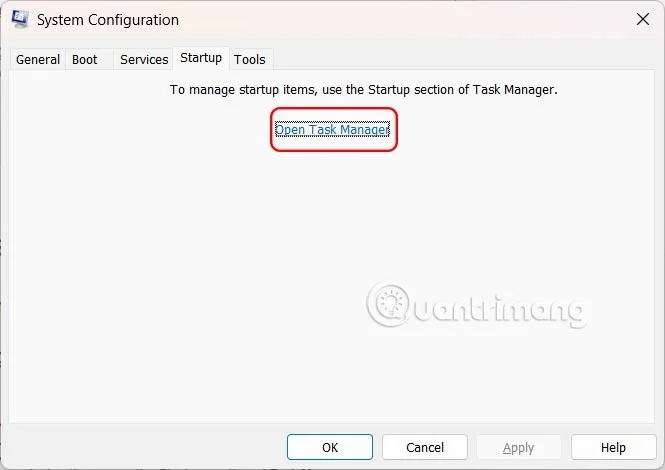
Step 3:
Switch to the new interface, right-click on each startup item and select Disable .
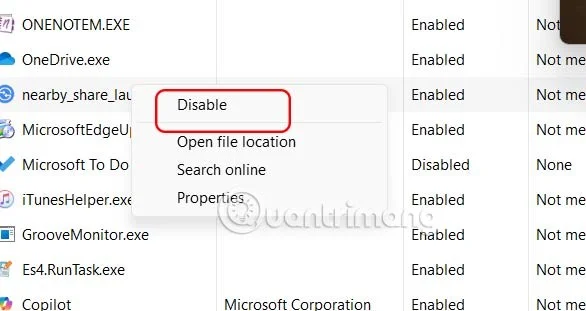
We close Task Manager once done and go back to System Configuration, select OK to save changes and then restart the computer.
We use the computer as usual and check if the problem persists. When everything is normal, you open System Configuration again and click on the General tab and select Normal startup. In the Services tab, click Enable. Click Startup again and open Task Manager and re-enable the programs you have disabled. Then restart the computer.
How to Stop Clean Boot on Windows 11
Whether or not Clean Boot fixes your Windows 11 error, you’ll eventually need to get rid of it. To do so, follow these steps:
Now, follow the steps below:
Now, do a quick reboot and your Windows 11 should boot normally from here on out.
Clean Boot is a useful method to keep in mind for troubleshooting problems on Windows 11. While people sometimes don't know the difference between Clean Boot and Safe Boot modes , Clean Boot differs in that it gives you more control over what apps and services can run during startup.
Configure printers on Harmonica OS using CUPS, compare driverless IPP with legacy drivers, and verify USB or network printing with a test page.
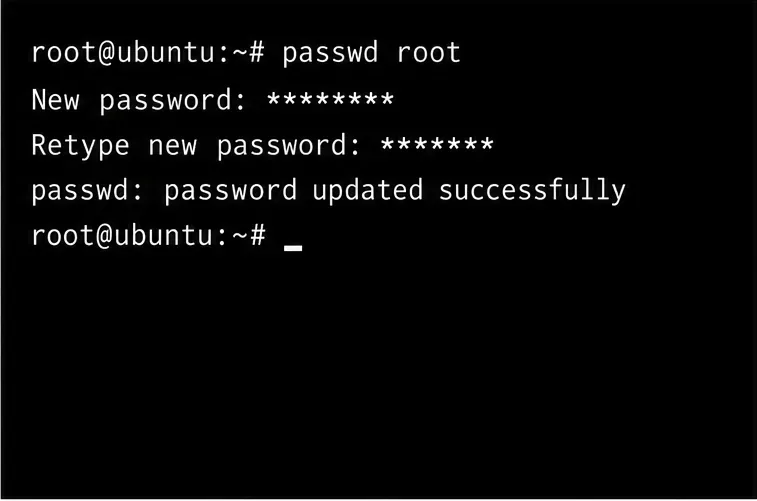
Use a recovery shell to set a new Harmonica OS root password, with checks for encrypted disks, read-only filesystems, and accounts that use sudo.
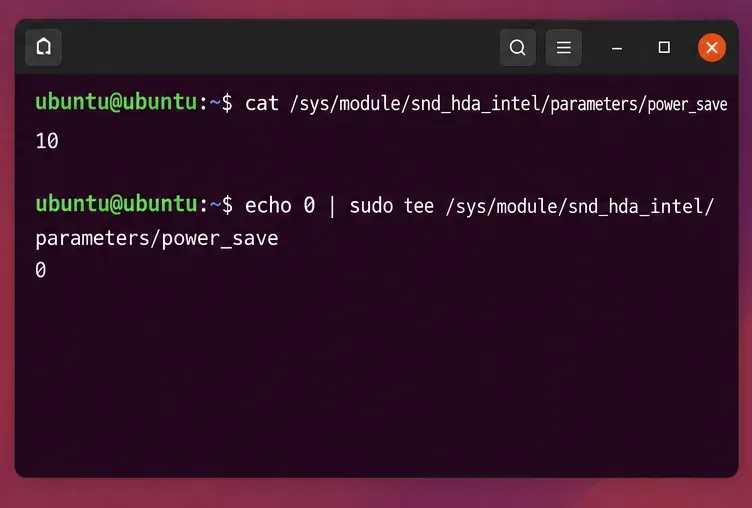
Trace whether clipping, ALSA format conversion, or HDA power saving is causing Ubuntu 24.04 audio distortion, then apply the matching reversible fix.
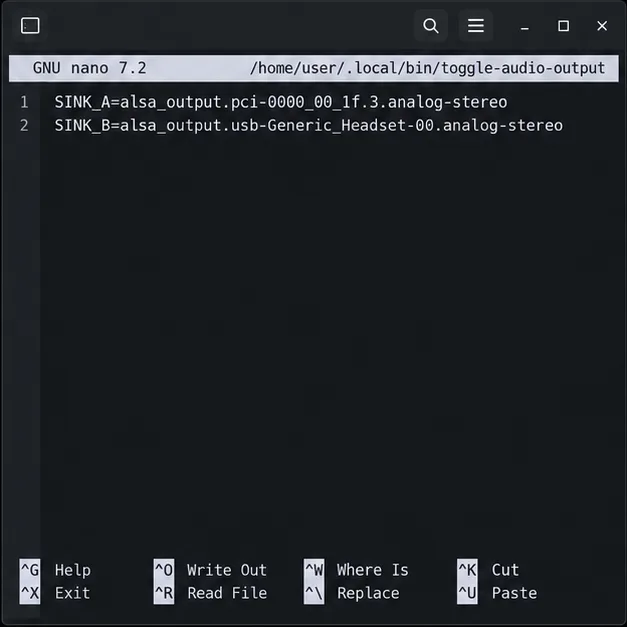
Switch Debian audio between named PipeWire outputs with a pactl script that updates the default sink and reroutes streams already playing.
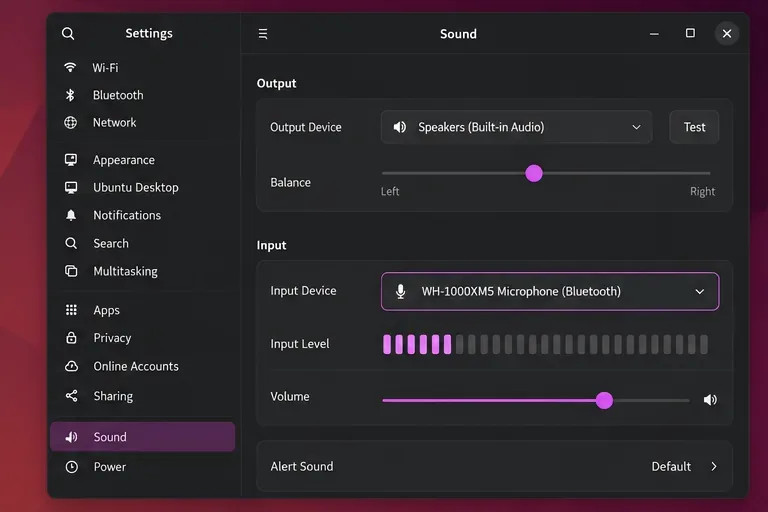
Get your Bluetooth headset mic working by selecting the right input, using a hands-free audio profile, and checking Ubuntu’s PipeWire route.
Learn why Flatpak apps may ignore Ubuntu 24.04 GTK themes and follow safe steps to check theme extensions, refresh Flatpak apps, and diagnose portal issues.
Install Ubuntu 24.04 alongside Windows 11 with BitLocker safely. Compare separate-drive and shared-drive paths, recovery keys, partitioning, and boot checks.
Diagnose NVIDIA driver failures after an Ubuntu kernel update. Check DKMS and Secure Boot, rebuild the matching module, enroll a MOK, and verify the fix.
Fix Ubuntu 24.04 Wi-Fi drops after suspend with checks for NetworkManager, radio blocks, updates, power saving, and drivers—then verify each resume.
Learn why tracker-miner-fs-3 uses high CPU in Ubuntu GNOME and how to check indexing, exclude folders, update Ubuntu, or safely rebuild the search index.