
5 Halloween Cocktails That Are Easy to Serve at Your 2026 Bash

Mix five vivid, approachable Halloween cocktails with measured recipes, simple prep tips, and an alcohol-free option for your party guests.
Some apps on Windows 11 can be louder than others. Luckily, there's a way to reduce the volume for each app to balance things out. Quantrimang.com will show you how to do it using Volume Mixer.
How does setting volume for individual apps help?
Adjusting volume for each app allows you to control the loudness of one app without affecting other apps. That way, you can tailor your audio experience to your liking.
Let’s say you’re playing a game with friends and using Discord to communicate. You can easily lower the game volume using Volume Mixer to hear everyone better. Another example is if you’re working while listening to music and the notification sounds from WhatsApp or another messaging app keep interrupting you. Lowering the system volume will also lower the music volume and turning on Do Not Disturb mode isn’t ideal.
These are just a few practical cases, but you may encounter other situations where prioritizing the volume of one app over another is useful. This is especially true if the app you want to mute doesn't have a built-in volume control.
How to set volume for each application using Volume Mixer
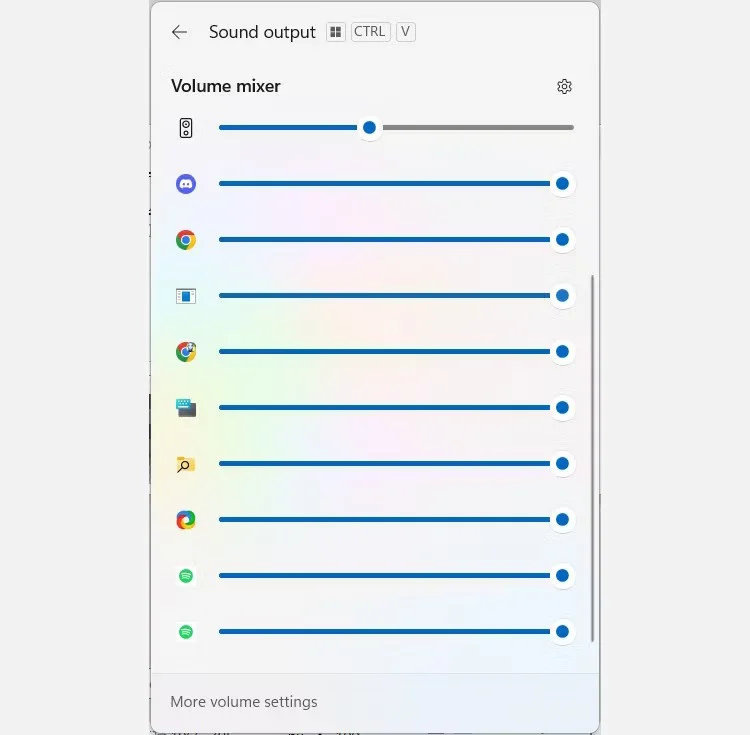
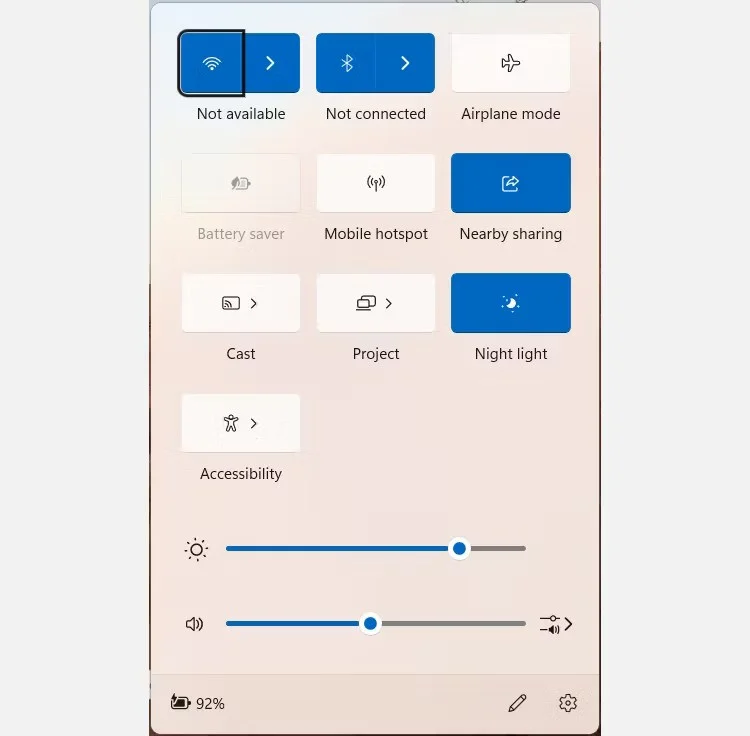
You can access the Volume Mixer in Quick Settings. Press Win + A to open it and click the speaker icon to the right of the volume slider.
You can find the app volume slider by scrolling down to the Volume Mixer section. Move the slider to increase or decrease the volume of a specific app.
If you prefer a more old-fashioned approach to setting volume for each app, you can also use the classic Volume Mixer instead.
How to set output device for each application using Volume Mixer
You can also use Volume Mixer to change the audio output device of each app. This allows music to be played using a Bluetooth speaker while app notifications use the system speaker.
Press Win + I , go to System > Sound and click Volume Mixer under Advanced.
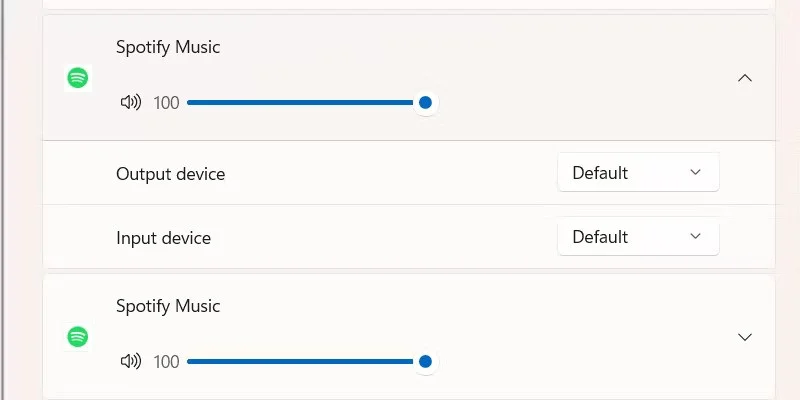
Next, scroll down to the Apps section to see the volume controls for each app. Click the down arrow for the app, then click the Output Device drop-down menu .
Select a different audio device from the list of connected devices. That app's audio output will now come from that device.
If you adjust the volume of that application in Volume Mixer, it will only affect the volume of that output device. Unfortunately, Volume Mixer cannot increase the volume of an application above 100%. However, you can use a volume booster app to increase the volume above the maximum. See: Increase Computer Volume by 500% with Sound Booster for more details.
Good luck!
See also:
Mix five vivid, approachable Halloween cocktails with measured recipes, simple prep tips, and an alcohol-free option for your party guests.
Find 15 office-friendly Halloween costume ideas for 2026, with practical checks for dress codes, respectful themes, comfort, and workplace safety.
Plan a fun elementary school Halloween party with easy crafts, games, inclusive treats, costume tips, and a sample 75-minute classroom schedule.
Compare realistic side hustles for 2026 by startup cost, fees, flexibility, and income control, with current tax and scam guidance from official sources.
Upgrade your home office ergonomics with current OSHA and NIOSH guidance on chair fit, monitor height, laptop setup, lighting, and movement.
Learn why emotional intelligence matters in leadership, where it helps most, how to strengthen it, and how to tell whether your approach is working.
A practical roadmap for moving into tech without a degree: choose an accessible role, build job-ready skills, prove them with projects, and use hiring feedback to improve.
Build a credible LinkedIn personal brand in 2026 with current profile, content, newsletter, analytics, verification, and visibility guidance from LinkedIn.
Quiet quitting and quiet firing are catchy labels, not diagnoses. Learn what is verified, what depends on context, and what employees and managers can do next.
Fractional executives offer senior leadership without a full-time hire. Learn when the model works, what to ask, and the risks to manage.