Home
» How to
»
How to Set Up ChatGPT as Voice Assistant to Make Your Android Phone Smarter
How to Set Up ChatGPT as Voice Assistant to Make Your Android Phone Smarter
ChatGPT has just released a beta update that allows users to replace the default voice assistant on Android phones. Although the ChatGPT Android app has been around since 2023, this update makes it more convenient to use the app's functions without having to go into the app.
Join ChatGPT Beta to make it your default digital assistant on your phone
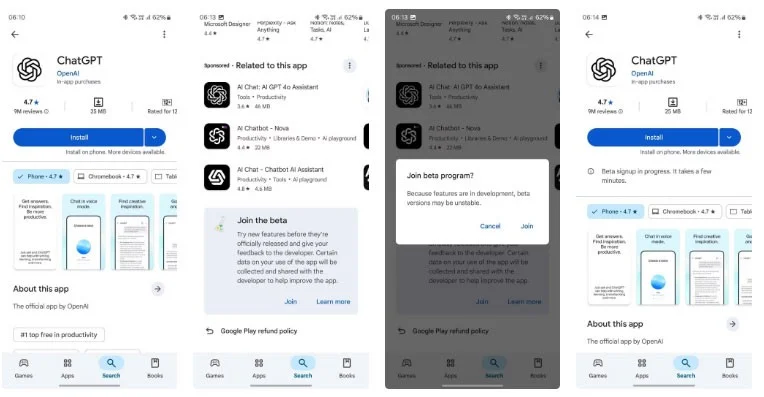
If you want to use ChatGPT as your primary voice assistant, you'll first need to install the latest beta version of the app. To join the beta program, head to the ChatGPT app on the Google Play Store , scroll down until you find the Join the beta section , and tap Join . When the Join beta program? window appears, tap Join to confirm. It may take a few minutes to sign up, but once you've confirmed, go ahead and tap Install to download the ChatGPT app to your phone.
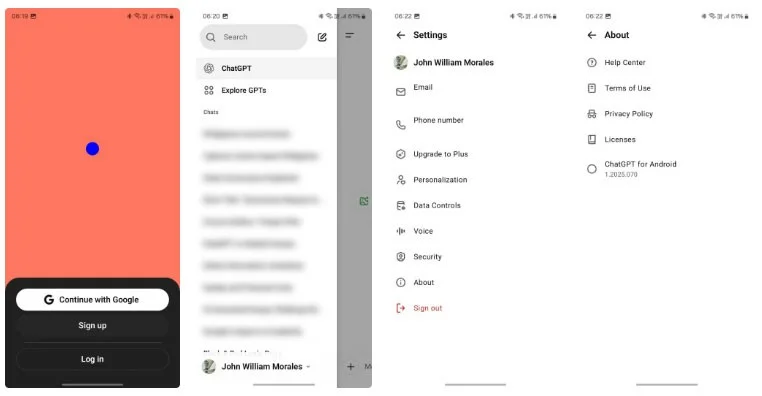
To confirm that you're running the latest version of ChatGPT, open the app, tap Continue on the Welcome to ChatGPT page , then tap Sign up in the top-right corner of the main page. You can then log in to your account if you already have one, or create one if you don't. From there, tap the menu icon in the top-left corner of the main page, then tap your name to bring up the settings menu. From there, tap About and it should say ChatGPT for Android (1.2025.070) .
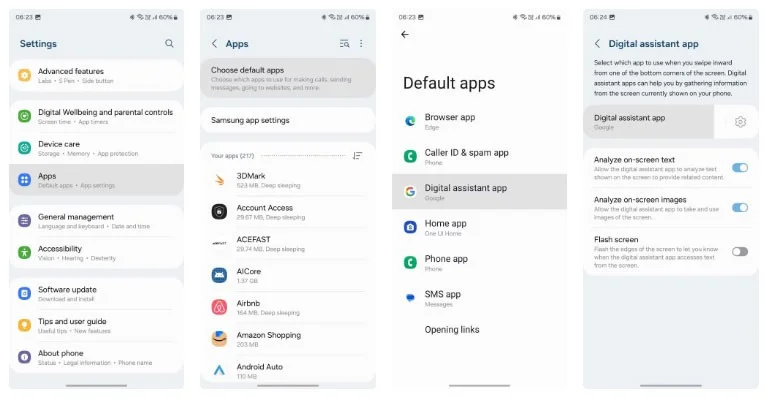
Now that you have the latest version of the app, you need to go to your phone settings to enable it. Go to Apps > Choose default apps > Digital assistant app . Once you are in your digital assistant app settings, tap on Digital assistant app and select ChatGPT. Note that this feature is not available in all regions and devices, so you may not be able to see and use it.
But if it's available, you'll be able to use ChatGPT when you launch the voice assistant feature on your phone — by pressing and holding the Home button, the Power button, or swiping in from the corner of the screen. Unfortunately, ChatGPT doesn't yet have voice recognition, so you can't launch it by voice unlike Gemini (which turns on when you say "Hey, Google") or Bixby .
Using ChatGPT as your primary voice assistant can help you get the most out of it, especially if you know how to use ChatGPT Search like a pro . However, you'll also miss out on some Google integrations (like smart home control), so you'll probably want to keep Gemini on your Android phone for tasks like this.
OpenAI has recently released updates that make ChatGPT much more useful for everyday use. Along with this latest release for Android devices, OpenAI also introduced a new generative model that it says helps LLM write well. But you still shouldn’t rely on it to do everything, as it still gets some of the easiest questions wrong.