Pardus 23 APT Errors: Check DNS and the yirmiuc Repositories
Diagnose Pardus 23 APT connection failures, confirm the official yirmiuc sources, and restore apt update without bypassing package signature checks.
Imagine booting up your PC with unbreakable confidence, knowing your system is shielded from hidden threats. That's the power of Secure Boot in Windows 11. If you're upgrading or installing the latest Windows version, enabling Secure Boot in your BIOS is essential. It verifies that only trusted software loads during startup, blocking malware in its tracks. This guide walks you through every step to set up Windows 11 Secure Boot in BIOS, making the process simple and stress-free. Let's dive in and fortify your setup! 🚀
Secure Boot is a UEFI firmware feature that ensures your computer's boot process only runs software from trusted sources. Introduced as part of modern security standards, it checks digital signatures on bootloaders and drivers before allowing them to execute. For Windows 11, Microsoft mandates Secure Boot as a core requirement, alongside TPM 2.0, to combat rising cyber threats.
Without it, your system could be vulnerable to rootkits or boot-time attacks. Enabling Secure Boot not only meets Windows 11 compatibility but also enhances overall security. Plus, it's a quick tweak that pays off in peace of mind. Ready to get started? We'll cover compatibility checks first to avoid any hiccups.
Before tweaking your BIOS, confirm your hardware supports Secure Boot. Most modern PCs do, but older ones might need updates. Here's how:
If your PC doesn't support these, consider hardware upgrades or sticking with Windows 10 for now. But fear not—most laptops and desktops from the last five years are good to go. Once confirmed, proceed to the BIOS setup. This preparation ensures a smooth ride ahead.
Accessing BIOS is your gateway to enabling Secure Boot. The key varies by manufacturer, so keep these common ones in mind:
| Manufacturer | BIOS Entry Key |
|---|---|
| Dell | F2 or Del |
| HP | F10 or Esc |
| ASUS | Del or F2 |
| Lenovo | F1 or F2 |
| MSI/Gigabyte | Del |
1️⃣ Power on your PC and immediately tap the key repeatedly during the startup screen (before the Windows logo appears). If you miss it, restart and try again.
2️⃣ Once inside, you'll see a blue or black interface with tabs like Main, Advanced, Boot, and Security. Navigate using arrow keys—mouse support varies.
Pro tip: If you're on a laptop, ensure it's plugged in to avoid battery drain mid-process. Now, let's enable the magic.
With BIOS open, focus on the Boot or Security section. The exact menu names differ, but the goal is the same: activate Secure Boot. Follow this general path:
After reboot, verify in Windows: Search for "msinfo32" in the Start menu, open System Information, and check "BIOS Mode" (should be UEFI) and "Secure Boot State" (should be On). If it's off, double-check BIOS settings.
Encountering boot loops or error messages? You're not alone—here's how to fix them quickly:
For persistent problems, consult your motherboard manual or manufacturer's support. Remember, updating BIOS to the latest version often resolves compatibility quirks—grab it from official sites like Microsoft's Windows 11 specs page.
Setting up Secure Boot isn't just a checkbox for Windows 11—it's a game-changer. It prevents unauthorized code from hijacking your boot process, reducing risks from USB drives or infected firmware. In today's threat landscape, this feature integrates seamlessly with BitLocker for full-disk encryption, giving you layered defense.
Users report faster boot times and fewer security alerts post-setup. If you're into gaming or productivity, a Secure Boot-enabled system means reliable performance without worries. Curious about optimizing further? Explore enabling Virtualization-Based Security (VBS) in Windows settings next for even stronger protection.
Congratulations! You've now mastered how to set up Windows 11 Secure Boot in BIOS. This small effort unlocks a safer, more efficient computing experience. Whether you're a first-time upgrader or a tech enthusiast, embracing Secure Boot is a smart move. If you run into snags, the community forums are full of helpful tips. Stay secure, boot confidently, and enjoy the perks of a protected PC. What's your next tech upgrade? Share in the comments below! 👏
Diagnose Pardus 23 APT connection failures, confirm the official yirmiuc sources, and restore apt update without bypassing package signature checks.
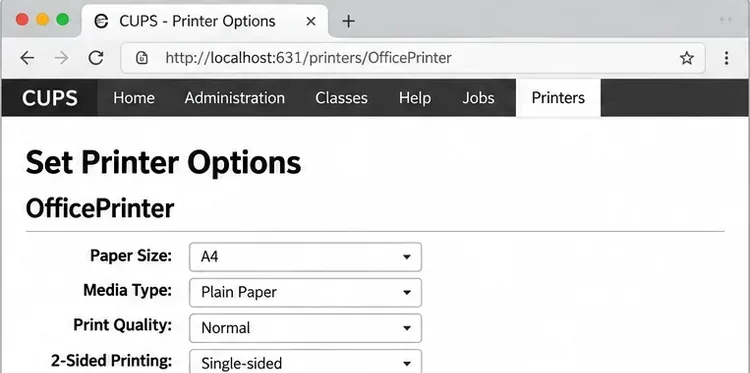
Configure printers on Harmonica OS using CUPS, compare driverless IPP with legacy drivers, and verify USB or network printing with a test page.
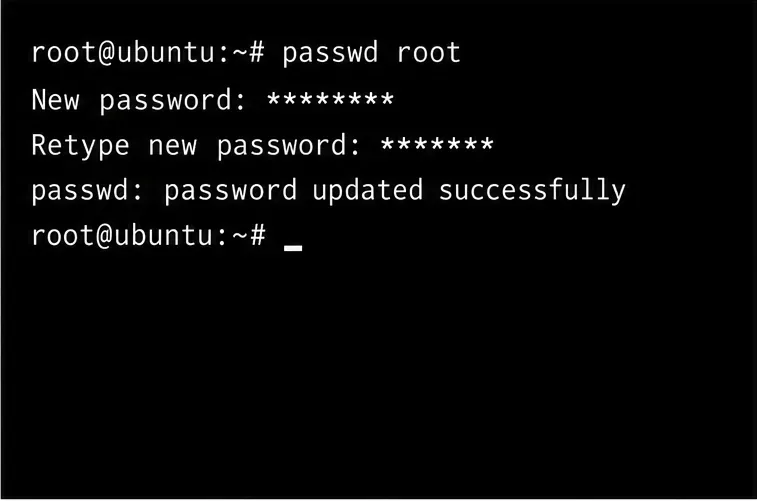
Use a recovery shell to set a new Harmonica OS root password, with checks for encrypted disks, read-only filesystems, and accounts that use sudo.
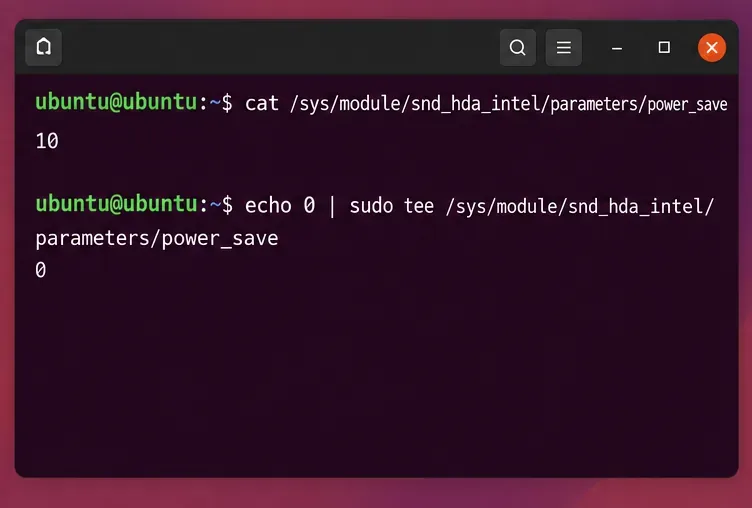
Trace whether clipping, ALSA format conversion, or HDA power saving is causing Ubuntu 24.04 audio distortion, then apply the matching reversible fix.
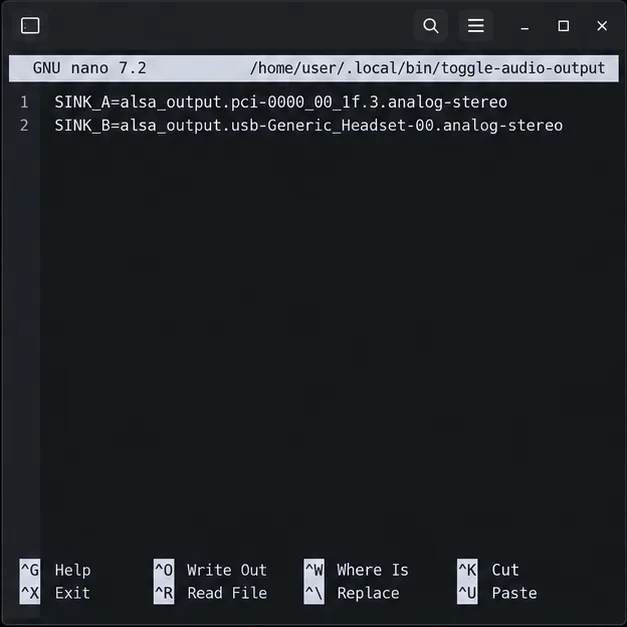
Switch Debian audio between named PipeWire outputs with a pactl script that updates the default sink and reroutes streams already playing.
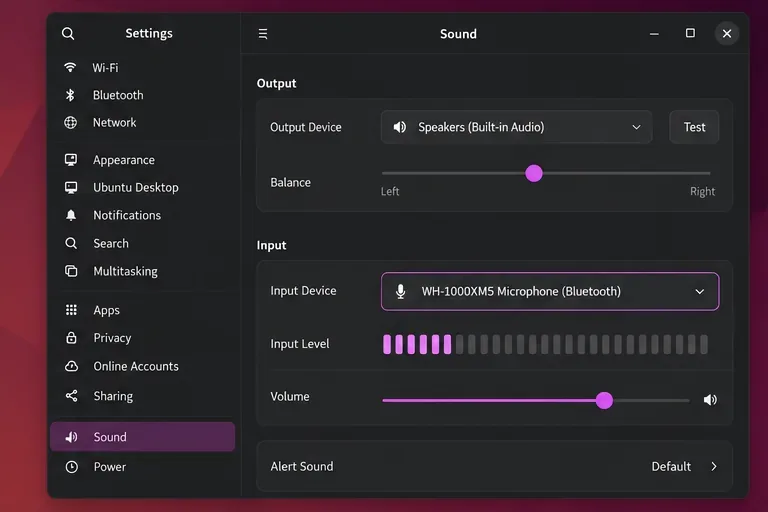
Get your Bluetooth headset mic working by selecting the right input, using a hands-free audio profile, and checking Ubuntu’s PipeWire route.
Learn why Flatpak apps may ignore Ubuntu 24.04 GTK themes and follow safe steps to check theme extensions, refresh Flatpak apps, and diagnose portal issues.
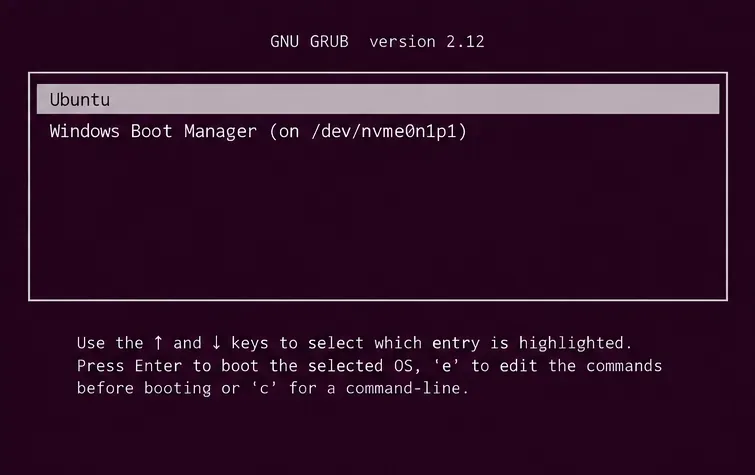
Install Ubuntu 24.04 alongside Windows 11 with BitLocker safely. Compare separate-drive and shared-drive paths, recovery keys, partitioning, and boot checks.
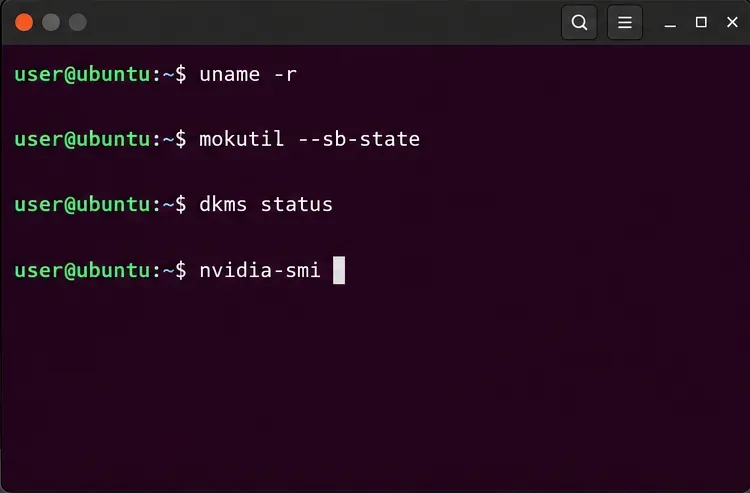
Diagnose NVIDIA driver failures after an Ubuntu kernel update. Check DKMS and Secure Boot, rebuild the matching module, enroll a MOK, and verify the fix.
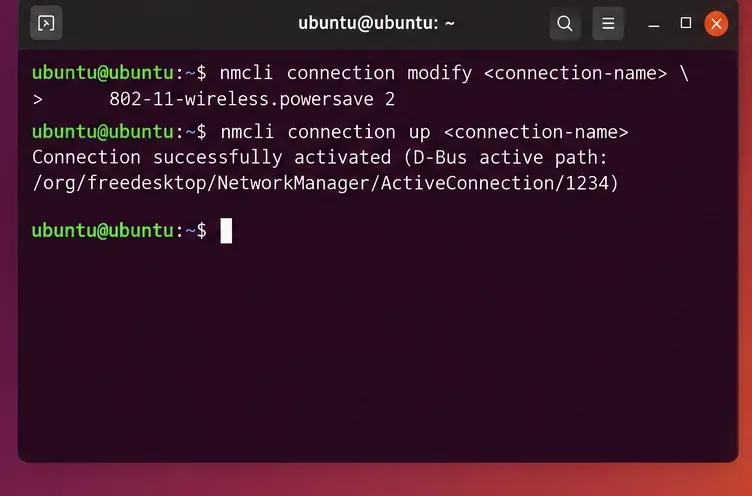
Fix Ubuntu 24.04 Wi-Fi drops after suspend with checks for NetworkManager, radio blocks, updates, power saving, and drivers—then verify each resume.