How to turn a photo into a painting using the Generative Fill function in Photoshop

Whether you want to turn your photo into a watercolor, oil painting, or some other type of painting, here's how to create the effect using Generative Fill in Photoshop.

Step 1: Open your photo

Because the AI ​​that generates the image always replaces the original image detail with new detail (even when applied at low intensity), the painting effect created with Generative Fill tends to work best on photos like landscapes and nature shots, where precise details are not as important as, say, someone's facial features.

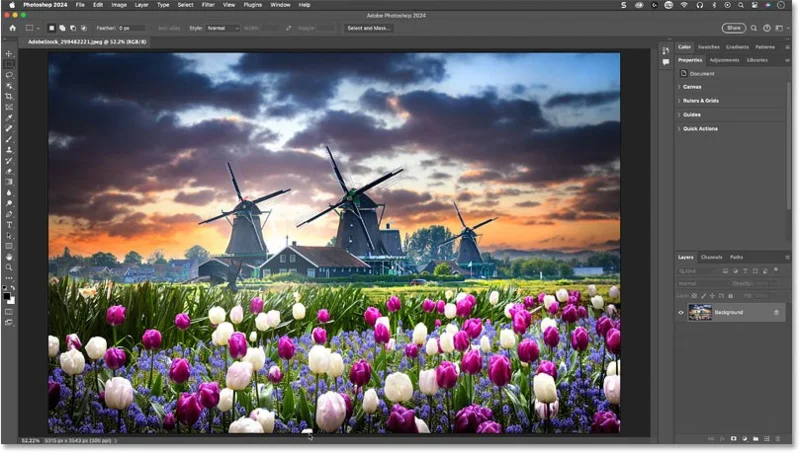
So the tutorial will use this photo from Adobe Stock.

How to turn a photo into a painting using the Generative Fill function in Photoshop
Original photo.

Step 2: Switch to Quick Mask mode

To apply a Generative Fill at less than 100% strength, you need to start in Photoshop's Quick Mask mode.

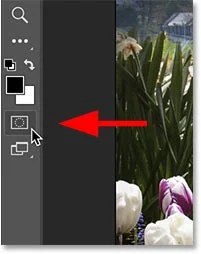
On the toolbar, click the Quick Mask icon (near the bottom, just below the color swatches). Or you can press the letter Q on your keyboard.

How to turn a photo into a painting using the Generative Fill function in Photoshop
Quick Mask icon on the toolbar.

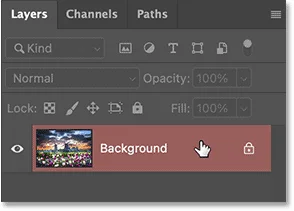
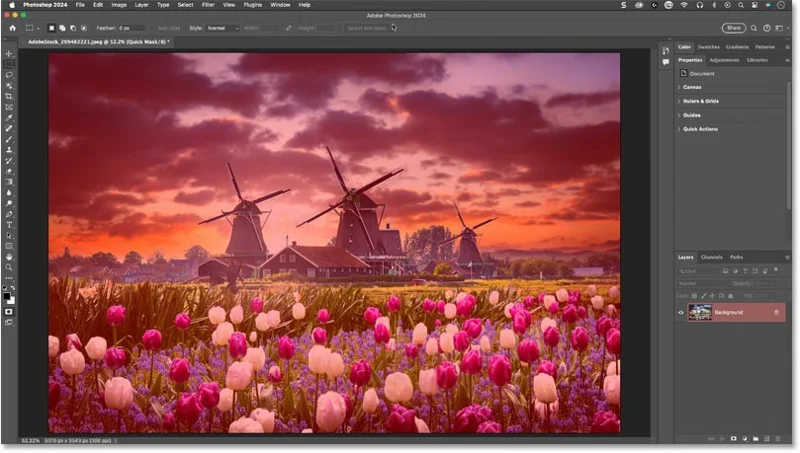
An easy way to know you're in Quick Mask mode is that the Background layer in the Layers panel is highlighted in red.

How to turn a photo into a painting using the Generative Fill function in Photoshop
Red highlight indicates Quick Mask mode.

Step 3: Open Fill options

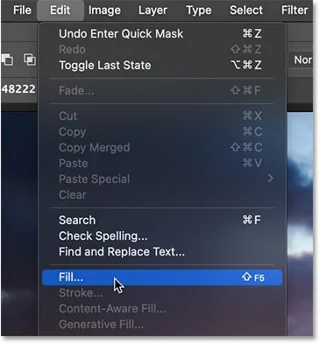
While Quick Mask mode is active, go to the Edit menu in the Menu bar and select Fill.

How to turn a photo into a painting using the Generative Fill function in Photoshop
Go to Edit > Fill.

Step 4: Choose a dark gray fill color

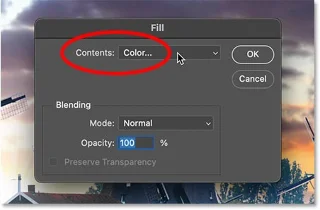
In the Fill dialog box , change the Contents option to Color.

Note that even if a Color is already selected, you still need to select it again for the Color Picker to open.

How to turn a photo into a painting using the Generative Fill function in Photoshop
Fill Dialog Box in Photoshop

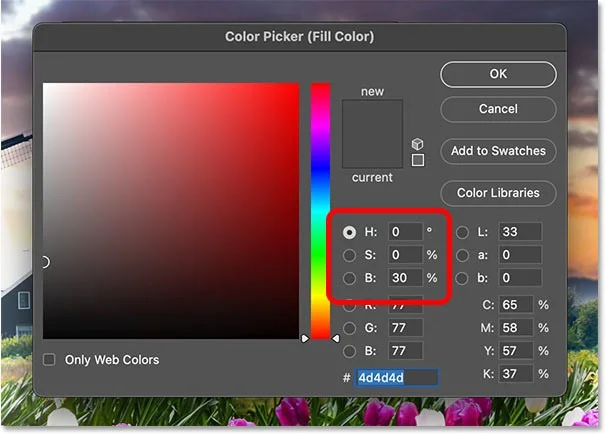
In the Color Picker, set the H (Hue) and S (Saturation) values ​​to 0 to work with gray. Then set the B (Brightness) value to 30%.

Think of the luminance value as the AI ​​intensity value. The higher the value, the more impact Generative Fill will have on the image (and the more the image will change). The lower the value, the more original detail will be preserved.

For this painting effect, 20 - 40% usually works best, and 30% tends to be the sweet spot. But you can always repeat these steps with different brightness values ​​to compare results.

How to turn a photo into a painting using the Generative Fill function in Photoshop
Set H and S to 0, B to 30% in Color Picker

Step 5: Exit Quick Mask mode

Click OK to close Photoshop's Color Picker. Then click OK to close the Fill dialog box.

Since you're in Quick Mask mode, your image will appear with a red overlay (another easy way to tell you're in Quick Mask mode).

How to turn a photo into a painting using the Generative Fill function in Photoshop
Red overlay in Quick Mask mode.

Exit Quick Mask mode by clicking the Quick Mask icon on the toolbar again or pressing Q on your keyboard.

How to turn a photo into a painting using the Generative Fill function in Photoshop
Click the Quick Mask icon to close it.

Step 6: Select Generative Fill

In Photoshop's Contextual Task Bar, click Generative Fill .

How to turn a photo into a painting using the Generative Fill function in Photoshop
Click Generative Fill in Photoshop's Contextual Task Bar

Step 7: Enter the drawing prompt and click Generate

In the prompt box, type the type of painting you want to create. For example, type watercolor painting .

Then click Generate .

How to turn a photo into a painting using the Generative Fill function in Photoshop
Enter the image style and click Generate.

Step 8: Choose the best result

You will need to wait a few seconds for Photoshop and Adobe Firefly to generate the results.

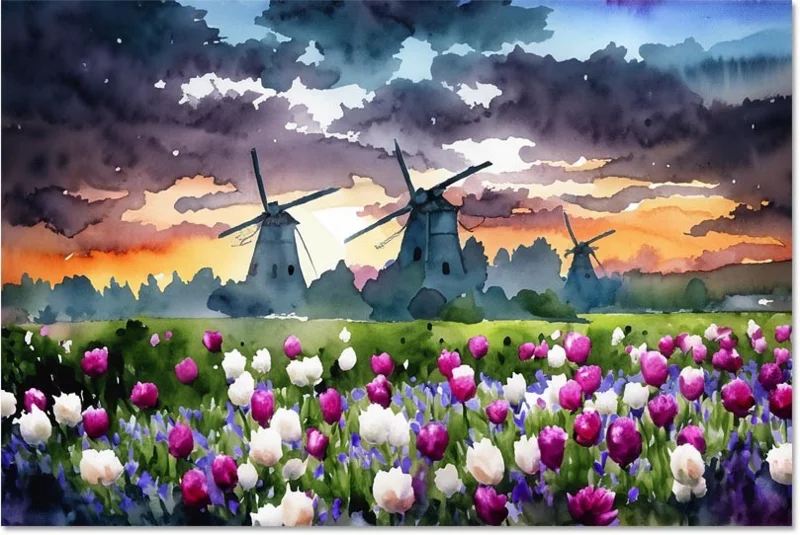
This is the original watercolor effect. Applying Generative Fill at just 30% strength allows for a lot of the original detail to be retained so that the flowers and windmills can still be distinguished.

How to turn a photo into a painting using the Generative Fill function in Photoshop
Photo converted to watercolor using Generative Fill in Photoshop

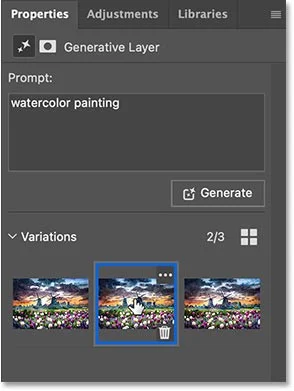
As usual with Generative Fill, you'll see three variations of the result in the Properties panel so you can choose the one you like best. Or click Generate to try again.

How to turn a photo into a painting using the Generative Fill function in Photoshop
Choose from three variations in the Properties panel.

Step 9: Try different drawing styles

After creating the initial drawing effect, you can easily try out different drawing styles simply by changing the prompt in the Properties panel.

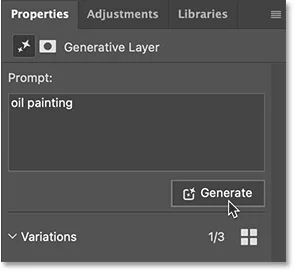
For example, change the prompt from watercolor to oil painting. Then click Generate.

How to turn a photo into a painting using the Generative Fill function in Photoshop
Enter another drawing style and click Generate.

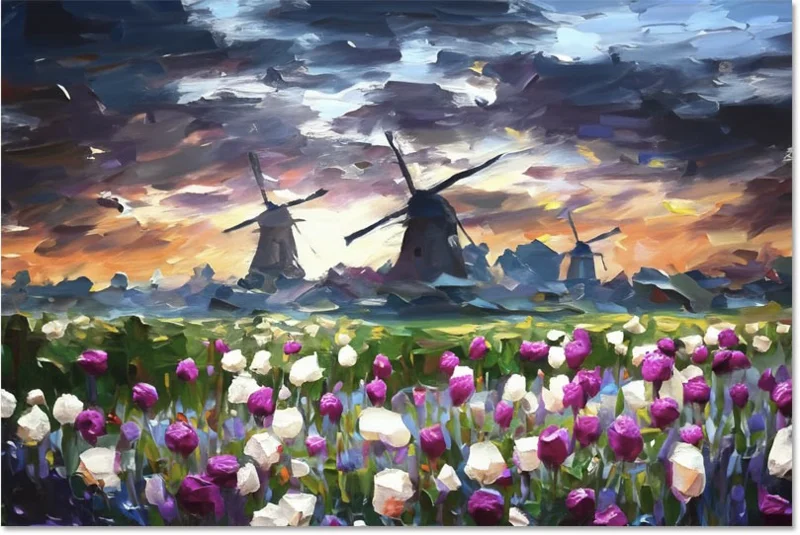
This is my favorite of the 3 oil painting results.

How to turn a photo into a painting using the Generative Fill function in Photoshop
Oil painting effect created with Generative Fill.

And that's it! That's how easy it is to turn a photo into a painting using Generative Fill in Photoshop.
Leave a Comment

Side Hustles That Actually Pay in 2026: 7 Realistic Options and the Tradeoffs to Know

Side Hustles That Actually Pay in 2026: 7 Realistic Options and the Tradeoffs to Know

Compare realistic side hustles for 2026 by startup cost, fees, flexibility, and income control, with current tax and scam guidance from official sources.

Remote Work Ergonomics in 2026: Upgrade Your Home Office Without Overbuying

Remote Work Ergonomics in 2026: Upgrade Your Home Office Without Overbuying

Upgrade your home office ergonomics with current OSHA and NIOSH guidance on chair fit, monitor height, laptop setup, lighting, and movement.

Why Emotional Intelligence Matters in Leadership—and How to Build It

Why Emotional Intelligence Matters in Leadership—and How to Build It

Learn why emotional intelligence matters in leadership, where it helps most, how to strengthen it, and how to tell whether your approach is working.

How to Transition to a Tech Career Without a Degree: A Results-First Roadmap for 2026

How to Transition to a Tech Career Without a Degree: A Results-First Roadmap for 2026

A practical roadmap for moving into tech without a degree: choose an accessible role, build job-ready skills, prove them with projects, and use hiring feedback to improve.

Building a Personal Brand on LinkedIn in 2026: What Still Works, What Changed, and What to Ignore

Building a Personal Brand on LinkedIn in 2026: What Still Works, What Changed, and What to Ignore

Build a credible LinkedIn personal brand in 2026 with current profile, content, newsletter, analytics, verification, and visibility guidance from LinkedIn.

Quiet Quitting vs. Quiet Firing in 2026: What’s Really Changing at Work

Quiet Quitting vs. Quiet Firing in 2026: What’s Really Changing at Work

Quiet quitting and quiet firing are catchy labels, not diagnoses. Learn what is verified, what depends on context, and what employees and managers can do next.

The Rise of the Fractional Executive: When Part-Time C-Suite Leadership Makes Sense

The Rise of the Fractional Executive: When Part-Time C-Suite Leadership Makes Sense

Fractional executives offer senior leadership without a full-time hire. Learn when the model works, what to ask, and the risks to manage.

How to Negotiate a Raise During Q4 Performance Reviews: A Practical 2026 Decision Guide

How to Negotiate a Raise During Q4 Performance Reviews: A Practical 2026 Decision Guide

Prepare a stronger Q4 raise request with current wage data, timing options, compensation tradeoffs, and scripts for yes, partial, or no outcomes.

6 High-Income Skills You Can Start Learning Before 2026 Ends

6 High-Income Skills You Can Start Learning Before 2026 Ends

Choose a high-income skill you can realistically start before 2026 ends, with current pay data, learning priorities, and a practical self-check.

Mastering the Hybrid Work Schedule: A Practical Framework That Actually Holds Up

Mastering the Hybrid Work Schedule: A Practical Framework That Actually Holds Up

Build a hybrid work schedule around tasks, team overlap, and measurable outcomes. See sample patterns, warning signs, and when to adjust your plan.