






SLES Zypper HTTP 500: Find the Failing Repository

Trace a Zypper refresh error to SUSE, RMT, or a third-party endpoint, then apply the right server-side or cache fix without disabling essential updates.
Meta AI has been updated on Messenger for you to experience this chatbot, interact with the chatbot for any issue you are interested in. Basically, Meta AI works independently in the Messenger interface so it does not affect users' chats. Currently, Meta AI supports users in answering questions and in new updates, it will add the option to chat with photos or create photos. Below are instructions for using the Meta AI chatbot on Messenger.
How to use Meta AI chatbot on Messenger
Step 1:
On the Messenger application interface, you will see the Meta AI icon at the bottom of the screen to select and use.

Step 2:
Go to the main Meta AI interface, here you will see suggested topics below for you to choose to chat with Meta AI. Or you can click on the 3 dashes icon in the bottom left corner to expand more chat topics with Meta AI .
Step 3:
You can try clicking on the available topic to see Meta AI's response. The content that Meta AI replies to you has a reference source below for us to refer to.
Step 4:
Continue to enter the question you want to chat with Meta AI into the box to see the content that Meta AI provides.
Overall, the response content from Meta AI is as good as other chatbots.
How to edit Meta AI Messenger notifications
Step 1:
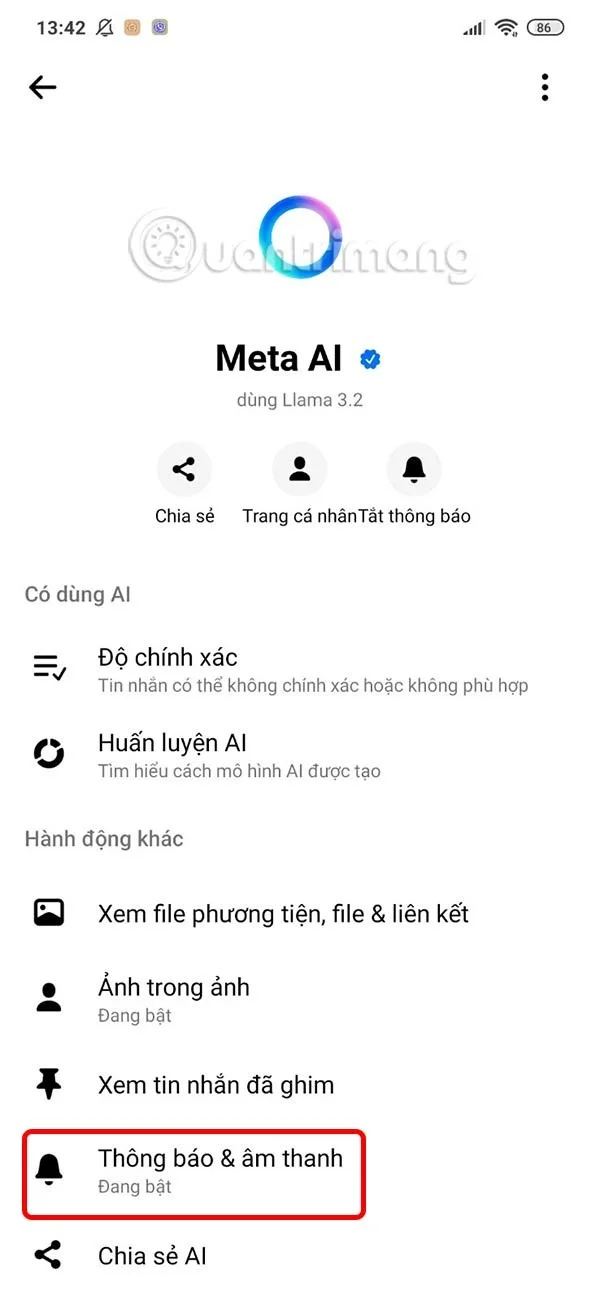
At the Meta AI interface, click on the i icon to access the custom interface for the Meta AI chatbot.

Step 2:
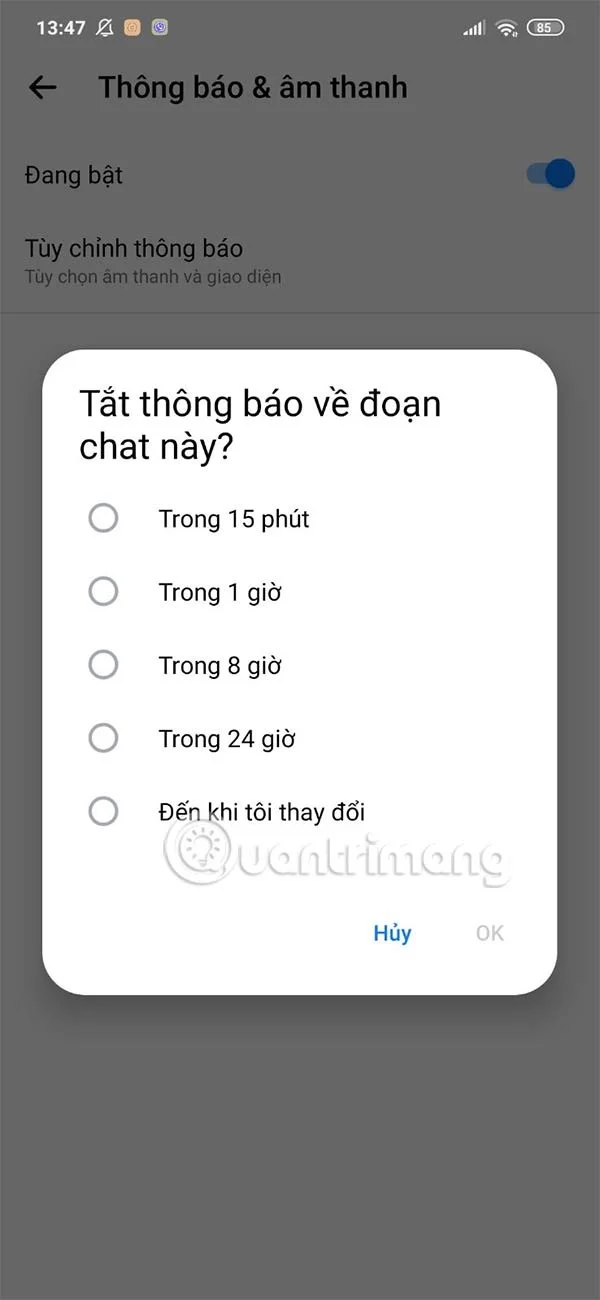
In this interface, users will see custom settings for Meta AI when you use it. For example, we click on Notifications & Sounds . Here, you slide the button to the left at On to turn off Meta AI notifications.
Then we choose to turn off Meta AI notifications as we wish.
Video tutorial on using Meta AI on Messenger
Trace a Zypper refresh error to SUSE, RMT, or a third-party endpoint, then apply the right server-side or cache fix without disabling essential updates.
Resolve SUSE LVM thin-pool space errors by checking data and metadata usage, expanding the pool safely, and preventing repeat outages.
Identify whether Btrfs is intentionally read-only, short on space, or protecting data after errors, then choose a recovery path that fits the cause.
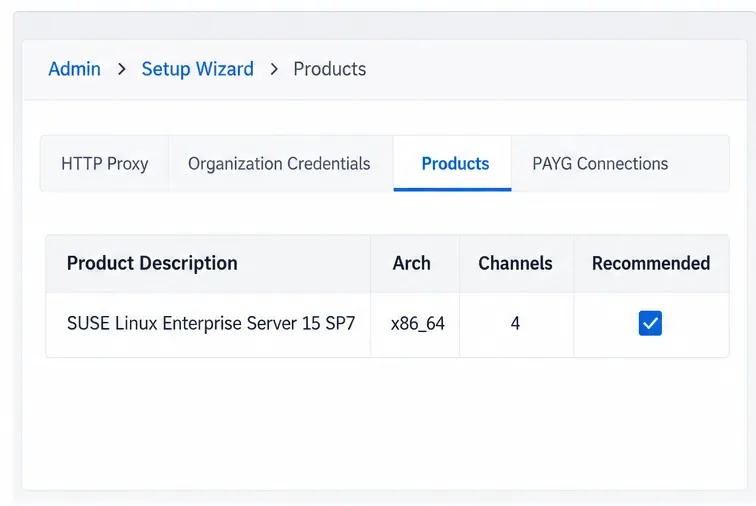
Prepare mirrored channels, create an activation key, and bootstrap an SLES 15 client without direct internet access while preserving the connection needed for Manager check-ins.
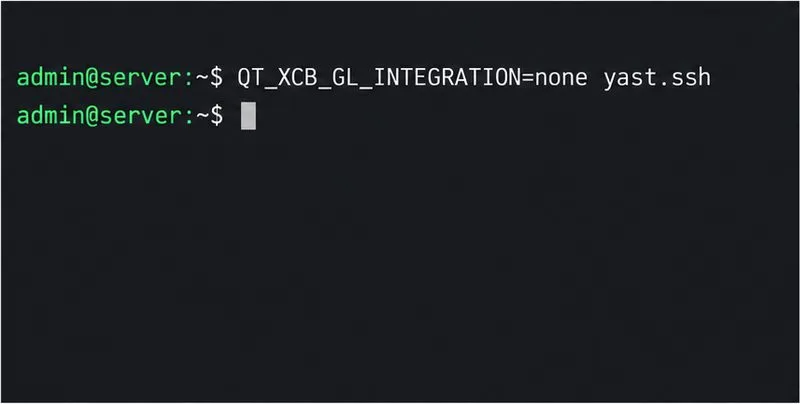
Fix YaST’s XIO launch error over SSH, verify X11 forwarding and xauth, and switch to the ncurses interface when a remote window is unnecessary.
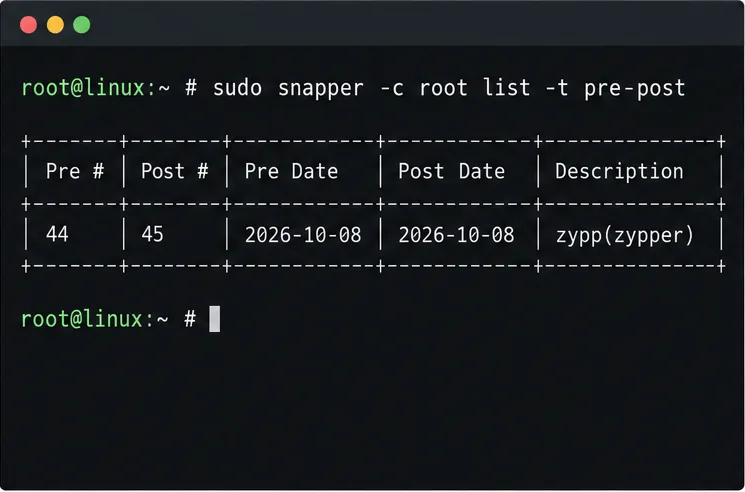
Find the pre-update Btrfs snapshot, test it read-only, and make recovery permanent with Snapper while understanding which data stays outside the root rollback.
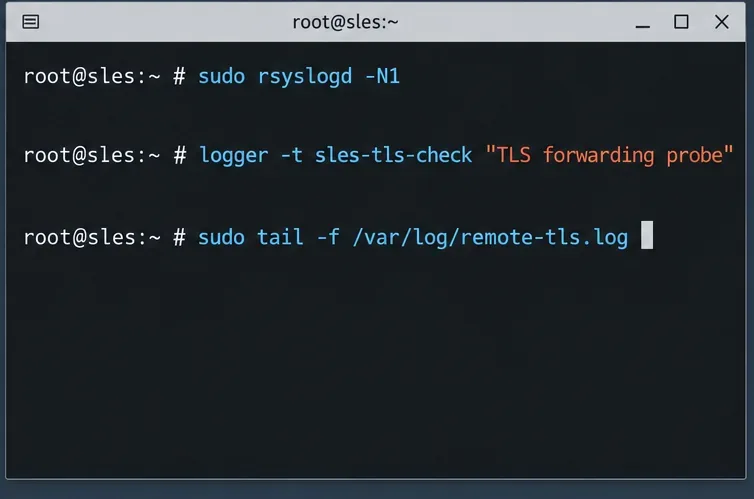
Send SLES system logs to a remote rsyslog collector over authenticated TLS, with certificate checks, outage buffering, and delivery tests.
Use RAM, swap, kernel, and Zypper logs to identify real memory pressure, protect package state, and choose a safer SLES upgrade retry.
Enable Debian’s unattended security updates over SSH, keep the default package sources, and verify scheduled runs through systemd and APT logs.
Compare mail delivery options, configure smartd on Ubuntu, and verify that disk-health warnings reach your inbox.