How to use Passwords app on iOS 18

The Passwords app on iOS 18 will manage the passwords saved on the device, automatically filling in the information saved right in the app. So you can use the password manager right on your iPhone without needing other password management apps . Here are instructions for using the Passwords app on iOS 18.

Table of Contents

How to Use the Passwords App on iOS 18

View saved passwords on iOS 18

Step 1:

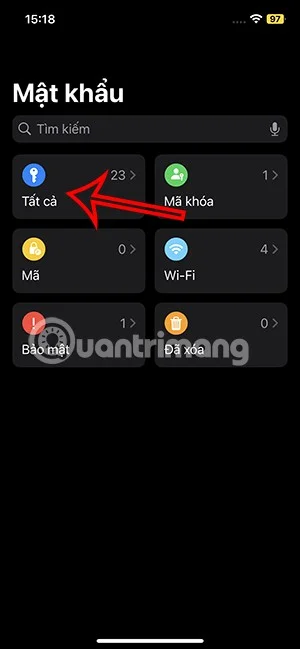
You open the Password application on iPhone and will see the management interface as shown. To see the saved passwords, we click on All .

How to use Passwords app on iOS 18

Step 2:

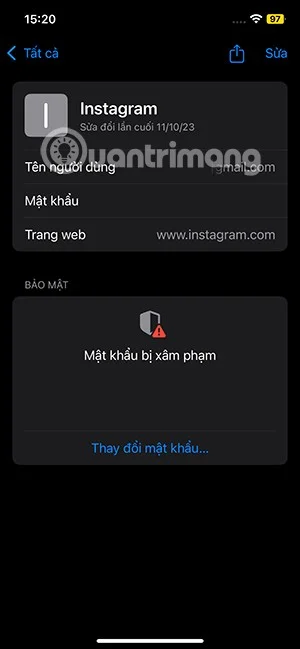
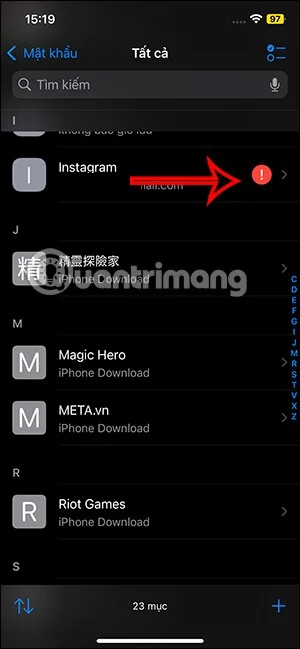
In the list of passwords for saved accounts on iPhone, if the account has a problem, a red warning circle will appear. Then you will know what the password problem is to change the application password immediately.

How to use Passwords app on iOS 18

Step 3:

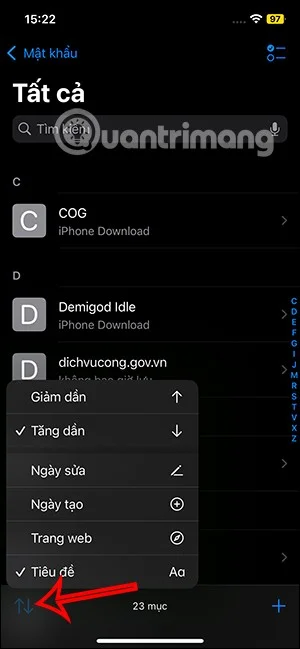
We click on the 2-way arrow icon to change the arrangement of accounts saved in the Password application.

How to use Passwords app on iOS 18

Step 4:

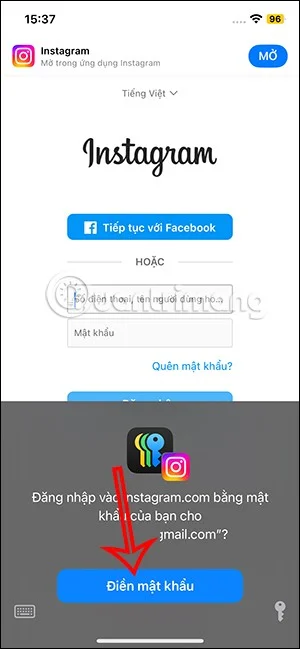
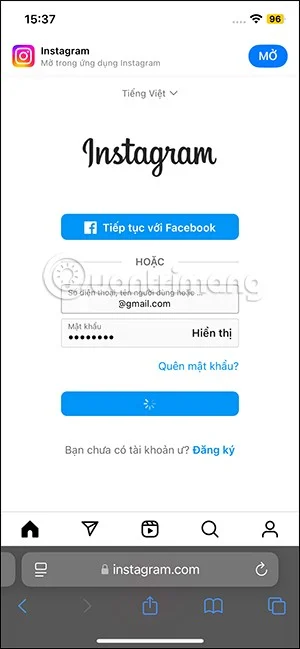
With applications saved in the Passwords application, when we access a website on Safari, we will be asked whether to use the login information saved in Passwords or not. If we click Fill Password , the login information will be automatically filled in.

How to use Passwords app on iOS 18

Instructions for saving passwords on iOS 18

Step 1:

In the All section , click on the plus icon in the lower right corner of the screen. Next, we fill in all the account information in the interface displayed as shown.

How to use Passwords app on iOS 18

Step 2:

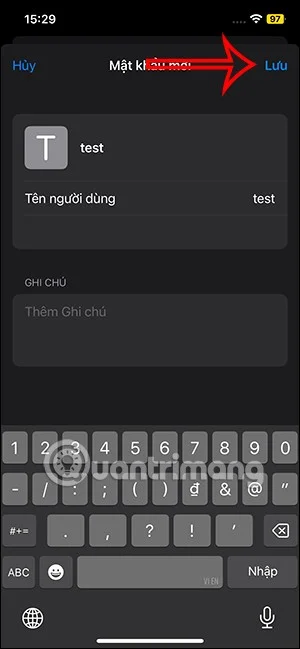
We enter all the information into the interface and then click Save in the top right corner to save the information.

How to use Passwords app on iOS 18

View WiFi password saved in the app

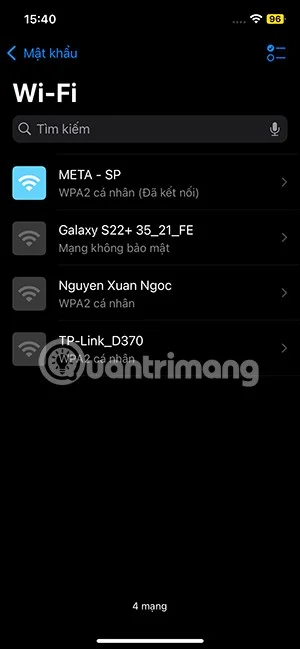
You tap on the Wi-Fi item in the Passwords app to display the password information of the WiFis saved in the app. When you tap on Passwords, it will display the characters and options for the password.

How to use Passwords app on iOS 18

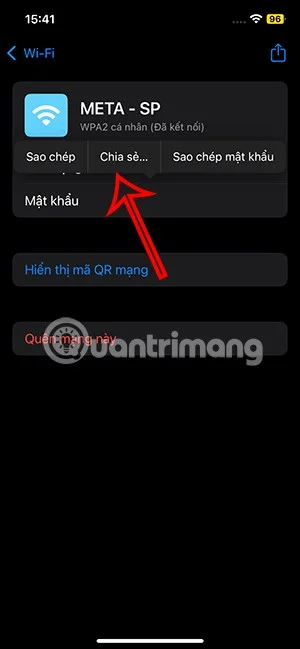
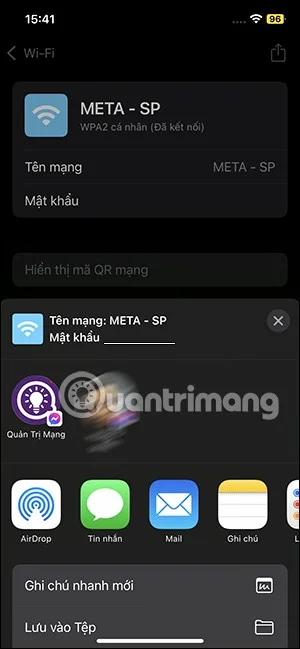
In addition, we have the option to create a QR code for the WiFi password to share , or click the share icon to send the password information to others.

How to use Passwords app on iOS 18

Warning about unsafe passwords on iPhone

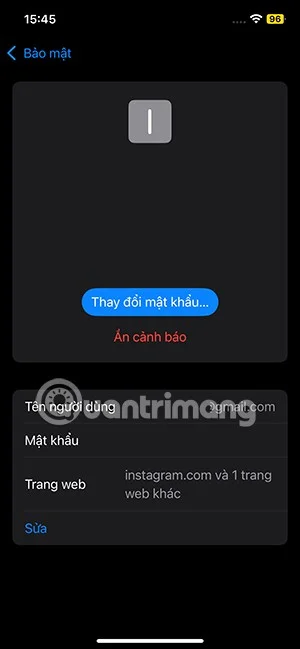
The Passwords app has a dedicated Security section to alert you to accounts with easily guessable passwords, or passwords that have been leaked.

Through that, users should change the passwords of warned accounts.

How to use Passwords app on iOS 18

Manage deleted passwords in the app

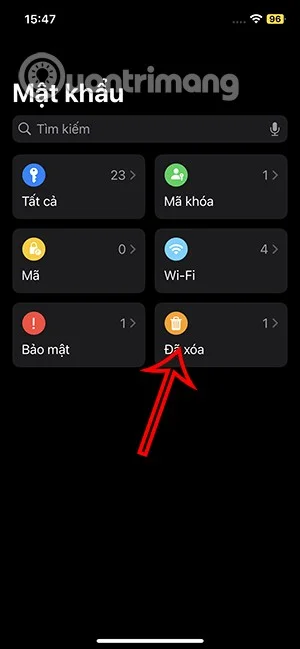
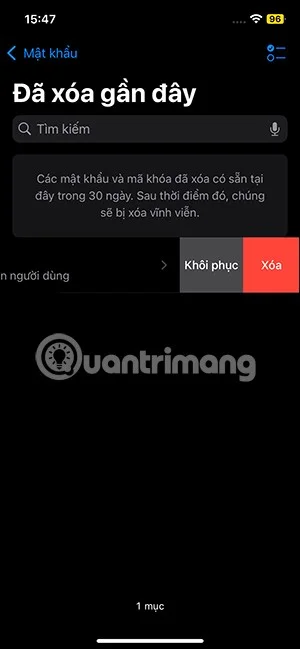
You click on Deleted to review the deleted account password. We can swipe left to delete the saved password if we want. Or click Restore to return to the password management interface.

How to use Passwords app on iOS 18

Sync passwords across devices

Step 1:

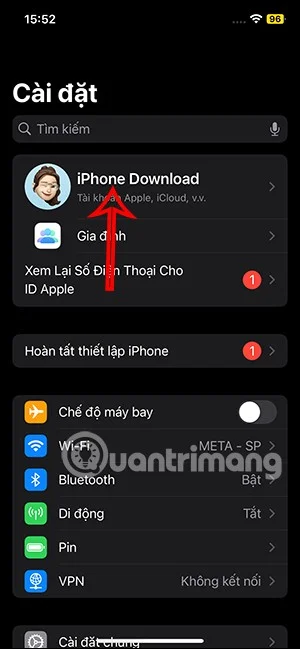
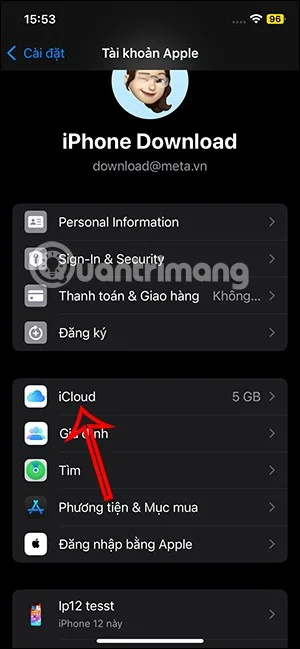
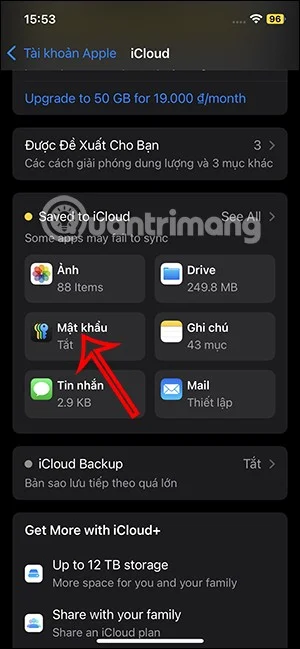
You go to Settings and then click on your account name . In the next interface, we click on iCloud , then click on Password .

How to use Passwords app on iOS 18

Step 2:

Then you need to enable this iPhone Sync setting to save all password information in iCloud sync on other devices.
How to use Passwords app on iOS 18

Leave a Comment

Enable FIPS Mode on SLES 15 and Verify the Boot State

Enable FIPS Mode on SLES 15 and Verify the Boot State

Follow SUSE’s SP7 procedure to enable FIPS mode, reboot safely, verify the active policy, and check whether your compliance requirement calls for validated modules.

Set Up a LUKS-Encrypted Data Volume on SLES

Set Up a LUKS-Encrypted Data Volume on SLES

Compare YaST and cryptsetup for a new encrypted SLES data volume, choose LUKS1 or LUKS2, and verify unlock and mount behavior safely.

Build a Custom AppArmor Profile on SUSE Linux

Build a Custom AppArmor Profile on SUSE Linux

Create, refine, and verify a least-privilege AppArmor profile on SLES 15 SP7, with a clear note on SLES 16’s SELinux default.

Build a Local SUSE Update Server with RMT on SLES 15

Build a Local SUSE Update Server with RMT on SLES 15

Set up RMT on SLES 15, mirror entitled repositories, and verify HTTPS registration and package access from a test client.

Join SLES 15 to Active Directory with SSSD in YaST

Join SLES 15 to Active Directory with SSSD in YaST

Connect SLES 15 to AD with YaST’s SSSD-based logon management, then verify directory lookup, domain login, and Kerberos tickets.

Enable SLES Live Patching and Verify a Kernel Fix

Enable SLES Live Patching and Verify a Kernel Fix

Set up the right Live Patching path for SLES 16.0 or 15 SP7, apply eligible kernel fixes, and confirm what is active without confusing it with a reboot-required kernel update.

Install and Sign Custom Kernel Modules on SLES 15 Secure Boot

Install and Sign Custom Kernel Modules on SLES 15 Secure Boot

Load a custom SLES 15 kernel module without disabling Secure Boot. Match the running kernel, sign the .ko file, enroll a MOK key, and verify loading.

Keep Services Available During a SLES 15 SP5 to SP6 Upgrade

Keep Services Available During a SLES 15 SP5 to SP6 Upgrade

SLES 15 SP5 can migrate online to SP6, but each node must reboot. Use a tested rolling upgrade or blue-green cutover to keep workloads reachable.

Apply the SLES 15 STIG Safely with OpenSCAP

Apply the SLES 15 STIG Safely with OpenSCAP

Use SUSE’s supported STIG profile to scan SLES 15, test remediation, review remaining findings, and retain assessment evidence.

Restore Cockpit Access to SUSE Linux Enterprise Server

Restore Cockpit Access to SUSE Linux Enterprise Server

Trace a failed Cockpit connection through DNS, port 9090, the systemd socket, firewalld, TLS, and login settings using current SUSE guidance.