How to Use Skype

How to Use Skype effectively starts with a quick installation and account setup, then moves straight into making calls and managing contacts. The app works smoothly across desktop, mobile, and web, letting you connect with anyone who has a Microsoft account.

Getting Started with Skype

Before diving into calls, make sure you have a stable internet connection and a working microphone or headset. Skype requires a free Microsoft account, which you can create during signup if you do not already have one. The desktop version offers the most complete feature set, while the mobile apps focus on quick calls on the go.
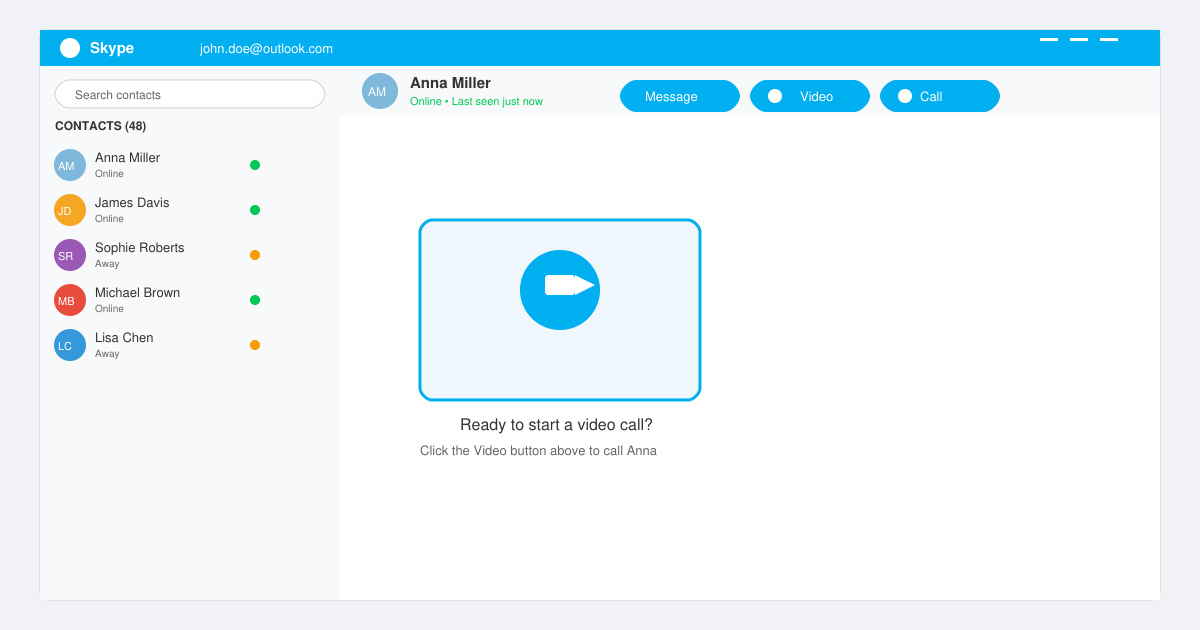
Overview screenshot of the Skype interface showing the main dashboard with contacts and call buttons

How to Use Skype Step by Step

  1. Download and install Skype

    Visit skype.com or open your device app store. Search for “Skype” by Microsoft, then click Get or Install. On Windows, run the downloaded .exe file and follow the on-screen prompts. On macOS, drag the app into your Applications folder after opening the .dmg file.
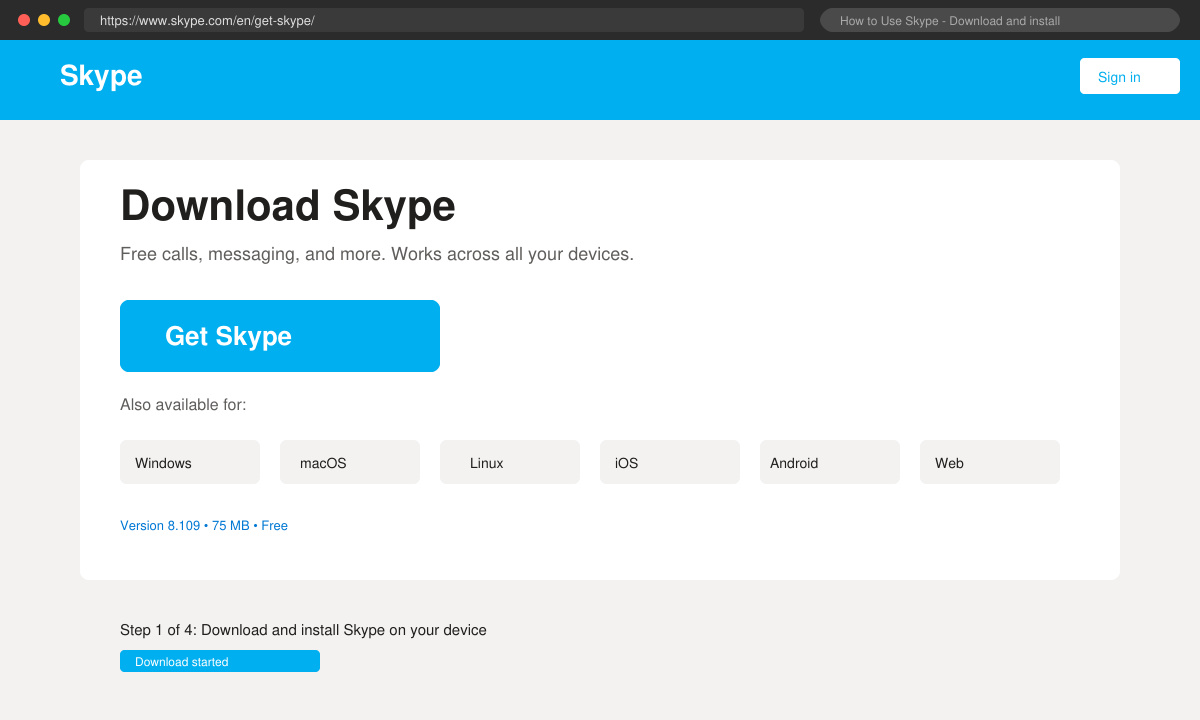
    Download page on skype.com with the blue Get Skype button highlighted
  2. Create or sign in to your account

    Launch Skype and click “Create account” if prompted. Enter your email address or phone number, create a password, and verify the account with the code sent to you. Existing Microsoft users can simply sign in with their existing credentials.

  3. Add contacts and start a conversation

    Click the search bar at the top, type the Skype name, email, or phone number of the person you want to reach, then select Add to contacts. Once they accept, open the chat and click the video or audio call icon in the top right corner of the chat window.
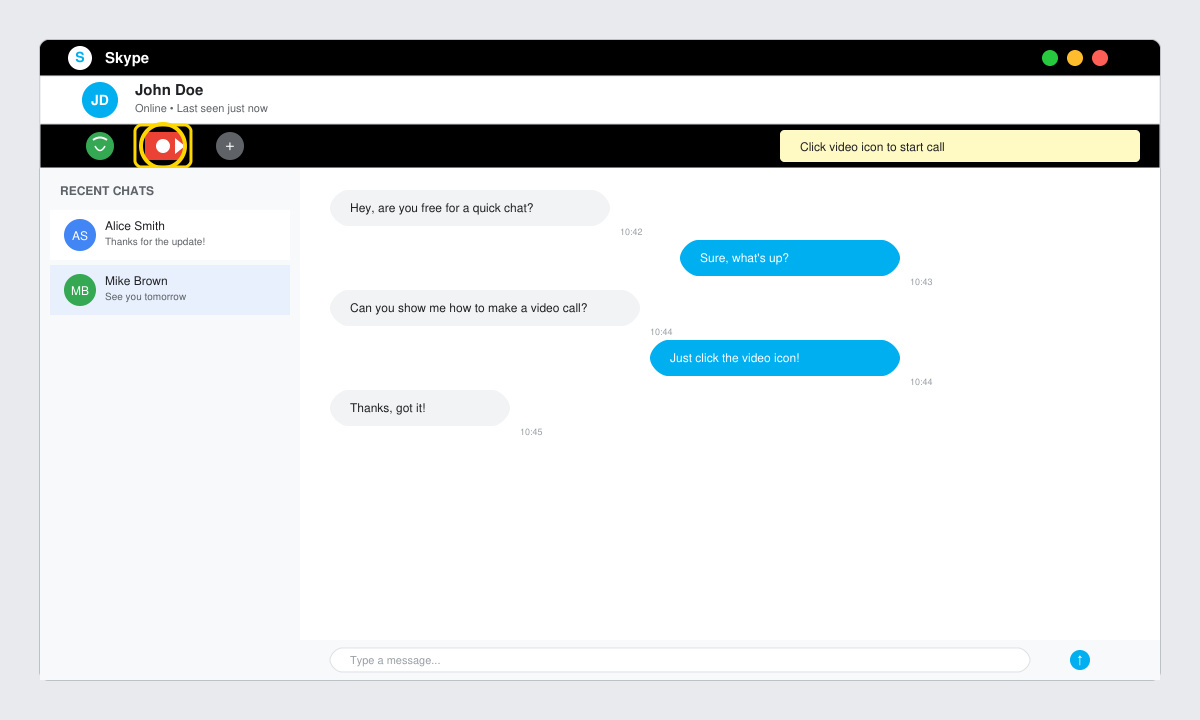
    Skype chat window with the video call button clearly visible in the header
  4. Share your screen during a call

    While in an active call, click the three-dot menu in the call controls and choose “Share screen.” Select the specific window or entire desktop you want to display, then click Start sharing. The other participant will see your screen immediately.

Useful Tips and Common Mistakes

Always test your camera and microphone in Settings > Audio & Video before important calls. If your call quality drops, switch from Wi-Fi to a wired connection or close background apps using bandwidth. A frequent mistake is forgetting to grant microphone permission in your device settings, which blocks all outgoing audio. Another common issue occurs when users try to call phone numbers without Skype Credit or a subscription; check your balance first in the account section.

FAQ

Is Skype completely free?

Yes for calls between Skype users. Calls to landlines or mobiles require paid credit or a subscription.

Can I use Skype without installing the app?

Yes. Go to web.skype.com in any modern browser and sign in with your Microsoft account to make calls directly from the web.

How do I change my profile picture?

Click your avatar in the top left, select the camera icon, and upload a new photo from your device or take one with your webcam.

Conclusion

Once you complete the initial setup, How to Use Skype becomes straightforward for daily communication. Practice a test call with a friend to get comfortable with the controls before using it for work or important conversations.


Leave a Comment

How to Clean a PS5 Fan Without Taking It Apart: The Safe Vent-Cleaning Method

How to Clean a PS5 Fan Without Taking It Apart: The Safe Vent-Cleaning Method

Clean PS5 cooling vents without opening the console using PlayStation’s recommended low-powered vacuum method, plus airflow and noise checks.

How to Clean an HP Printer Head: A Practical Troubleshooting Guide

How to Clean an HP Printer Head: A Practical Troubleshooting Guide

Learn how to clean an HP printer head safely using diagnostic pages, built-in cleaning tools, alignment checks, and model-specific manual care.

How to Clean a Microwave Filter: Grease Filter Steps and Charcoal Filter Rules

How to Clean a Microwave Filter: Grease Filter Steps and Charcoal Filter Rules

Clean a microwave grease filter safely, know when a charcoal filter must be replaced, and use a quick checklist for model-specific care.

How to Disinfect a Hairbrush Safely: Clean First, Then Choose the Right Method

How to Disinfect a Hairbrush Safely: Clean First, Then Choose the Right Method

Learn how to disinfect a hairbrush without damaging it, with material-specific steps, CDC head-lice guidance, and a clear cleaning-vs-disinfection decision.

How to Clean an Air Fryer Heating Element Safely: A Practical Step-by-Step Guide

How to Clean an Air Fryer Heating Element Safely: A Practical Step-by-Step Guide

Learn how to clean an air fryer heating element safely, remove grease and stuck food, avoid damaging the coating, and know when to stop and check the manual.

How to Clean a Patagonia Down Sweater Without Flattening the Down

How to Clean a Patagonia Down Sweater Without Flattening the Down

Learn how to clean a Patagonia Down Sweater safely with cold washing, down-specific detergent, low-heat drying, clump removal, and final loft checks.

How to Get Gum Off Jeans Without Damaging the Denim

How to Get Gum Off Jeans Without Damaging the Denim

Remove chewing gum from jeans with an ice-first method, gentle scraping, residue treatment, safe washing, and a final check before drying.

How to Remove a Sink Drain Stopper Without Damaging the Drain

How to Remove a Sink Drain Stopper Without Damaging the Drain

Learn how to remove a bathroom sink drain stopper, release a pop-up pivot rod, check the result, and know when a different method is safer.

How to Clean AirPods Max Cushions Safely: A Beginner-Friendly Guide

How to Clean AirPods Max Cushions Safely: A Beginner-Friendly Guide

Learn how to clean AirPods Max cushions safely using Apple’s recommended detergent method, proper drying time, and mistakes to avoid.

How to Clean a Baseball Glove Without Ruining the Leather: A Beginner’s Guide

How to Clean a Baseball Glove Without Ruining the Leather: A Beginner’s Guide

Learn how to clean a baseball glove safely with gentle wiping, careful drying, light conditioning, and proper storage, plus mistakes that can damage leather.