Home
» How to
»
How to use TV to save electricity?
How to use TV to save electricity?
Using television is one of the indispensable activities in everyone's daily life. However, users often have seemingly harmless habits that actually make their monthly electricity bills increase significantly. In the article below, WebTech360 will guide the tips to save power for the TV to help you use the TV most effectively.
Lower the brightness of the TV screen
Some modern TVs will have the ability to manually adjust the brightness of the TV screen depending on the strong / low light in the room. If your TV does not have that automatic feature is also okay, you can go to the settings to manually customize the sharpness, color, contrast ... right in the menu bar to get beautiful pictures and save power. most powerful.
Adjust the brightness to match the light in the room
Another good tip is that you can reduce the light around the TV to a moderate level by turning the electric lights on and off. Thereby, we can both help the TV bring a clearer, more beautiful picture while the brightness of the backlight can be reduced.
Quick Start should be turned off
Some newer TV models will have a Quick Start feature, which helps the screen start up faster. Although it only shortened a few seconds, but its downside is that the TV will consume a higher amount of power from 25 to 50 times higher than the normal way when the TV is in Standby. Therefore, limit your use of the Quick Start feature as much as possible.
Should use Standby mode instead of "forcing" the TV to start quickly
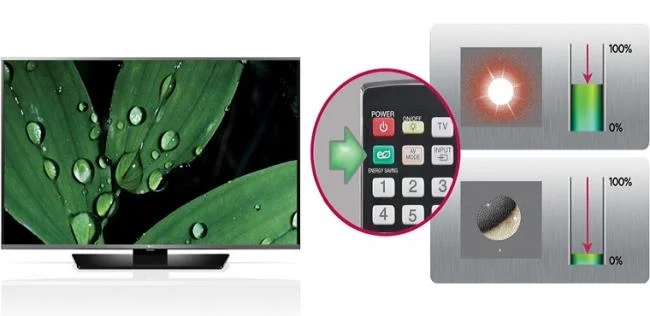
Use power saving mode
Turn on power saving mode
Today's trends are all equipped with power saving modes. This function will reduce screen brightness, adjust contrast and sound level to reduce power consumption. You should use this feature in places with low light or after turning off all the lights to ensure that your TV viewing will always be at its best.
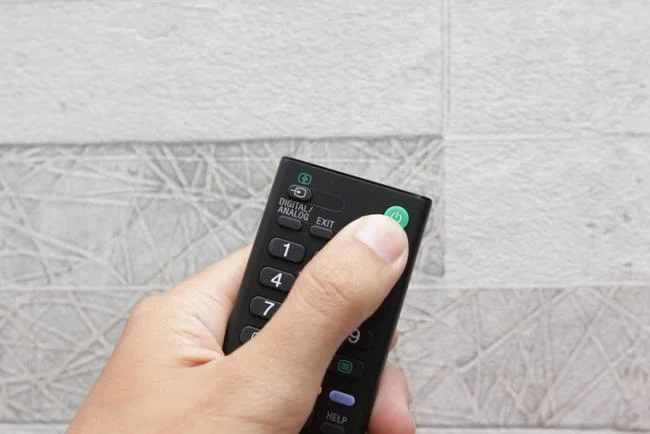
You should not just turn off the TV via the remote control, because at this time the TV will switch to standby mode even though no longer in use, but will continue to "sip" less electricity. According to EVN's statistics, If you turn on a 21-inch TV with a capacity of 220W for 4 hours / day and just turn it off with a remote control, the power consumption is 5.4kWh / month.
To save electricity and prolong the life of the TV, please turn off the power by pressing the power button on the machine when not in use. In addition, this can also reduce the risk of fire to ensure family safety.
Watching TV together
Enjoy TV shows together
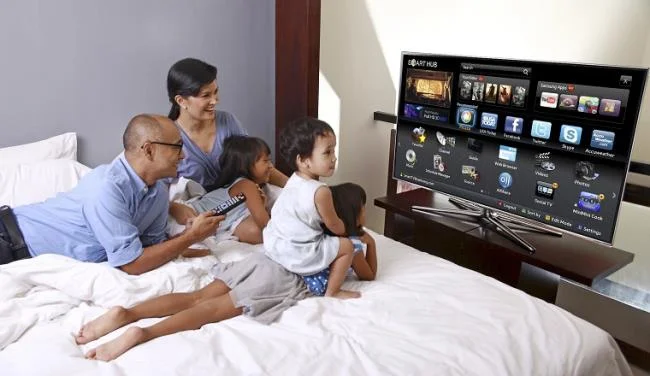
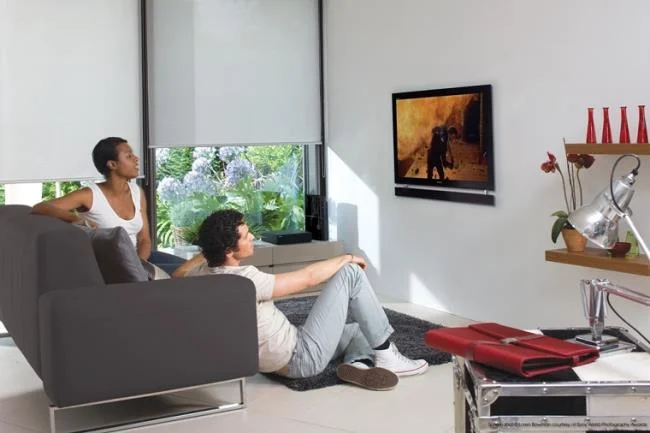
Nowadays, many households have several or three televisions in the house, one in each room, not just in the living room as before. Therefore, when all TVs are on to serve the different needs of each member, it is time your family is wasting. Let's sit together and watch the same TV show. This is not only to save electricity, but also a great way to bond between family members after a hard working day.
Choose small screen TVs that have energy saving technologies
Buy a TV with a small size
Televisions with old screen technology not only give poor visibility but also consume more electricity than modern TVs. If you need to switch to a new television, there is still a way to help you not have to worry about electricity bills each month, which is to choose to buy a small TV only. With the small screen, you can still shorten the distance to watch TV to maintain picture quality. At the same time, by integrating advanced imaging technologies, the television will reduce power consumption significantly.
Above are tips to save electricity for your TV. If you still have any questions, please leave a comment below!