Pardus 23 Sound Card Missing? Check ALSA and Restore Audio
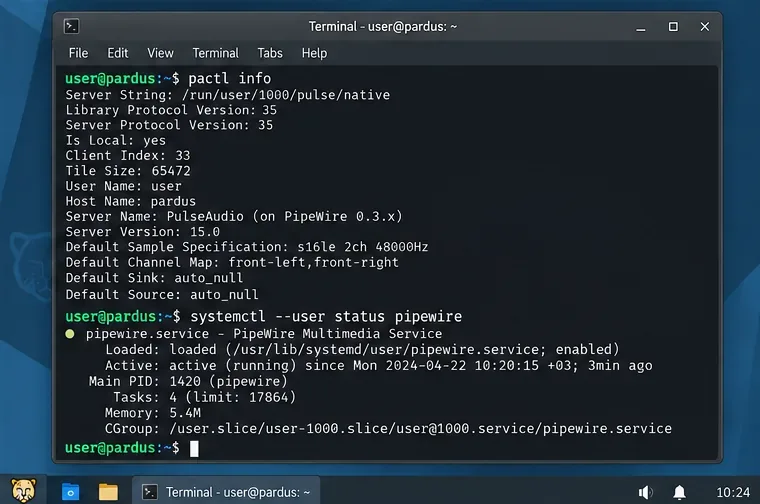
Find out why Pardus 23 cannot detect your sound card, then use targeted ALSA, firmware, and PipeWire or PulseAudio checks to restore playback.
Ever felt your Windows 11 PC sluggish, like it's dragging its feet through molasses? 😩 You're not alone. But here's the good news: the built-in Windows 11 Resource Monitor is your secret weapon to diagnose and fix performance woes. This powerful tool dives deep into CPU, memory, disk, and network activity, giving you pro-level insights without needing fancy third-party software. In this guide, we'll walk you through how to use Windows 11 Resource Monitor like a pro, step by step. Get ready to transform your computing experience—let's dive in and reclaim that snappy performance!
Windows 11 Resource Monitor is a dynamic, real-time diagnostic tool that replaced older utilities like Task Manager's basic views. It provides a granular breakdown of system resources, helping you spot resource hogs, memory leaks, or network bottlenecks instantly. Unlike Task Manager, which offers a high-level overview, Resource Monitor lets you drill down to processes, threads, and even individual file handles.
Why master it? In today's multitasking world, apps like browsers, video editors, and games can gobble up resources. Using Resource Monitor empowers you to optimize your setup, prevent crashes, and ensure smooth sailing. Plus, it's free and always updated with the latest Windows 11 features—perfect for power users who want control without complexity.
Getting started is a breeze. Here's how to launch Windows 11 Resource Monitor in seconds:
resmon, and press Enter. Pro tip: Pin it to your Start menu for one-click access next time.Once open, you'll see tabs for CPU, Memory, Disk, and Network. Each one is a goldmine—let's explore them like a pro.
The CPU tab is your first stop for identifying what's eating your processor's brainpower. It lists processes by CPU load, associated handles, and even TCP connections. To use it effectively:
Imagine ending a rogue background process and watching your PC breathe a sigh of relief. That's the pro-level satisfaction Resource Monitor delivers! If you're dealing with overheating or slowdowns, this tab is invaluable.
Memory issues can turn your speedy Windows 11 machine into a snail. The Memory tab breaks down physical, committed, and standby memory usage, plus processes sorted by working set size.
| Memory Type | What It Means | Pro Action |
|---|---|---|
| In Use | Active memory allocated to processes | Check for apps using over 1GB unnecessarily—close or update them. |
| Available | Free memory ready for use | If low, clear standby list via right-click options. |
| Hardware Reserved | Memory off-limits to apps (e.g., for graphics) | Monitor for unusual spikes; may indicate driver issues. |
Pro hack: Right-click a process in the list and select "Analyze Wait Chain" to uncover hidden dependencies causing memory stalls. This feature, refined in recent Windows 11 updates, helps resolve leaks from apps like Photoshop or browsers with too many tabs. Your RAM will thank you—expect smoother multitasking and fewer "out of memory" errors. ⭐
Slow hard drives or SSDs? The Disk tab reveals read/write operations per process, file activity, and storage pools. It's a lifesaver for diagnosing why your files take forever to load.
Using this tab, pros often free up bandwidth by ending unnecessary disk hogs, leading to boot times that feel like a turbo boost. Combine it with Windows 11's Storage Sense for automated cleanup—your drives will run cooler and faster.
Buffering videos or slow downloads? The Network tab tracks TCP connections, listening ports, and bandwidth usage by process. It's essential for remote workers or gamers.
This tab shines in diagnosing VPN issues or malware. Pro users love how it integrates with Windows 11's enhanced networking stack for real-time tweaks, ensuring your online life stays uninterrupted. 👏
To elevate your game, customize Resource Monitor further:
One pro trick: Set up alerts in Task Scheduler to auto-launch Resource Monitor during high-load events. This proactive approach keeps your system humming, turning potential headaches into minor blips.
Even pros slip up. Avoid ending critical system processes (like svchost.exe)—always Google unfamiliar ones first. Also, remember Resource Monitor shows real-time data, so use it alongside Event Viewer for crash logs. If you're on a laptop, monitor battery impact in the CPU tab to extend life.
Steer clear of these errors, and you'll wield Windows 11 Resource Monitor with confidence. Your PC isn't just running—it's thriving!
Congratulations—you're now equipped to use Windows 11 Resource Monitor like a pro! From spotting CPU culprits to streamlining network traffic, these tips will boost your productivity and enjoyment. Start experimenting today: open it up, poke around, and watch your system transform. Got a specific issue? Drop it in the comments below—we'd love to help refine your setup. Here's to a faster, frustration-free Windows 11 experience! 🎉
Find out why Pardus 23 cannot detect your sound card, then use targeted ALSA, firmware, and PipeWire or PulseAudio checks to restore playback.
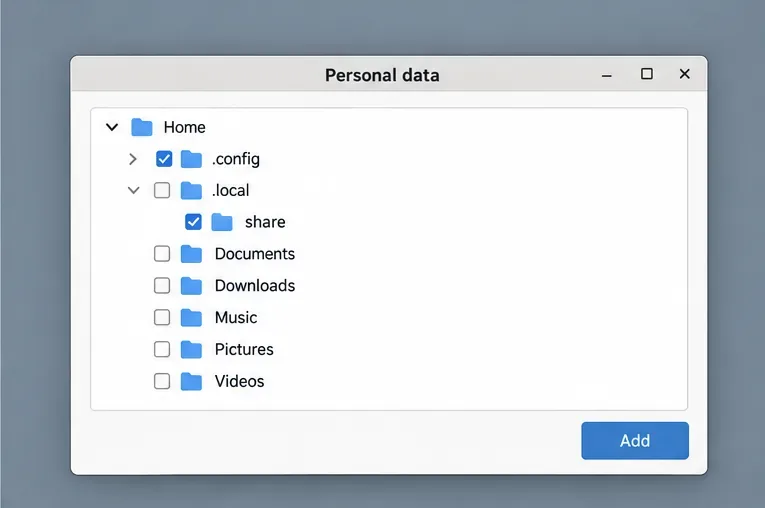
Save HamoniKR preferences to external storage, include hidden home folders, and choose a safe restore mode when moving to a fresh installation.
Install and configure xrdp on Pardus, choose the right Xfce session, restrict network access, and verify that remote login works.
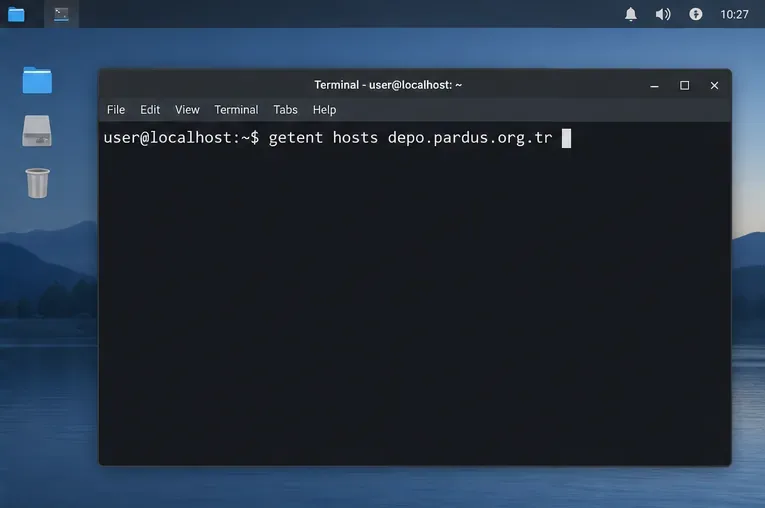
Diagnose Pardus 23 APT connection failures, confirm the official yirmiuc sources, and restore apt update without bypassing package signature checks.
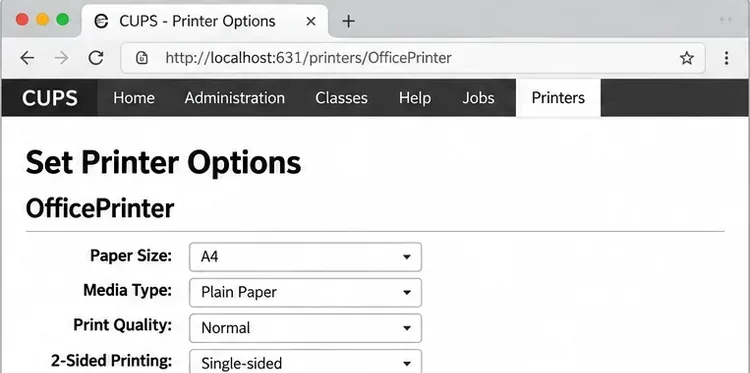
Configure printers on Harmonica OS using CUPS, compare driverless IPP with legacy drivers, and verify USB or network printing with a test page.
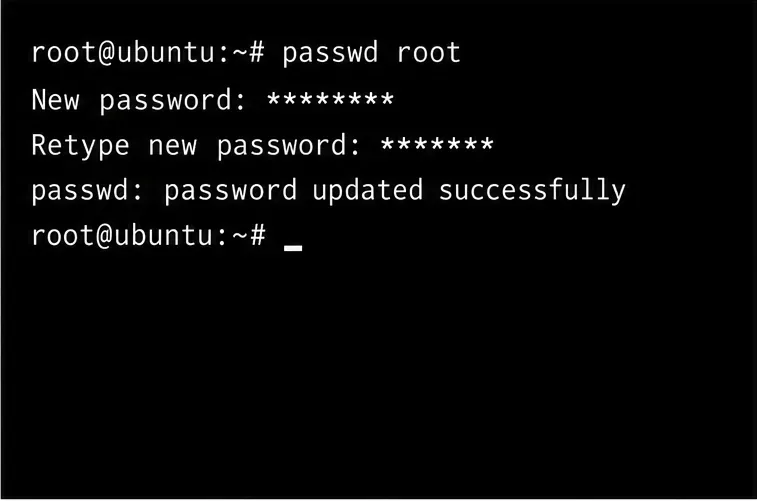
Use a recovery shell to set a new Harmonica OS root password, with checks for encrypted disks, read-only filesystems, and accounts that use sudo.
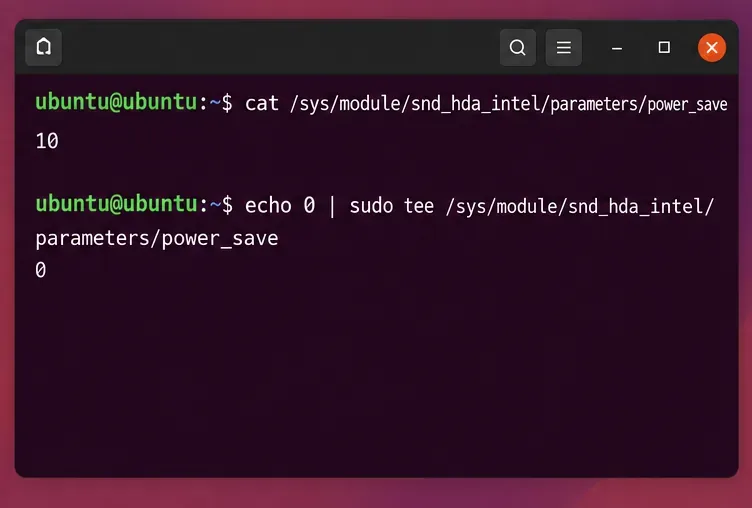
Trace whether clipping, ALSA format conversion, or HDA power saving is causing Ubuntu 24.04 audio distortion, then apply the matching reversible fix.
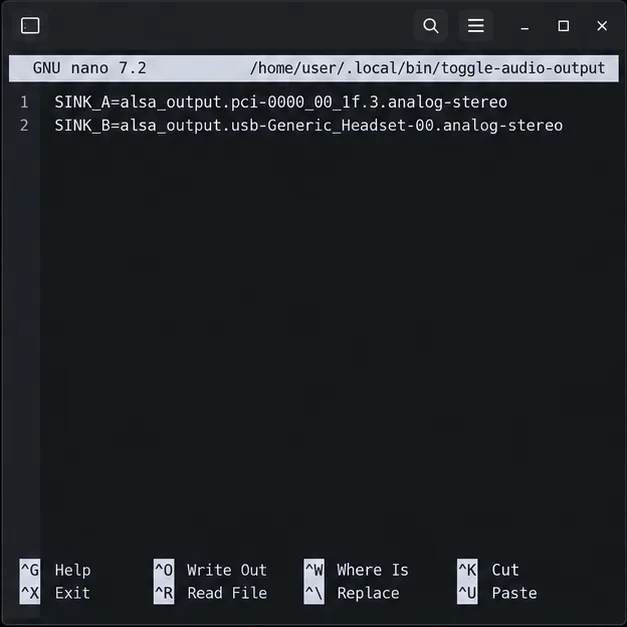
Switch Debian audio between named PipeWire outputs with a pactl script that updates the default sink and reroutes streams already playing.
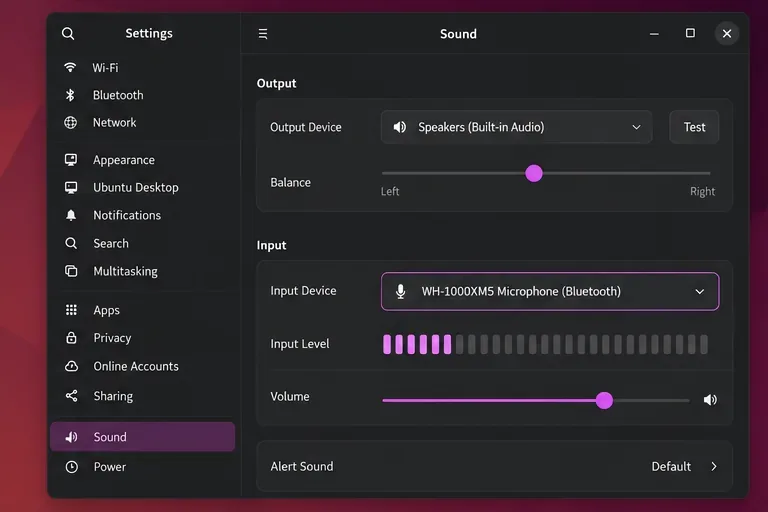
Get your Bluetooth headset mic working by selecting the right input, using a hands-free audio profile, and checking Ubuntu’s PipeWire route.
Learn why Flatpak apps may ignore Ubuntu 24.04 GTK themes and follow safe steps to check theme extensions, refresh Flatpak apps, and diagnose portal issues.