Deploy Shared Pardus Wallpapers and Policies with Lider Ahenk
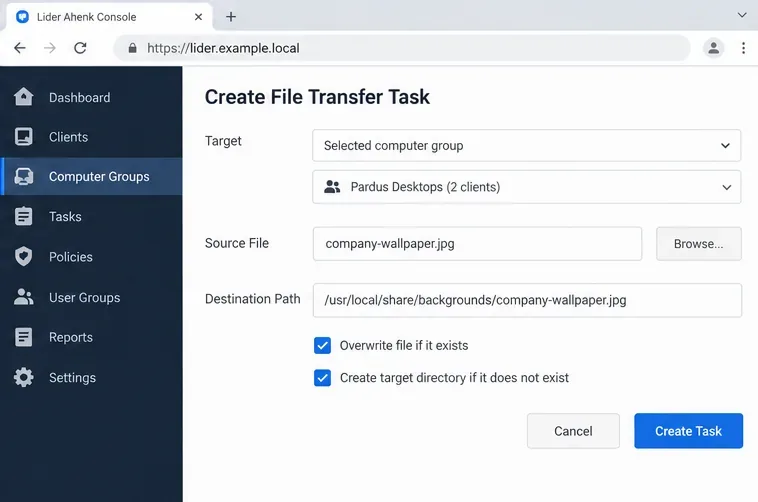
Distribute a custom wallpaper to Pardus clients, configure Xfce or GNOME desktops, and apply Lider Ahenk user policies with safe pilot checks.
Imagine surfing the web without the nagging fear of malware sneaking into your system. That's the magic of Windows 11 Sandbox—a powerful, built-in feature that lets you browse safely in an isolated environment. Whether you're clicking on suspicious links or testing untrusted sites, this tool keeps your main PC shielded. In this guide, we'll dive straight into how to use Windows 11 Sandbox for safe browsing, making it simple and empowering for you to take control of your online security. Let's get started and boost your confidence online! 🚀
Windows 11 Sandbox is a lightweight, virtual desktop environment that runs like a mini-OS inside your main Windows setup. It creates a temporary, disposable instance of Windows where you can open browsers, download files, or run apps without risking your real files or settings. Everything inside the sandbox vanishes when you close it—poof! No traces left behind.
For safe browsing, it's a game-changer. Traditional antivirus is great, but it can't always catch zero-day threats or phishing sites in real-time. Sandboxing isolates these risks, letting you explore freely. According to Microsoft's official documentation, this feature is designed for developers and security-conscious users alike, ensuring your primary system stays pristine. It's like having a protective bubble for your curiosity-driven clicks.
Why choose it over other tools? It's free, requires no extra software, and integrates seamlessly into Windows 11. Plus, in the latest updates, Microsoft has enhanced its performance for smoother browsing sessions. Ready to set it up? Let's roll!
Before diving into safe browsing, you need to activate Windows 11 Sandbox. It's straightforward, but it requires Windows 11 Pro, Enterprise, or Education edition (Home users might need to upgrade). Here's how:
Pro tip: If you're on a laptop, plug in your charger—enabling virtualization can be power-hungry initially. Now that it's ready, imagine the peace of mind knowing your next shady download won't haunt you.
With Windows 11 Sandbox enabled, launching it is as easy as 1-2-3. This isolated space is perfect for safe browsing—open your favorite browser inside it and surf without worry.
Feeling empowered yet? This setup turns potential threats into harmless experiments. And remember, closing the sandbox window erases everything—no cleanup needed. ⭐
To supercharge your Windows 11 Sandbox for safe browsing, go beyond basics. Here's how to make it even more effective:
| Tip | How to Implement | Benefit |
|---|---|---|
| Configure Networking | Edit the sandbox config file (create a .wsb file with <Networking>Enabled</Networking>) | Full internet access for realistic testing without leaks |
| Map Folders (Cautiously) | Use <MappedFolders> in config to share read-only files | Access specific docs for testing, but keep it one-way |
| Run Scripts | Launch with command-line args for automated browsing tests | Ideal for developers checking site compatibility |
These tweaks, detailed in Microsoft's Windows Sandbox documentation, let you customize for deeper safe browsing scenarios. For instance, if you're a journalist verifying sources, map a folder to pull in articles without full exposure.
Let's apply this to everyday life. Suppose you get a phishing email—don't click directly! Launch Windows 11 Sandbox, open the link inside, and inspect. If it's fishy, close and forget. Or, when downloading software from less-trusted sites, run the installer in the sandbox first. Watch it in action:
1️⃣ Open sandbox. 2️⃣ Download and run the file. 3️⃣ Scan with built-in Windows Defender (it works inside too). 4️⃣ If clean, note it; if not, delete the session.
This method has saved countless users from ransomware headaches. It's not just protective—it's liberating, letting you explore the web's wild side with a safety net. And with recent enhancements in Windows 11's kernel isolation, sandboxing is more robust than ever against sophisticated attacks.
Even the best tools hit snags. If Windows Sandbox won't launch, ensure Hyper-V is off (it conflicts) via the same "Windows features" menu. For slow performance, allocate more RAM in config files—aim for 4GB minimum for smooth safe browsing.
Best practices? Always update your host Windows 11 for the latest security patches. Combine sandbox with a VPN for extra anonymity. And never map write-enabled folders—stick to read-only to maintain isolation. These habits will keep your sessions bulletproof.
By now, you see how Windows 11 Sandbox transforms risky browsing into a secure adventure. It's efficient, free, and foolproof for anyone from casual users to pros. Start small: Launch it today and test a dubious link. You'll feel that rush of control!
Stick around for more tips? In future reads, we'll explore integrating it with other Windows security features. Your safer web awaits—dive in and browse boldly! 👏
Distribute a custom wallpaper to Pardus clients, configure Xfce or GNOME desktops, and apply Lider Ahenk user policies with safe pilot checks.
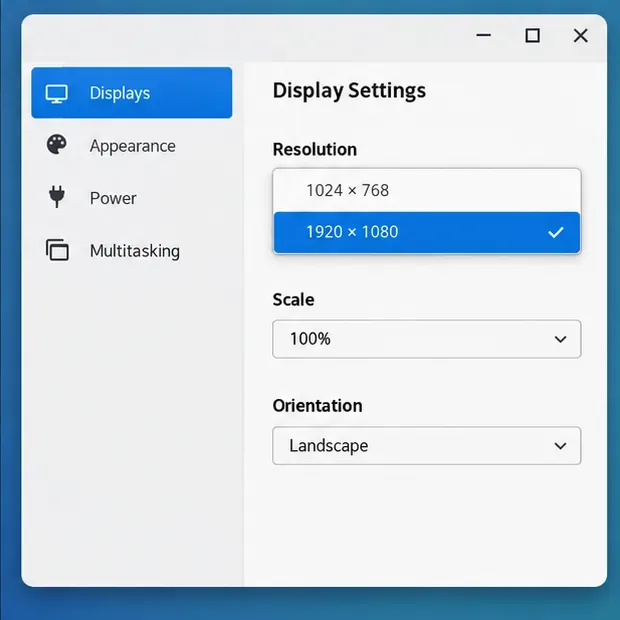
Fix a 1024 × 768 ceiling by checking SPICE, virtual video, the guest channel, and spice-vdagent—with safe checks when Pardus lacks a package candidate.
Set up the Lider server, configure its installer safely, register Ahenk endpoints, and verify a pilot before expanding central management.
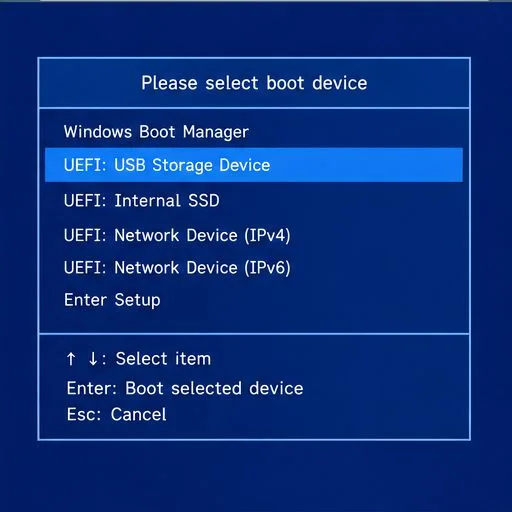
Download the official Pardus 23 desktop ISO, write it safely with Rufus, and boot a Windows PC into a temporary Live session.
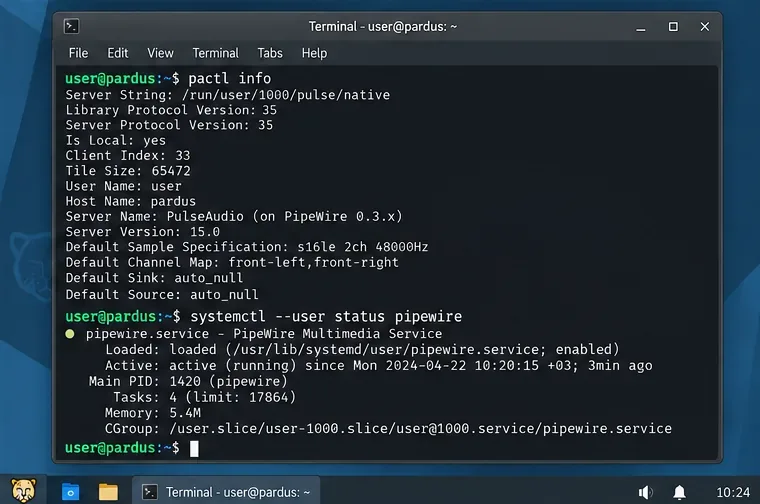
Find out why Pardus 23 cannot detect your sound card, then use targeted ALSA, firmware, and PipeWire or PulseAudio checks to restore playback.
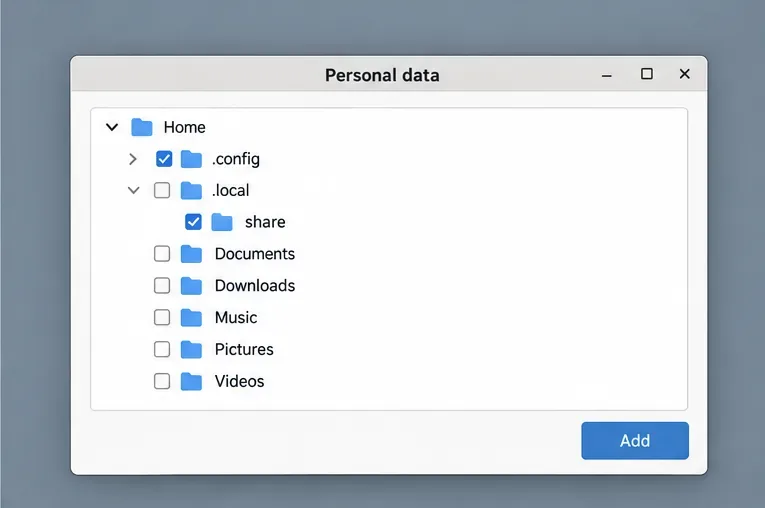
Save HamoniKR preferences to external storage, include hidden home folders, and choose a safe restore mode when moving to a fresh installation.
Install and configure xrdp on Pardus, choose the right Xfce session, restrict network access, and verify that remote login works.
Diagnose Pardus 23 APT connection failures, confirm the official yirmiuc sources, and restore apt update without bypassing package signature checks.
Configure printers on Harmonica OS using CUPS, compare driverless IPP with legacy drivers, and verify USB or network printing with a test page.
Use a recovery shell to set a new Harmonica OS root password, with checks for encrypted disks, read-only filesystems, and accounts that use sudo.