Home
» How to
»
How to view photos, listen to music, and watch movies on USB with regular Skyworth TV
How to view photos, listen to music, and watch movies on USB with regular Skyworth TV
You can easily view photos, listen to music, watch movies stored on USB with regular Skyworth TV with the simple steps below.
Why should watch movie, photo, music content on TV via USB?
Benefits of watching USB content on Skyworth TVs often
+ Watch content directly on the TV without any device support.
Entertainment with sharp image quality and vivid sound.
+ There are more attractive entertainment options, not just wrapped in available TV channels.
Steps to view photos, listen to music, watch movies on USB with Skyworth TV usually
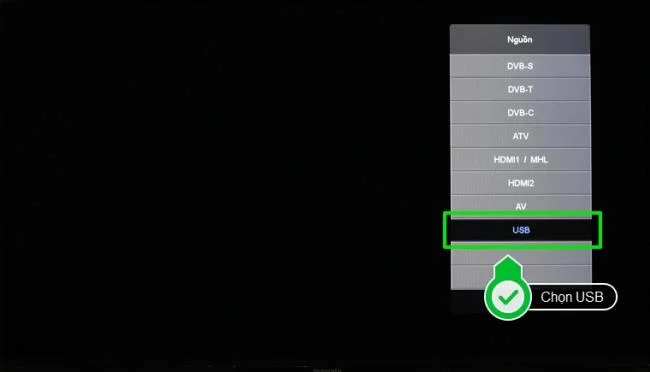
Step 1. After plugging the USB into the USB port on the TV, press the SOURCE button on the remote to access the TV's data input list, then select USB.
Press the SOURCE button on the remoteSelect USB
Step 2. View the contents of the USB flash drive
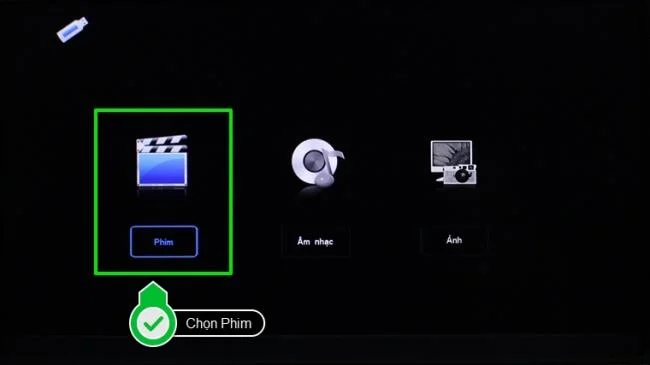
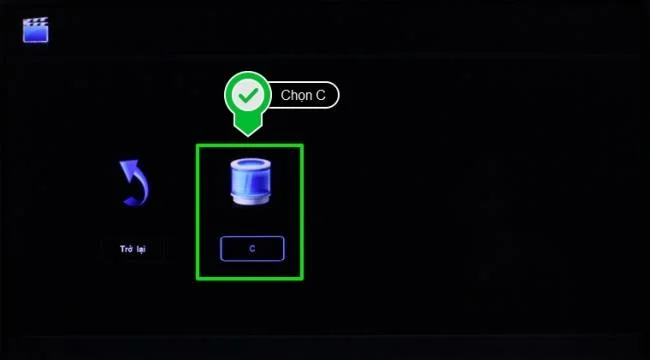
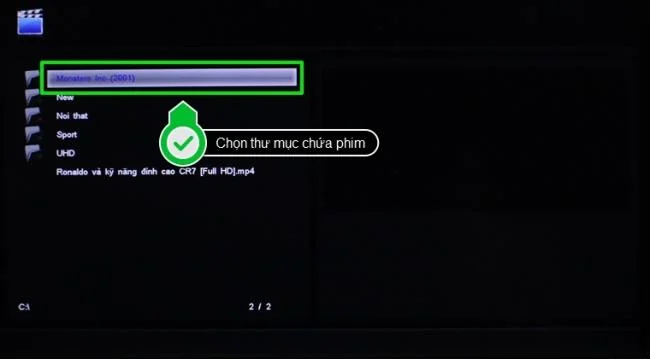
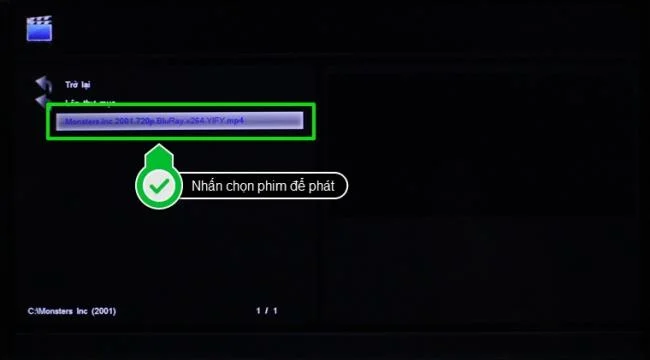
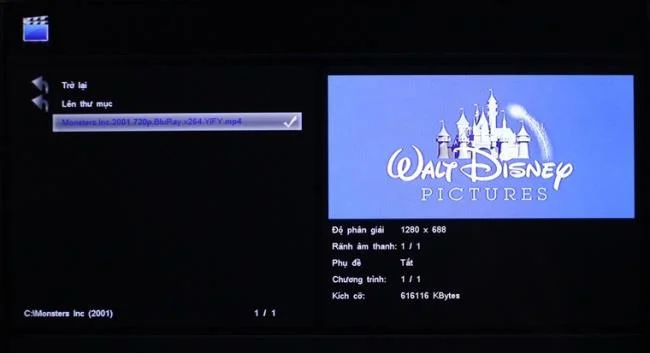
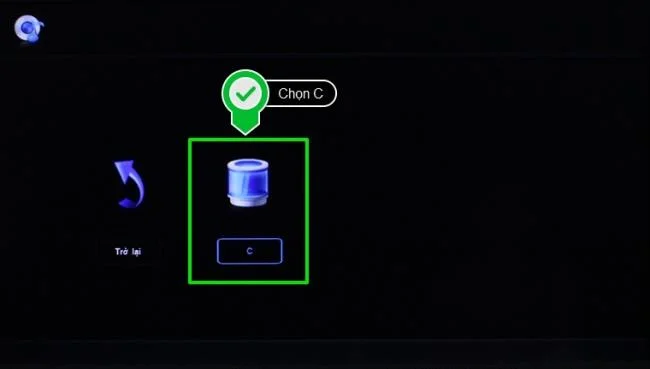
+ To watch movies: Select "Movie", then select USB (symbol C), choose the folder containing the movie (if any) and finally select and play the movie on TV.
Select MovieSelect CSelect the folder containing the movieClick to select the movie to be broadcast on TVThe movie is played on TV
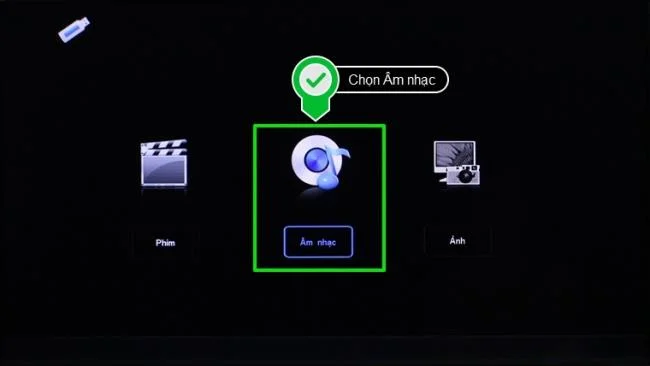
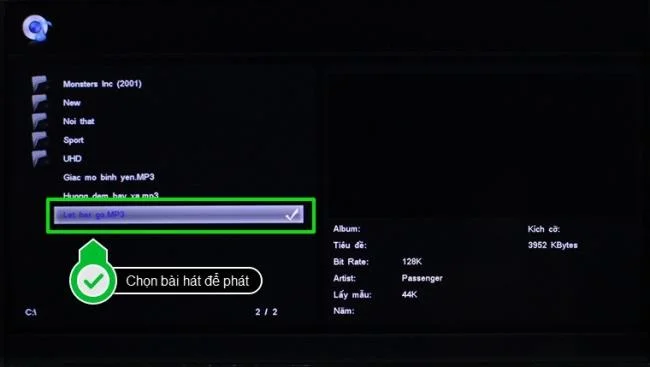
+ To show music: Select "Music", then select USB (symbol C), select the folder containing the music (if any) and finally select the song and play it on the TV.
Select MusicSelect CSelect songs to play on TV
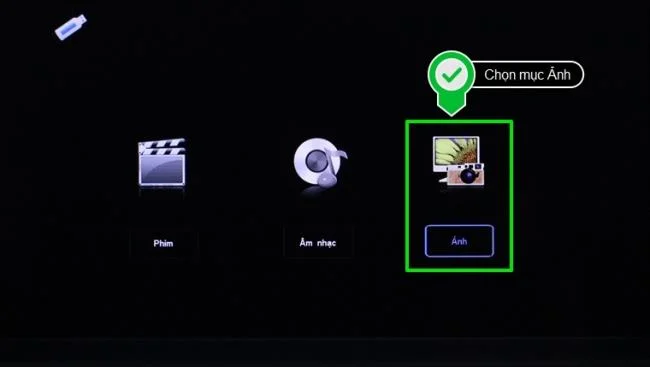
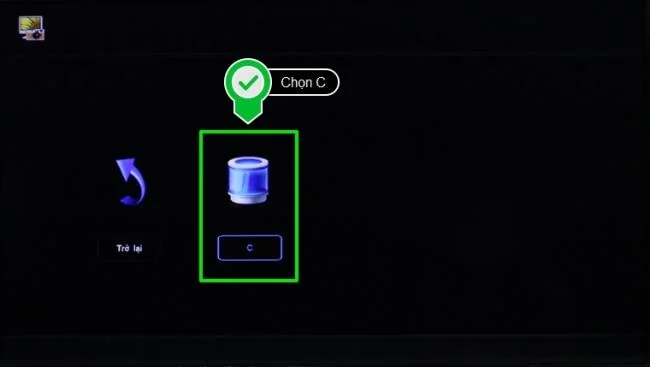
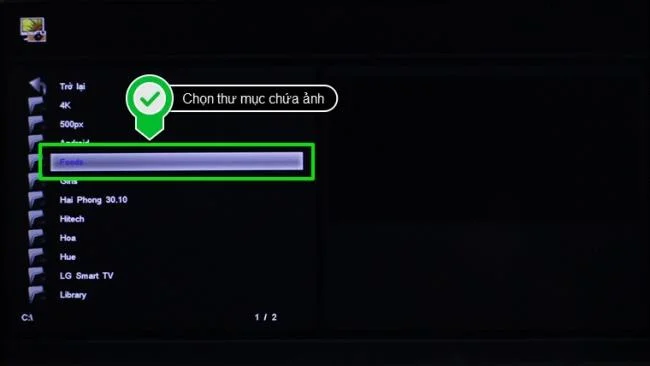
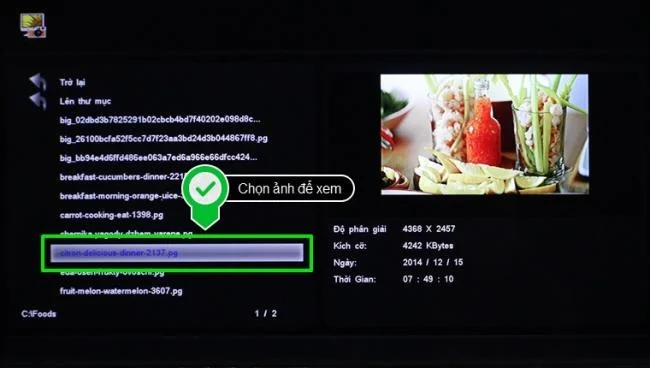
+ To view pictures: Select "Photos", then select USB (symbol C), choose the folder containing the pictures (if any) and finally select and play the images on TV.
Select PicturesSelect CSelect the folder containing the pictureSelect pictures to view
Note:
Your USB must have movie, photo or music content available
+ Content files must be in a format that the TV supports playing.
+ To watch videos and view photos with the best picture quality, you should choose content with high quality images and corresponding to the resolution of the TV.