Facebook Lite is a shortened version of Facebook , optimized for low-profile devices or places with poor network connections. With full features of the largest social network on the planet, but the speed is extremely fast, there is no reason without choosing right?
Let's install Facebook Lite to unleash surfing Facebook with fast speed. If you do not know how to install and use Facebook Lite, please refer to the following article of Download.com.vn:
Instructions for installing and using Facebook Lite
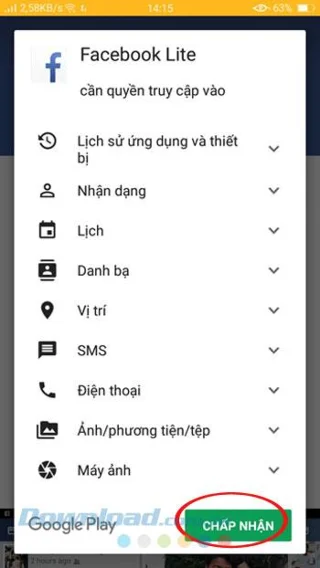
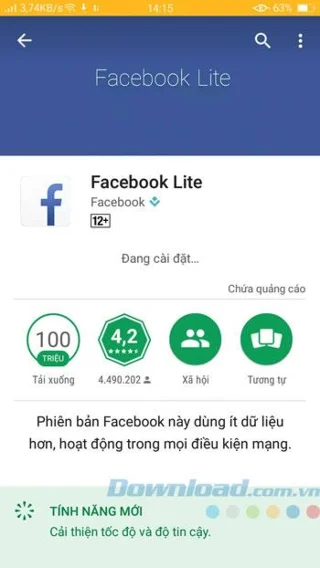
Step 1: Download Facebook Lite, then click on Settings> Accept , the installation process of Facebook Lite takes place very quickly, you just need to wait a while.
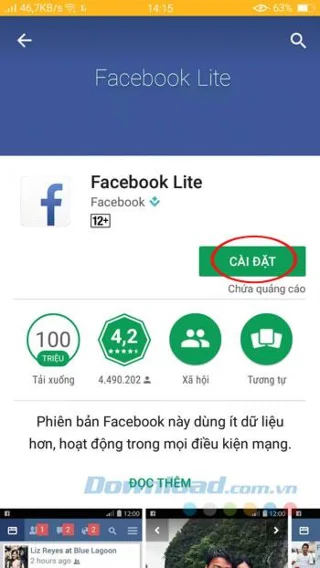


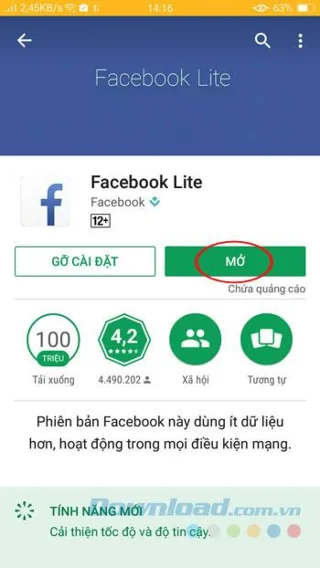
Step 2: After installation is complete, click Open to start using Facebook Lite. Similar to the full Facebook version , if you want to use it, you must log into your account, if you do not have an account, click Create new account . When successfully logged in, you are free to follow friends' news, make friends, share your status ...


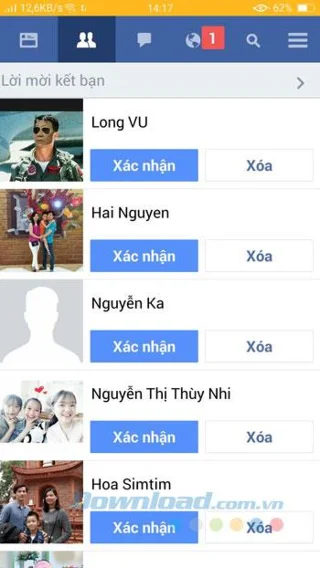
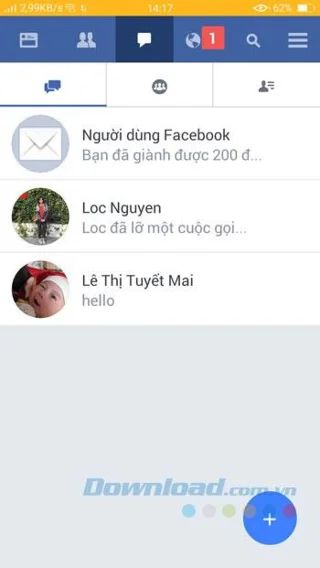
Step 3: You can search for friends, send friend requests easily. Through this, many people have found long-time friends not met, updated with the latest news about friends, comfortable chatting completely free.


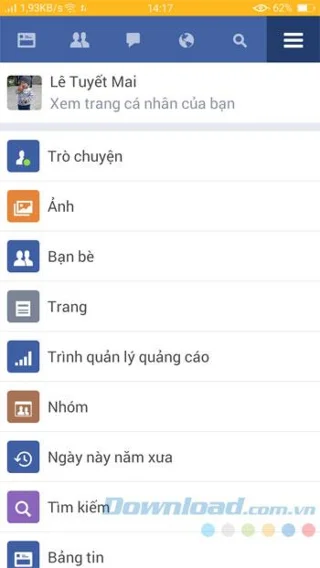
Step 4: Facebook Lite also quickly sends a notification to users whenever someone shares their status, likes, comments, streamed videos ... Also click on the 3 dashes icon in the top right corner screen, you can customize some settings as you like.


Facebook Lite is also known as " Tiny Facebook" . This is the first choice for those who use low-profile phones and still want to surf Facebook quickly.
Wish you have moments of fun entertainment!