Would Europe Be Drawn into a Hypothetical U.S.-Israel-Iran Nuclear War? NATO Rules Explained

A guide to NATO Articles 4 and 5, UN self-defense rules, and why consultation does not mean automatic European entry into war.
Adobe Illustrator is a well-known design software when it comes to creating inforgraphic or infographic design. This is the best graphic design tool for both professionals and amateurs. If you need to create a table into your designs, Ai has a convenient setup that makes it easy and quick to get it done. The following article will show you how to create a simple table in Ai with just a few basic steps.
Adobe Illustrator is not a word processor or a desktop publishing design and it was not developed to create tables like you usually do in Microsoft Word or Adobe InDesign . However, with a little effort, you can use some of Illustrator's text features or grid tools to create a table in your design.
Download Adobe Illustrator Download Adobe Illustrator for Mac
To create a table in Adobe Illustrator, open a new document and follow these steps:
Step 1 : Click the Rectangle tool or use the M shortcut key on the keyboard.
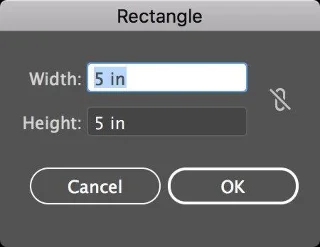
Step 2 : If you already have the correct table size to create, click anywhere in the worksheet and enter the width and height of the rectangle. You can also freely draw any rectangle if you want.
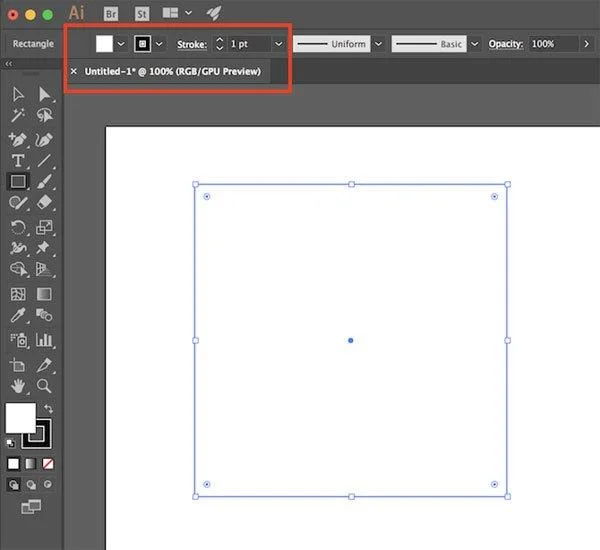
Step 3 : Highlight the whole board, you can change the color of the background and the strokes surrounding the board.
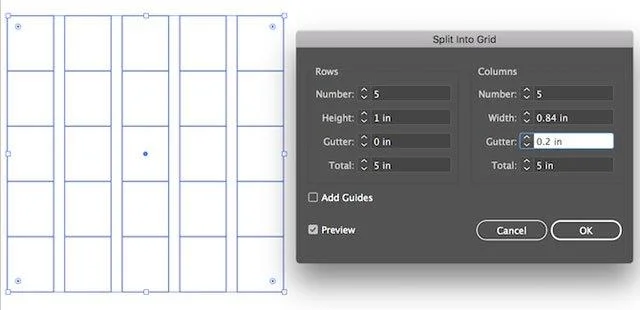
Step 4 : After you have entered the parameters, with the rectangle selected, go to Object> Path> Split into Grid .
Step 5 : In the new dialog box that appears, you can customize the following details: row number and row height; number of columns and width of columns; grooves between columns and rows; The last is the total size of the table. If you want to see your table before setting the selected setting, click Preview . Then click OK .
If you want to move or change the size of the table, make sure the entire table selected using the command Ctrl / Cmd + A and group them together using the keyboard shortcut Ctrl / Cmd + G . You can change the table whenever you need it, just highlight the whole table and follow the steps above, or select all the cells and drag the corner anchor points to make the whole table (or certain rows or columns) expand or contract.
A guide to NATO Articles 4 and 5, UN self-defense rules, and why consultation does not mean automatic European entry into war.
Assess claims about Iran in six steps, distinguishing uranium enrichment, weapons development and verified possession.
Understand nuclear decision authority in six steps, including US civilian control and the limits of public information about Israel.
A guide to official 2026 evidence on Hormuz shipping disruption, Iran-related claims, confirmed incidents, and what remains uncertain.
A source-based guide to nuclear escalation risks, UN Charter rules and NATO Article 5 in a strictly hypothetical Iran scenario.
Use five steps to prepare for an outage; nuclear and EMP scenarios are hypothetical, and official shelter instructions come first.
Use 5 defensive steps to verify a cyber disruption, protect household accounts, and avoid mistaking an outage for war.
Use these 5 steps to assess climate effects from a hypothetical Iran strike, compare model assumptions, and avoid unsupported predictions.
Explore six steps for reading research on climate, food and ecosystem recovery after a hypothetical nuclear conflict.
Build a practical fallout preparedness kit in six steps, with sealed food and water, a radio, medical supplies and shelter guidance.