Instructions for deleting groups on Telegram

Chat groups created on Telegram also have the option to delete if the user no longer wants to use that chat group. When you delete a group on Telegram, you will no longer receive messages from that group. And group members will also not be able to access the group on Telegram. Thus, all content in the group will be deleted. The following article will guide you how to delete a group on Telegram.

How to delete a group on Telegram on your phone

Step 1:

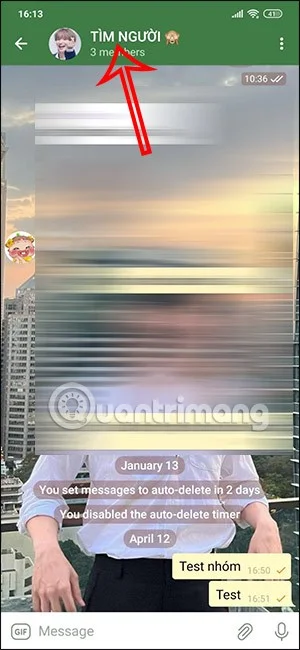
First, click on the Telegram chat group you want to delete. Then click on the name of the Telegram chat group displayed at the top of the screen. Switch to the new interface, click on the pen icon to enter the editing interface for the Telegram group.

Instructions for deleting groups on Telegram

Step 2:

At the settings interface for Telegram groups, users look down and then click Delete and leave group to delete this group.

Instructions for deleting groups on Telegram

Step 3:

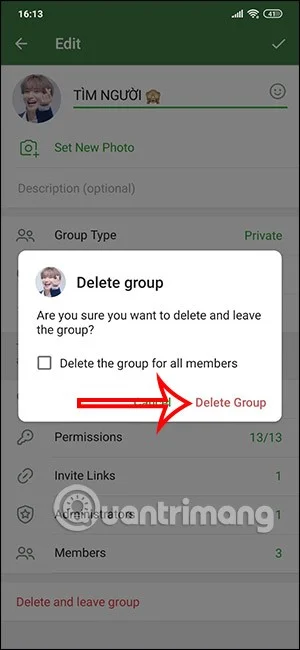
Telegram will then ask you if you are sure you want to delete this group, click Delete Group to delete. If you want to delete this group for all members , click Delete the group for all members and also click Delete below to delete the group.

Instructions for deleting groups on Telegram

Instructions for deleting Telegram groups on computers

Step 1:

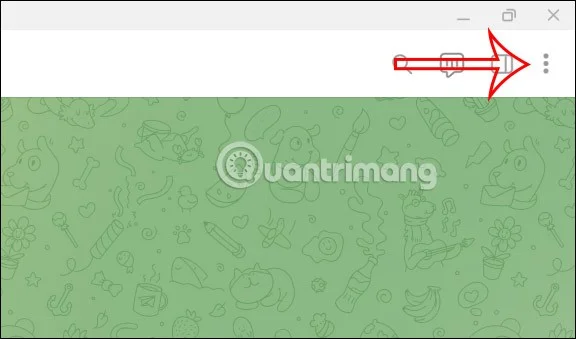
At the group interface on Telegram computer, click on the 3 dot icon in the right corner of the interface.

Instructions for deleting groups on Telegram

Step 2:

Next, the user clicks on the Leave Group option to proceed to delete this Telegram group.

Instructions for deleting groups on Telegram

Step 3:

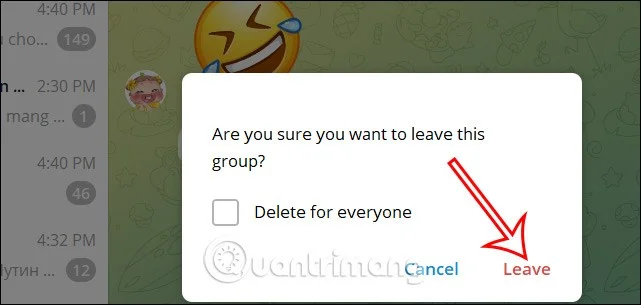
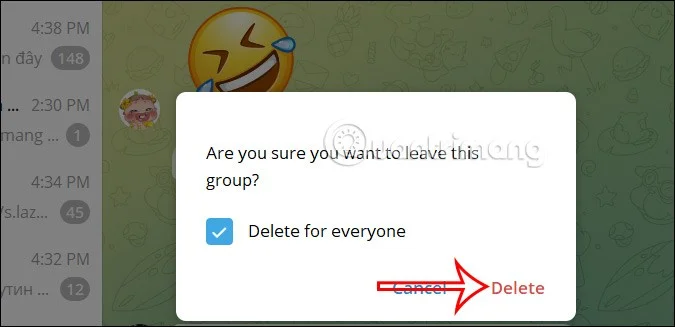
Telegram will now ask you if you want to leave this group, click Leave to leave the group but the group will still be there for members to use. You will not know what members in that group are messaging each other.

Instructions for deleting groups on Telegram

If you are the creator of the Telegram group, you can check Delete for everyone and then press Delete to delete this Telegram group for everyone.

Instructions for deleting groups on Telegram

Leave a Comment

Enable FIPS Mode on SLES 15 and Verify the Boot State

Enable FIPS Mode on SLES 15 and Verify the Boot State

Follow SUSE’s SP7 procedure to enable FIPS mode, reboot safely, verify the active policy, and check whether your compliance requirement calls for validated modules.

Set Up a LUKS-Encrypted Data Volume on SLES

Set Up a LUKS-Encrypted Data Volume on SLES

Compare YaST and cryptsetup for a new encrypted SLES data volume, choose LUKS1 or LUKS2, and verify unlock and mount behavior safely.

Build a Custom AppArmor Profile on SUSE Linux

Build a Custom AppArmor Profile on SUSE Linux

Create, refine, and verify a least-privilege AppArmor profile on SLES 15 SP7, with a clear note on SLES 16’s SELinux default.

Build a Local SUSE Update Server with RMT on SLES 15

Build a Local SUSE Update Server with RMT on SLES 15

Set up RMT on SLES 15, mirror entitled repositories, and verify HTTPS registration and package access from a test client.

Join SLES 15 to Active Directory with SSSD in YaST

Join SLES 15 to Active Directory with SSSD in YaST

Connect SLES 15 to AD with YaST’s SSSD-based logon management, then verify directory lookup, domain login, and Kerberos tickets.

Enable SLES Live Patching and Verify a Kernel Fix

Enable SLES Live Patching and Verify a Kernel Fix

Set up the right Live Patching path for SLES 16.0 or 15 SP7, apply eligible kernel fixes, and confirm what is active without confusing it with a reboot-required kernel update.

Install and Sign Custom Kernel Modules on SLES 15 Secure Boot

Install and Sign Custom Kernel Modules on SLES 15 Secure Boot

Load a custom SLES 15 kernel module without disabling Secure Boot. Match the running kernel, sign the .ko file, enroll a MOK key, and verify loading.

Keep Services Available During a SLES 15 SP5 to SP6 Upgrade

Keep Services Available During a SLES 15 SP5 to SP6 Upgrade

SLES 15 SP5 can migrate online to SP6, but each node must reboot. Use a tested rolling upgrade or blue-green cutover to keep workloads reachable.

Apply the SLES 15 STIG Safely with OpenSCAP

Apply the SLES 15 STIG Safely with OpenSCAP

Use SUSE’s supported STIG profile to scan SLES 15, test remediation, review remaining findings, and retain assessment evidence.

Restore Cockpit Access to SUSE Linux Enterprise Server

Restore Cockpit Access to SUSE Linux Enterprise Server

Trace a failed Cockpit connection through DNS, port 9090, the systemd socket, firewalld, TLS, and login settings using current SUSE guidance.