SLES Boot Module Load Failure: Find the Driver and Fix It

Trace a failed kernel module at SLES startup, correct an obsolete boot entry or repair the required driver, and verify the next boot.
Microsoft Copilot is an AI assistant that helps you perform many tasks and activities. Activity history is a record of the content you enter into Copilot and the responses to users. To delete Copilot activity history, users cannot do it through the dashboard but need to delete it in the Microsoft account management section. Below are instructions for deleting Copilot activity history.
How to delete Copilot activity history
Step 1:
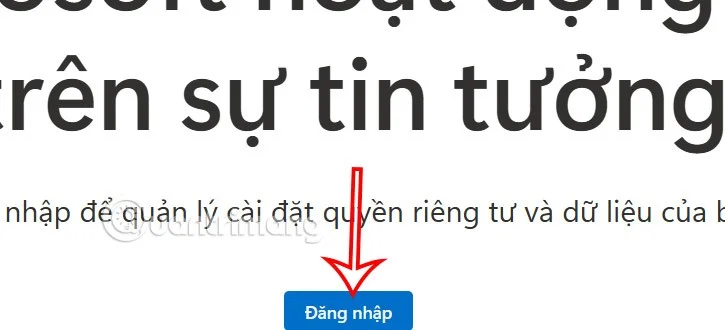
First, you access the Microsoft account privacy management website interface. Then click the Sign in button to do it.
Step 2:
The user enters his Microsoft account information to continue the operation.
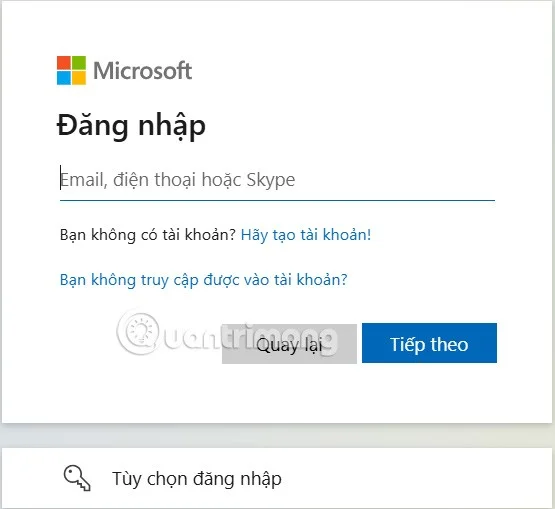
Step 3:
Immediately after that, the user is transferred to the privacy management interface for the Microsoft account, you scroll down and click on Copilot .
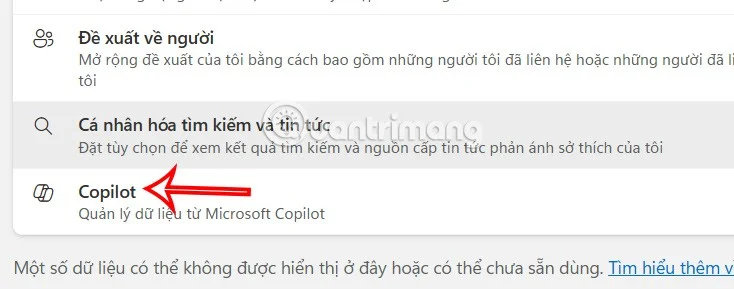
Step 4:
In the Copilot app activity history, users just need to tap on the line Delete all activity history .
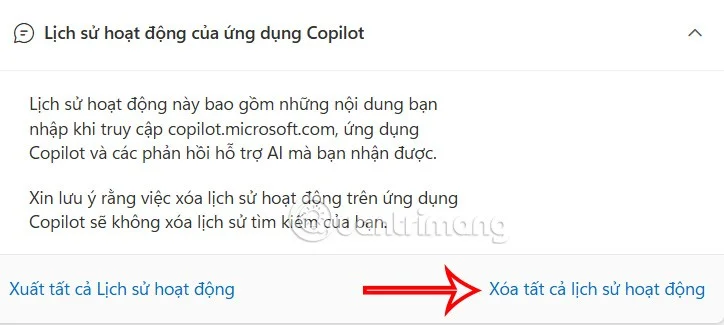
Step 5:
At this point you will receive a notification about deleting your Microsoft Copilot activity history, if you agree click Delete .
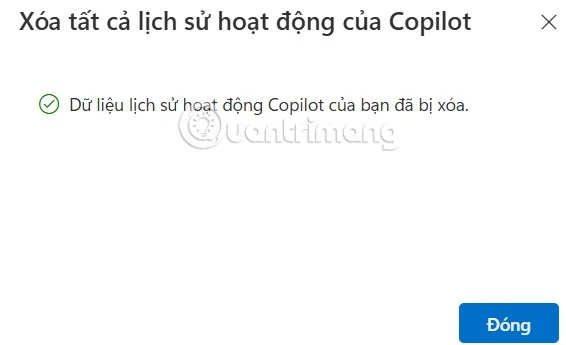
The process of deleting your Microsoft Copilot activity history will take place immediately and you will receive a notification when it is complete.
Trace a failed kernel module at SLES startup, correct an obsolete boot entry or repair the required driver, and verify the next boot.
Prepare SCSI SAN paths, enable multipathd, inspect SUSE’s hardware defaults, and verify stable device maps without guessing array settings.
Find the process holding Zypper’s package lock, distinguish process conflicts from package locks, and retry updates without deleting lock files blindly.
Register SLE HA, bootstrap SLES 15 nodes, then add fencing, quorum, and tested service resources before relying on failover.
Trace a Zypper refresh error to SUSE, RMT, or a third-party endpoint, then apply the right server-side or cache fix without disabling essential updates.
Resolve SUSE LVM thin-pool space errors by checking data and metadata usage, expanding the pool safely, and preventing repeat outages.
Identify whether Btrfs is intentionally read-only, short on space, or protecting data after errors, then choose a recovery path that fits the cause.
Prepare mirrored channels, create an activation key, and bootstrap an SLES 15 client without direct internet access while preserving the connection needed for Manager check-ins.
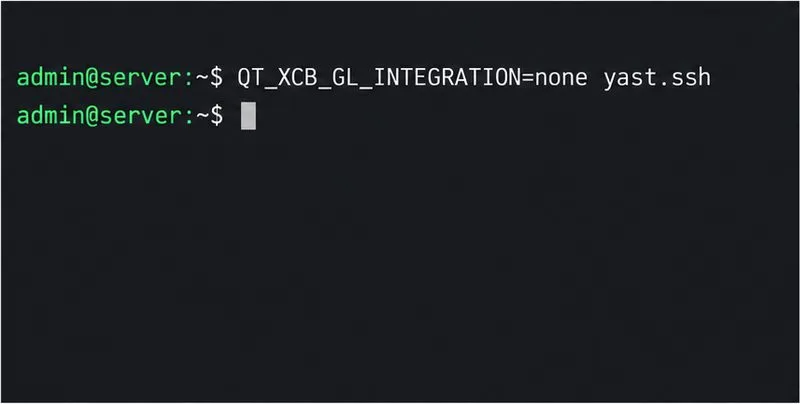
Fix YaST’s XIO launch error over SSH, verify X11 forwarding and xauth, and switch to the ncurses interface when a remote window is unnecessary.
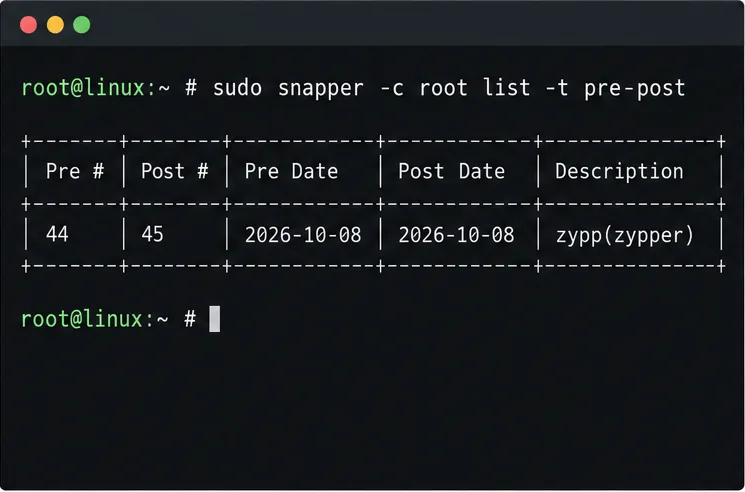
Find the pre-update Btrfs snapshot, test it read-only, and make recovery permanent with Snapper while understanding which data stays outside the root rollback.