Instructions for drawing mind maps in Google Docs

Mind maps are now commonly used to implement teaching and learning content,... To draw mind maps , we have many supporting tools. And in this article, you will have instructions to draw mind maps on Google Docs, through drawing tools or installing diagram drawing utilities on Google Docs. Below are instructions for drawing mind maps on Google Docs.

How to draw a Google Docs mind map using the drawing tool

Step 1:

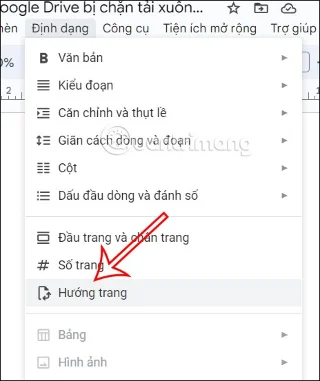
First you need to change the orientation of the Google Docs document. Click on Page Orientation to change.
Instructions for drawing mind maps in Google Docs

Now you switch to landscape mode which applies to the entire current document.

Instructions for drawing mind maps in Google Docs

Step 2:

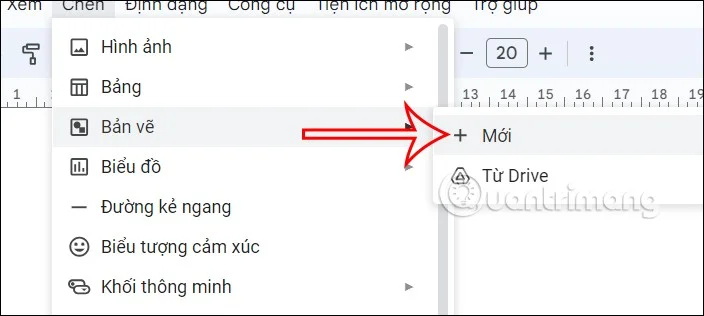
Next, click Insert , select Drawing and select New to create a new drawing in Google Docs.

Instructions for drawing mind maps in Google Docs

Step 3:

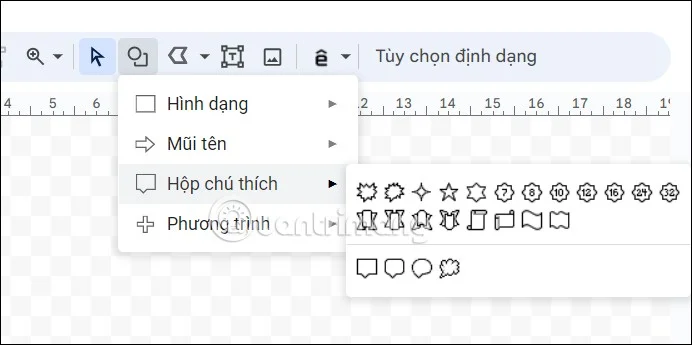
Displays the interface for you to draw your diagram. We use shapes to create content frames and line symbols to connect content frames together.

Instructions for drawing mind maps in Google Docs

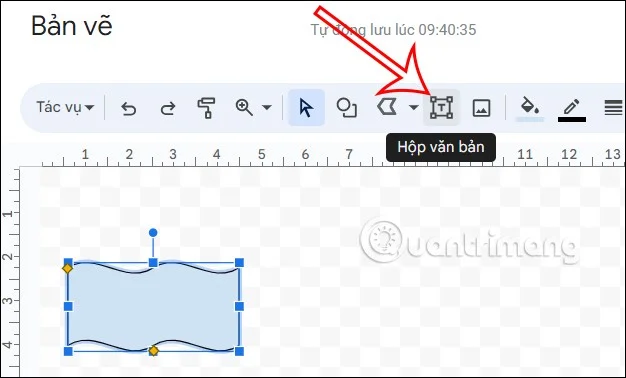
To write text in the frame , click on Text Box and write text in the frame.

Instructions for drawing mind maps in Google Docs

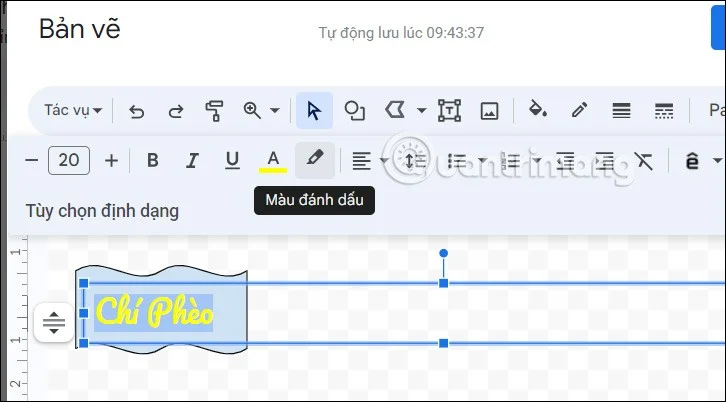
After writing text in the frame, you can adjust the font, font size, font color,...

Instructions for drawing mind maps in Google Docs

Step 4:

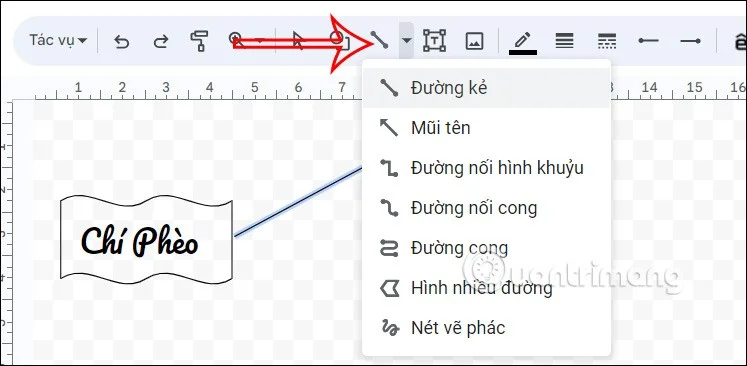
Then click on Line to select the line style to connect the content items together.

Instructions for drawing mind maps in Google Docs

We use shapes and drawings to create the mind map content we want.

Instructions for drawing mind maps in Google Docs

Finally, we click Save and Close in the upper right corner to insert this map into Google Docs. To edit the diagram, click on the diagram and select Edit to return to the drawing interface.

Instructions for drawing mind maps in Google Docs

Instructions for creating Google Docs mind maps using the utility

Step 1:

We will use the Lucidchart extension to draw a mind map in Google Maps. You look to the right side of the interface and you will immediately see the Lucidchart extension.

Or you can install the Lucidchart extension from the link below. You will need to register for a Lucidchart account using your Google account.

Instructions for drawing mind maps in Google Docs

Step 2:

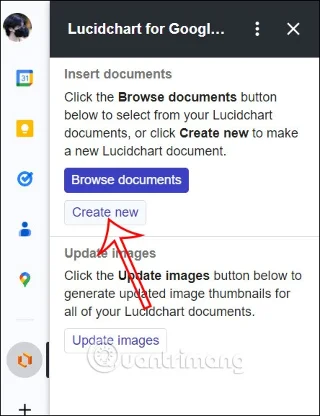
Next, click on the Lucidchart icon on the right side of the screen, then click Create new to create a new diagram in Lucidchart. You will be taken to the Lucidchart interface to create the diagram.

Instructions for drawing mind maps in Google Docs

Step 3:

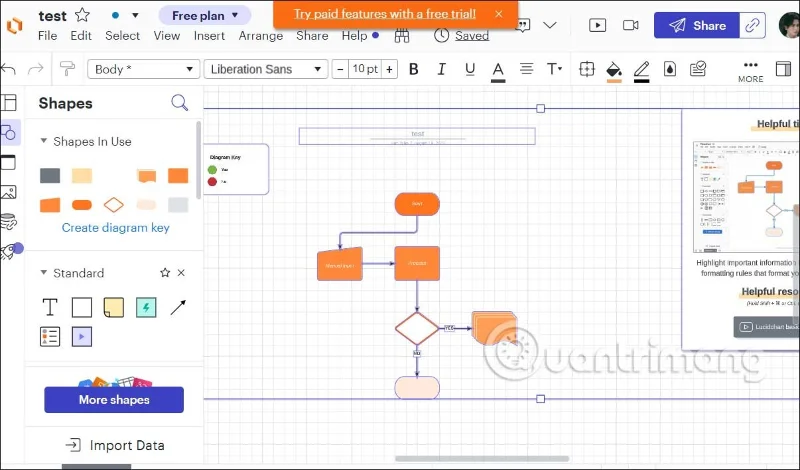
Now we proceed to use the tools, or use the available diagram templates on Lucidchart to draw the diagram and then name this diagram. Once created, click on File and select Save to save.

Instructions for drawing mind maps in Google Docs

Step 4:

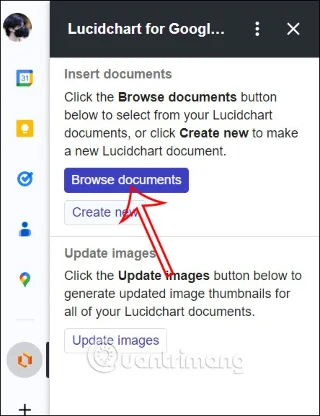
Go back to the Google Docs interface and click on the Lucidchart icon. Here you click on Browse document to add a diagram from Lucidchart.

Instructions for drawing mind maps in Google Docs

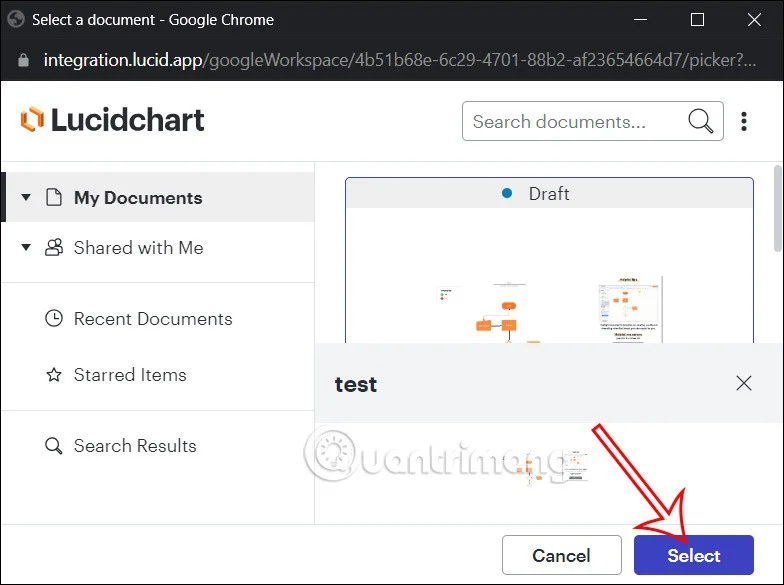
Display the Lucidchart interface, click on the diagram you created and select Select below to insert it into the document.


Instructions for drawing mind maps in Google Docs

Leave a Comment

Diagnose SLES PAM Login Failures Without Locking Yourself Out

Diagnose SLES PAM Login Failures Without Locking Yourself Out

Trace a PAM failure to its service, account policy, or identity provider, then repair the right SLES configuration while preserving a working admin session.

SLES Boot Module Load Failure: Find the Driver and Fix It

SLES Boot Module Load Failure: Find the Driver and Fix It

Trace a failed kernel module at SLES startup, correct an obsolete boot entry or repair the required driver, and verify the next boot.

Set Up DM-Multipath on SLES 15 for Reliable SAN Paths

Set Up DM-Multipath on SLES 15 for Reliable SAN Paths

Prepare SCSI SAN paths, enable multipathd, inspect SUSE’s hardware defaults, and verify stable device maps without guessing array settings.

Clear a Zypper Lock Safely on SUSE Linux Enterprise

Clear a Zypper Lock Safely on SUSE Linux Enterprise

Find the process holding Zypper’s package lock, distinguish process conflicts from package locks, and retry updates without deleting lock files blindly.

Build a Supported SLES 15 HA Cluster with Fencing First

Build a Supported SLES 15 HA Cluster with Fencing First

Register SLE HA, bootstrap SLES 15 nodes, then add fencing, quorum, and tested service resources before relying on failover.

SLES Zypper HTTP 500: Find the Failing Repository

SLES Zypper HTTP 500: Find the Failing Repository

Trace a Zypper refresh error to SUSE, RMT, or a third-party endpoint, then apply the right server-side or cache fix without disabling essential updates.

SLES Thin Pool Out of Space: Extend LVM Safely and Restore Writes

SLES Thin Pool Out of Space: Extend LVM Safely and Restore Writes

Resolve SUSE LVM thin-pool space errors by checking data and metadata usage, expanding the pool safely, and preventing repeat outages.

When SLES Btrfs Goes Read-Only: Diagnose Before Remounting

When SLES Btrfs Goes Read-Only: Diagnose Before Remounting

Identify whether Btrfs is intentionally read-only, short on space, or protecting data after errors, then choose a recovery path that fits the cause.

Register SLES 15 with SUSE Manager in an Offline Network

Register SLES 15 with SUSE Manager in an Offline Network

Prepare mirrored channels, create an activation key, and bootstrap an SLES 15 client without direct internet access while preserving the connection needed for Manager check-ins.

Get YaST’s X11 Forwarding Working Over SSH

Get YaST’s X11 Forwarding Working Over SSH

Fix YaST’s XIO launch error over SSH, verify X11 forwarding and xauth, and switch to the ncurses interface when a remote window is unnecessary.