Home
» How to
»
Instructions for making color changing videos on CapCut
Instructions for making color changing videos on CapCut
CapCut video creation and editing application is very familiar to users. With CapCut, you can create many unique video templates, or artistic color-changing videos, for example. We can create the same video effect but can change to 2 different effect colors. Below are instructions for making color-changing videos on CapCut.
How to make color changing video on CapCut
Step 1:
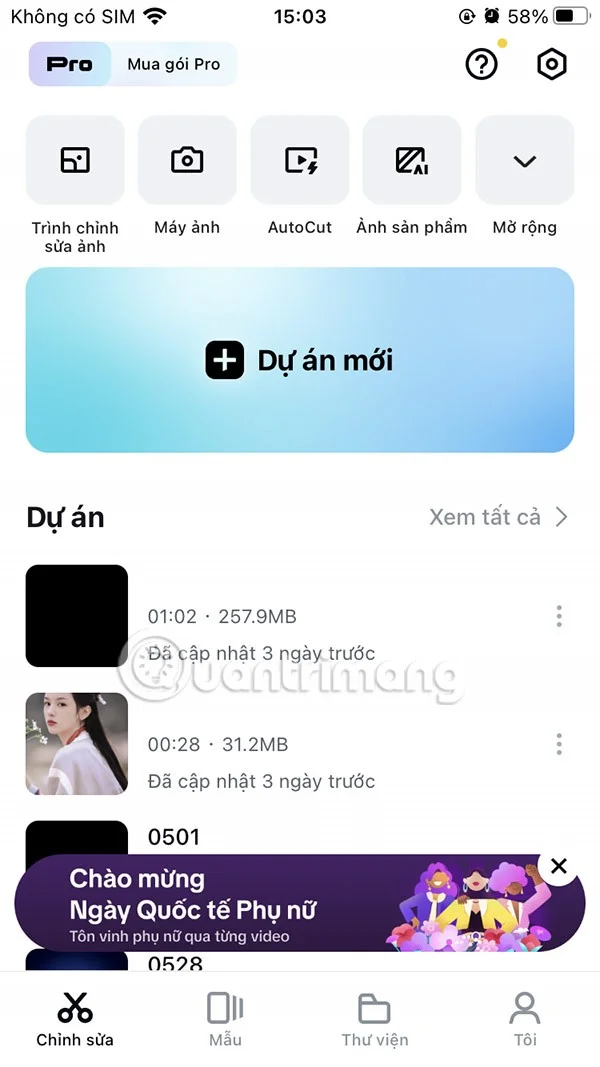
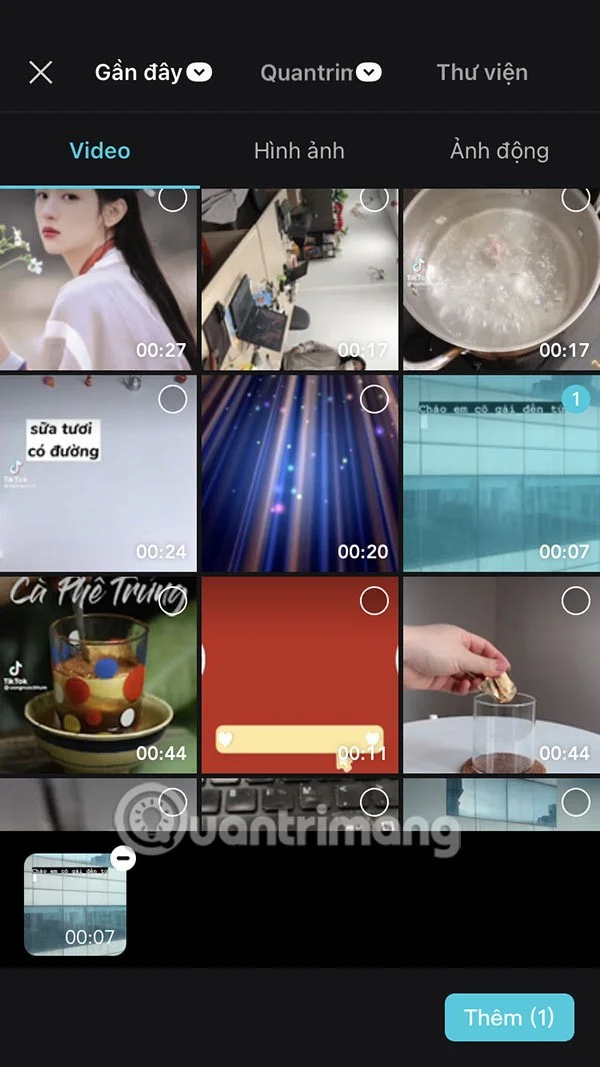
First, create a new project on CapCut and then select the video you want to edit from the album on your phone.
Step 2:
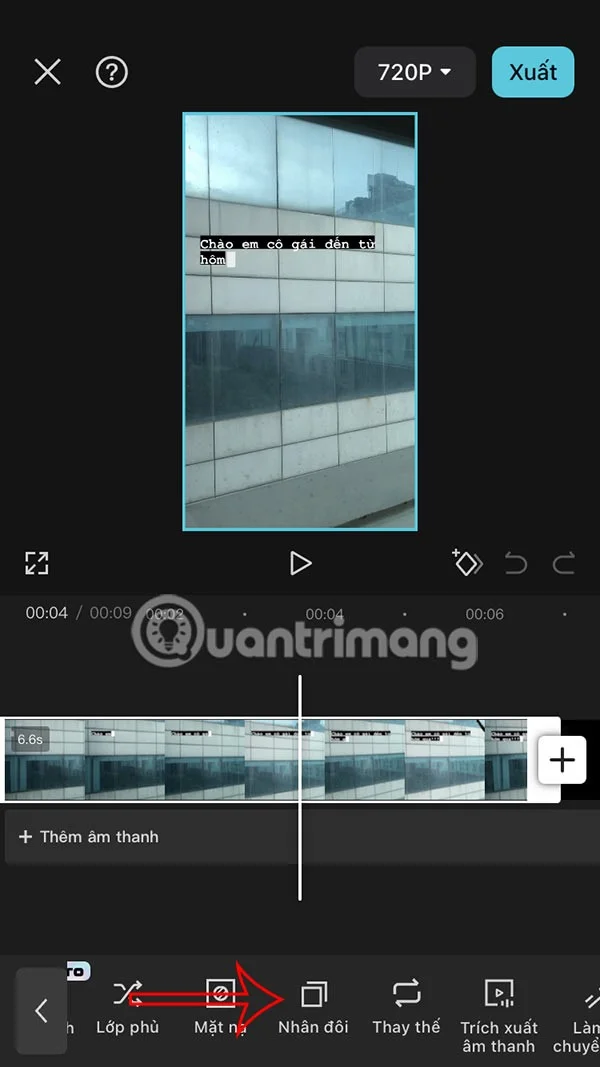
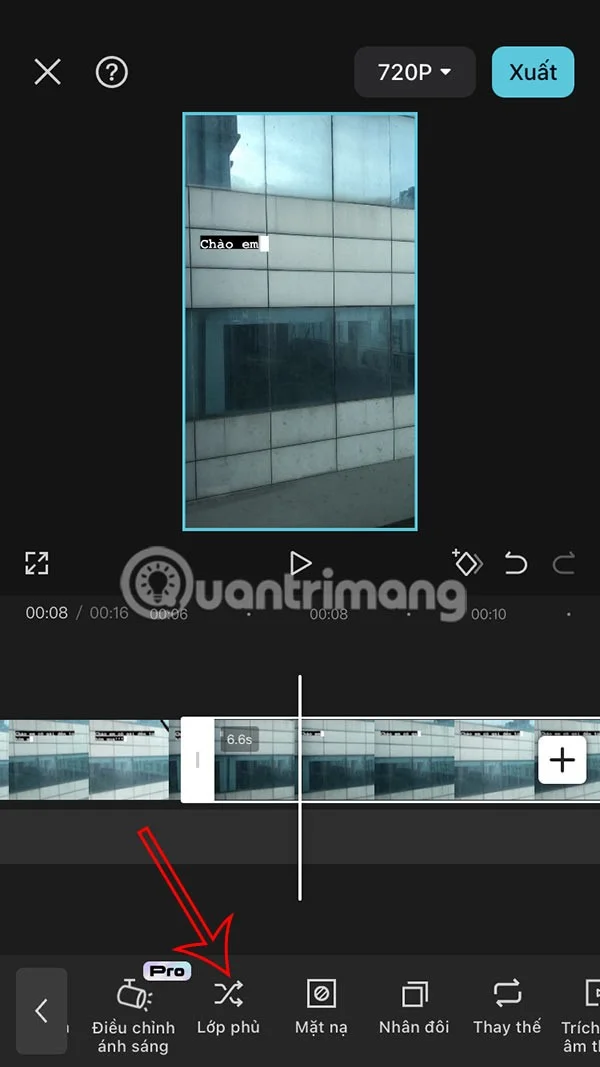
Next click on the first video and then click Duplicate below to create the second video.
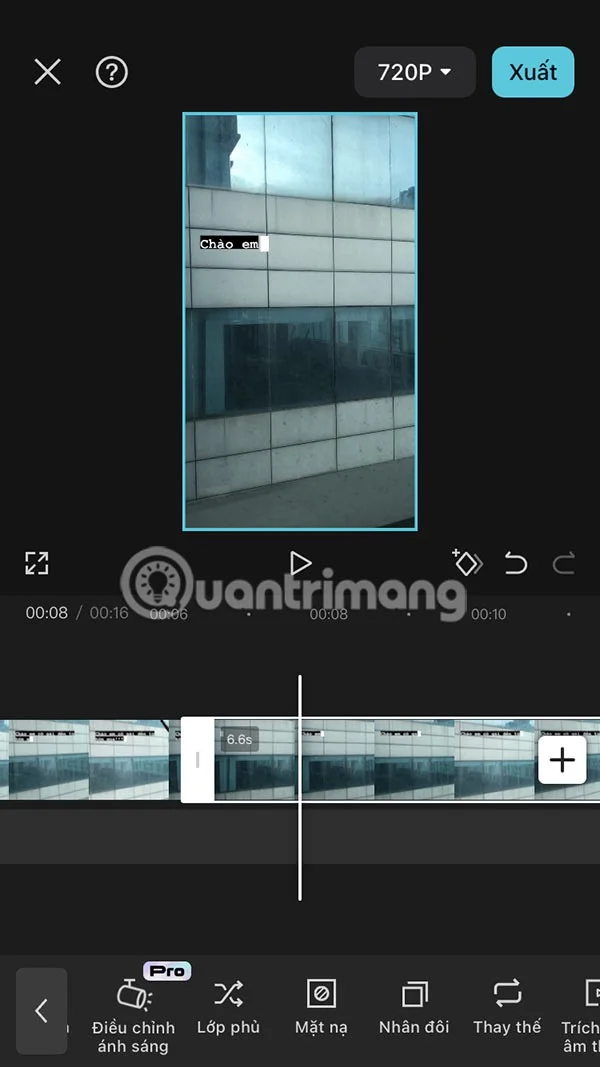
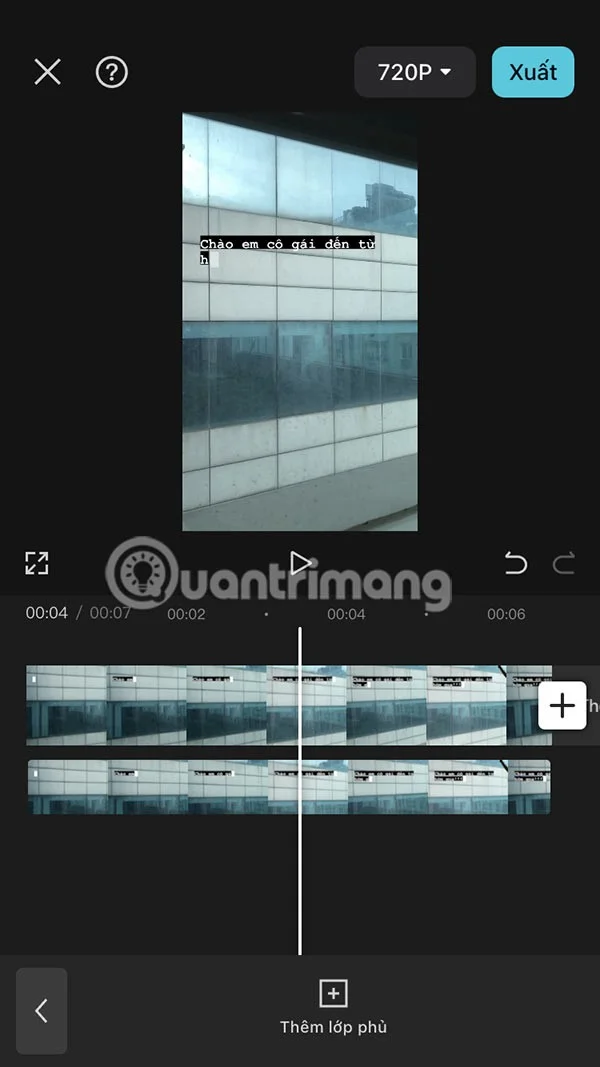
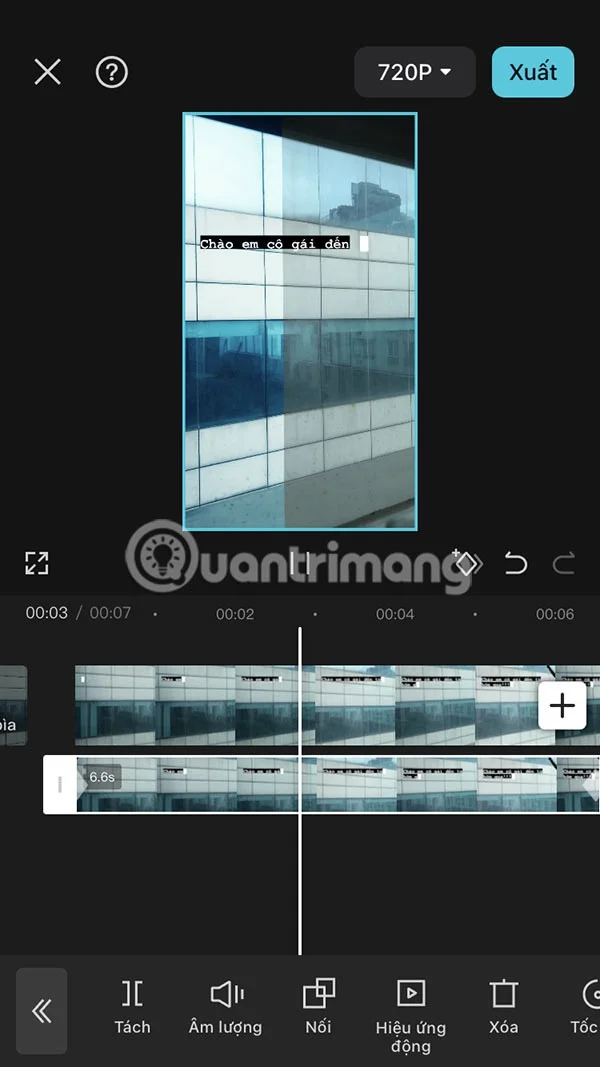
Continue to click on the second video and then click Overlay . Then we will drag the 2 videos to match as shown below.
Step 3:
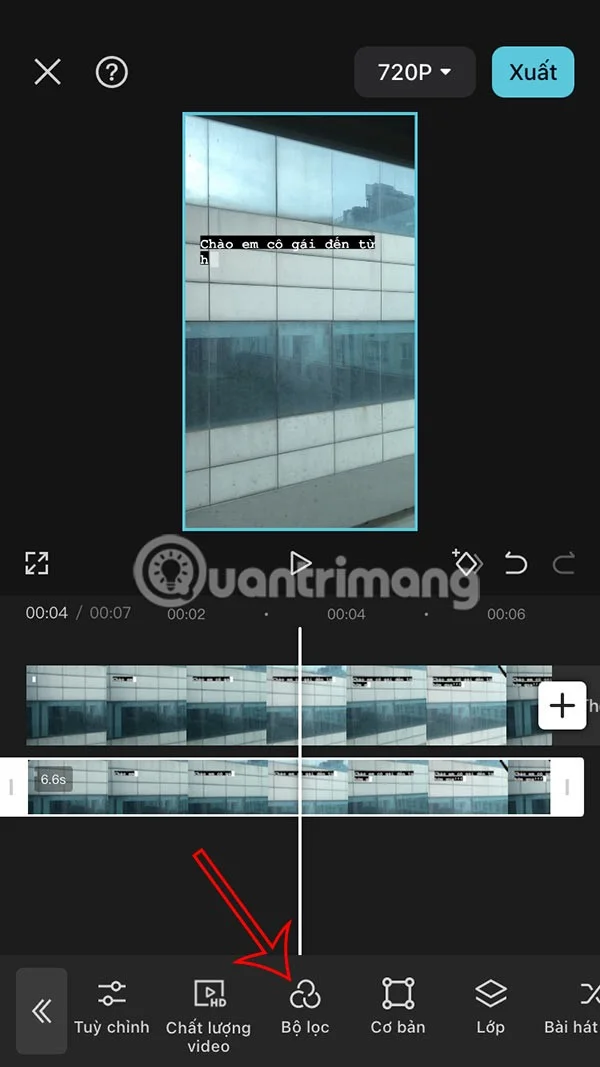
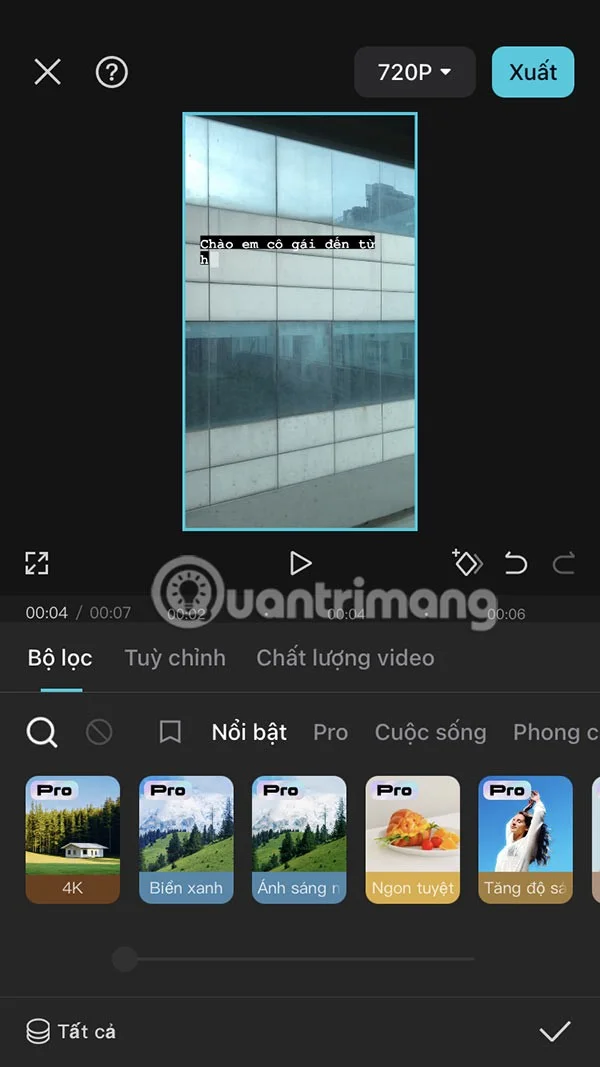
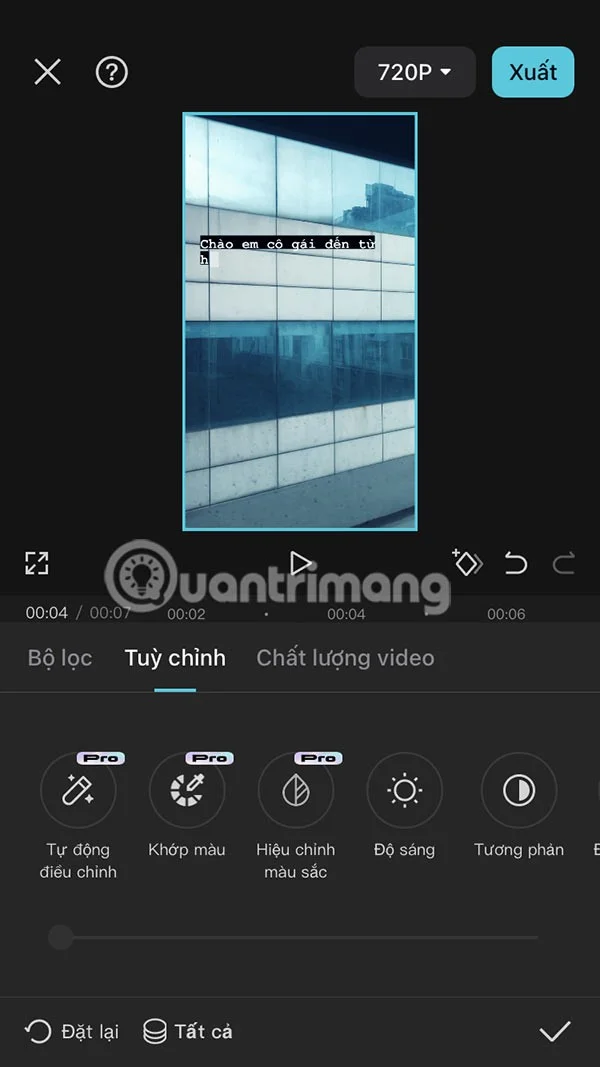
Click on video 2 then click on Filter to adjust the color of the video . Now you choose the color you like for the video to create a color changing effect.
Step 4:
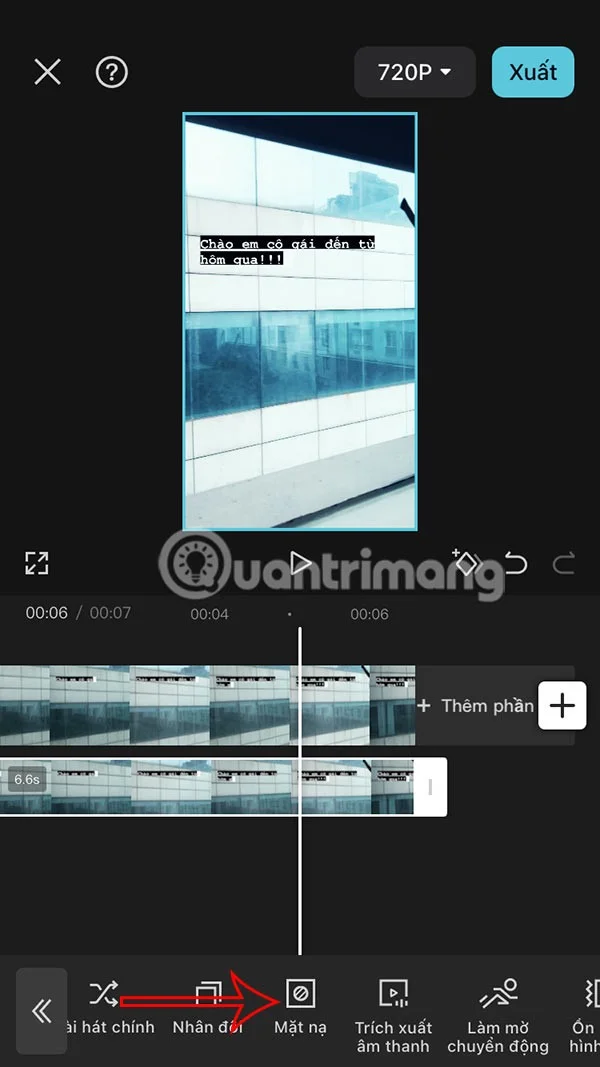
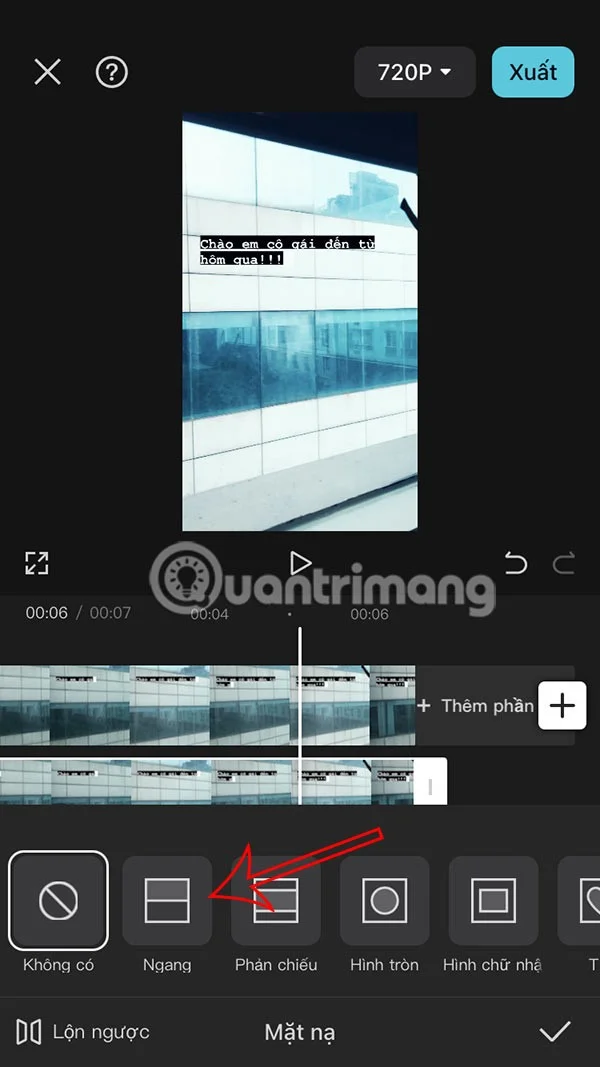
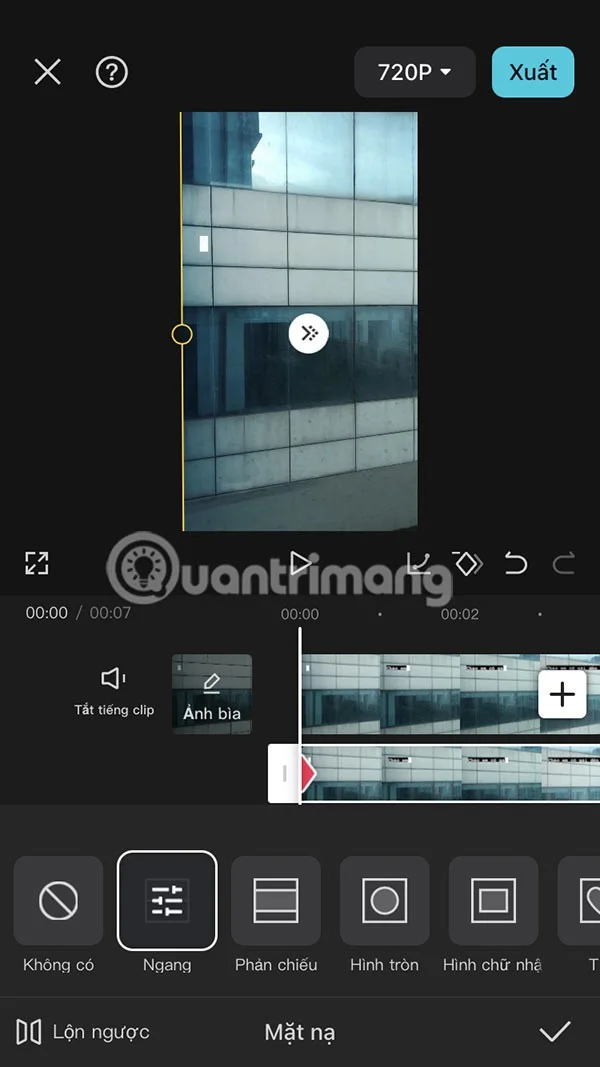
Click on video 2 then select Mask , then select Horizontal or other style you want.
Step 5:
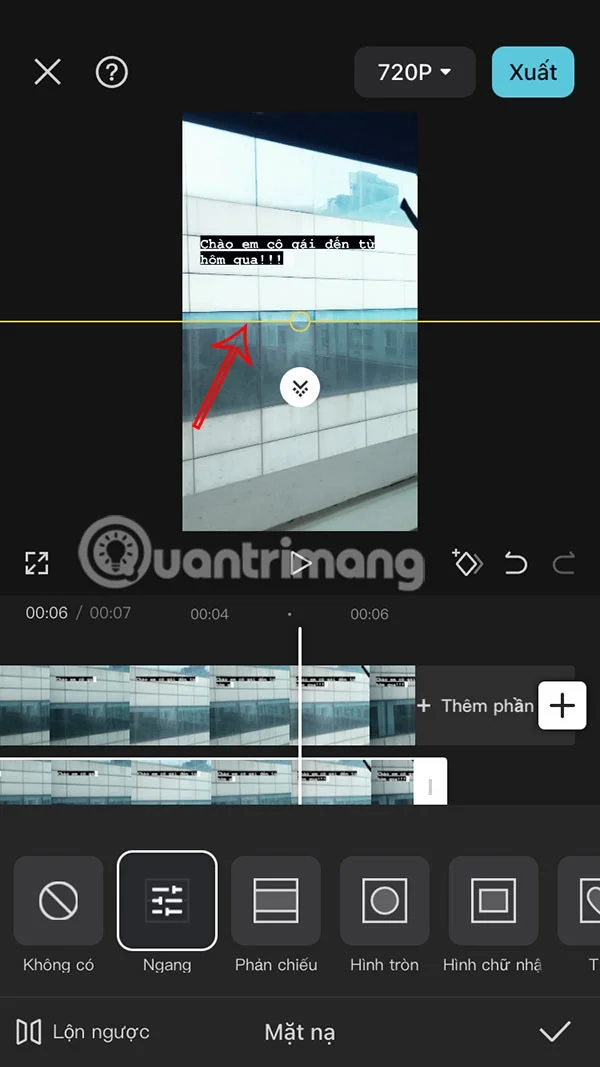
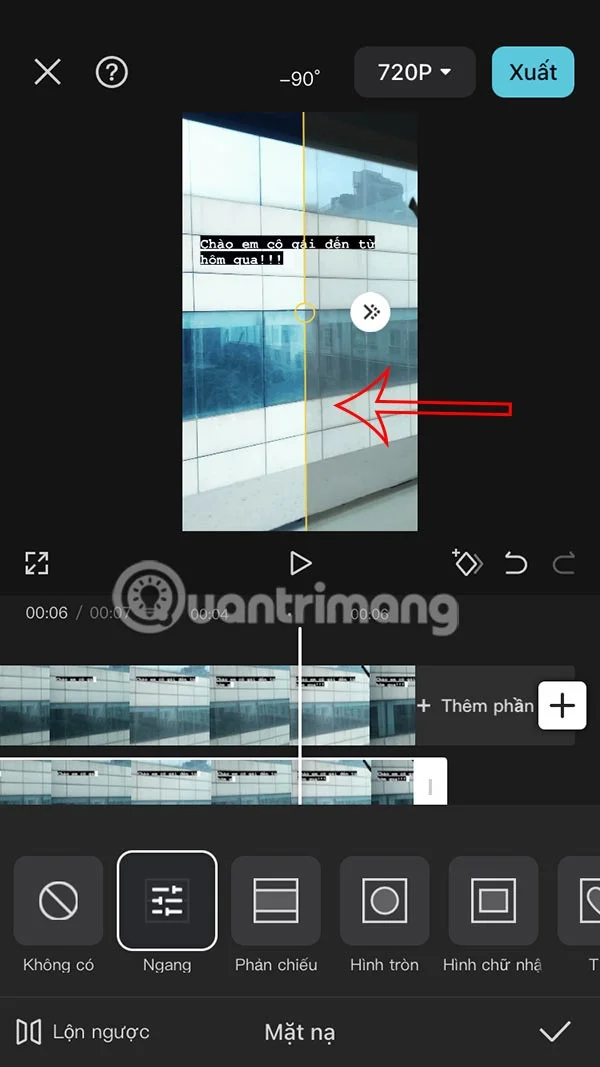
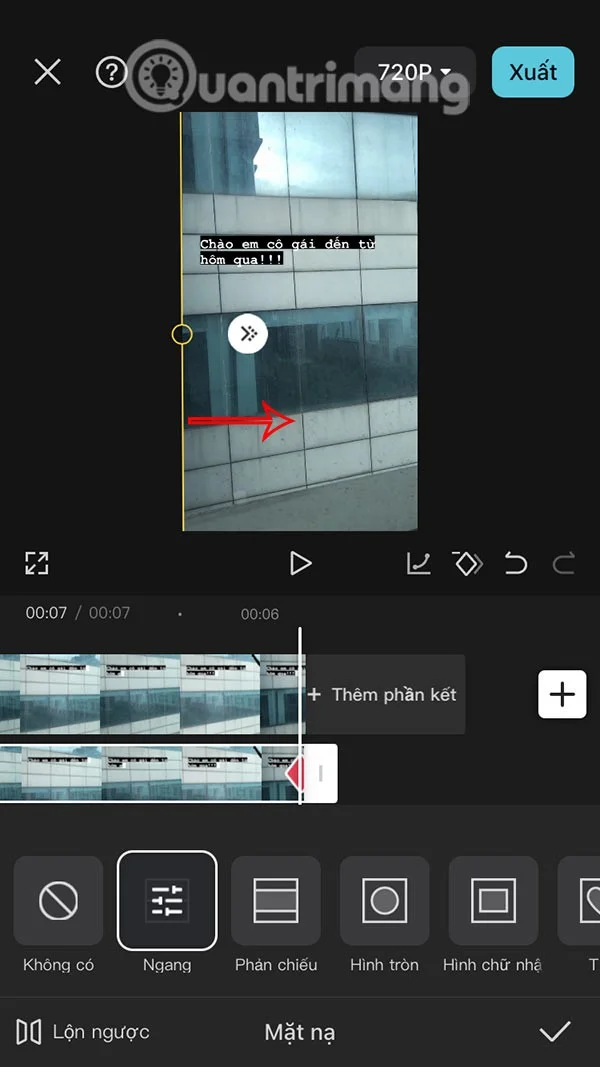
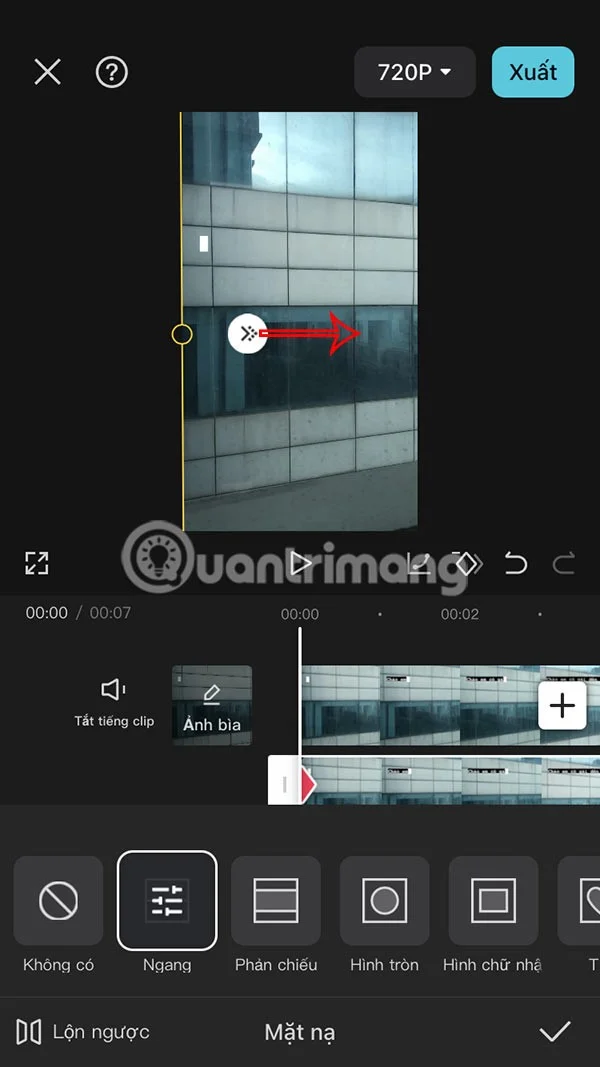
Use 2 fingers to touch the screen and change the direction of the horizontal line to a vertical line 90 degrees , then drag to the left side of the screen .
Step 6:
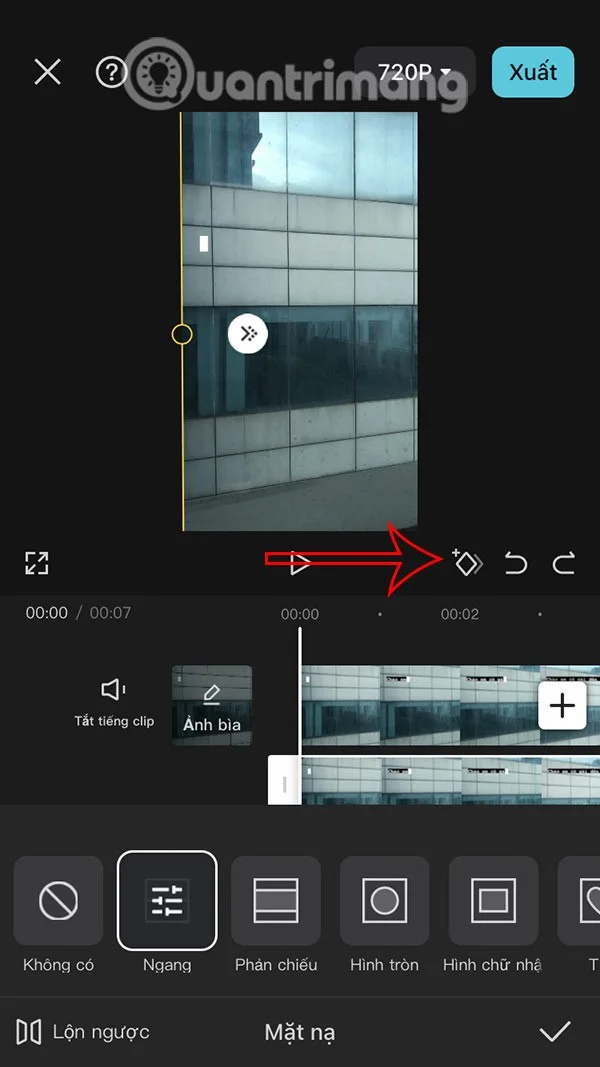
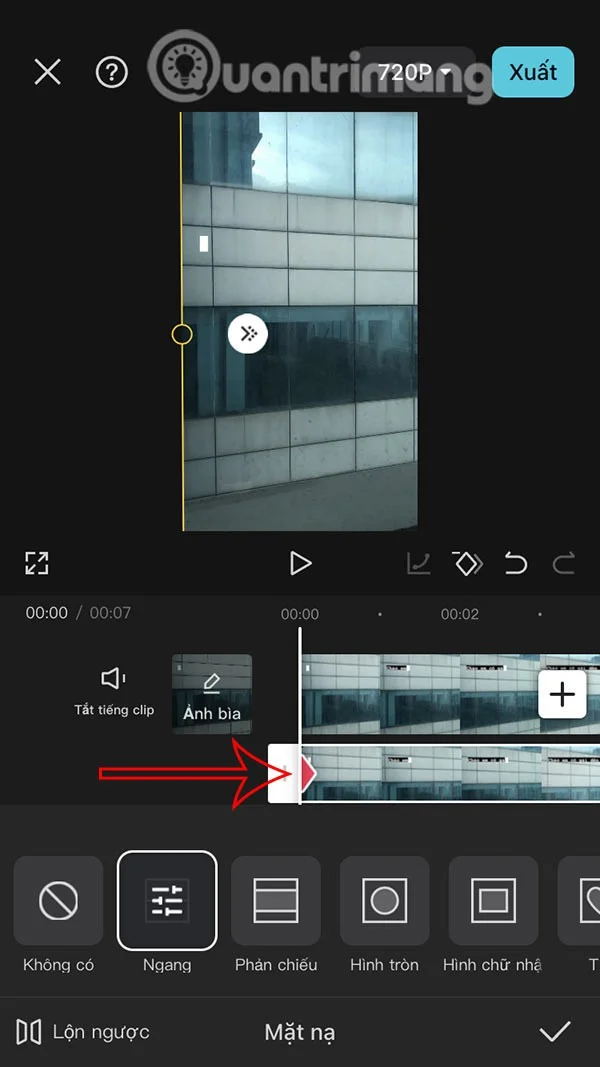
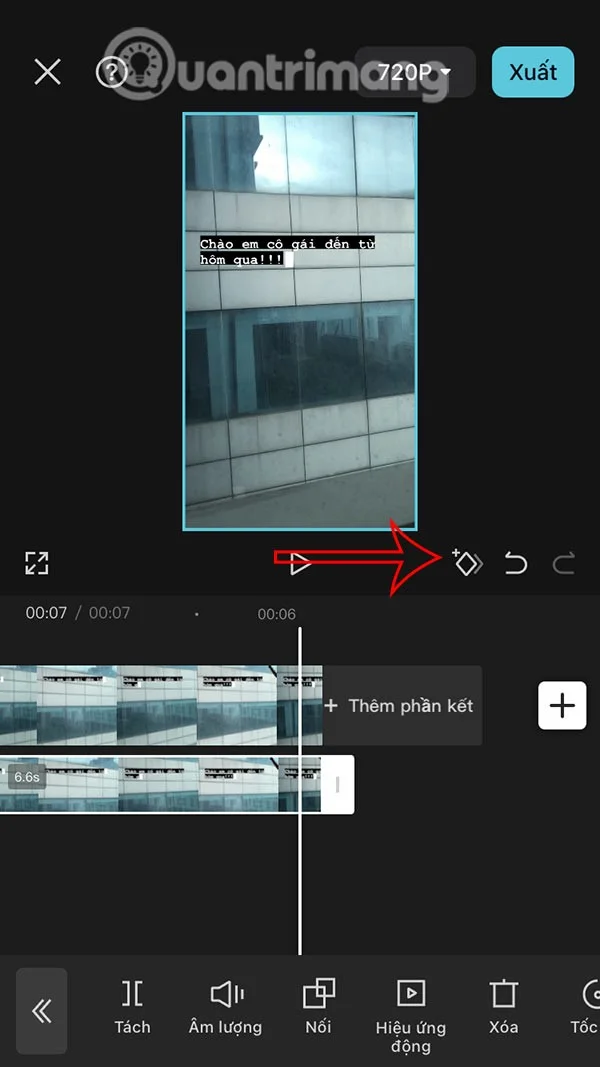
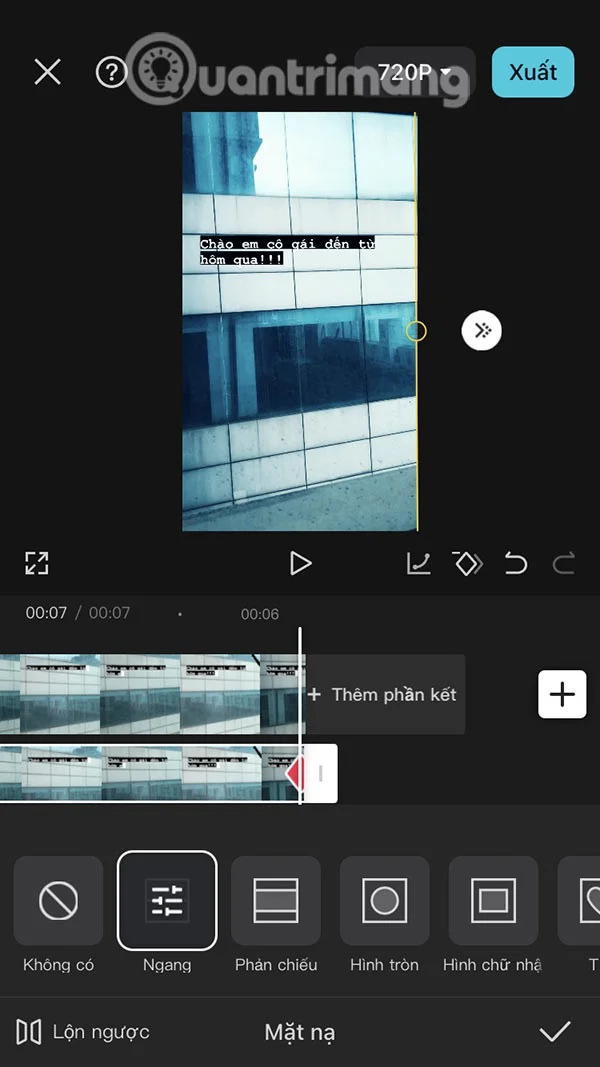
Then tap the diamond icon below the video. Drag it to where you want the transition to end , for example to the end of the video, then tap the diamond again .
Step 7:
Use 2 fingers to drag the yellow vertical line to the right to complete the color changing effect. So you have got the color changing video on CapCut.
Step 8:
Continue to adjust the color change effect more smoothly, tap on the 2nd video then tap on Mask and move to the first shuttle position , tap on the white circle icon and drag a little to the right.
Finally, you review the results and export your color-changing video.
Video tutorial on making color changing videos on CapCut