Set Up Secure RDP Access to a Pardus Xfce Desktop

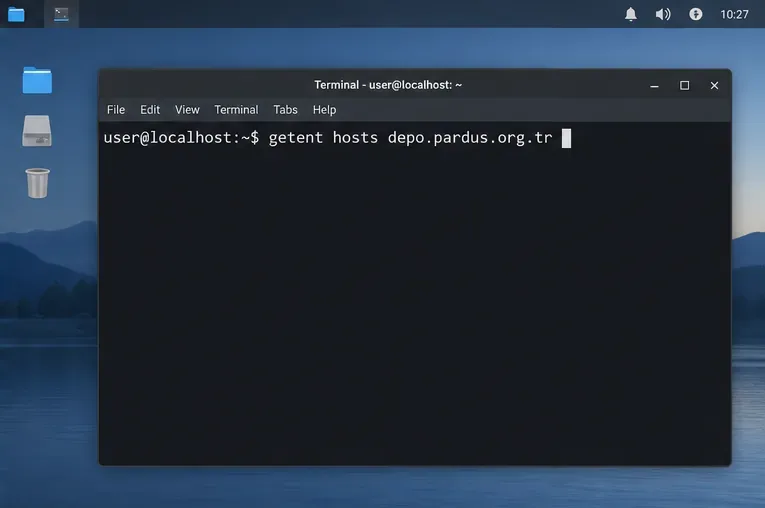
Install and configure xrdp on Pardus, choose the right Xfce session, restrict network access, and verify that remote login works.
Phone Link is Microsoft's app for interacting with your mobile device from your Windows PC. It covers your everyday needs like viewing text messages, responding to notifications, managing photos, and making calls. You don't have to pick up and unlock your Android or iOS phone.
Windows 11's Phone Link app works pretty well with both iPhones and Android phones. However, it's missing some important features on Apple devices, like transferring files directly from an iPhone to a Windows PC.
However, this shortcoming has finally been fixed with an update that Microsoft is gradually rolling out starting today, starting with the community of testers in the Windows Insiders program. To use this feature, you need an iPhone running iOS 16 or later, the Link to Windows app (version 1.24112.73 or later) on your iPhone, and the Phone Link app (version 1.24112.89.0 or later) on your Windows PC. Additionally, you must be a member of the Windows Insider program.
As mentioned, this feature was previously only available for Android devices, and there are a lot of cool things you can try out. For example, sending files from your iPhone to your Windows PC should be super simple now, especially if the feature works the same way as it does on the Android version. However, since it’s still in beta, things may not work perfectly yet, so those who want the full, optimized experience may want to wait until the full release is complete.

The process for setting up Phone Link with your iPhone may vary depending on whether you've used the app before. If you're setting it up for the first time, you'll see the option to share files during setup. You may need to check that you're signed in to your Microsoft account on your PC for this feature to work as expected.
The new features will help iPhones connect better with Windows, similar to what Android phones already do. The features will be rolled out gradually to allow for testing and fixing any issues before a general release. Microsoft has not yet announced a specific release timeframe, but it is likely that everything will be completed in the coming months.
Install and configure xrdp on Pardus, choose the right Xfce session, restrict network access, and verify that remote login works.
Diagnose Pardus 23 APT connection failures, confirm the official yirmiuc sources, and restore apt update without bypassing package signature checks.
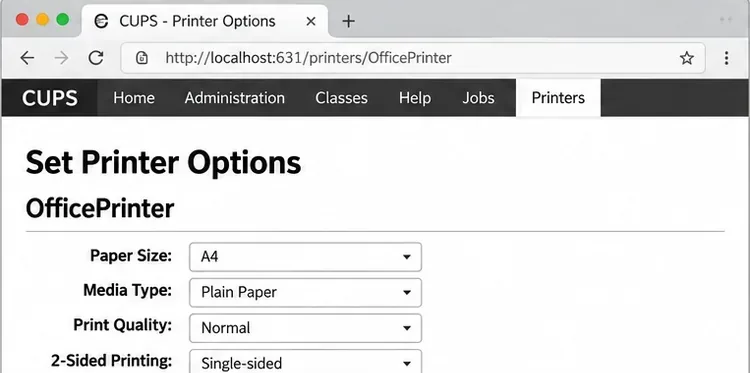
Configure printers on Harmonica OS using CUPS, compare driverless IPP with legacy drivers, and verify USB or network printing with a test page.
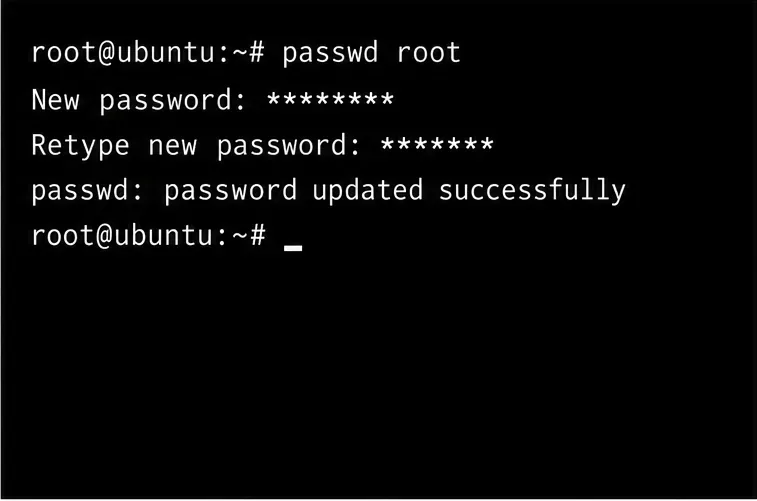
Use a recovery shell to set a new Harmonica OS root password, with checks for encrypted disks, read-only filesystems, and accounts that use sudo.
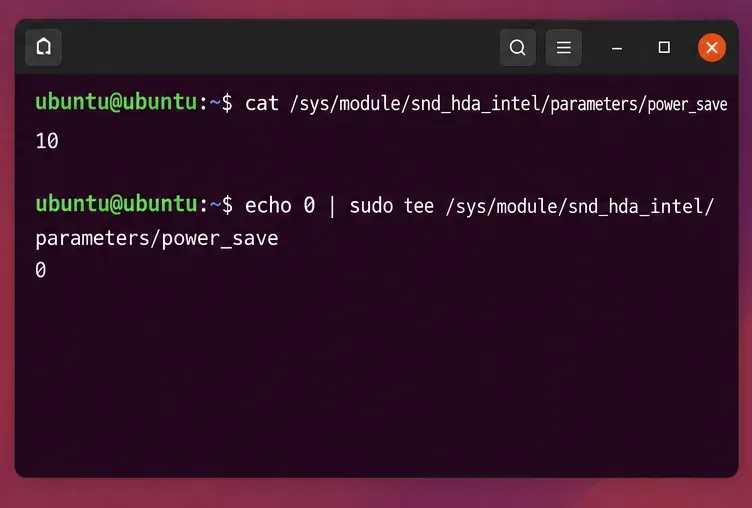
Trace whether clipping, ALSA format conversion, or HDA power saving is causing Ubuntu 24.04 audio distortion, then apply the matching reversible fix.
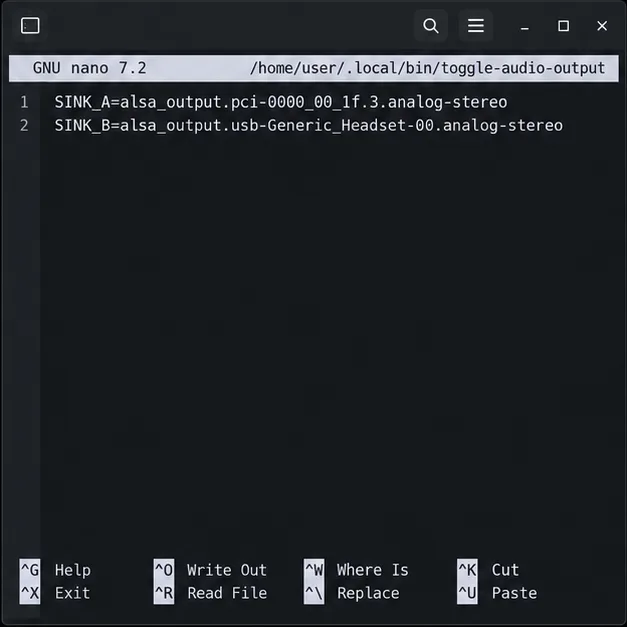
Switch Debian audio between named PipeWire outputs with a pactl script that updates the default sink and reroutes streams already playing.
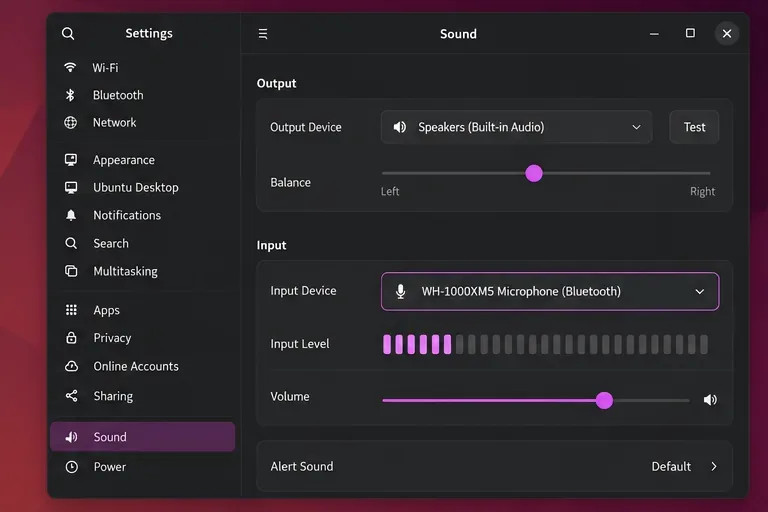
Get your Bluetooth headset mic working by selecting the right input, using a hands-free audio profile, and checking Ubuntu’s PipeWire route.
Learn why Flatpak apps may ignore Ubuntu 24.04 GTK themes and follow safe steps to check theme extensions, refresh Flatpak apps, and diagnose portal issues.
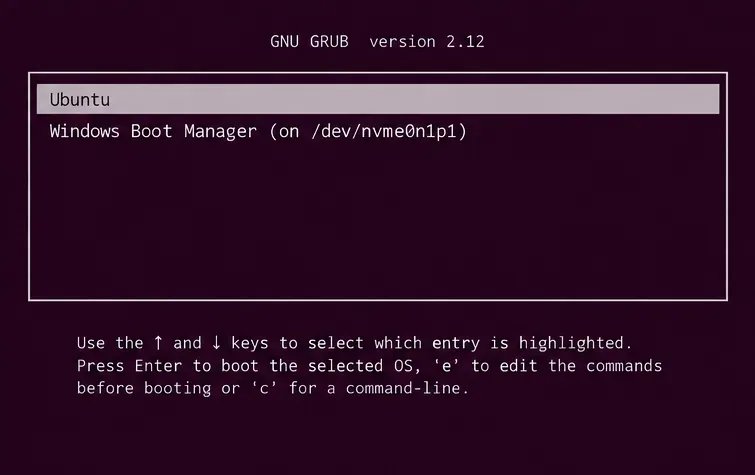
Install Ubuntu 24.04 alongside Windows 11 with BitLocker safely. Compare separate-drive and shared-drive paths, recovery keys, partitioning, and boot checks.
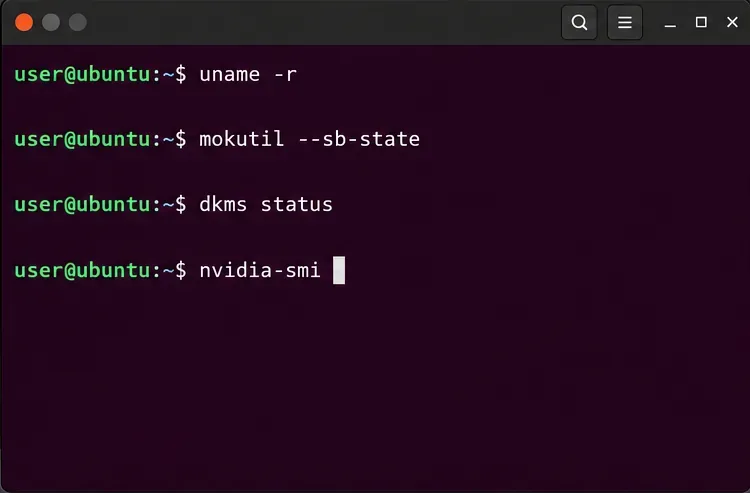
Diagnose NVIDIA driver failures after an Ubuntu kernel update. Check DKMS and Secure Boot, rebuild the matching module, enroll a MOK, and verify the fix.