😩 Ever jumped on a Zoom, Teams, or Google Meet call in Microsoft Edge only to hear your own voice echoing back like a bad karaoke session? You're not alone. Microsoft Edge microphone echo during web calls frustrates millions, but the good news? It's fixable with simple tweaks. This guide delivers targeted solutions to silence that echo fast, so you can focus on nailing your calls. Let's dive in and reclaim clear audio! 👆
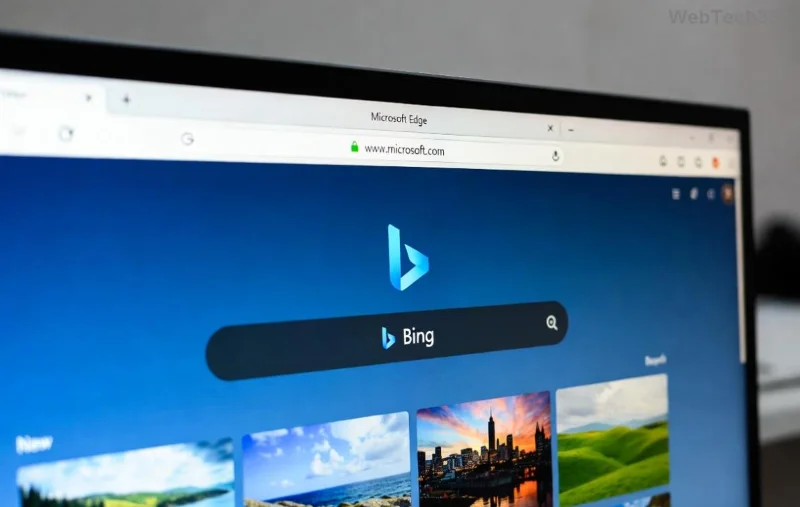
What Causes Microphone Echo in Microsoft Edge Web Calls?
Microphone echo happens when your mic picks up sound from your speakers and loops it back into the call. In Microsoft Edge, this amplifies during browser-based calls due to:
- Audio feedback loops: Mic too close to speakers.
- Browser settings mismatches: Edge's media permissions or flags clashing with sites like Teams.
- Driver conflicts: Outdated audio drivers on Windows.
- Hardware overload: Multiple apps accessing the mic simultaneously.
- High gain levels: Mic sensitivity cranked too high.
Spotting the cause is half the battle. Next, we'll crush it with fixes. Ready? 🚀
Quick Fixes: Silence Edge Microphone Echo in Under 5 Minutes
Start here for 80% of cases. Test your call after each step.
- 1️⃣ Mute Speakers or Use Headphones
Plug in headphones (wired or Bluetooth) to break the feedback loop. No headphones? Lower speaker volume to minimum during calls. Instant win! 🎧
- 2️⃣ Adjust Windows Sound Settings
Right-click the sound icon in your taskbar → Open Sound settings → Under Input, select your mic → Device properties → Set Volume to 50-70% and enable Enhancements like "Acoustic Echo Cancellation" if available.
- 3️⃣ Update Microsoft Edge
Edge → Three dots → Help and feedback → About Microsoft Edge. Let it auto-update. Latest versions include audio optimizations that zap echo.
- 4️⃣ Grant Proper Permissions
In Edge, click the lock icon next to your call site's URL → Site permissions → Set Microphone and Camera to "Allow." Reload the page.
These basics fix most Microsoft Edge microphone echo issues. Still echoing? Level up. 😎
![Step-by-step guide to fixing audio settings in Microsoft Edge]()
Advanced Troubleshooting: Deep Dive into Edge Web Calls Echo
For stubborn cases, go pro. Follow this checklist table:
| 🔧 Step |
Action |
Why It Works |
| Update Audio Drivers |
Device Manager → Audio inputs/outputs → Right-click mic → Update driver. Or download from manufacturer site. |
Outdated drivers cause latency, amplifying echo in Edge. |
| Edge Flags Tweak |
edge://flags → Search "echo" → Enable WebRTC Echo Canceller and Audio Service Out Of Process → Relaunch Edge. |
Activates built-in WebRTC fixes for browser calls. |
| Disable Exclusive Mode |
Sound settings → Mic properties → Advanced → Uncheck "Allow apps to take exclusive control." |
Prevents apps from hijacking mic, common in Teams/Zoom. |
| Close Conflicting Apps |
End tasks like Discord, OBS, or other browsers in Task Manager. |
Frees mic access for Edge-only use. |
| Reset Edge Audio |
edge://settings/reset → Restore settings to defaults (keeps data). |
Clears corrupted media configs. |
![Advanced Edge flags for resolving microphone echo in web calls]()
Pro tip: Test with Edge's built-in troubleshooter at Microsoft Edge Support. ⭐
Prevent Microphone Echo from Returning in Future Calls
Lock in success:
- Use a dedicated headset with noise cancellation.
- Set Edge as default browser for calls: Settings → Default apps → Web browser.
- Enable Windows Spatial Sound for better audio routing.
- Regularly check for Edge updates—new patches keep improving WebRTC.
Bonus: For enterprise users, deploy Group Policy to enforce echo cancellation across devices.
Still Stuck? Next Steps for Perfect Edge Web Calls
If echo persists, it might be hardware. Run Windows Audio Troubleshooter (Settings → Update & Security → Troubleshoot). Or test your mic in another browser like Chrome to isolate Edge issues.
Congrats—you're now armed against Microsoft Edge microphone echo! Your calls will sound pro. Share your success in comments below—what fixed it for you? Drop a 👍 if this helped, and bookmark for next time. Clear calls await! 🎉