Coffee Culture: How to Brew the Perfect Cup at Home

Fix bitter, sour, or weak coffee at home with a practical guide to beans, grind size, water, ratio, temperature, pour-over technique, and tasting.
Mothers definitely cannot protect their babies 24 / 24h. Still, there's a lot you can do to reduce your child's risk of abuse. Simply put, frankly share your knowledge and understanding with children. Mothers should be very subtle to approach the problem as well as explain to children so that they can grasp the problem. Please refer to the article "Teaching children about Sex - Mothers be honest and subtle" below!
Statistics show that parents are too conservative about child sexual abuse and shy away from sharing conversations with their children about it. That psychology makes most of the children who have been sexually abused and harassed do not dare speak up because they are afraid of negative reactions from their parents.

teach children about sex
This is really worrying and needs immediate improvement.
Read more: Sex diaries of grade 8 students ring the bell about sex education!
In Japan, preschoolers have learned to clean body parts by themselves. On the contrary, in Vietnam, when children go to the toilet, they call her, their parents and grandparents. Kindergartens in Japan teach children to use the toilet from an early age.
Teach your child how to use toilet paper or wear underwear. For example, girls are always taught to wipe their genitals from front to back to avoid infection. Boys are not allowed to play with their genitals. Teachers also regularly remind parents to change their children's underwear. Especially boys because unclean underwear can cause sexual dysfunction in the future.
Maybe a little "shocked" when you hear conversations like this in Japan:
Discussions like this are not uncommon in major kindergartens in Japan. The Japanese believe that the preschool period is a good opportunity to teach children about gender, to make them aware of gender roles, to understand the difference between a boy and a girl. establish a sense of self-defense.
The Japanese Ministry of Education publishes the first volume of textbooks about the male and female bodies, reproductive organs and reproductive knowledge from elementary school. Children will have 1-2 hours each year to attend this special lesson. Elementary children will learn about menstruation, principles of pregnancy, and read picture books that briefly describe the process of "making a baby" by parents.
High school children will learn about birth control methods, sexually transmitted diseases and ethical aspects. The universalization of sex education in Japan seems to make parents much more comfortable when they do not have to worry about the questions and concerns of curious teenagers.

teach children about sex
Start talking in a place that is comfortable with both you and your child, and in a happy, emotional place. It will create a sense of balance and understanding from both sides. Children will listen to you better. Avoid cramping, uncomfortable places, causing psychological stress.
The environment is very important because it affects your moods and emotions. If you show that you are anxious or stressed, your child will react with fear, lack of openness and cooperation.
You may think that is too early, but statistics show that the most harassed in the group of children under 12 is… 4 year olds!
Although they cannot express their thoughts well, at this age children already know how to feel about the world. Children understand more than adults think. For example, when bathing your baby, take the initiative to talk to your child about a “private area” where your parents can look and touch while helping your child bathe, but anyone else isn't allowed.

teach children about sex
When you begin to teach your child about body parts such as eyes, ears, mouth, hands, feet,… why should you avoid teaching your child about “private” parts? Give these parts names to your children, their correct names, not the funny names you make up. It is the exact name that children need to know if someone is intruding in the area. Then the child is self-aware of what is happening
And, don't assume that boys do not need sex education. Harassers can harm both boys and girls.
At what age is the child appropriate for understanding the body and the principle of allowing touch?
The answer is as soon as possible. In addition to the "principle of touch", children need to know they need to cover their private areas when swimming in public, keeping this area hygienic, clean and healthy.
But you also need to clarify specific situations, if someone has bad intentions, children will know how to say: "Stop! I feel uncomfortable! " and told his parents right away.
Some ways to help your child understand what you want to say are to mention when taking a bath, or seeing the doctor. You can offer hypothetical situations, ask questions and ask children about how to keep their body parts healthy and clean.
When talking about this, the most important thing is that you should not create feelings of discrimination, annoyance or shame about these parts. Just emphasize that it's a special and unique area for the child, not anyone else.
Only when it is necessary, such as examination and cleaning, should be touched by the responsible person. This is also a way of saying that helps to step by step develop a healthy thinking about sex for children, suitable for talking about sex in the older period.
Adults often show authority and control over everything in a child's life. This only makes children appear more scared when talking about their feelings & worries.
Therefore, give children the right to be self-employed. Teach children to understand their child's body and their autonomy and self-esteem, so they can understand and be accountable for any abuse committed by others.
Let your child have the right to say "No" to any of the adult's coercive behaviors that they are not comfortable with.
Wish moms success!
-Ele Luong-
Related Articles:
Thu Dam Children - What should parents do in this situation?
Uncover 5 amazing facts about the formation of a male Sexuality by a boy
Fix bitter, sour, or weak coffee at home with a practical guide to beans, grind size, water, ratio, temperature, pour-over technique, and tasting.
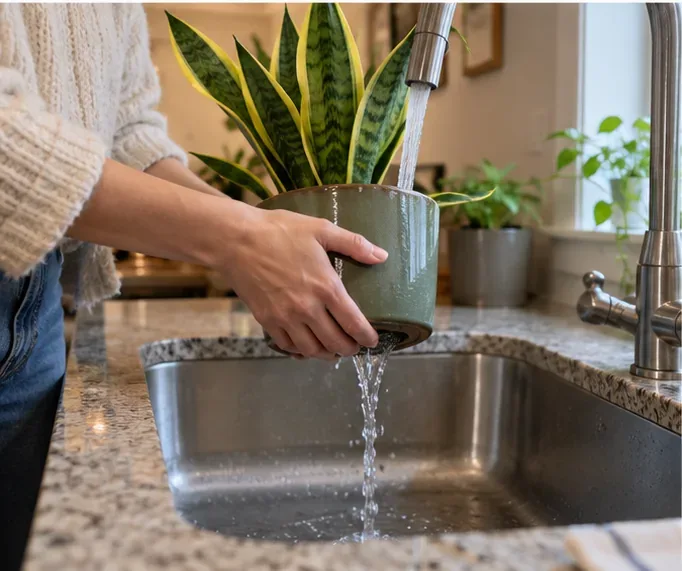
Learn beginner-friendly winter houseplant care for light, watering, humidity, temperature, fertilizer, pests, and the mistakes that commonly damage plants.
Declutter your home without chasing perfection. Learn which spaces to tackle first, how clutter may affect stress and attention, and how to keep results manageable.
Discover which smart kitchen gadgets are genuinely useful, what to check before buying, how to set them up, and common beginner mistakes to avoid.
Functional beverages promise energy, hydration, gut support, protein, and more. Learn which benefits have evidence, what labels can hide, and how to choose wisely.
Learn practical zero-waste cooking habits that reduce food waste, stretch groceries, use leftovers safely, and turn edible scraps into useful meals.
Plan a cozy dinner party with the right guest count, make-ahead menu, warm atmosphere, food-safety basics, and a realistic hosting timeline.
Refresh your home for fall 2026 with budget-friendly decor trends, practical tradeoffs, and smart ways to add warmth, texture, and personality.
Compare practical meal-prep methods by time, flexibility, texture, cost, and food safety so you can build a weekday system that actually fits your life.
Make five reliable fall comfort-food recipes with clear doneness cues, troubleshooting tips, storage guidance, and realistic ways to adjust texture and flavor.