Home
» How to
»
Tips for sharing passwords saved on Google Chrome mobile
Tips for sharing passwords saved on Google Chrome mobile
To share account data stored on your phone, Google supports you to share passwords saved on Google Chrome phone with members of your Google Family. Then the person sharing the password will select which member you want to send the account password saved on Chrome to. The recipient just needs to use that information to log in to the website on Chrome. Below are instructions for sharing passwords saved on Google Chrome phone.
How to share passwords saved on Google Chrome iPhone
Step 1:
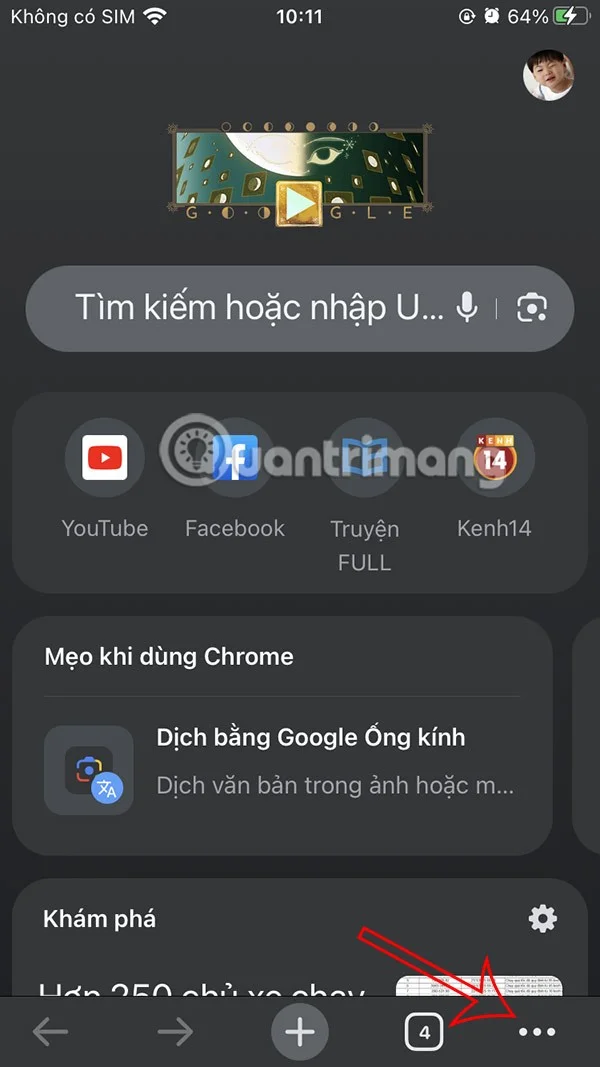
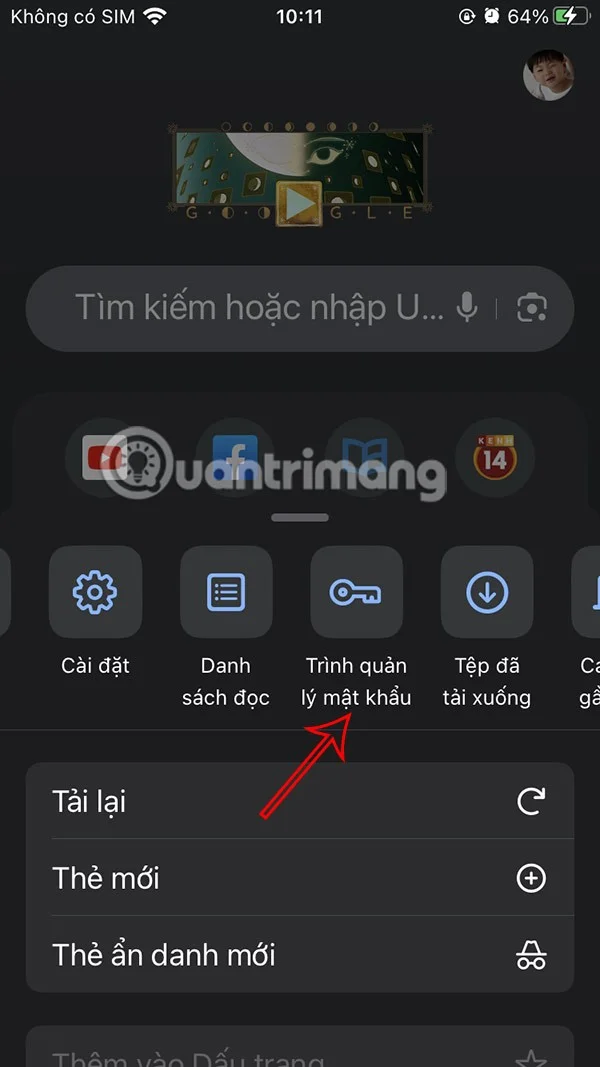
On the Chrome browser interface, click on the 3-dot icon below. Display options for the browser, find the Password Manager tool .
Step 2:
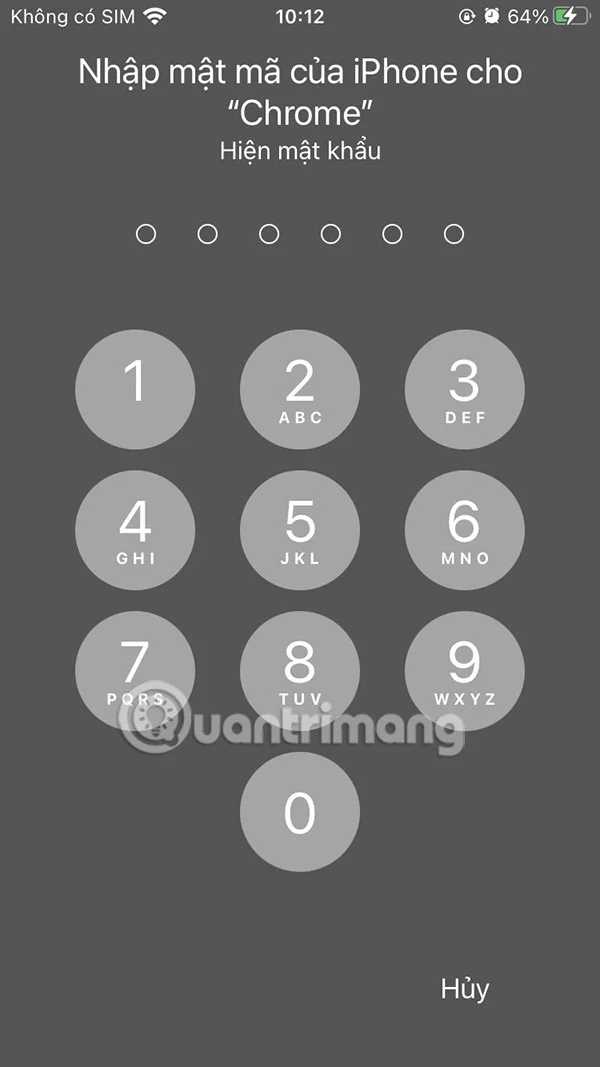
At this point, the user is asked to enter the iPhone lock password to access the password management interface saved on Chrome.
Step 3:
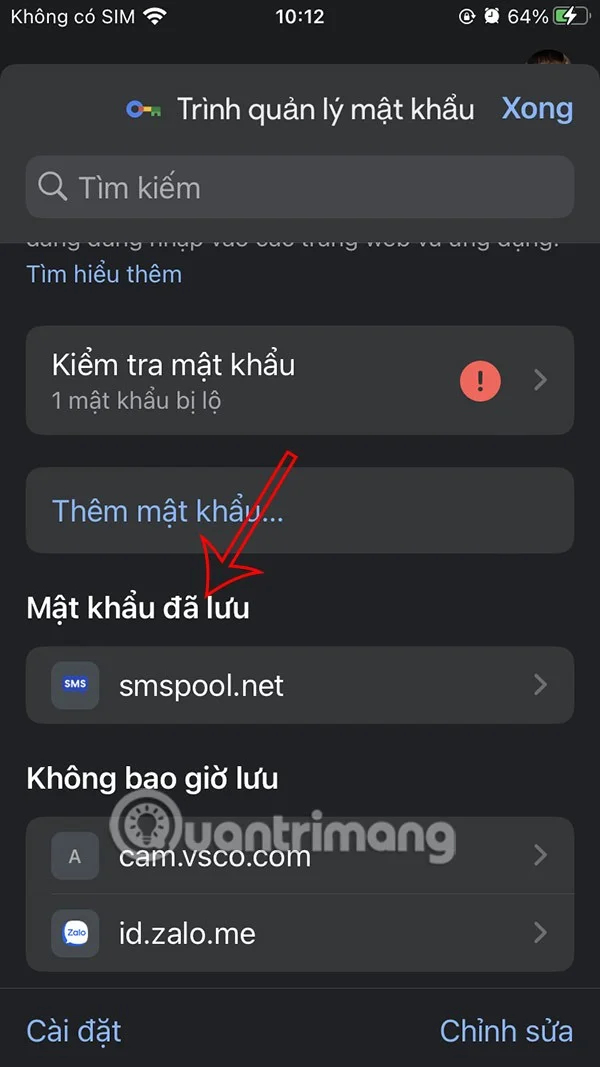
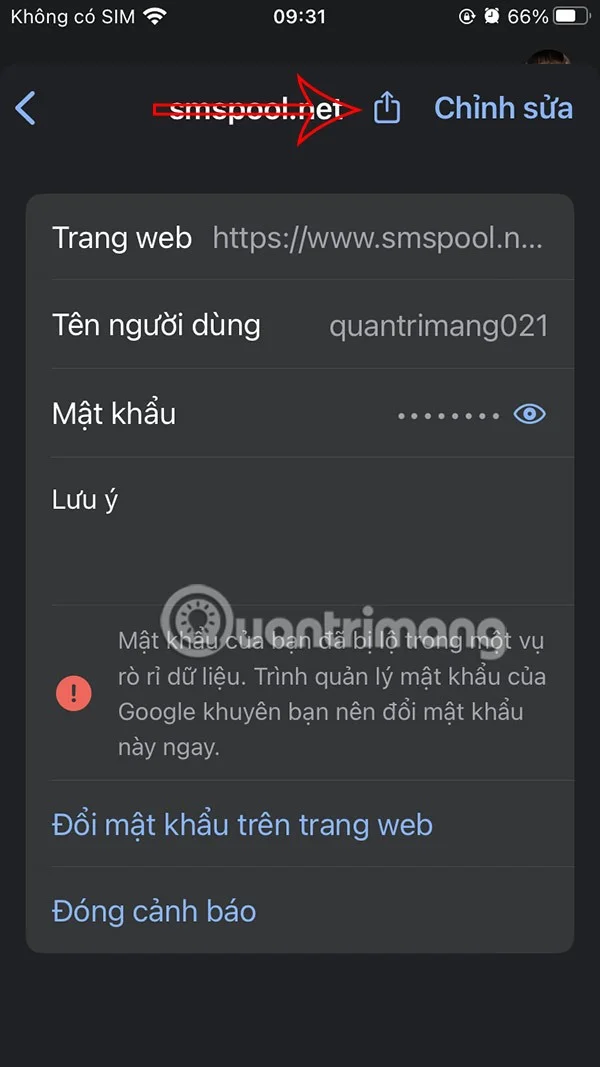
The user will see the password manager interface with a list of saved passwords on the browser. You click on the password you want to share on Google Chrome iPhone. In the password information interface, you click on the share icon above.
Step 4:
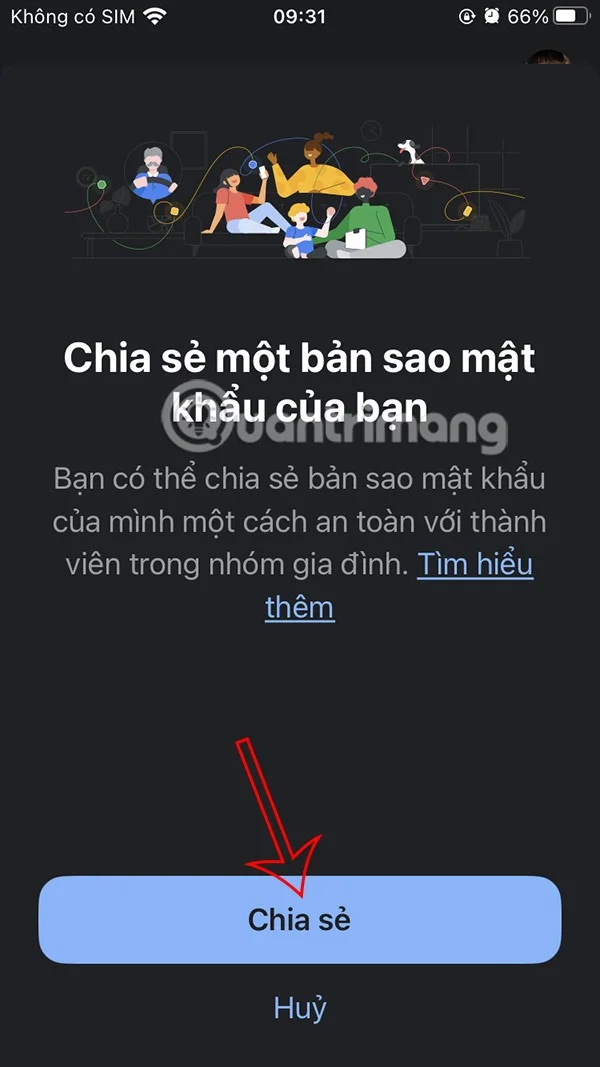
Displays a notification to share saved passwords on Google Chrome. Here you click Share and then select which members you want to share with.
How to share saved passwords on Google Chrome Android
Step 1:
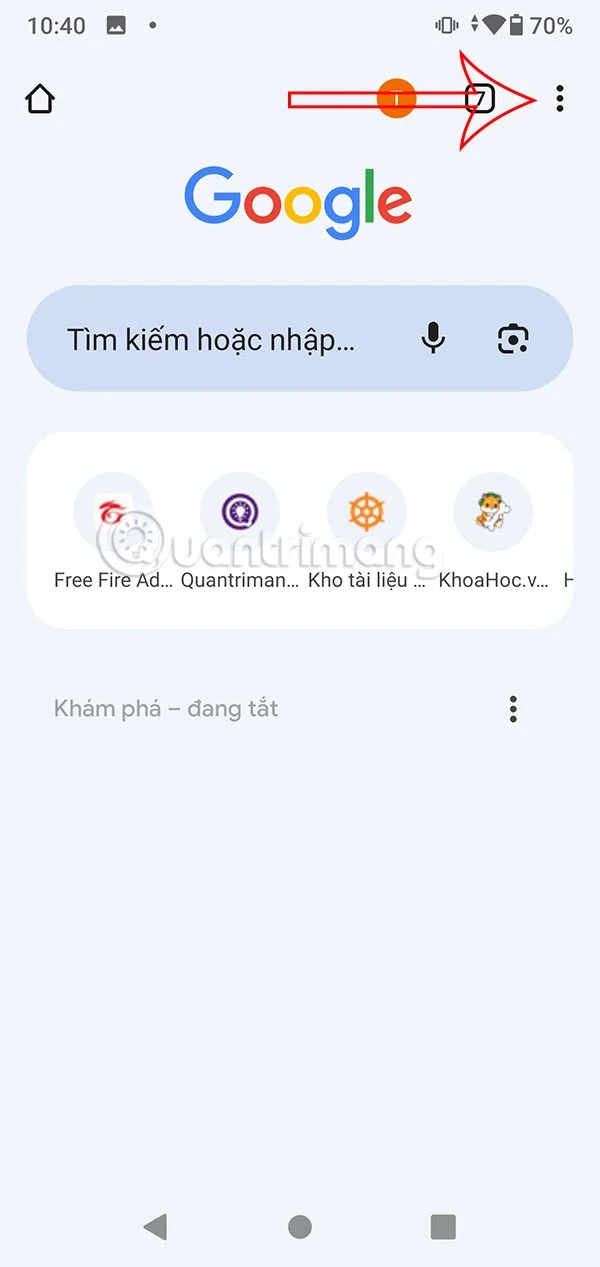
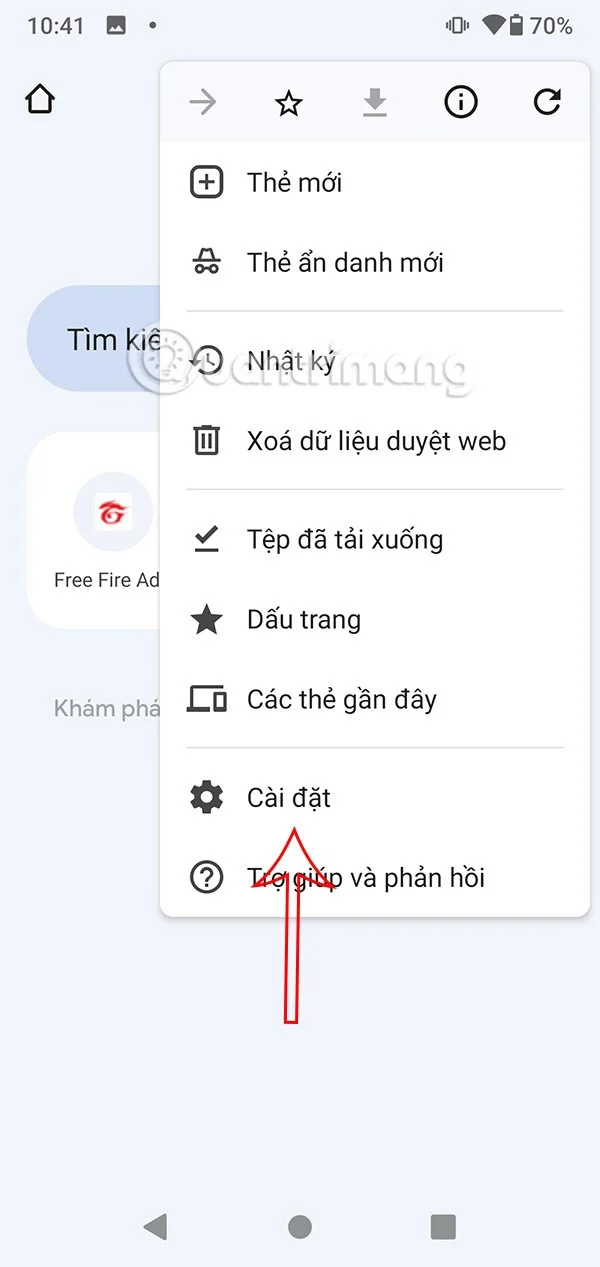
In Chrome browser, click on the 3 dots icon in the right corner and select Settings in the displayed list.
Step 2:
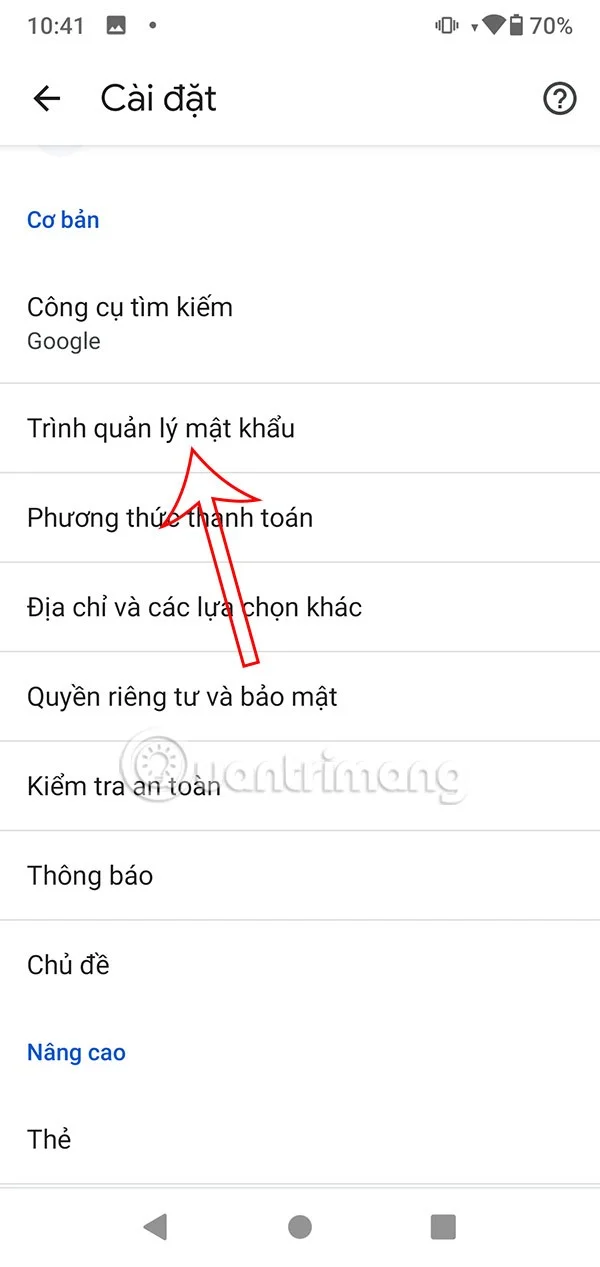
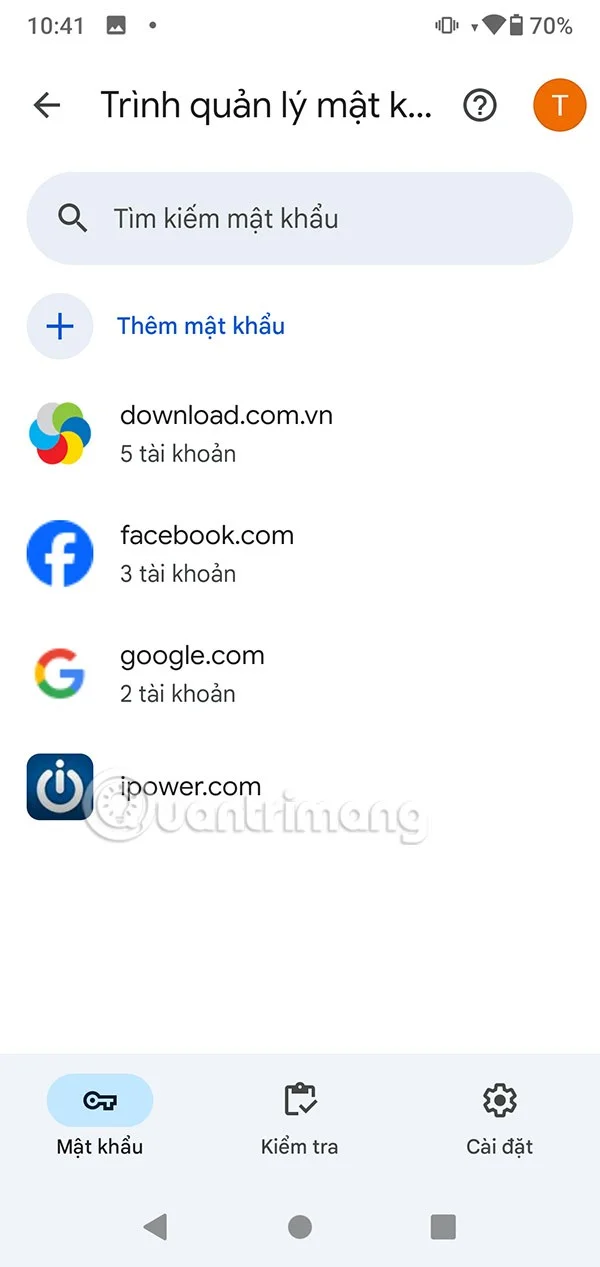
Switch to the new user interface and click on Password Manager . Then we will see a list of accounts with saved passwords . Click on the account you want to share the password saved on Chrome.
Step 3:
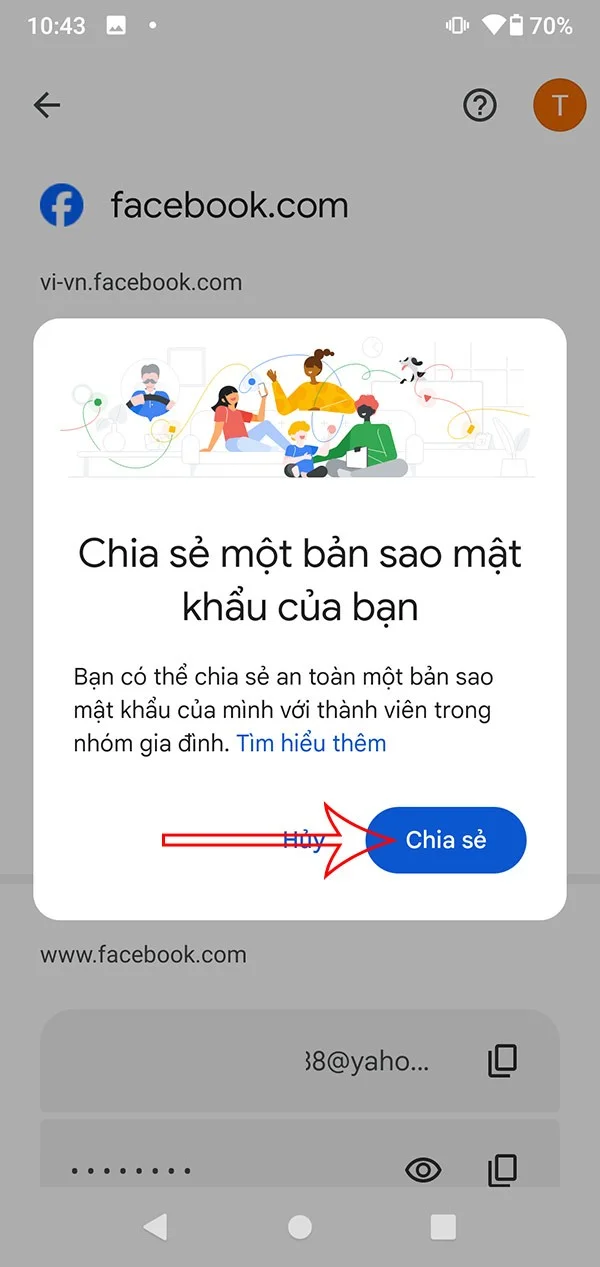
In the management interface, click the share icon. The password sharing notification appears, click Share and then select the member you want to share the password saved on Chrome with .